
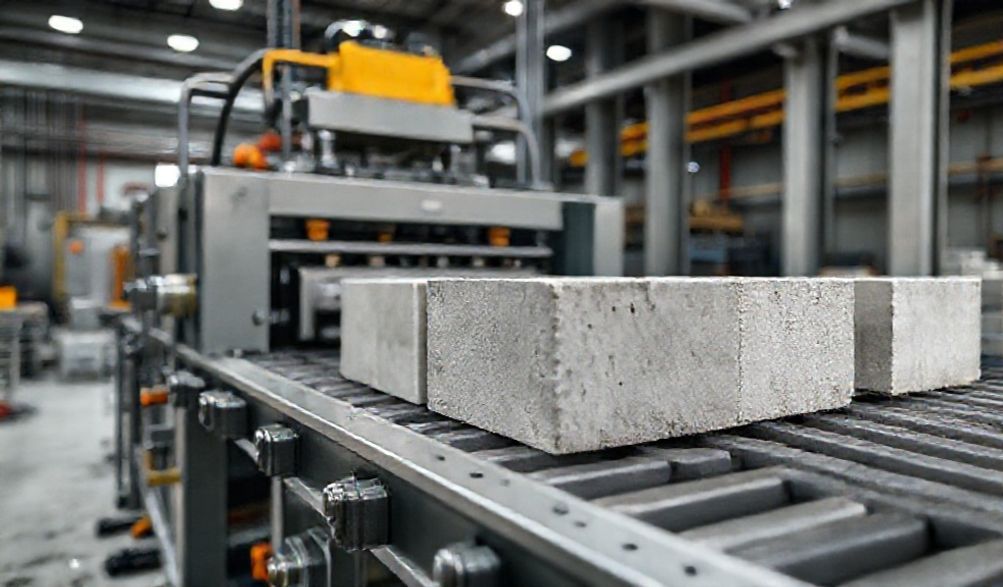
รายการราคาเครื่องทำบล็อกปี 2024: คู่มือผู้ซื้อฉบับครบถ้วน
การหาซื้อเครื่องอัดบล็อกอาจรู้สึกเหมือนกำลังไขรหัสลับ คุณจะเห็นราคาที่หลากหลายมากในโลกออนไลน์ ตั้งแต่ราคาต่ำจนน่าตกใจไปจนถึงราคาสูงจนแทบลืมหายใจ โดยแทบไม่มีคำอธิบายสำหรับความแตกต่างนี้ ความไม่สอดคล้องกันนี้ทำให้ผู้รับเหมาและผู้ประกอบการหลายคนรู้สึกไม่แน่ใจ กังวลว่าจะจ่ายเงินเกินมูลค่าหรือแย่กว่านั้นคือลงทุนในเครื่องจักรที่ทำงานไม่ได้ตามที่คาดหวัง หากคุณกำลังพยายามหาข้อสรุปเกี่ยวกับเครื่องจักรที่เชื่อถือได้รายการราคาเครื่องทำบล็อกคุณคงเคยประสบกับความหงุดหงิดนี้มาก่อนแน่นอน
คู่มือนี้จัดทำขึ้นเพื่อคลายความสับสน โดยมีวัตถุประสงค์เพื่อนำเสนอกรอบการทำงานที่โปร่งใสและขับเคลื่อนโดยผู้เชี่ยวชาญ ซึ่งก้าวข้ามการดูเพียงป้ายราคาแบบง่ายๆ เราจะวิเคราะห์ปัจจัยหลักที่กำหนดต้นทุน ตั้งแต่ประเภทของเครื่องจักรและระบบอัตโนมัติ ไปจนถึงค่าใช้จ่ายในการดำเนินงานที่มักถูกซ่อนเร้น โดยอ้างอิงมาตรฐานอุตสาหกรรมและข้อควรพิจารณาเชิงปฏิบัติในการซื้อ คุณจะได้เรียนรู้ไม่เพียงแค่ราคาของเครื่องจักร แต่ทำไมพวกเขามีราคาตามที่ควรเป็น ทำให้คุณสามารถประเมินมูลค่าที่แท้จริงและวางแผนงบประมาณได้อย่างมีประสิทธิภาพสำหรับโครงการเฉพาะของคุณ
ไม่ว่าคุณจะเป็นผู้รับเหมาเล็ก บริษัทผู้ผลิตบล็อกเริ่มต้น หรือบริษัทก่อสร้างที่ต้องการผลิตเองในองค์กร แหล่งข้อมูลที่ครอบคลุมนี้จะให้ความรู้ที่จำเป็นแก่คุณเพื่อการตัดสินใจลงทุนอย่างมั่นใจและรอบรู้
ทำความเข้าใจประเภทเครื่องทำบล็อกและช่วงราคาของพวกมัน
ขั้นตอนแรกในการทำความเข้าใจราคาคือการจัดประเภทเครื่องจักรเอง ระดับการทำงานอัตโนมัติและขนาดการผลิตที่ตั้งใจไว้เป็นตัวแบ่งแยกหลัก ซึ่งสร้างส่วนตลาดที่แตกต่างกันพร้อมกับช่วงราคาที่สอดคล้องกัน
เครื่องอัดบล็อกแบบมือถือและกึ่งอัตโนมัติ (การลงทุนระดับเริ่มต้น)
เครื่องจักรเหล่านี้เป็นจุดเริ่มต้นที่เข้าถึงได้ง่ายที่สุดในการผลิตบล็อก การดำเนินงานเกี่ยวข้องกับแรงงานคนอย่างมาก: การป้อนส่วนผสมคอนกรีต การเปิดใช้งานเครื่อง (มักผ่านคันโยกหรือปุ่ม) และการนำบล็อกที่แข็งตัวแล้วออกด้วยมือ
- กรณีการใช้งานที่เหมาะสม:เหมาะสำหรับโครงการขนาดเล็กมาก การก่อสร้างในชนบท ธุรกิจสตาร์ทอัพที่มีทุนจำกัด หรือการผลิตบล็อกเพื่อใช้ส่วนตัว ผลผลิตของพวกเขาวัดเป็นร้อยบล็อกต่อกะการทำงาน ไม่ใช่ต่อชั่วโมง
- ช่วงราคา: 1,000 – 15,000 ดอลลาร์
- อะไรที่ทำให้เกิดความแตกต่างช่วงราคาที่นี่กว้างมาก เครื่องอัดบล็อกคอนกรีตแบบใช้มือกดพื้นฐานรุ่นบล็อกเดียวสามารถมีราคาต่ำกว่า 2,000 ดอลลาร์ แต่เมื่อเปลี่ยนไปใช้รุ่นกึ่งอัตโนมัติที่มีความจุแม่พิมพ์ใหญ่ขึ้น (เช่น ผลิตได้ 4-6 บล็อกต่อรอบ) ระบบสั่นสะเทือนแบบกลไก และการทำงานที่คล่องตัวขึ้นเล็กน้อย ราคาก็จะเพิ่มขึ้นไปถึงช่วง 10,000-15,000 ดอลลาร์
เครื่องผลิตบล็อกอัตโนมัติแบบเต็มรูปแบบ (เครื่องจักรประสิทธิภาพสูงระดับกลาง)
หมวดหมู่นี้คือกระดูกสันหลังของลานบล็อกเชิงพาณิชย์ขนาดเล็กถึงกลาง เครื่องจักรเหล่านี้ใช้พลังงานไฟฟ้า มีสายพานลำเลียงสำหรับการขนถ่ายสินค้าอัตโนมัติ และมักมาพร้อมระบบควบคุมแบบโปรแกรมได้ (PLC) เพื่อการทำงานที่สม่ำเสมอ
- กรณีการใช้งานที่เหมาะสม:ออกแบบมาสำหรับธุรกิจที่มั่นคงซึ่งจัดหาตลาดการก่อสร้างในท้องถิ่น โดยเสนอความสมดุลที่แข็งแกร่งระหว่างผลผลิต (โดยทั่วไป 1,000 ถึง 5,000 บล็อกต่อกะ 8 ชั่วโมง) และระบบอัตโนมัติ ซึ่งต้องการการแทรกแซงด้วยมือเพียงเล็กน้อยนอกเหนือจากการตรวจสอบและการป้อนวัตถุดิบ
- ช่วงราคา: 25,000 – 100,000 ดอลลาร์
- อะไรที่ทำให้เกิดความแตกต่างปัจจัยสำคัญประกอบด้วยความสามารถในการผลิตต่อชั่วโมง ความซับซ้อนของระบบ PLC และระบบไฮดรอลิก จำนวนสถานีแม่พิมพ์ และชื่อเสียงของแบรนด์ เครื่องจักรที่ผลิตได้ 1,500 บล็อกต่อชั่วโมงจะอยู่ในระดับต่ำสุด ในขณะที่รุ่นที่มีความจุสูงพร้อมเทคโนโลยีการสั่นสะเทือนขั้นสูงและส่วนประกอบคุณภาพสูงจะมีราคาอยู่ใกล้กับระดับสูงสุดของช่วงนี้
เครื่องผลิตบล็อกปูพื้นเคลื่อนที่แบบอัตโนมัติเต็มรูปแบบ (โซลูชันประสิทธิภาพสูงระดับพรีเมียม)
หรือที่รู้จักกันในชื่อโรงงานผลิตบล็อก นี่คือโซลูชันระดับพรีเมียมสำหรับการผลิตขนาดใหญ่หรือการผลิตในสถานที่ ด้วยการติดตั้งบนรถพ่วง พวกมันสามารถขนส่งตรงไปยังสถานที่ก่อสร้างได้ ซึ่งช่วยลดต้นทุนการขนส่งบล็อกสำเร็จรูปได้ พวกมันมีระบบอัตโนมัติสูง มักจะมีระบบจัดการพาเลทด้วยหุ่นยนต์ ระบบผสมต่อเนื่อง และแผงควบคุมที่ทันสมัย
- กรณีการใช้งานที่เหมาะสม:โครงการโครงสร้างพื้นฐานขนาดใหญ่ ผู้ผลิตบล็อกพาณิชย์ปริมาณสูงมาก และสัญญาของรัฐบาลที่การผลิตในสถานที่เป็นข้อได้เปรียบเชิงกลยุทธ์ สามารถผลิตได้มากกว่า 10,000 บล็อกต่อวัน
- ช่วงราคา: 80,000 – 300,000+ ดอลลาร์
- อะไรที่ทำให้เกิดความแตกต่างขีดจำกัดบนนั้นแท้จริงแล้วคือ "ไม่มีขีดจำกัด" ราคาจะปรับตัวสูงขึ้นอย่างมากตามกำลังการผลิต การมีเครื่องผสมแบบบูรณาการ ระดับระบบอัตโนมัติหุ่นยนต์ และคุณภาพของโครงสร้างและชิ้นส่วน การกำหนดค่าที่ปรับแต่งเฉพาะสำหรับบล็อกประเภทต่างๆ ก็เพิ่มต้นทุนเช่นกัน
เครื่องจักรเฉพาะทาง: เครื่องผลิตบล็อกคอนกรีต, แผ่นปูพื้น, บล็อกประสาน
ผลิตภัณฑ์สุดท้ายมีอิทธิพลโดยตรงต่อการออกแบบเครื่องจักร แม้ว่าเครื่องจักรหลายชนิดจะมีความหลากหลายและสามารถเปลี่ยนแม่พิมพ์ได้ แต่บางเครื่องก็ถูกออกแบบมาเพื่อการผลิตผลิตภัณฑ์เฉพาะอย่างได้อย่างมีประสิทธิภาพสูงสุด
- เครื่องผลิตบล็อกคอนกรีต:ต้องใช้การออกแบบแม่พิมพ์และการสั่นสะเทือนที่แม่นยำเพื่อสร้างโพรงที่สม่ำเสมอ เครื่องจักรมาตรฐานมักสามารถผลิตได้ แต่ก็มีเครื่องจักรเฉพาะสำหรับผลิตบล็อกกลวงที่มีกำลังการผลิตสูง
- ผู้ผลิตแผ่นปูพื้นและบล็อคประสานสิ่งนี้ต้องการแรงอัดที่สูงขึ้นและการออกแบบแม่พิมพ์ที่ซับซ้อนมากขึ้น เพื่อสร้างพื้นผิวที่มีรายละเอียด หน้าเชื่อมประสาน และพื้นผิวที่มีลวดลาย การเชี่ยวชาญเฉพาะด้านนี้มักมาพร้อมกับ10-25% ส่วนต่างราคาเพิ่มเติมเนื่องจากต้องใช้วิศวกรรมที่ซับซ้อนกว่าและแม่พิมพ์เหล็กชุบแข็ง
ปัจจัยสำคัญที่กำหนดราคาเครื่องผลิตบล็อกคอนกรีต
Two machines with similar “blocks per hour” claims can have wildly different prices. Here’s a breakdown of the core engineering and commercial factors that explain why.
กำลังการผลิต (ก้อนต่อชั่วโมง)
This is the single most significant cost driver. Industry practice shows that price does not scale linearly with output; doubling the capacity often more than doubles the price. This is due to the need for a more powerful motor, a larger and more robust frame, higher-capacity hydraulic systems, and more sophisticated vibration tables.
| Approximate Capacity (Blocks/Hour)* | Typical Machine Type | General Price Implication |
| :— | :— | :— |
| 200 – 800 | Manual / Semi-Auto | Entry-Level ($1K – $15K) |
| 1,000 – 2,500 | Stationary Automatic | Mid-Range ($25K – $60K) |
| 3,000 – 6,000 | Stationary Automatic | High Mid-Range ($60K – $100K) |
| 8,000+ | Mobile Plant | Premium ($80K+) |
*Based on standard 8″ hollow block. Output varies by block type.
ระดับการทำงานอัตโนมัติและเทคโนโลยี
The journey from manual operation to full automation involves layers of technology, each adding cost but also efficiency and consistency.
* Manual Feed vs. Automatic Feed: An automated conveyor feeding the hopper reduces labor and improves mix consistency.
* ระบบควบคุม: A basic relay system is cheaper than a PLC (Programmable Logic Controller), but a PLC allows for precise control over vibration time, pressure, and cycle sequence, leading to higher quality blocks and easier troubleshooting.
* เทคโนโลยีการสั่นสะเทือน: The heart of compaction. Machines with multiple high-frequency vibrators (often mounted on the mold head และ the table) ensure denser, stronger blocks but are more expensive to manufacture.
Machine Build Quality & Component Branding
The adage “you get what you pay for” is profoundly true here. The quality of materials and components dictates longevity and reliability.
* โครงสร้างและโครงสร้างเหล็ก Heavy-duty, reinforced steel withstands the constant stress of vibration and pressure far better than lighter-gauge materials.
* ระบบไฮดรอลิก A machine using imported pumps and valves from brands like Bosch Rexroth or Kawasaki will be more expensive than one using generic or local hydraulic parts. The premium buys smoother operation, precise pressure control, and much greater durability.
* Motors & Electricals: Reputable brands (e.g., Siemens, ABB) for motors and electrical components reduce the risk of failure and are often more energy-efficient.
ชื่อเสียงของแบรนด์และการสนับสนุนหลังการขาย
An established brand with a global or strong regional presence commands a higher price. This premium is not just for the name; it’s for risk mitigation. It covers:
* Proven Engineering: A track record of reliable machines.
* การรับประกัน: A meaningful, enforceable warranty.
* ความพร้อมของอะไหล่ Quick access to genuine parts, minimizing downtime.
* ฝ่ายสนับสนุนทางเทคนิค Access to engineers who can help with setup, maintenance, and troubleshooting.
Investing in a reputable brand is essentially buying insurance for your business’s productivity.
Beyond the Sticker Price: Calculating Your Total Investment
The invoice from the manufacturer is just the beginning. A realistic budget accounts for the total cost of ownership (TCO). Based on buyer reports and industry experience, failing to plan for these expenses is a common pitfall.
Hidden Costs to Budget For
These are one-time or initial costs that can add 15-40% to your base machine price.
* Shipping, Customs, and Insurance: For international purchases, freight (FOB vs. CIF), import duties, taxes, and insurance can be substantial. Always get a clear “landed cost” quote.
* Foundation & Installation: Most stationary machines require a solid, level concrete foundation. Mobile plants need a prepared, stable site. Factor in civil work costs.
* Power Setup: Most automatic machines require a robust, three-phase electrical supply. Upgrading your facility’s electrical panel or running new lines is a significant cost.
* Initial Raw Material Stock: You’ll need to purchase cement, aggregates, and pigments to begin production.
Operational Costs & ROI Considerations
Your ongoing expenses directly impact profitability.
* แรงงาน Even automatic machines require operators, maintenance personnel, and material handlers.
* การบำรุงรักษาและอะไหล่ Regular servicing and a budget for wear items (mold liners, hydraulic seals, vibrator motors) are essential.
* Mold Changes: Additional molds for different block types are a capital expense.
* Calculating ROI: A simple framework: Estimate your monthly production volume. Subtract your total monthly costs (raw materials, labor, power, machine depreciation, maintenance). Compare the net profit to your total initial investment. A quality machine for a stable market should typically aim for an ROI period of 1.5 to 3 years.
ต้นทุนที่แท้จริงของเครื่องจักร "ราคาถูก"
The allure of a low upfront price is strong, but the long-term economics are often poor. The true cost of a cheap machine may include:
* การขัดข้องบ่อยครั้ง Low-quality components fail, leading to costly production halts.
* Poor After-Sales Service: Getting support or spare parts becomes a nightmare.
* Low-Quality Blocks: Inconsistent vibration or pressure produces weak or misshapen blocks you cannot sell.
* อันตรายด้านความปลอดภัย: Compromised build quality can pose risks to operators.
* Higher Long-Term Cost: When you factor in lost production, repair bills, and early replacement, the “cheap” machine often becomes the most expensive option.
How to Get an Accurate Quote & Negotiate Effectively
Approaching suppliers with clarity puts you in a position of strength and ensures you get comparable, meaningful quotes.
Preparing Your Requirements for Suppliers
Create a brief specification sheet to send to potential suppliers:
* Desired block type(s) and dimensions.
* Target daily or monthly output (in blocks).
* Available factory space and ceiling height.
* Available power supply (Voltage, Phase).
* Preferred level of automation.
* Your overall budget range (be realistic).
Evaluating Quotes: A Comparison Checklist
Don’t just compare the bottom-line price. Create a spreadsheet to compare:
* Technical Specifications: Capacity (verify block type), motor power, vibration frequency.
* Inclusions: How many molds are included? Is the control panel in your language? Are spare parts kits offered?
* การรับประกัน: Duration and what it covers (parts, labor, travel?).
* Delivery & Payment Terms: FOB Port? CIF Your Port? Payment schedule?
* การสนับสนุนหลังการขาย: Is installation supervision or operator training included?
Smart Questions to Ask Before You Buy
- “Can you provide contact information for 2-3 customers in my region who have purchased a similar model in the last 2 years?”
- “What is the guaranteed lead time for critical spare parts (like a hydraulic pump or main vibrator motor)?”
- “Do you have a service technician who can travel to my country if needed, and what are those terms?”
- “Can the machine be easily upgraded in the future (e.g., adding an automatic feeder)?”
FAQ: Block Making Machine Price List
Q1: What is the cheapest block making machine available?
ก Small, manual block presses can be found for as low as $1,000 to $3,000. However, it’s critical to understand their severe limitations in output and labor requirement. They are only “cheap” if your production needs are extremely minimal. Always prioritize a machine that is “fit for purpose” over the absolute lowest price.
Q2: How much does a fully automatic block making machine cost?
ก As detailed in the guide, “fully automatic” covers a broad spectrum. A stationary model for a small business can start around $25,000, while high-output mobile plants begin around $80,000 and can exceed $300,000. The final price is entirely dependent on your required production capacity and feature set.
Q3: Are used block making machines a good option to save money?
ก They can be, but caution is paramount. A used machine is only a good deal if it comes from a known brand, has a verifiable service history, and you can confirm the ongoing availability of spare parts. Factor in the cost of a thorough inspection by a mechanic and potential refurbishment. The risk of buying someone else’s problem is high.
Q4: Does the price include molds and installation?
ก This varies drastically by supplier. Some quotes are for the base machine only; others include a set of standard molds. Installation is rarely included for international sales but may be offered as a paid service. Always, always clarify what is included in the quoted price (FOB, EXW, CIF) and request a detailed breakdown in writing.
Q5: Which brand offers the best value for money?
ก Rather than naming one brand, we advise a strategic approach. The best value comes from a supplier that demonstrates transparency, has verifiable customer testimonials for your region, and offers a strong balance of three things: 1) Machine specifications that meet (not vastly exceed) your needs, 2) A fair price for those specs, and 3) Reliable after-sales support accessible to you. Focus on finding that balance.
สรุป
Navigating the รายการราคาเครื่องทำบล็อก requires looking beyond the initial number. As we’ve explored, the final price is a direct reflection of machine type, production capacity, level of automation, and the quality of its components and support network. Remember, you are not just purchasing a piece of equipment; you are making a capital investment in the productivity and future of your business.
Therefore, the most trustworthy advice we can offer is this: shift your focus from seeking the lowest price to understanding the lowest total cost of ownership. A slightly higher initial investment in a reliable machine from a reputable supplier will almost always yield greater profitability and less stress over its lifespan.
Use this guide as your framework. Prepare your project specifications, consult with multiple suppliers using the checklist provided, and ask the hard questions about support and service. By doing so, you’ll move forward with the confidence needed to make an informed decision that fuels your business growth for years to come.
<