
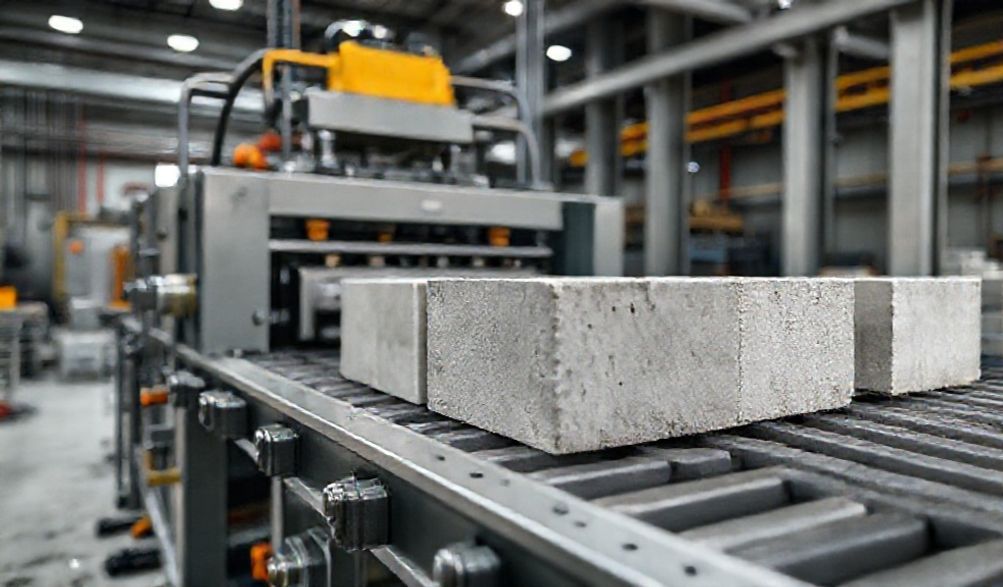
Список цен на станки для производства блоков 2024: Полное руководство для покупателей
Навигация на рынке станков для производства блоков может ощущаться как расшифровка секретного кода. В интернете вы видите огромный разброс цен — от шокирующе низких до заоблачно высоких — без какого-либо объяснения причин такого различия. Эта неоднозначность заставляет многих подрядчиков и предпринимателей чувствовать неуверенность, беспокоясь о переплате или, что еще хуже, о вложениях в оборудование, которое не оправдает ожиданий. Если вы пытаетесь определиться с надежнымСписок цен на машины для производства блоковВы, вероятно, сталкивались с этим разочарованием.
Это руководство создано, чтобы развеять путаницу. Наша цель — предложить прозрачную, экспертную систему оценки, выходящую за рамки простых ценников. Мы проанализируем ключевые факторы, определяющие стоимость: от типа оборудования и уровня автоматизации до скрытых эксплуатационных расходов, опираясь на отраслевые стандарты и практические аспекты покупки. Вы узнаете не только, сколько стоят машины, но ипочемуони стоят столько, сколько стоят, что позволяет вам оценить истинную ценность и эффективно спланировать бюджет для вашего конкретного проекта.
Будь вы небольшим подрядчиком, начинающим производителем блоков или строительной компанией, стремящейся наладить собственное производство, это исчерпывающее руководство предоставит вам знания для уверенного и обоснованного вложения средств.
Понимание типов станков для производства блоков и их ценовых диапазонов
Первый шаг к пониманию цены — это классификация самих машин. Уровень автоматизации и планируемый масштаб производства являются основными критериями, формирующими отдельные рыночные сегменты с соответствующими ценовыми категориями.
Ручные и полуавтоматические станки для производства блоков (инвестиции начального уровня)
Эти машины представляют собой наиболее доступный способ начать производство блоков. Работа требует значительного ручного труда: загрузка бетонной смеси, запуск машины (часто с помощью рычага или кнопки) и ручное извлечение готовых блоков.
- Идеальный сценарий использования:Идеально подходит для очень небольших проектов, сельского строительства, стартапов с ограниченным капиталом или производства блоков для личного использования. Их производительность измеряется сотнями блоков за смену, а не в час.
- Диапазон цен: 1000 – 15 000 долларов
- Что вызывает отклонение?Диапазон цен здесь широк. Базовая ручная пресс-форма для одного блока может стоить менее 2000 долларов. По мере перехода к полуавтоматическим моделям с большей вместимостью форм (например, 4-6 блоков за цикл), механическими системами вибрации и несколько более оптимизированной работой цены поднимаются до отметки в 10 000–15 000 долларов.
Полностью автоматические стационарные машины для производства блоков (средний класс рабочих лошадок)
Эта категория является основой для небольших и средних коммерческих площадок по производству блоков. Эти машины работают на электричестве, оснащены конвейерными лентами для автоматической выгрузки продукции и часто имеют программируемые логические контроллеры (ПЛК) для обеспечения стабильной работы.
- Идеальный сценарий использования:Разработаны для устоявшихся предприятий, поставляющих продукцию на местные строительные рынки. Они обеспечивают оптимальное сочетание производительности (обычно от 1000 до 5000 блоков за 8-часовую смену) и автоматизации, требуя минимального ручного вмешательства, за исключением контроля и подачи сырья.
- Диапазон цен: 25 000 – 100 000 долларов
- Что вызывает отклонение?Ключевыми факторами являются производительность в час, сложность систем ПЛК и гидравлики, количество формовальных станций и репутация бренда. Машина, производящая 1 500 блоков в час, окажется на нижней границе ценового диапазона, тогда как высокопроизводительная модель с передовой технологией вибрации и премиальными компонентами будет стоить ближе к его верхней границе.
Полностью автоматические мобильные машины для производства блоков (Премиальные решения с высокой производительностью)
Также известные как передвижные заводы по производству блоков, эти установки представляют собой премиальные решения для крупномасштабного или строительно-площадочного производства. Смонтированные на прицепе, они могут быть доставлены непосредственно на объект, что исключает затраты на транспортировку готовых блоков. Они обладают высокой степенью автоматизации, часто оснащены роботизированной системой обработки поддонов, непрерывными смесительными системами и сложными панелями управления.
- Идеальный сценарий использования:Крупные инфраструктурные проекты, производители коммерческих блоков очень большого объема и государственные контракты, где производство на месте является стратегическим преимуществом. Выпуск продукции может превышать 10 000 блоков в день.
- Диапазон цен: 80 000 – 300 000+ долларов
- Что вызывает отклонение?Верхний предел практически неограничен. Цена значительно возрастает в зависимости от производительности, наличия встроенного смесителя, уровня роботизированной автоматизации, а также качества шасси и компонентов. Индивидуальные конфигурации для конкретных типов блоков также увеличивают стоимость.
Специализированные машины: Производители пустотелых блоков, тротуарной плитки и блоков с замковым соединением
Конечный продукт напрямую влияет на конструкцию машины. Хотя многие машины универсальны и оснащены сменными формами, некоторые разработаны для оптимального производства конкретного изделия.
- Машины для производства пустотелых блоков:Требуется точное проектирование формы и вибрации для формирования однородных полостей. Их часто можно производить на стандартных машинах, но существуют и специализированные машины для высокопроизводительного производства пустотелых блоков.
- Производители тротуарной плитки и брусчатки:Они требуют более высокого давления уплотнения и более сложных конструкций пресс-форм для создания детализированных замыкающих поверхностей и текстур. Такая специализация часто влечет за собойНаценка в размере 10-25%из-за более сложной инженерии и необходимости использования форм из закаленной стали по сравнению со стандартной блочной машиной аналогичной производительности.
决定砖机价格的关键因素
Две машины с похожими заявленными показателями «блоков в час» могут иметь кардинально разные цены. Ниже приводится разбор ключевых инженерных и коммерческих факторов, объясняющих почему.
Производственная мощность (блоков в час)
Это единственный наиболее значимый фактор, определяющий затраты. Практика отрасли показывает, что цена не растёт линейно с увеличением производительности; удвоение мощности часто приводит к более чем двукратному росту цены. Это связано с необходимостью установки более мощного двигателя, более крупной и прочной рамы, гидравлических систем повышенной ёмкости и более сложных вибрационных столов.
| Примерная производительность (блоков/час)* | Тип типичной машины | Общая ценовая характеристика |
| :— | :— | :— |
| 200 – 800 | Ручной / Полуавтоматический | Начальный уровень ($1K – $15K) |
| 1,000 – 2,500 | Стационарный автоматический | Средний диапазон ($25 000 – $60 000) |
| 3,000 – 6,000 | Стационарный автоматический | Высокий средний сегмент ($60K – $100K) |
| 8,000+ | Mobile Plant | Premium ($80K+) |
*Based on standard 8″ hollow block. Output varies by block type.
Уровень автоматизации и технологий
The journey from manual operation to full automation involves layers of technology, each adding cost but also efficiency and consistency.
* Manual Feed vs. Automatic Feed: An automated conveyor feeding the hopper reduces labor and improves mix consistency.
* Системы управления: A basic relay system is cheaper than a PLC (Programmable Logic Controller), but a PLC allows for precise control over vibration time, pressure, and cycle sequence, leading to higher quality blocks and easier troubleshooting.
* Технология вибраций: The heart of compaction. Machines with multiple high-frequency vibrators (often mounted on the mold head и the table) ensure denser, stronger blocks but are more expensive to manufacture.
Machine Build Quality & Component Branding
The adage “you get what you pay for” is profoundly true here. The quality of materials and components dictates longevity and reliability.
* Стальной каркас и конструкция: Heavy-duty, reinforced steel withstands the constant stress of vibration and pressure far better than lighter-gauge materials.
* Гидравлические системы: A machine using imported pumps and valves from brands like Bosch Rexroth or Kawasaki will be more expensive than one using generic or local hydraulic parts. The premium buys smoother operation, precise pressure control, and much greater durability.
* Motors & Electricals: Reputable brands (e.g., Siemens, ABB) for motors and electrical components reduce the risk of failure and are often more energy-efficient.
Репутация бренда и послепродажная поддержка
An established brand with a global or strong regional presence commands a higher price. This premium is not just for the name; it’s for risk mitigation. It covers:
* Proven Engineering: A track record of reliable machines.
* Гарантия: A meaningful, enforceable warranty.
* Наличие запасных частей: Quick access to genuine parts, minimizing downtime.
* Техническая поддержка Access to engineers who can help with setup, maintenance, and troubleshooting.
Investing in a reputable brand is essentially buying insurance for your business’s productivity.
Beyond the Sticker Price: Calculating Your Total Investment
The invoice from the manufacturer is just the beginning. A realistic budget accounts for the total cost of ownership (TCO). Based on buyer reports and industry experience, failing to plan for these expenses is a common pitfall.
Hidden Costs to Budget For
These are one-time or initial costs that can add 15-40% to your base machine price.
* Shipping, Customs, and Insurance: For international purchases, freight (FOB vs. CIF), import duties, taxes, and insurance can be substantial. Always get a clear “landed cost” quote.
* Foundation & Installation: Most stationary machines require a solid, level concrete foundation. Mobile plants need a prepared, stable site. Factor in civil work costs.
* Power Setup: Most automatic machines require a robust, three-phase electrical supply. Upgrading your facility’s electrical panel or running new lines is a significant cost.
* Initial Raw Material Stock: You’ll need to purchase cement, aggregates, and pigments to begin production.
Operational Costs & ROI Considerations
Your ongoing expenses directly impact profitability.
* Труд: Even automatic machines require operators, maintenance personnel, and material handlers.
* Техническое обслуживание и запасные части: Regular servicing and a budget for wear items (mold liners, hydraulic seals, vibrator motors) are essential.
* Mold Changes: Additional molds for different block types are a capital expense.
* Расчет рентабельности инвестиций: A simple framework: Estimate your monthly production volume. Subtract your total monthly costs (raw materials, labor, power, machine depreciation, maintenance). Compare the net profit to your total initial investment. A quality machine for a stable market should typically aim for an ROI period of 1.5 to 3 years.
Истинная цена «дешёвой» машины
The allure of a low upfront price is strong, but the long-term economics are often poor. The true cost of a cheap machine may include:
* Частые поломки: Low-quality components fail, leading to costly production halts.
* Плохое послепродажное обслуживание: Getting support or spare parts becomes a nightmare.
* Low-Quality Blocks: Inconsistent vibration or pressure produces weak or misshapen blocks you cannot sell.
* Опасности для безопасности: Compromised build quality can pose risks to operators.
* Higher Long-Term Cost: When you factor in lost production, repair bills, and early replacement, the “cheap” machine often becomes the most expensive option.
How to Get an Accurate Quote & Negotiate Effectively
Approaching suppliers with clarity puts you in a position of strength and ensures you get comparable, meaningful quotes.
Preparing Your Requirements for Suppliers
Create a brief specification sheet to send to potential suppliers:
* Desired block type(s) and dimensions.
* Target daily or monthly output (in blocks).
* Available factory space and ceiling height.
* Available power supply (Voltage, Phase).
* Preferred level of automation.
* Your overall budget range (be realistic).
Evaluating Quotes: A Comparison Checklist
Don’t just compare the bottom-line price. Create a spreadsheet to compare:
* Technical Specifications: Capacity (verify block type), motor power, vibration frequency.
* Inclusions: How many molds are included? Is the control panel in your language? Are spare parts kits offered?
* Гарантия: Duration and what it covers (parts, labor, travel?).
* Delivery & Payment Terms: FOB Port? CIF Your Port? Payment schedule?
* Послепродажная поддержка: Is installation supervision or operator training included?
Smart Questions to Ask Before You Buy
- “Can you provide contact information for 2-3 customers in my region who have purchased a similar model in the last 2 years?”
- “What is the guaranteed lead time for critical spare parts (like a hydraulic pump or main vibrator motor)?”
- “Do you have a service technician who can travel to my country if needed, and what are those terms?”
- “Can the machine be easily upgraded in the future (e.g., adding an automatic feeder)?”
FAQ: Block Making Machine Price List
Q1: What is the cheapest block making machine available?
А: Small, manual block presses can be found for as low as $1,000 to $3,000. However, it’s critical to understand their severe limitations in output and labor requirement. They are only “cheap” if your production needs are extremely minimal. Always prioritize a machine that is “fit for purpose” over the absolute lowest price.
Q2: How much does a fully automatic block making machine cost?
А: As detailed in the guide, “fully automatic” covers a broad spectrum. A stationary model for a small business can start around $25,000, while high-output mobile plants begin around $80,000 and can exceed $300,000. The final price is entirely dependent on your required production capacity and feature set.
Q3: Are used block making machines a good option to save money?
А: They can be, but caution is paramount. A used machine is only a good deal if it comes from a known brand, has a verifiable service history, and you can confirm the ongoing availability of spare parts. Factor in the cost of a thorough inspection by a mechanic and potential refurbishment. The risk of buying someone else’s problem is high.
Q4: Does the price include molds and installation?
А: This varies drastically by supplier. Some quotes are for the base machine only; others include a set of standard molds. Installation is rarely included for international sales but may be offered as a paid service. Always, always clarify what is included in the quoted price (FOB, EXW, CIF) and request a detailed breakdown in writing.
Q5: Which brand offers the best value for money?
А: Rather than naming one brand, we advise a strategic approach. The best value comes from a supplier that demonstrates transparency, has verifiable customer testimonials for your region, and offers a strong balance of three things: 1) Machine specifications that meet (not vastly exceed) your needs, 2) A fair price for those specs, and 3) Reliable after-sales support accessible to you. Focus on finding that balance.
Заключение
Navigating the Список цен на машины для производства блоков requires looking beyond the initial number. As we’ve explored, the final price is a direct reflection of machine type, production capacity, level of automation, and the quality of its components and support network. Remember, you are not just purchasing a piece of equipment; you are making a capital investment in the productivity and future of your business.
Therefore, the most trustworthy advice we can offer is this: shift your focus from seeking the lowest price to understanding the lowest total cost of ownership. A slightly higher initial investment in a reliable machine from a reputable supplier will almost always yield greater profitability and less stress over its lifespan.
Use this guide as your framework. Prepare your project specifications, consult with multiple suppliers using the checklist provided, and ask the hard questions about support and service. By doing so, you’ll move forward with the confidence needed to make an informed decision that fuels your business growth for years to come.
<