
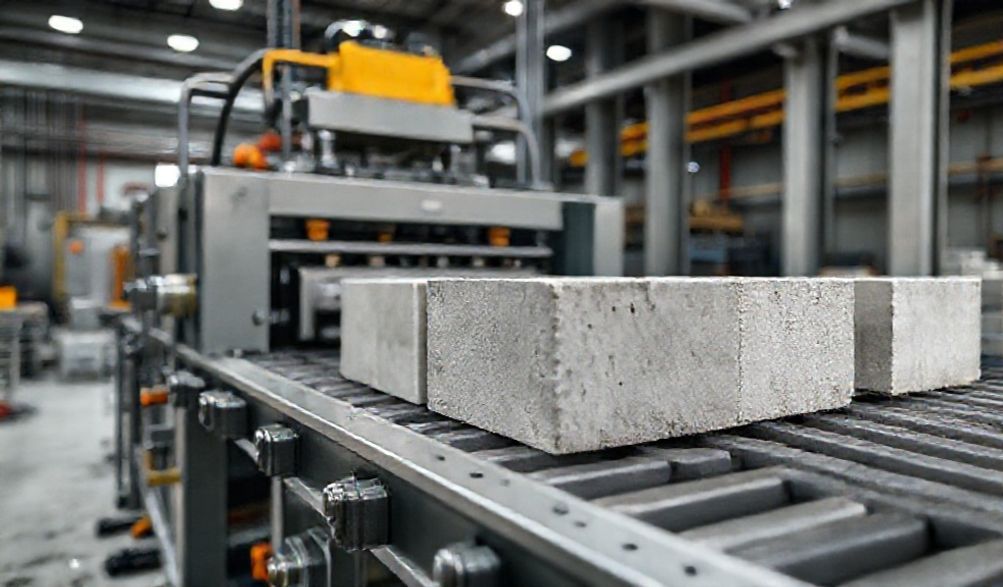
Listahan ng Presyo ng Makina sa Paggawa ng Bloke 2024: Isang Komprehensibong Gabay para sa Mamimili
Ang paghahanap ng tamang makina para sa paggawa ng bloke sa merkado ay maaaring parang pagbibigay-kahulugan sa isang lihim na kodigo. Makakakita ka ng malawak na hanay ng mga presyo online—mula sa nakakagulat na mura hanggang sa nakapupungang mahal—na halos walang paliwanag para sa pagkakaiba-iba. Ang hindi pagkakapare-parehong ito ay nag-iiwan sa maraming kontratista at negosyante ng pakiramdam ng kawalan ng katiyakan, nag-aalala na sila ay magbabayad nang sobra o, mas malala pa, mamuhunan sa isang makina na hindi naman pala magiging epektibo. Kung ikaw ay nagsisikap na makahanap ng isang maaasahang...Listahan ng mga presyo ng makina ng paggawa ng blokemalamang na naranasan mo na ang ganitong pagkabigo.
Ang gabay na ito ay idinisenyo upang malutas ang kalituhan. Ang layunin namin ay magbigay ng isang malinaw, eksperto-angkin na balangkas na lumalampas sa simpleng presyo. Susuriin namin ang mga pangunahing salik na nagtatakda ng gastos, mula sa uri ng makina at awtomasyon hanggang sa mga nakatagong gastos sa operasyon, batay sa mga pamantayan ng industriya at praktikal na pagsasaalang-alang sa pagbili. Matututuhan mo hindi lamang kung magkano ang mga makina, kundibakitNagkakahalaga sila ng kanilang halaga, na nagbibigay sa iyo ng kakayahang masuri ang tunay na halaga at maglaan ng badyet nang epektibo para sa iyong partikular na proyekto.
Kung ikaw ay isang maliit na kontratista, isang bagong pasimulang tagagawa ng bloke, o isang kumpanyang pangkonstruksyon na nais gawing in-house ang produksyon, ang komprehensibong gabay na ito ay magbibigay sa iyo ng kaalaman para makagawa ng tiwala at maalam na pamumuhunan.
Pag-unawa sa Mga Uri ng Makina ng Paggawa ng Bloke at Kanilang Mga Saklaw ng Presyo
Ang unang hakbang sa pag-unawa sa presyo ay ang pag-uuri ng mga makina mismo. Ang antas ng awtomasyon at nilalayong saklaw ng produksyon ang pangunahing mga tagapag-iba, na lumilikha ng magkakaibang mga segmento ng merkado na may katumbas na mga bracket ng presyo.
Manual at Semi-Automatic na Block Machines (Pang-umpisang Pamumuhunan)
Ang mga makinaryang ito ang pinakamadaling pasukang daan sa paggawa ng bloke. Ang operasyon ay nangangailangan ng malaking manual na paggawa: paglalagay ng kongkretong timpla, pagpapagana ng makina (karaniwan sa pamamagitan ng lever o buton), at manwal na pag-aalis ng mga tuyo nang bloke.
- Ideyal na Kaso ng Paggamit:Angkop para sa napakaliit na proyekto, konstruksyon sa kanayunan, mga startup na may limitadong puhunan, o paggawa ng mga bloke para sa pansariling gamit. Ang kanilang produksyon ay sinusukat sa daan-daang bloke bawat turno, hindi bawat oras.
- Saklaw ng Presyo: $1,000 – $15,000
- Ano ang Nagtutulak sa Pagkakaiba-iba?Malawak ang hanay ng presyo dito. Ang isang pangunahing, manu-manong pindutang pang-isang bloke ay maaaring mas mababa sa $2,000. Habang tumataas ang kapasidad ng hulma (hal., 4-6 na bloke bawat ikot), may mga sistemang mekanikal na pagyanig, at mas maayos na operasyon sa mga modelo ng semi-awtomatiko, umaakyat ang mga presyo sa hanay na $10,000-$15,000.
Ganap na Awtomatikong Makina sa Paggawa ng Bloke (Mid-Range Workhorses)
Ang kategoryang ito ang haligi ng maliliit hanggang katamtamang sukat ng mga komersyal na bakuran ng bloke. Ang mga makinaryang ito ay pinapagana ng kuryente, nagsasama ng mga conveyor belt para sa awtomatikong paglabas ng produkto, at kadalasang may mga programmable logic controller (PLC) system para sa tuluy-tuloy na operasyon.
- Ideyal na Kaso ng Paggamit:Idinisenyo para sa mga naitatag na negosyo na nagbibigay sa mga lokal na pamilihan ng konstruksiyon. Nag-aalok ang mga ito ng matatag na balanse sa pagitan ng produksiyon (karaniwan ay 1,000 hanggang 5,000 bloke bawat 8-oras na turno) at awtomasyon, na nangangailangan ng kaunting paggabay ng tao bukod sa pagmamanman at paghahain ng hilaw na materyales.
- Saklaw ng Presyo: $25,000 – $100,000
- Ano ang Nagtutulak sa Pagkakaiba-iba?Kabilang sa mga pangunahing salik ang kapasidad sa produksyon kada oras, ang sopistikasyon ng mga sistema ng PLC at haydroliko, ang bilang ng mga estasyon ng molde, at ang reputasyon ng tatak. Ang isang makina na nakagagawa ng 1,500 bloke kada oras ay nasa mas mababang dulo, samantalang ang isang modelo na may mataas na kapasidad na may advanced na teknolohiya ng bibrasyon at mga de-kalidad na komponente ay magkakaroon ng presyo na malapit sa pinakamataas ng saklaw na ito.
Ganap na Awtomatikong Makina sa Paggawa ng Mobile Block (Mga Premium na Solusyon na Mataas ang Produksyon)
Kilala rin bilang mga halaman ng paggawa ng bloke, ang mga ito ay ang pangunahing solusyon para sa malawakang o on-site na produksyon. Nakakabit sa isang trailer, maaari itong direktang dalhin sa isang konstruksiyon site, na nag-aalis ng mga gastos sa transportasyon para sa mga tapos na bloke. Lubha ang mga itong awtomatiko, kadalasang may robotikong paghawak ng pallet, tuloy-tuloy na sistema ng paghahalo, at sopistikadong mga panel ng kontrol.
- Ideyal na Kaso ng Paggamit:Malalaking proyekto ng imprastruktura, mga tagagawa ng bloke na may napakataas na dami ng produksyon para sa komersiyo, at mga kontrata ng gobyerno kung saan ang produksyon sa mismong lugar ay isang estratehikong pakinabang. Ang output ay maaaring lumampas sa 10,000 bloke bawat araw.
- Saklaw ng Presyo: $80,000 – $300,000+
- Ano ang Nagtutulak sa Pagkakaiba-iba?Ang pinakamataas na halaga ay talagang "walang hangganan." Ang presyo ay tumataas nang malaki ayon sa kapasidad ng produksyon, ang pagkakaroon ng integradong panghalo, ang antas ng awtomasyong robotiko, at ang kalidad ng tsasis at mga sangkap. Ang mga pasadyang pagsasaayos para sa partikular na uri ng bloke ay nagdaragdag din sa gastos.
Mga Dalubhasang Makina: Mga Tagagawa ng Hollow Block, Paver, at Interlocking Block
Ang panghuling produkto ay direktang nakakaimpluwensya sa disenyo ng makina. Bagama't maraming makina ay maraming gamit na may mapapalitang mga molde, ang ilan ay dinisenyo para sa pinakamainam na produksyon ng isang tiyak na produkto.
- Mga Makina ng Hollow Block:Nangangailangan ng tumpak na disenyo ng hulma at panginginig upang makabuo ng magkakatulad na mga lukab. Karaniwang nagagawa ito ng mga karaniwang makina, ngunit mayroon ding mga espesyalisadong makina para sa mataas na produksyon ng mga blokeng may butas.
- Mga Tagagawa ng Paver at Interlocking Block:Ang mga ito ay nangangailangan ng mas mataas na presyon ng pagpapatigas at mas masalimuot na disenyo ng hulma upang makalikha ng detalyado, magkakabit na mga mukha at teksturang ibabaw. Ang pagdadalubhasang ito ay kadalasang may kasamang10-25% na premium sa presyodahil sa mas kumplikadong inhinyeriya at mga molde na gawa sa pinatigas na bakal na kinakailangan.
Key Factors That Determine Block Machine Pricing
Two machines with similar “blocks per hour” claims can have wildly different prices. Here’s a breakdown of the core engineering and commercial factors that explain why.
Kapasidad sa Produksiyon (Bloke Bawat Oras)
This is the single most significant cost driver. Industry practice shows that price does not scale linearly with output; doubling the capacity often more than doubles the price. This is due to the need for a more powerful motor, a larger and more robust frame, higher-capacity hydraulic systems, and more sophisticated vibration tables.
| Approximate Capacity (Blocks/Hour)* | Typical Machine Type | General Price Implication |
| :— | :— | :— |
| 200 – 800 | Manual / Semi-Auto | Entry-Level ($1K – $15K) |
| 1,000 – 2,500 | Stationary Automatic | Mid-Range ($25K – $60K) |
| 3,000 – 6,000 | Stationary Automatic | High Mid-Range ($60K – $100K) |
| 8,000+ | Mobile Plant | Premium ($80K+) |
*Based on standard 8″ hollow block. Output varies by block type.
Antas ng Automasyon at Teknolohiya
The journey from manual operation to full automation involves layers of technology, each adding cost but also efficiency and consistency.
* Manual Feed vs. Automatic Feed: An automated conveyor feeding the hopper reduces labor and improves mix consistency.
* Sistemang Pang-kontrol: A basic relay system is cheaper than a PLC (Programmable Logic Controller), but a PLC allows for precise control over vibration time, pressure, and cycle sequence, leading to higher quality blocks and easier troubleshooting.
* Teknolohiya ng Pagyanig: The heart of compaction. Machines with multiple high-frequency vibrators (often mounted on the mold head at the table) ensure denser, stronger blocks but are more expensive to manufacture.
Machine Build Quality & Component Branding
The adage “you get what you pay for” is profoundly true here. The quality of materials and components dictates longevity and reliability.
* Balangkas at Estruktura ng Bakal: Heavy-duty, reinforced steel withstands the constant stress of vibration and pressure far better than lighter-gauge materials.
* Mga Sistema ng Haydroliko: A machine using imported pumps and valves from brands like Bosch Rexroth or Kawasaki will be more expensive than one using generic or local hydraulic parts. The premium buys smoother operation, precise pressure control, and much greater durability.
* Motors & Electricals: Reputable brands (e.g., Siemens, ABB) for motors and electrical components reduce the risk of failure and are often more energy-efficient.
Reputasyon ng Brand & Suporta Pagkatapos ng Benta
An established brand with a global or strong regional presence commands a higher price. This premium is not just for the name; it’s for risk mitigation. It covers:
* Proven Engineering: A track record of reliable machines.
* Garantiya: A meaningful, enforceable warranty.
* Kagamitan sa Pagkukumpuni: Quick access to genuine parts, minimizing downtime.
* Suportang Teknikal: Access to engineers who can help with setup, maintenance, and troubleshooting.
Investing in a reputable brand is essentially buying insurance for your business’s productivity.
Higit pa sa Nakadikit na Presyo: Pagkalkula ng Iyong Kabuuang Pamumuhunan
The invoice from the manufacturer is just the beginning. A realistic budget accounts for the total cost of ownership (TCO). Based on buyer reports and industry experience, failing to plan for these expenses is a common pitfall.
Hidden Costs to Budget For
These are one-time or initial costs that can add 15-40% to your base machine price.
* Shipping, Customs, and Insurance: For international purchases, freight (FOB vs. CIF), import duties, taxes, and insurance can be substantial. Always get a clear “landed cost” quote.
* Foundation & Installation: Most stationary machines require a solid, level concrete foundation. Mobile plants need a prepared, stable site. Factor in civil work costs.
* Power Setup: Most automatic machines require a robust, three-phase electrical supply. Upgrading your facility’s electrical panel or running new lines is a significant cost.
* Paunang Stock ng Hilaw na Materyales: You’ll need to purchase cement, aggregates, and pigments to begin production.
Operational Costs & ROI Considerations
Your ongoing expenses directly impact profitability.
* Paggawa: Even automatic machines require operators, maintenance personnel, and material handlers.
* Maintenance & Spare Parts: Regular servicing and a budget for wear items (mold liners, hydraulic seals, vibrator motors) are essential.
* Mold Changes: Additional molds for different block types are a capital expense.
* Calculating ROI: A simple framework: Estimate your monthly production volume. Subtract your total monthly costs (raw materials, labor, power, machine depreciation, maintenance). Compare the net profit to your total initial investment. A quality machine for a stable market should typically aim for an ROI period of 1.5 to 3 years.
Ang Tunay na Halaga ng isang "Mura" na Makina
The allure of a low upfront price is strong, but the long-term economics are often poor. The true cost of a cheap machine may include:
* Madalas na Pagkasira: Low-quality components fail, leading to costly production halts.
* Poor After-Sales Service: Getting support or spare parts becomes a nightmare.
* Low-Quality Blocks: Inconsistent vibration or pressure produces weak or misshapen blocks you cannot sell.
* Safety Hazards: Compromised build quality can pose risks to operators.
* Higher Long-Term Cost: When you factor in lost production, repair bills, and early replacement, the “cheap” machine often becomes the most expensive option.
How to Get an Accurate Quote & Negotiate Effectively
Approaching suppliers with clarity puts you in a position of strength and ensures you get comparable, meaningful quotes.
Preparing Your Requirements for Suppliers
Create a brief specification sheet to send to potential suppliers:
* Desired block type(s) and dimensions.
* Target daily or monthly output (in blocks).
* Available factory space and ceiling height.
* Available power supply (Voltage, Phase).
* Preferred level of automation.
* Your overall budget range (be realistic).
Evaluating Quotes: A Comparison Checklist
Don’t just compare the bottom-line price. Create a spreadsheet to compare:
* Technical Specifications: Capacity (verify block type), motor power, vibration frequency.
* Inclusions: How many molds are included? Is the control panel in your language? Are spare parts kits offered?
* Garantiya: Duration and what it covers (parts, labor, travel?).
* Delivery & Payment Terms: FOB Port? CIF Your Port? Payment schedule?
* Suporta Pagkatapos ng Benta: Is installation supervision or operator training included?
Smart Questions to Ask Before You Buy
- “Can you provide contact information for 2-3 customers in my region who have purchased a similar model in the last 2 years?”
- “What is the guaranteed lead time for critical spare parts (like a hydraulic pump or main vibrator motor)?”
- “Do you have a service technician who can travel to my country if needed, and what are those terms?”
- “Can the machine be easily upgraded in the future (e.g., adding an automatic feeder)?”
FAQ: Block Making Machine Price List
Q1: What is the cheapest block making machine available?
Isalin ang teksto sa Filipino. I-output LAMANG ang isinalin na teksto. Small, manual block presses can be found for as low as $1,000 to $3,000. However, it’s critical to understand their severe limitations in output and labor requirement. They are only “cheap” if your production needs are extremely minimal. Always prioritize a machine that is “fit for purpose” over the absolute lowest price.
Q2: How much does a fully automatic block making machine cost?
Isalin ang teksto sa Filipino. I-output LAMANG ang isinalin na teksto. As detailed in the guide, “fully automatic” covers a broad spectrum. A stationary model for a small business can start around $25,000, while high-output mobile plants begin around $80,000 and can exceed $300,000. The final price is entirely dependent on your required production capacity and feature set.
Q3: Are used block making machines a good option to save money?
Isalin ang teksto sa Filipino. I-output LAMANG ang isinalin na teksto. They can be, but caution is paramount. A used machine is only a good deal if it comes from a known brand, has a verifiable service history, and you can confirm the ongoing availability of spare parts. Factor in the cost of a thorough inspection by a mechanic and potential refurbishment. The risk of buying someone else’s problem is high.
Q4: Does the price include molds and installation?
Isalin ang teksto sa Filipino. I-output LAMANG ang isinalin na teksto. This varies drastically by supplier. Some quotes are for the base machine only; others include a set of standard molds. Installation is rarely included for international sales but may be offered as a paid service. Always, always clarify what is included in the quoted price (FOB, EXW, CIF) and request a detailed breakdown in writing.
Q5: Which brand offers the best value for money?
Isalin ang teksto sa Filipino. I-output LAMANG ang isinalin na teksto. Rather than naming one brand, we advise a strategic approach. The best value comes from a supplier that demonstrates transparency, has verifiable customer testimonials for your region, and offers a strong balance of three things: 1) Machine specifications that meet (not vastly exceed) your needs, 2) A fair price for those specs, and 3) Reliable after-sales support accessible to you. Focus on finding that balance.
Konklusyon
Pag-navigate saListahan ng mga presyo ng makina ng paggawa ng bloke requires looking beyond the initial number. As we’ve explored, the final price is a direct reflection of machine type, production capacity, level of automation, and the quality of its components and support network. Remember, you are not just purchasing a piece of equipment; you are making a capital investment in the productivity and future of your business.
Therefore, the most trustworthy advice we can offer is this: shift your focus from seeking the lowest price to understanding the lowest total cost of ownership. A slightly higher initial investment in a reliable machine from a reputable supplier will almost always yield greater profitability and less stress over its lifespan.
Use this guide as your framework. Prepare your project specifications, consult with multiple suppliers using the checklist provided, and ask the hard questions about support and service. By doing so, you’ll move forward with the confidence needed to make an informed decision that fuels your business growth for years to come.
<