
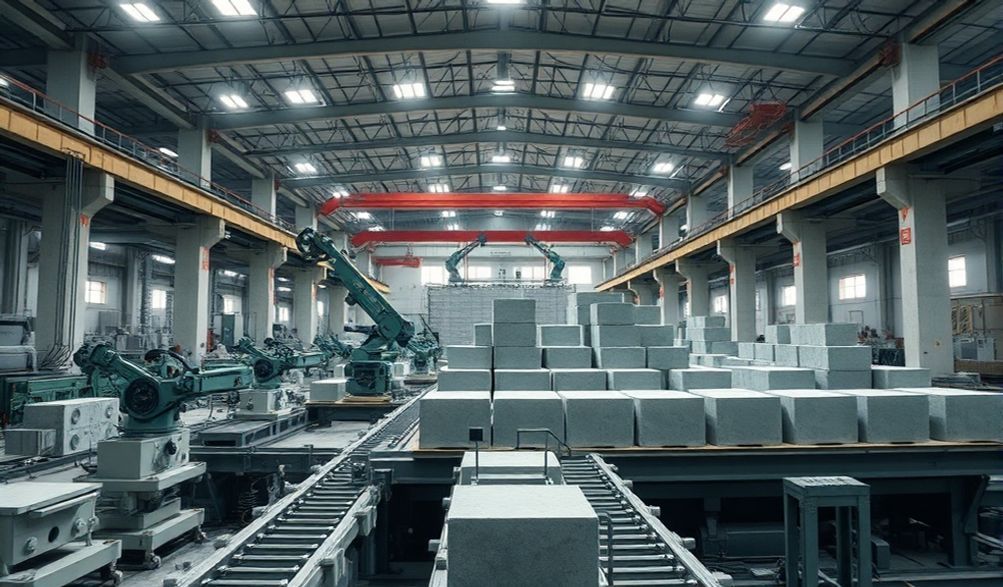
Panduan Utama Mesin Blok Otomatis China: Kualitas, Inovasi, dan Nilai
Lanskap konstruksi global sedang mengalami pergeseran besar. Seiring melonjaknya permintaan perumahan dan infrastruktur di seluruh dunia, industri ini secara tegas beralih ke otomatisasi untuk memenuhi tujuan kecepatan, skala, dan keberlanjutan. Di pusat transformasi ini terdapat pusat manufaktur dan inovasi: Tiongkok. Bagi bisnis yang ingin memodernisasi produksi balok mereka, pasar mesin balok otomatis Tiongkok menawarkan peluang yang menarik, namun kompleks.
Namun, menavigasi pasar yang luas ini penuh dengan tantangan. Bagaimana Anda membedakan kualitas asli di tengah lautan pemasok? Bisakah Anda mempercayai spesifikasi teknis dari jarak jauh? Bagaimana dengan dukungan pascapenjualan, logistik, dan memastikan mesin tersebut cocok dengan bahan baku lokal Anda? Taruhannya tinggi—investasi modal yang signifikan bergantung pada ketepatan jawaban atas pertanyaan-pertanyaan ini.
Panduan ini berfungsi sebagai sumber daya definitif dan tidak memihak Anda. Dengan mengandalkan analisis industri bertahun-tahun, keterlibatan langsung dengan produsen, serta pemahaman mendalam tentang pengadaan internasional, kami menyingkirkan segala kebisingan informasi. Tujuan kami adalah membekali Anda dengan pengetahuan dan kerangka berpikir kritis yang diperlukan untuk mengambil keputusan percaya diri dan terinformasi, mengubah tugas yang menakutkan dalam sourcing dari China menjadi keunggulan strategis bagi bisnis Anda.
Memahami Mesin Blok Otomatis: Konsep Inti & Aplikasi
Sebelum memulai perjalanan pengadaan, penting untuk memahami mesin yang menjadi inti investasi Anda. Mesin pembuat blok otomatis bukan sekadar peralatan; ia adalah jantung dari pabrik produksi blok modern yang menguntungkan.
Apa itu Mesin Blok Otomatis?
Mesin blok otomatis adalah sistem canggih yang dikendalikan komputer, dirancang untuk memproduksi unit batu beton (CMU) dalam volume tinggi dengan intervensi manual minimal. Sistem ini mengintegrasikan berbagai proses—mulai dari penakaran bahan baku hingga penumpukan blok—menjadi satu jalur otomatis yang mulus.
Untuk menghargai nilainya, pertimbangkan alternatif-alternatifnya:
* Mesin Manual:Padat karya, hasil rendah, dan kualitas tidak konsisten. Hanya cocok untuk proyek yang sangat kecil dan hiper-lokal.
* Mesin Semi-Otomatis:Memerlukan keterlibatan operator yang signifikan untuk pengisian, pencetakan, dan pengeluaran. Menawarkan output yang lebih tinggi dibandingkan mesin manual, tetapi terbatas dalam efisiensi dan konsistensi.
Mesin otomatis penuh menghilangkan hambatan-hambatan ini, menawarkan kecepatan produksi yang tak tertandingi, presisi yang dapat diulang, dan biaya tenaga kerja jangka panjang yang lebih rendah.
Komponen Utama dan Cara Kerjanya
Sebuah pabrik pembuat blok otomatis adalah sebuah ekosistem terpadu. Memahami komponen-komponennya menjelaskan prosesnya:
- Batching & Pencampuran:Jumlah tepat semen, agregat, pasir, dan air ditakar dan dicampur menjadi adonan beton yang homogen.
- Pengangkutan Material:Beton segar dipindahkan melalui konveyor atau hoist skip ke hopper pengumpan mesin.
- Pembentukan & Pemadatan:Inti dari mesin. Beton dimasukkan ke dalam rongga cetakan di atas palet. Kombinasi tekanan hidrolik tinggi dan getaran kuat memadatkan material hingga mencapai bentuk dan kepadatan akhirnya.
- Pengeringan & Penumpukan:Blok hijau (yang baru dicetak), di atas paletnya, dikeluarkan dan dipindahkan ke rak atau ruang perawatan. Setelah dirawat, blok-blok secara otomatis ditumpuk dan disiapkan untuk pengangkutan.
Siklus berkelanjutan ini beroperasi 24/7, mengubah bahan baku menjadi produk jadi yang siap dipasarkan dengan efisiensi yang luar biasa.
Aplikasi Utama dalam Konstruksi Modern
Fleksibilitas mesin-mesin ini merupakan poin penjualan utama. Mereka dapat dikonfigurasi dengan cetakan berbeda untuk menghasilkan beragam produk.
* Blok Berongga & Padat:Tulang punggung konstruksi dinding untuk bangunan perumahan dan komersial.
* Batu Paving & Bata Interlock:Untuk jalan masuk, jalur pejalan kaki, dan plaza publik.
* Trotoar, Kerb, dan Produk Lansekap:Penting untuk konstruksi jalan dan penataan lanskap estetika.
* Bentuk Khusus:Termasuk paving rumput, blok perlindungan lereng, dan bentuk beton berinsulasi (ICFs).
Fleksibilitas ini memungkinkan satu lini produksi untuk melayani berbagai segmen pasar, mulai dari proyek infrastruktur skala besar hingga aplikasi arsitektur khusus.
Mengapa Memilih Mesin Blok Otomatis dari China?
Keputusan untuk mengimpor mesin berat dari luar negeri merupakan langkah penting. China telah menjadi tujuan utama bagi banyak pembeli global, dan alasannya sangat kuat, jauh melampaui sekadar harga awal.
Unmatched Cost-Effectiveness and Value
The term “cheap” is misleading and often dangerous in this context. The advantage is better described as exceptional value. China’s manufacturing sector achieves this through:
* Skala Ekonomi: Vast production volumes drive down the cost of components and assembly.
* Mature, Localized Supply Chains: Everything from steel and hydraulics to PLC controllers is sourced within an efficient, integrated network, reducing procurement delays and costs.
* Competitive Market Dynamics: A high concentration of manufacturers fosters competition, which drives innovation and fair pricing for the buyer.
You are not just buying a machine; you are accessing a decades-deep ecosystem of industrial production.
Kemajuan dan Inovasi Teknologi
Gone are the days of China being seen as a copycat manufacturer. Today, leading Chinese machinery producers are at the forefront of innovation:
* Efisiensi Energi: Modern machines increasingly use servo-motor systems, which drastically reduce electricity consumption compared to traditional hydraulic systems.
* Smart Integration: Many models now feature IoT (Internet of Things) connectivity for remote monitoring, production data analytics, and predictive maintenance alerts.
* International Compliance: Reputable manufacturers rigorously design machines to meet international safety and quality standards, evidenced by certifications like CE (Europe) and ISO 9001.
Scale and Manufacturing Diversity
Whether you are a startup looking for a compact, fully automatic plant or a national corporation needing a high-capacity production line, China has a supplier. The market includes:
* Large, Integrated Exporters: Companies with massive factories, in-house R&D, and global dealer networks.
* Specialized Niche Producers: Experts in specific machine types, like high-pressure paver machines or fully robotic plants.
* Component Specialists: Firms that produce superior key parts (e.g., hydraulic systems, molds), often used by assemblers.
This diversity means you can find a partner whose scale and expertise align perfectly with your specific business needs.
A Buyer’s Guide: How to Choose the Right Chinese Supplier
This is the most critical phase of your journey. Diligent supplier vetting separates a successful investment from a costly mistake.
Critical Technical Specifications to Evaluate
Move beyond the sales pitch and focus on hard data. Your request for quotation (RFQ) must detail:
* Kapasitas Produksi: Measured in blocks per 8-hour shift (e.g., 15,000 standard hollow blocks). Be realistic about your market needs.
* Tekanan (Tonase): Higher tonnage (e.g., 1,800 tons) typically produces denser, stronger blocks suitable for load-bearing applications.
* Tingkat Otomasi: Does it include automatic pallet return, color feeder, and stacker? Or are these add-ons?
* Versatilitas Cetakan: How quickly can molds be changed? Does the supplier offer custom mold design?
* Persyaratan Daya: Voltage (380V/415V/440V), phase, and total connected load.
* Jejak Mesin: Ensure your factory layout can accommodate the entire production line.
Verifying Manufacturer Credentials & Quality
Trust must be earned, especially from a distance. Implement this credibility checklist:
- Verifikasi Pabrik: Insist on a live video factory tour via video call. Look for organization, welding quality, and assembly practices.
- Sertifikasi: Valid ISO 9001 (Quality Management) and CE (for machinery safety) are baseline expectations. SGS inspection reports on finished machines add another layer of assurance.
- Business Legitimacy: Request a business license and verify export history. How long have they been in business?
- Referensi Klien: Ask for contact information for 2-3 international clients in a region similar to yours. Follow up with them.
- Warranty & Service Blueprint: A clear, written warranty (typically 12-24 months on core components) and a detailed after-sales service plan are non-negotiable.
Navigating Communication and Logistics
Clear processes prevent future headaches:
* Communication: Use detailed technical drawings, videos, and samples. Confirm all agreements in writing. Consider hiring a bilingual technical liaison if needed.
* Incoterms: Understand your responsibilities. FOB (Free On Board) means you own the goods and control shipping once they leave the Chinese port. CIF (Biaya, Asuransi, dan Pengangkutan) means the supplier arranges shipping to your port. FOB often offers more control and cost transparency.
* Logistics: Factor in sea freight costs, insurance, and local port clearance. Reliable suppliers will assist with export documentation and crate the machine professionally for ocean transport.
Key Considerations for Investment and Operation
Looking beyond the purchase price is what separates savvy investors from disappointed buyers.
Analisis Total Biaya Kepemilikan
The machine’s sticker price is just the beginning. A realistic budget must include:
* Pemasangan & Pengoperasian: Costs for foundation work, electrical hookup, and potentially flying in a technician.
* Pelatihan: For your operators and maintenance team.
* Spare Parts Inventory: An initial kit of common wear parts (seals, vibration motors, filter elements).
* Konsumsi Energi: Calculate the daily power cost based on the machine’s kW rating and your local electricity tariff.
* Pemeliharaan Preventif: Regular upkeep costs to ensure longevity and avoid downtime.
Raw Material Compatibility and Recipe Formulation
A machine is only as good as the blocks it produces. This hinges on your local materials.
* Sample Testing: A top-tier supplier will request samples of your cement, aggregates, and sand to test in their lab.
* Mix Design Provision: They should provide you with a proven, optimized concrete mix recipe for your specific materials to achieve the required block strength and finish.
* Fleksibilitas Material: Discuss if the machine can handle alternative materials like fly ash, slag, or recycled aggregates, which can lower costs and support sustainability goals.
Dukungan Pasca Penjualan: Faktor Penentu Kesuksesan
This is the ultimate test of a supplier’s integrity and your long-term success.
* Dokumentasi: Demand comprehensive, clearly translated operation and maintenance manuals, electrical diagrams, and parts lists.
* Support Structure: How will you get help? Look for suppliers offering:
* A dedicated service contact/WeChat.
* Remote troubleshooting via video call.
* Guaranteed response times for technical queries.
* Availability of on-site engineer dispatch (with clear cost structure).
* Parts Supply: Confirm spare parts availability, pricing, and guaranteed shipping timelines (e.g., “critical parts shipped within 48 hours”).
Future Trends in Block Making Technology
Investing in an automatic block machine is a long-term decision. Understanding emerging trends ensures your new asset remains competitive for years to come.
Green Manufacturing and Sustainable Practices
The industry is moving towards a lower carbon footprint:
* Inovasi Material: Machines are being adapted to use higher percentages of industrial by-products (fly ash, slag) and even recycled concrete.
* Efisiensi Sumber Daya: New designs focus on reducing water consumption in the mix and energy use during production and curing.
* Eco-Products: There is growing demand for machines that can produce permeable pavers, lightweight insulating blocks, and other sustainable building products.
AI and Industry 4.0 Integration
The smart factory is arriving in block production:
* Pemeliharaan Prediktif: Sensors monitor component health (vibration, temperature, pressure), predicting failures before they cause downtime.
* Production Optimization: AI algorithms analyze production data to optimize cycle times, reduce waste, and ensure consistent quality.
* Full-Line Automation: Integration with automated robotic palletizing, packaging, and guided vehicle (AGV) systems for a true “lights-out” factory.
The Rise of Specialized and Customizable Solutions
As architectural demands grow, so does the need for versatility:
* Architectural Blocks: Machines capable of producing complex, textured, or colored blocks for aesthetic facades.
* Bespoke Solutions: Leading manufacturers are increasingly working with clients to engineer custom solutions for unique block designs or specific production challenges.
Pertanyaan yang Sering Diajukan (FAQ)
Q1: What is the average price range for an automatic block machine from China?
A: Prices vary dramatically based on specifications. A small-scale automatic line can start around $30,000 – $50,000, while large, fully integrated high-capacity plants with robots can exceed $200,000. The only way to get an accurate price is to provide detailed requirements and get itemized quotations.
Q2: How do I ensure the machine quality without visiting the factory?
A: Leverage technology and third parties. Demand a live video tour of the factory and a video of a similar machine running. Hire a reputable third-party inspection company (like SGS, BV) to perform a pre-shipment inspection. Most importantly, speak directly to their existing international clients.
Q3: What is the typical lead time from order to delivery?
A: After order confirmation and deposit, standard lead times range from 30 to 90 days. Customized machines or those ordered during peak seasons will take longer. Ensure your contract includes clear production and shipping milestones.
Q4: Can Chinese machines adapt to our local raw materials and standards?
A: Absolutely. Reputable manufacturers expect this. They will test your material samples and often customize the mixer design, vibration parameters, and even the mold to ensure the machine produces blocks that meet your local ASTM, BS, EN, or other regional standards for strength and dimensions.
Q5: What kind of after-sales service can I realistically expect?
A: At a minimum, you should receive detailed manuals, online support, and a warranty. The best suppliers provide much more: a dedicated service engineer on call, readily available spare parts with fast shipping options, and comprehensive training programs—either at their factory or via a technician sent to your site.
Kesimpulan
Sourcing an automatic block machine from China represents a strategic opportunity to acquire world-class technology at exceptional value, directly fueling your business’s growth and competitiveness. The journey, however, demands careful navigation. Success hinges not on finding the lowest price, but on identifying the most credible, capable, and supportive partner.
Let this guide be your framework. Use it to ask the right questions, verify claims, and prioritize long-term operational support over short-term savings. The goal is to build a partnership, not just complete a transaction.
Your Next Step: Begin by clearly defining your project requirements—capacity, block types, budget, and local conditions. Then, approach a shortlist of vetted manufacturers with this knowledge in hand. Initiate conversations, request detailed proposals and client references, and take the first step toward transforming your block production with confidence.
<