
Ingoro yo Guhanga Amakara mu Bushya mu Budage: Ubwiza, Ubuhanga & Agaciro
Imiterere y’ubwubatsi ku isi iri guhinduka cyane. Nk’uko ibisabwa by’amazu n’ibikorwa remezo birakomeje kwiyongera ku isi hose, inganda z’ubwubatsi zirahindurira mu buryo bwihariye ku ikoreshwa ry’imashini kugira ngo zihamye intego z’umuvuduko, ubunini, no kubungabunga ibidukikije. Muri iki hindurwa, igihugu gifite ingufu mu gukora ibintu no mu buhinzi ni uko Ubushinja. Kubijyanye n’ibikorwa bishaka kunoza imikorere y’ubukora bwa bloke, isoko ry’imashini z’ubukora bwa bloke mu Bushinja riha amahirwe menshi ariko arimo ibibazo byinshi.
Gusa n'ubwo ubugenzuzi bwo mu isoko rinini iri biri mu bintu byinshi bikomeye. Ni gute wakwemeranya ubuziranenge bw'ikintu mu gihe abatanga ibicuruzwa benshi? Ese washobora kwiringira ibisobanuro bya tekiniki mu gihe uri kure? Ni iki waba uvuga ku byerekeye gushyigikira nyuma yo kugurisha, imiyoboro, no kumenya neza ko mashini akora neza n'ibikoresho bya hafi? Ibintu byinshi biri mu kaga – amafaranga menshi yo gutangiza akoreshwa mu guhabwa ibisubizo by'ibi bibazo.
Iyi rwunganira ikorera nk'ingamba yawe isobanutse, idaharanira inyungu. Ishingiye ku myaka myinshi yo gusuzuma ubucuruzi, gukorana neza n'abakora ibicuruzwa, no gusobanukirwa neza ubucuruzi mpuzamahanga, twasobanuye ibintu byose. Intego yacu ni ugutanga ubumenyi n'ingamba zikenewe kugirango utore ibyemezo bishingiye k'ubumenyi, bigatuma umurimo wo gushakisha ibicuruzwa mu Budage uhinduka inyungu y'ingamba k'ubucuruzi bwawe.
Gusobanukirwa Imashini zitomatika z’ibikoresho by’ibyumba: Ingingo nyamukuru n’uko bikoreshwa
Mbere yo kwinjira mu rugendo rwo gushakisha ibikoresho, ni ngombwa gusobanukirwa imashini ziri mu mutima w’investasiro yawe. Imashini y’ibyumba bishira hamwe mu buryo bwikora si ikintu gusa; ni umutima w’ikigo cy’ikoranabuhanga, gikora ibyumba bishira hamwe mu buryo bwigisha, kigakora aneza.
Ni iki cyuma cya Block Otomatiki?
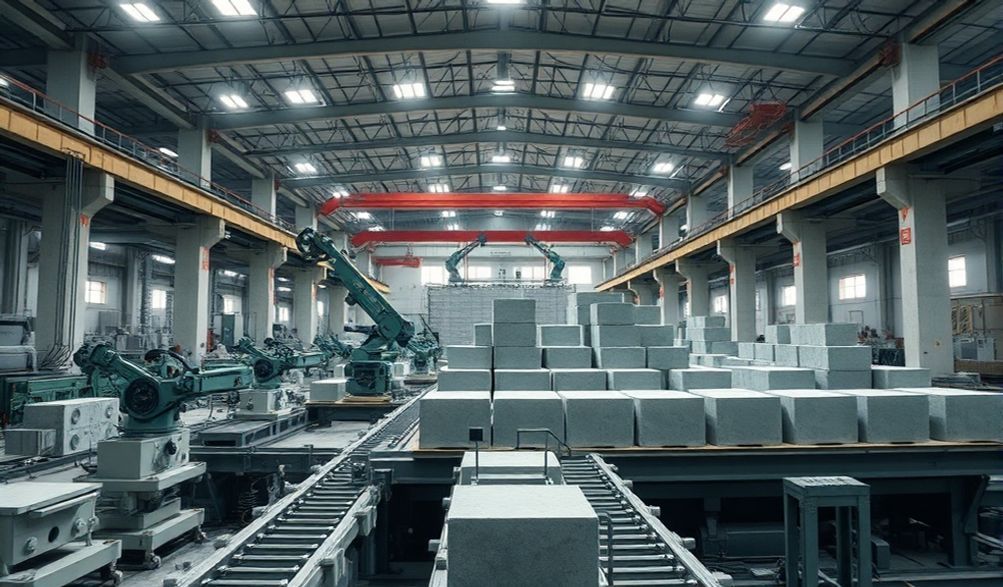
Imashini ya otomatike yo gukora ibyumba ni sisitemu ikomeye, ikorwa n’ikoranabuhanga, ikaba ikorwa n’ikoranabuhanga rya mudasobwa kugirango ikore ibyumba bya sima (CMUs) byinshi mu gihe gito, itagomba ingufu z’abantu nyinshi. Ishyira hamanda ibikorwa bitandukanye—kuva mu gutunganya ibikoresho by’ibanze kugeza mu gupaka ibyumba—mu murongo umwe udakoma, ukora mu buryo bwikora.
Kugira usobanukirwe agaciro kayo, tekereza ibindi bishoboka:
* Imashini z'ibikorwa by'amaboko:Bikoreshwa cyane abakozi, ibisohoka bike, kandi ibisohoka bidahuje. Bikwiriye gusa mu bikorwa bito byo mu karere gato.
* Imitungo Imigendeshwa n'ikiremwamuntu:Bakeneye umukozi mu buryo bukomeye mu gutanga ibiribwa, gukora imiterere, no gusohora. Bitanga umusaruro usumbuye kuruta imashini zikoreshwa n’abantu, ariko zihanganira mu bukungu no mu gukomeza.
Mashini y'ikora yuzuye ikuraho ibi bice byose, itanga umuvuduko w'ikora udashobora kugereranywa, ukwirakwiza gukurikizwa, no kugabanuka kw'ibiciro by'umwaka w'umurimo mu gihe kirekire.
Ibice By’ingenzi n’Uko Bikora
Umusaruro w’ibikoresho by’amabara y’ibumba ni sisitemu y’umubiri wose. Gusobanukirwa ibice byayo bigaragaza uburyo bwo gukora:
- Gukora ibikorwa byinshi hamwe no kuvanga:Ingano zisobanutse za sima, ibyatsi by'umusaruro, umusenyi, n'amazi bihuza kandi bikavangwa mu muvange w'ubukorikori bw'igipangu.
- Gutwara Ibikoresho: The fresh concrete is transferred via conveyor or skip hoist to the machine’s feed hopper.
- Gukora no Gufumbata: The core of the machine. Concrete is fed into a mold cavity on a pallet. A combination of high hydraulic pressure and powerful vibration compacts the material to its final shape and density.
- Gukora n'Igikorwa cyo Gukora: The green (freshly molded) block, on its pallet, is ejected and transferred to a curing rack or chamber. Once cured, blocks are automatically stacked and prepared for transport.
This continuous cycle operates 24/7, turning raw materials into finished, market-ready products with remarkable efficiency.
Uburyo Bwibanze Bwo Gukoresha mu Kubaka mu Bihe Bya Gihanga
The versatility of these machines is a key selling point. They can be configured with different molds to produce a vast array of products:
* Imibumbe y'Ubutaka n'Ibikomere by'Ubutaka: The backbone of wall construction for residential and commercial buildings.
* Amabuye Y'ubutaka n'Amatafari Agahurizanya For driveways, walkways, and public plazas.
* Curbs, Kerbs, and Landscape Products: Essential for road construction and aesthetic landscaping.
* Ubwoko bw'ibimenyetso bidasanzwe: Including grass pavers, slope protection blocks, and insulated concrete forms (ICFs).
This adaptability allows a single production line to serve multiple market segments, from large-scale infrastructure projects to niche architectural applications.
Why Source Automatic Block Machines from China?
The decision to source heavy machinery from overseas is significant. China has become the default destination for a multitude of global buyers, and for several compelling reasons that extend far beyond initial price.
Unmatched Cost-Effectiveness and Value
The term “cheap” is misleading and often dangerous in this context. The advantage is better described as exceptional value. China’s manufacturing sector achieves this through:
* Ubwinshi bw'ibicuruzwa: Vast production volumes drive down the cost of components and assembly.
* Mature, Localized Supply Chains: Everything from steel and hydraulics to PLC controllers is sourced within an efficient, integrated network, reducing procurement delays and costs.
* Competitive Market Dynamics: A high concentration of manufacturers fosters competition, which drives innovation and fair pricing for the buyer.
You are not just buying a machine; you are accessing a decades-deep ecosystem of industrial production.
Iterambere ry'ikoranabuhanga n'ubushishozi
Gone are the days of China being seen as a copycat manufacturer. Today, leading Chinese machinery producers are at the forefront of innovation:
* Ubushobozi bwo Gukoresha Ingufu: Modern machines increasingly use servo-motor systems, which drastically reduce electricity consumption compared to traditional hydraulic systems.
* Smart Integration: Many models now feature IoT (Internet of Things) connectivity for remote monitoring, production data analytics, and predictive maintenance alerts.
* International Compliance: Reputable manufacturers rigorously design machines to meet international safety and quality standards, evidenced by certifications like CE (Europe) and ISO 9001.
Scale and Manufacturing Diversity
Whether you are a startup looking for a compact, fully automatic plant or a national corporation needing a high-capacity production line, China has a supplier. The market includes:
* Large, Integrated Exporters: Companies with massive factories, in-house R&D, and global dealer networks.
* Specialized Niche Producers: Experts in specific machine types, like high-pressure paver machines or fully robotic plants.
* Component Specialists: Firms that produce superior key parts (e.g., hydraulic systems, molds), often used by assemblers.
This diversity means you can find a partner whose scale and expertise align perfectly with your specific business needs.
A Buyer’s Guide: How to Choose the Right Chinese Supplier
This is the most critical phase of your journey. Diligent supplier vetting separates a successful investment from a costly mistake.
Critical Technical Specifications to Evaluate
Move beyond the sales pitch and focus on hard data. Your request for quotation (RFQ) must detail:
* Ubushobozi bwo gukora: Measured in blocks per 8-hour shift (e.g., 15,000 standard hollow blocks). Be realistic about your market needs.
* Ingufu (Tonijeri): Higher tonnage (e.g., 1,800 tons) typically produces denser, stronger blocks suitable for load-bearing applications.
* Umutekano wo Gukoresha Imashini Does it include automatic pallet return, color feeder, and stacker? Or are these add-ons?
* Ubushobozi bwo Gukora Imiterere Ibyahinduka: How quickly can molds be changed? Does the supplier offer custom mold design?
* Ibikenewe by'ingufu: Voltage (380V/415V/440V), phase, and total connected load.
* Ikinyerekeye mashini: Ensure your factory layout can accommodate the entire production line.
Verifying Manufacturer Credentials & Quality
Trust must be earned, especially from a distance. Implement this credibility checklist:
- Gukemura Ubushobozi bwa Usine: Insist on a live video factory tour via video call. Look for organization, welding quality, and assembly practices.
- Ibyemezo: Valid ISO 9001 (Quality Management) and CE (for machinery safety) are baseline expectations. SGS inspection reports on finished machines add another layer of assurance.
- Business Legitimacy: Request a business license and verify export history. How long have they been in business?
- Client References: Ask for contact information for 2-3 international clients in a region similar to yours. Follow up with them.
- Warranty & Service Blueprint: A clear, written warranty (typically 12-24 months on core components) and a detailed after-sales service plan are non-negotiable.
Navigating Communication and Logistics
Clear processes prevent future headaches:
* Communication: Use detailed technical drawings, videos, and samples. Confirm all agreements in writing. Consider hiring a bilingual technical liaison if needed.
* Incoterms: Understand your responsibilities. FOB (Kuri Bugenewe) means you own the goods and control shipping once they leave the Chinese port. CIF (Igiciro, Ubwishingizi, n'Ubucuruzi) means the supplier arranges shipping to your port. FOB often offers more control and cost transparency.
* Logistics: Factor in sea freight costs, insurance, and local port clearance. Reliable suppliers will assist with export documentation and crate the machine professionally for ocean transport.
Key Considerations for Investment and Operation
Looking beyond the purchase price is what separates savvy investors from disappointed buyers.
Total Cost of Ownership Analysis
The machine’s sticker price is just the beginning. A realistic budget must include:
* Gushyiraho & Gukoresha: Costs for foundation work, electrical hookup, and potentially flying in a technician.
* Ibiganiro: For your operators and maintenance team.
* Ibikoresho Bya Spare: An initial kit of common wear parts (seals, vibration motors, filter elements).
* Gukoresha ingufu: Calculate the daily power cost based on the machine’s kW rating and your local electricity tariff.
* Preventive Maintenance: Regular upkeep costs to ensure longevity and avoid downtime.
Raw Material Compatibility and Recipe Formulation
A machine is only as good as the blocks it produces. This hinges on your local materials.
* Sample Testing: A top-tier supplier will request samples of your cement, aggregates, and sand to test in their lab.
* Mix Design Provision: They should provide you with a proven, optimized concrete mix recipe for your specific materials to achieve the required block strength and finish.
* Ubusobanuro bw'ibikoresho: Discuss if the machine can handle alternative materials like fly ash, slag, or recycled aggregates, which can lower costs and support sustainability goals.
After-Sales Support: The Make-or-Break Factor
This is the ultimate test of a supplier’s integrity and your long-term success.
* Documentation: Demand comprehensive, clearly translated operation and maintenance manuals, electrical diagrams, and parts lists.
* Support Structure: How will you get help? Look for suppliers offering:
* A dedicated service contact/WeChat.
* Remote troubleshooting via video call.
* Guaranteed response times for technical queries.
* Availability of on-site engineer dispatch (with clear cost structure).
* Parts Supply: Confirm spare parts availability, pricing, and guaranteed shipping timelines (e.g., “critical parts shipped within 48 hours”).
Future Trends in Block Making Technology
Investing in an automatic block machine is a long-term decision. Understanding emerging trends ensures your new asset remains competitive for years to come.
Green Manufacturing and Sustainable Practices
The industry is moving towards a lower carbon footprint:
* Ubuhanga mu bikoresho: Machines are being adapted to use higher percentages of industrial by-products (fly ash, slag) and even recycled concrete.
* Isura ry’Imari: New designs focus on reducing water consumption in the mix and energy use during production and curing.
* Eco-Products: There is growing demand for machines that can produce permeable pavers, lightweight insulating blocks, and other sustainable building products.
AI and Industry 4.0 Integration
The smart factory is arriving in block production:
* Predictive Maintenance: Sensors monitor component health (vibration, temperature, pressure), predicting failures before they cause downtime.
* Production Optimization: AI algorithms analyze production data to optimize cycle times, reduce waste, and ensure consistent quality.
* Full-Line Automation: Integration with automated robotic palletizing, packaging, and guided vehicle (AGV) systems for a true “lights-out” factory.
The Rise of Specialized and Customizable Solutions
As architectural demands grow, so does the need for versatility:
* Architectural Blocks: Machines capable of producing complex, textured, or colored blocks for aesthetic facades.
* Bespoke Solutions: Leading manufacturers are increasingly working with clients to engineer custom solutions for unique block designs or specific production challenges.
Bibazo Byinshi Byibazwa (FAQ)
Q1: What is the average price range for an automatic block machine from China?
A: Prices vary dramatically based on specifications. A small-scale automatic line can start around $30,000 – $50,000, while large, fully integrated high-capacity plants with robots can exceed $200,000. The only way to get an accurate price is to provide detailed requirements and get itemized quotations.
Q2: How do I ensure the machine quality without visiting the factory?
A: Leverage technology and third parties. Demand a live video tour of the factory and a video of a similar machine running. Hire a reputable third-party inspection company (like SGS, BV) to perform a pre-shipment inspection. Most importantly, speak directly to their existing international clients.
Q3: What is the typical lead time from order to delivery?
A: After order confirmation and deposit, standard lead times range from 30 to 90 days. Customized machines or those ordered during peak seasons will take longer. Ensure your contract includes clear production and shipping milestones.
Q4: Can Chinese machines adapt to our local raw materials and standards?
A: Absolutely. Reputable manufacturers expect this. They will test your material samples and often customize the mixer design, vibration parameters, and even the mold to ensure the machine produces blocks that meet your local ASTM, BS, EN, or other regional standards for strength and dimensions.
Q5: What kind of after-sales service can I realistically expect?
A: At a minimum, you should receive detailed manuals, online support, and a warranty. The best suppliers provide much more: a dedicated service engineer on call, readily available spare parts with fast shipping options, and comprehensive training programs—either at their factory or via a technician sent to your site.
Ibyo byose
Sourcing an automatic block machine from China represents a strategic opportunity to acquire world-class technology at exceptional value, directly fueling your business’s growth and competitiveness. The journey, however, demands careful navigation. Success hinges not on finding the lowest price, but on identifying the most credible, capable, and supportive partner.
Let this guide be your framework. Use it to ask the right questions, verify claims, and prioritize long-term operational support over short-term savings. The goal is to build a partnership, not just complete a transaction.
Your Next Step: Begin by clearly defining your project requirements—capacity, block types, budget, and local conditions. Then, approach a shortlist of vetted manufacturers with this knowledge in hand. Initiate conversations, request detailed proposals and client references, and take the first step toward transforming your block production with confidence.
<