
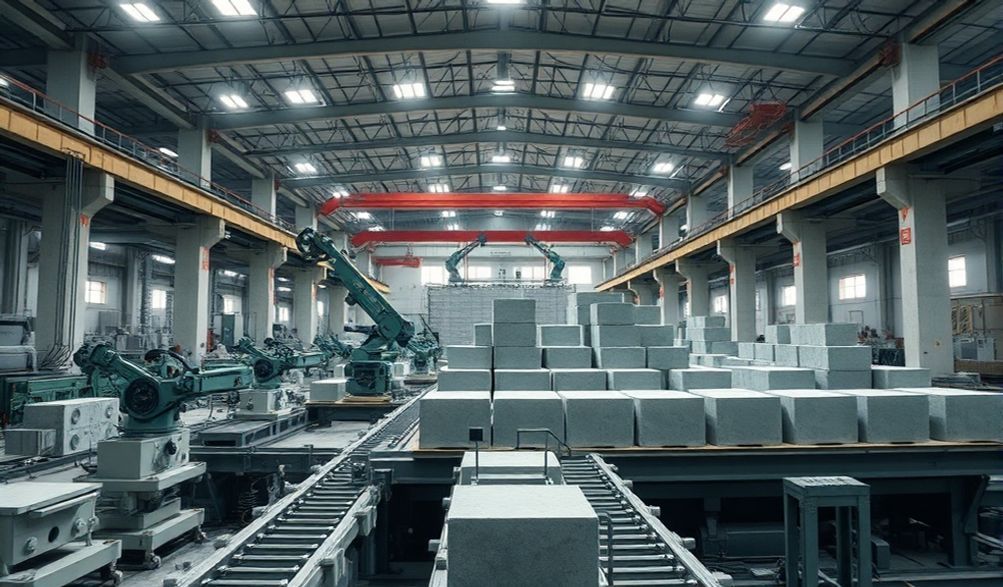
中国自动砌块成型机的终极指南:品质、创新与价值
Глобальная строительная отрасль переживает тектонические изменения. По мере того как спрос на жилье и инфраструктуру стремительно растет во всем мире, индустрия решительно обращается к автоматизации для достижения целей в скорости, масштабе и устойчивости. В эпицентре этой трансформации находится центр производства и инноваций — Китай. Для компаний, стремящихся модернизировать производство строительных блоков, рынок автоматических станков для производства блоков в Китае представляет собой привлекательный, но сложный горизонт возможностей.
Однако ориентация на этом обширном рынке сопряжена с трудностями. Как отличить подлинное качество среди множества поставщиков? Можно ли доверять техническим характеристикам на расстоянии? А как насчёт послепродажной поддержки, логистики и гарантий, что оборудование будет работать с вашими местными материалами? Ставки высоки — значительные капиталовложения зависят от правильных ответов на эти вопросы.
Это руководство является вашим исчерпывающим и объективным источником информации. Опираясь на многолетний анализ отрасли, прямое взаимодействие с производителями и глубокое понимание международных закупок, мы отделяем важное от второстепенного. Наша цель — вооружить вас знаниями и критической системой оценки, необходимыми для принятия уверенного и обоснованного решения, превращая сложную задачу закупок из Китая в стратегическое преимущество для вашего бизнеса.
Понимание автоматических блочных машин: основные концепции и области применения
Прежде чем погрузиться в процесс поиска поставщиков, крайне важно разобраться в оборудовании, которое станет основой ваших инвестиций. Автоматическая установка для производства блоков — это не просто техника; это сердце современного и прибыльного завода по изготовлению строительных блоков.
Что такое автоматическая блок-машина?
Автоматическая установка для производства блоков — это сложная компьютерно-управляемая система, предназначенная для крупносерийного изготовления бетонных стеновых блоков (CMU) с минимальным ручным вмешательством. Она объединяет различные процессы — от дозирования сырья до укладки блоков — в единую бесперебойную автоматизированную линию.
Чтобы оценить его ценность, рассмотрите альтернативы:
* Ручные станки:Трудоемко, низкая производительность и нестабильное качество. Подходит только для очень маленьких, суперлокальных проектов.
* Полуавтоматические станки:Требуют значительного участия оператора при загрузке, формовании и извлечении. Обеспечивают более высокую производительность, чем ручные машины, но ограничены в эффективности и стабильности.
Полностью автоматизированная машина устраняет эти узкие места, обеспечивая беспрецедентную скорость производства, повторяемую точность и снижение долгосрочных затрат на рабочую силу.
Ключевые компоненты и принцип их работы
Автоматизированный завод по производству блоков представляет собой интегрированную экосистему. Понимание его компонентов позволяет прояснить процесс:
- Пакетирование и смешивание:Точные количества цемента, заполнителей, песка и воды дозируются и смешиваются в однородную бетонную смесь.
- Транспортировка материалов:Свежий бетон подается через конвейер или скиповый подъемник в загрузочный бункер машины.
- Формование и уплотнение:Сердце машины. Бетон подается в полость формы на поддоне. Сочетание высокого гидравлического давления и мощной вибрации уплотняет материал до окончательной формы и плотности.
- Лечение и штабелирование:Зеленый (свежесформованный) блок на поддоне извлекается и перемещается на стеллаж или в камеру для твердения. После отверждения блоки автоматически укладываются в штабеля и подготавливаются к транспортировке.
Этот непрерывный цикл работает круглосуточно, превращая сырье в готовую, пригодную для рынка продукцию с замечательной эффективностью.
Основные области применения в современном строительстве
Универсальность этих машин является ключевым преимуществом для продаж. Их можно оснащать различными формами для производства широкого ассортимента продукции:
* Полые и сплошные блоки:Основа конструкции стен для жилых и коммерческих зданий.
* Брусчатка и тротуарная плитка:Для подъездных путей, пешеходных дорожек и общественных площадей.
* Бордюры, поребрики и элементы ландшафтного дизайна:Необходимо для дорожного строительства и эстетического ландшафтного дизайна.
* Специальные формы:Включая газонные решетки, блоки для укрепления склонов и изолированные бетонные формы (ICF).
Эта адаптивность позволяет одной производственной линии обслуживать различные рыночные сегменты, от крупномасштабных инфраструктурных проектов до узкоспециализированных архитектурных применений.
为什么从中国采购自动砌块成型机?
Решение о закупке тяжелой техники из-за рубежа является важным. Китай стал основным направлением для множества мировых покупателей, и на то есть несколько веских причин, выходящих далеко за рамки первоначальной цены.
Unmatched Cost-Effectiveness and Value
The term “cheap” is misleading and often dangerous in this context. The advantage is better described as exceptional value. China’s manufacturing sector achieves this through:
* Эффект масштаба: Vast production volumes drive down the cost of components and assembly.
* Mature, Localized Supply Chains: Everything from steel and hydraulics to PLC controllers is sourced within an efficient, integrated network, reducing procurement delays and costs.
* Competitive Market Dynamics: A high concentration of manufacturers fosters competition, which drives innovation and fair pricing for the buyer.
You are not just buying a machine; you are accessing a decades-deep ecosystem of industrial production.
Технологический прогресс и инновации
Gone are the days of China being seen as a copycat manufacturer. Today, leading Chinese machinery producers are at the forefront of innovation:
* Энергоэффективность: Modern machines increasingly use servo-motor systems, which drastically reduce electricity consumption compared to traditional hydraulic systems.
* Smart Integration: Many models now feature IoT (Internet of Things) connectivity for remote monitoring, production data analytics, and predictive maintenance alerts.
* International Compliance: Reputable manufacturers rigorously design machines to meet international safety and quality standards, evidenced by certifications like CE (Europe) and ISO 9001.
Scale and Manufacturing Diversity
Whether you are a startup looking for a compact, fully automatic plant or a national corporation needing a high-capacity production line, China has a supplier. The market includes:
* Large, Integrated Exporters: Companies with massive factories, in-house R&D, and global dealer networks.
* Specialized Niche Producers: Experts in specific machine types, like high-pressure paver machines or fully robotic plants.
* Component Specialists: Firms that produce superior key parts (e.g., hydraulic systems, molds), often used by assemblers.
This diversity means you can find a partner whose scale and expertise align perfectly with your specific business needs.
A Buyer’s Guide: How to Choose the Right Chinese Supplier
This is the most critical phase of your journey. Diligent supplier vetting separates a successful investment from a costly mistake.
Critical Technical Specifications to Evaluate
Move beyond the sales pitch and focus on hard data. Your request for quotation (RFQ) must detail:
* Производственные мощности: Measured in blocks per 8-hour shift (e.g., 15,000 standard hollow blocks). Be realistic about your market needs.
* Давление (Тоннаж): Higher tonnage (e.g., 1,800 tons) typically produces denser, stronger blocks suitable for load-bearing applications.
* Уровень автоматизации: Does it include automatic pallet return, color feeder, and stacker? Or are these add-ons?
* Универсальность форм How quickly can molds be changed? Does the supplier offer custom mold design?
* Требования к питанию: Voltage (380V/415V/440V), phase, and total connected load.
* След от машины: Ensure your factory layout can accommodate the entire production line.
Verifying Manufacturer Credentials & Quality
Trust must be earned, especially from a distance. Implement this credibility checklist:
- Проверка завода: Insist on a live video factory tour via video call. Look for organization, welding quality, and assembly practices.
- Сертификаты: Valid ISO 9001 (Quality Management) and CE (for machinery safety) are baseline expectations. SGS inspection reports on finished machines add another layer of assurance.
- Business Legitimacy: Request a business license and verify export history. How long have they been in business?
- Client References: Ask for contact information for 2-3 international clients in a region similar to yours. Follow up with them.
- Warranty & Service Blueprint: A clear, written warranty (typically 12-24 months on core components) and a detailed after-sales service plan are non-negotiable.
Navigating Communication and Logistics
Clear processes prevent future headaches:
* Communication: Use detailed technical drawings, videos, and samples. Confirm all agreements in writing. Consider hiring a bilingual technical liaison if needed.
* Incoterms: Understand your responsibilities. ФОБ (Франко борт) means you own the goods and control shipping once they leave the Chinese port. CIF (стоимость, страхование и фрахт) means the supplier arranges shipping to your port. FOB often offers more control and cost transparency.
* Logistics: Factor in sea freight costs, insurance, and local port clearance. Reliable suppliers will assist with export documentation and crate the machine professionally for ocean transport.
Key Considerations for Investment and Operation
Looking beyond the purchase price is what separates savvy investors from disappointed buyers.
Анализ совокупной стоимости владения
The machine’s sticker price is just the beginning. A realistic budget must include:
* Установка и ввод в эксплуатацию: Costs for foundation work, electrical hookup, and potentially flying in a technician.
* Обучение: For your operators and maintenance team.
* Spare Parts Inventory: An initial kit of common wear parts (seals, vibration motors, filter elements).
* Потребление энергии Calculate the daily power cost based on the machine’s kW rating and your local electricity tariff.
* Профилактическое обслуживание: Regular upkeep costs to ensure longevity and avoid downtime.
Raw Material Compatibility and Recipe Formulation
A machine is only as good as the blocks it produces. This hinges on your local materials.
* Sample Testing: A top-tier supplier will request samples of your cement, aggregates, and sand to test in their lab.
* Mix Design Provision: They should provide you with a proven, optimized concrete mix recipe for your specific materials to achieve the required block strength and finish.
* Материальная гибкость: Discuss if the machine can handle alternative materials like fly ash, slag, or recycled aggregates, which can lower costs and support sustainability goals.
After-Sales Support: The Make-or-Break Factor
This is the ultimate test of a supplier’s integrity and your long-term success.
* Documentation: Demand comprehensive, clearly translated operation and maintenance manuals, electrical diagrams, and parts lists.
* Support Structure: How will you get help? Look for suppliers offering:
* A dedicated service contact/WeChat.
* Remote troubleshooting via video call.
* Guaranteed response times for technical queries.
* Availability of on-site engineer dispatch (with clear cost structure).
* Parts Supply: Confirm spare parts availability, pricing, and guaranteed shipping timelines (e.g., “critical parts shipped within 48 hours”).
Future Trends in Block Making Technology
Investing in an automatic block machine is a long-term decision. Understanding emerging trends ensures your new asset remains competitive for years to come.
Green Manufacturing and Sustainable Practices
The industry is moving towards a lower carbon footprint:
* Инновации в материалах: Machines are being adapted to use higher percentages of industrial by-products (fly ash, slag) and even recycled concrete.
* Эффективность использования ресурсов: New designs focus on reducing water consumption in the mix and energy use during production and curing.
* Eco-Products: There is growing demand for machines that can produce permeable pavers, lightweight insulating blocks, and other sustainable building products.
AI and Industry 4.0 Integration
The smart factory is arriving in block production:
* Predictive Maintenance: Sensors monitor component health (vibration, temperature, pressure), predicting failures before they cause downtime.
* Production Optimization: AI algorithms analyze production data to optimize cycle times, reduce waste, and ensure consistent quality.
* Full-Line Automation: Integration with automated robotic palletizing, packaging, and guided vehicle (AGV) systems for a true “lights-out” factory.
The Rise of Specialized and Customizable Solutions
As architectural demands grow, so does the need for versatility:
* Architectural Blocks: Machines capable of producing complex, textured, or colored blocks for aesthetic facades.
* Bespoke Solutions: Leading manufacturers are increasingly working with clients to engineer custom solutions for unique block designs or specific production challenges.
Frequently Asked Questions (FAQ)
Q1: What is the average price range for an automatic block machine from China?
А: Prices vary dramatically based on specifications. A small-scale automatic line can start around $30,000 – $50,000, while large, fully integrated high-capacity plants with robots can exceed $200,000. The only way to get an accurate price is to provide detailed requirements and get itemized quotations.
Q2: How do I ensure the machine quality without visiting the factory?
А: Leverage technology and third parties. Demand a live video tour of the factory and a video of a similar machine running. Hire a reputable third-party inspection company (like SGS, BV) to perform a pre-shipment inspection. Most importantly, speak directly to their existing international clients.
Q3: What is the typical lead time from order to delivery?
А: After order confirmation and deposit, standard lead times range from 30 to 90 days. Customized machines or those ordered during peak seasons will take longer. Ensure your contract includes clear production and shipping milestones.
Q4: Can Chinese machines adapt to our local raw materials and standards?
А: Absolutely. Reputable manufacturers expect this. They will test your material samples and often customize the mixer design, vibration parameters, and even the mold to ensure the machine produces blocks that meet your local ASTM, BS, EN, or other regional standards for strength and dimensions.
Q5: What kind of after-sales service can I realistically expect?
А: At a minimum, you should receive detailed manuals, online support, and a warranty. The best suppliers provide much more: a dedicated service engineer on call, readily available spare parts with fast shipping options, and comprehensive training programs—either at their factory or via a technician sent to your site.
Заключение
Sourcing an automatic block machine from China represents a strategic opportunity to acquire world-class technology at exceptional value, directly fueling your business’s growth and competitiveness. The journey, however, demands careful navigation. Success hinges not on finding the lowest price, but on identifying the most credible, capable, and supportive partner.
Let this guide be your framework. Use it to ask the right questions, verify claims, and prioritize long-term operational support over short-term savings. The goal is to build a partnership, not just complete a transaction.
Ваш следующий шаг: Begin by clearly defining your project requirements—capacity, block types, budget, and local conditions. Then, approach a shortlist of vetted manufacturers with this knowledge in hand. Initiate conversations, request detailed proposals and client references, and take the first step toward transforming your block production with confidence.
<