
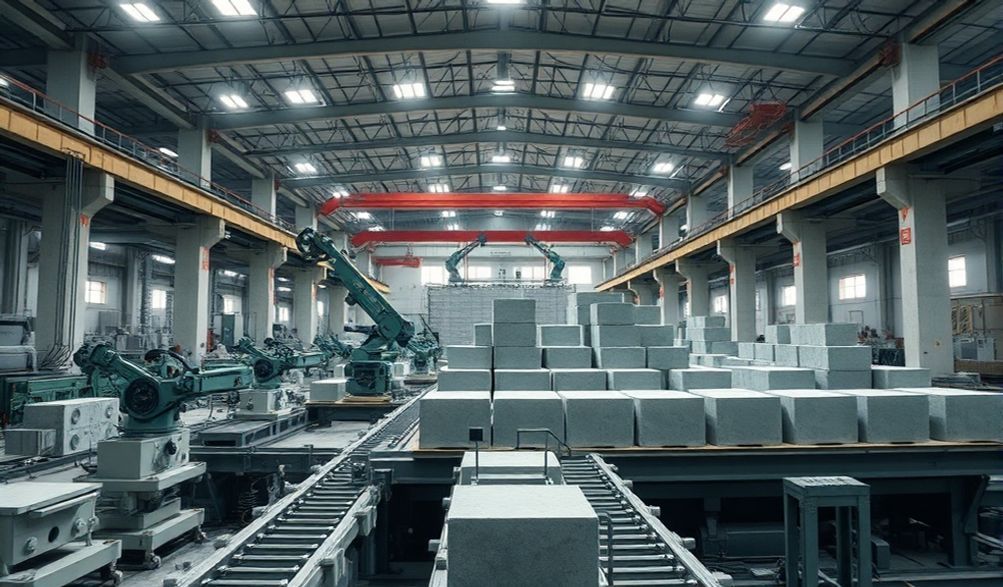
الدليل الشامل لآلات الطوب الأوتوماتيكية في الصين: الجودة، الابتكار، والقيمة
يشهد المشهد الإنشائي العالمي تحولاً جذرياً. مع تزايد الطلب على الإسكان والبنية التحتية في جميع أنحاء العالم، تتجه الصناعة بشكل حاسم نحو الأتمتة لتحقيق أهداف السرعة، والحجم، والاستدامة. وفي قلب هذا التحول تقع قوة تصنيعية وابتكارية عظمى: الصين. بالنسبة للشركات التي تسعى لتحديث إنتاج الكتل، يقدم سوق آلات صنع الكتل الأوتوماتيكية الصينية حدوداً جذابةً، وإن كانت معقدةً، من الفرص.
ومع ذلك، فإن التنقل في هذا السوق الشاسع محفوف بالتحديات. كيف يمكنك التمييز بين الجودة الحقيقية وسط بحر من الموردين؟ هل يمكنك الوثوق بالمواصفات الفنية من بعيد؟ وماذا عن الدعم ما بعد البيع، والخدمات اللوجستية، وضمان عمل الآلة مع المواد المحلية لديك؟ المخاطر عالية—فاستثمار رأسمالي كبير يعتمد على الحصول على إجابات صحيحة لهذه الأسئلة.
يُعد هذا الدليل مصدرك النهائي غير المتحيز. بالاعتماد على سنوات من التحليل الصناعي، والتواصل المباشر مع المصنّعين، وفهم عميق للتوريد الدولي، نقطع خلال الضجيج. هدفنا هو أن نسلحك بالمعرفة والإطار النقدي اللازمين لاتخاذ قرار واثق ومستنير، محولاً المهمة الشاقة للتدبير من الصين إلى ميزة استراتيجية لعملك.
فهم آلات الطوب الأوتوماتيكية: المفاهيم الأساسية والتطبيقات
قبل الانطلاق في رحلة التوريد، من الضروري فهم الآلية التي تشكل جوهر استثمارك. فماكينة الطوب الأوتوماتيكية ليست مجرد معدات؛ إنها نواة مصنع إنتاج طوب حديث ومربح.
ما هي آلة البلوك الأوتوماتيكية؟
آلة تصنيع البلوك الآلية هي نظام متطور يتحكم فيه الكمبيوتر، مصمم لإنتاج وحدات البناء الخرسانية (CMUs) بكميات كبيرة مع الحد الأدنى من التدخل اليدوي. وهي تدمج عمليات متنوعة - من خلط المواد الخام إلى تكديس البلوك - في خط آلي واحد وسلس.
لتقدير قيمتها، فكر في البدائل:
* الآلات اليدوية:مكثفة العمالة، منخفضة الإنتاجية، وغير متسقة الجودة. مناسبة فقط للمشاريع الصغيرة جدًا والمحلية للغاية.
* الآلات شبه الآلية:تتطلب تدخلًا كبيرًا من المشغل للتغذية والتشكيل والإزالة. تقدم إنتاجًا أعلى من الآلات اليدوية ولكنها محدودة في الكفاءة والاتساق.
تزيل الآلة الآلية بالكامل هذه الاختناقات، مقدمة سرعة إنتاج لا مثيل لها، ودقة قابلة للتكرار، وتكاليف عمالة أقل على المدى الطويل.
المكونات الرئيسية وكيفية عملها
مصنع الطوب الأوتوماتيكي هو نظام بيئي متكامل. فهم مكوناته يزيل الغموض عن العملية:
- التحزيم والخلط:يتم قياس كميات دقيقة من الأسمنت والركام والرمل والماء وخلطها في مزيج خرساني متجانس.
- نقل المواد:يتم نقل الخرسانة الطازجة عبر سير ناقل أو رافعة قادوس إلى قادوس التغذية الخاص بالآلة.
- التشكيل والضغط:جوهر الآلة. يُصب الخرسانة في تجويف القالب على منصة. يجمع بين الضغط الهيدروليكي العالي والاهتزاز القوي لضغط المادة إلى شكلها النهائي وكثافتها.
- التدخين والتكديسيتم إخراج البلوكة الخضراء (المُشكَّلة حديثًا) مع منصة النقل الخاصة بها ونقلها إلى رف أو غرفة معالجة. بعد أن تتم معالجتها، يتم تكديس البلوكات تلقائيًا وتجهيزها للنقل.
تعمل هذه الدورة المستمرة على مدار الساعة طوال أيام الأسبوع، وتحول المواد الخام إلى منتجات نهائية جاهزة للسوق بكفاءة ملحوظة.
التطبيقات الأساسية في البناء الحديث
تتمثل نقطة البيع الرئيسية لهذه الآلات في تنوع استخداماتها، حيث يمكن تجهيزها بقوالب مختلفة لإنتاج مجموعة واسعة من المنتجات.
* الكتل المجوفة والكتل الصلبةالعمود الفقري لبناء الجدران في المباني السكنية والتجارية.
* الأحجار المرصوفة والطوب المتشابك: For driveways, walkways, and public plazas.
* Curbs, Kerbs, and Landscape Products: Essential for road construction and aesthetic landscaping.
* الأشكال المتخصصة Including grass pavers, slope protection blocks, and insulated concrete forms (ICFs).
This adaptability allows a single production line to serve multiple market segments, from large-scale infrastructure projects to niche architectural applications.
Why Source Automatic Block Machines from China?
The decision to source heavy machinery from overseas is significant. China has become the default destination for a multitude of global buyers, and for several compelling reasons that extend far beyond initial price.
Unmatched Cost-Effectiveness and Value
The term “cheap” is misleading and often dangerous in this context. The advantage is better described as exceptional value. China’s manufacturing sector achieves this through:
* وفورات الحجم: Vast production volumes drive down the cost of components and assembly.
* Mature, Localized Supply Chains: Everything from steel and hydraulics to PLC controllers is sourced within an efficient, integrated network, reducing procurement delays and costs.
* Competitive Market Dynamics: A high concentration of manufacturers fosters competition, which drives innovation and fair pricing for the buyer.
You are not just buying a machine; you are accessing a decades-deep ecosystem of industrial production.
التقدم التكنولوجي والابتكار
Gone are the days of China being seen as a copycat manufacturer. Today, leading Chinese machinery producers are at the forefront of innovation:
* كفاءة الطاقة: Modern machines increasingly use servo-motor systems, which drastically reduce electricity consumption compared to traditional hydraulic systems.
* Smart Integration: Many models now feature IoT (Internet of Things) connectivity for remote monitoring, production data analytics, and predictive maintenance alerts.
* International Compliance: Reputable manufacturers rigorously design machines to meet international safety and quality standards, evidenced by certifications like CE (Europe) and ISO 9001.
Scale and Manufacturing Diversity
Whether you are a startup looking for a compact, fully automatic plant or a national corporation needing a high-capacity production line, China has a supplier. The market includes:
* Large, Integrated Exporters: Companies with massive factories, in-house R&D, and global dealer networks.
* Specialized Niche Producers: Experts in specific machine types, like high-pressure paver machines or fully robotic plants.
* Component Specialists: Firms that produce superior key parts (e.g., hydraulic systems, molds), often used by assemblers.
This diversity means you can find a partner whose scale and expertise align perfectly with your specific business needs.
A Buyer’s Guide: How to Choose the Right Chinese Supplier
This is the most critical phase of your journey. Diligent supplier vetting separates a successful investment from a costly mistake.
المواصفات الفنية الحرجة للتقييم
Move beyond the sales pitch and focus on hard data. Your request for quotation (RFQ) must detail:
* القدرة الإنتاجية: Measured in blocks per 8-hour shift (e.g., 15,000 standard hollow blocks). Be realistic about your market needs.
* الضغط (الطناج): Higher tonnage (e.g., 1,800 tons) typically produces denser, stronger blocks suitable for load-bearing applications.
* مستوى الأتمتة: Does it include automatic pallet return, color feeder, and stacker? Or are these add-ons?
* تعدد استخدامات القوالب: How quickly can molds be changed? Does the supplier offer custom mold design?
* متطلبات الطاقة: Voltage (380V/415V/440V), phase, and total connected load.
* Machine Footprint: Ensure your factory layout can accommodate the entire production line.
Verifying Manufacturer Credentials & Quality
Trust must be earned, especially from a distance. Implement this credibility checklist:
- التحقق من المصنع Insist on a live video factory tour via video call. Look for organization, welding quality, and assembly practices.
- الشهادات: Valid ISO 9001 (Quality Management) and CE (for machinery safety) are baseline expectations. SGS inspection reports on finished machines add another layer of assurance.
- Business Legitimacy: Request a business license and verify export history. How long have they been in business?
- مراجع العملاء: Ask for contact information for 2-3 international clients in a region similar to yours. Follow up with them.
- Warranty & Service Blueprint: A clear, written warranty (typically 12-24 months on core components) and a detailed after-sales service plan are non-negotiable.
Navigating Communication and Logistics
Clear processes prevent future headaches:
* Communication: Use detailed technical drawings, videos, and samples. Confirm all agreements in writing. Consider hiring a bilingual technical liaison if needed.
* Incoterms: Understand your responsibilities. FOB (التسليم على ظهر السفينة) means you own the goods and control shipping once they leave the Chinese port. التكلفة والتأمين والشحن (CIF) means the supplier arranges shipping to your port. FOB often offers more control and cost transparency.
* اللوجستيات: Factor in sea freight costs, insurance, and local port clearance. Reliable suppliers will assist with export documentation and crate the machine professionally for ocean transport.
Key Considerations for Investment and Operation
Looking beyond the purchase price is what separates savvy investors from disappointed buyers.
تحليل التكلفة الإجمالية للملكية
The machine’s sticker price is just the beginning. A realistic budget must include:
* التثبيت والتشكيل: Costs for foundation work, electrical hookup, and potentially flying in a technician.
* تدريب For your operators and maintenance team.
* Spare Parts Inventory: An initial kit of common wear parts (seals, vibration motors, filter elements).
* استهلاك الطاقة Calculate the daily power cost based on the machine’s kW rating and your local electricity tariff.
* الصيانة الوقائية: Regular upkeep costs to ensure longevity and avoid downtime.
Raw Material Compatibility and Recipe Formulation
A machine is only as good as the blocks it produces. This hinges on your local materials.
* Sample Testing: A top-tier supplier will request samples of your cement, aggregates, and sand to test in their lab.
* Mix Design Provision: They should provide you with a proven, optimized concrete mix recipe for your specific materials to achieve the required block strength and finish.
* المرونة المادية: Discuss if the machine can handle alternative materials like fly ash, slag, or recycled aggregates, which can lower costs and support sustainability goals.
الدعم ما بعد البيع: العامل الحاسم بين النجاح والفشل
This is the ultimate test of a supplier’s integrity and your long-term success.
* Documentation: Demand comprehensive, clearly translated operation and maintenance manuals, electrical diagrams, and parts lists.
* Support Structure: How will you get help? Look for suppliers offering:
* A dedicated service contact/WeChat.
* Remote troubleshooting via video call.
* Guaranteed response times for technical queries.
* Availability of on-site engineer dispatch (with clear cost structure).
* Parts Supply: Confirm spare parts availability, pricing, and guaranteed shipping timelines (e.g., “critical parts shipped within 48 hours”).
Future Trends in Block Making Technology
Investing in an automatic block machine is a long-term decision. Understanding emerging trends ensures your new asset remains competitive for years to come.
Green Manufacturing and Sustainable Practices
The industry is moving towards a lower carbon footprint:
* الابتكار في المواد: Machines are being adapted to use higher percentages of industrial by-products (fly ash, slag) and even recycled concrete.
* Resource Efficiency: New designs focus on reducing water consumption in the mix and energy use during production and curing.
* Eco-Products: There is growing demand for machines that can produce permeable pavers, lightweight insulating blocks, and other sustainable building products.
AI and Industry 4.0 Integration
The smart factory is arriving in block production:
* Predictive Maintenance: Sensors monitor component health (vibration, temperature, pressure), predicting failures before they cause downtime.
* Production Optimization: AI algorithms analyze production data to optimize cycle times, reduce waste, and ensure consistent quality.
* Full-Line Automation: Integration with automated robotic palletizing, packaging, and guided vehicle (AGV) systems for a true “lights-out” factory.
The Rise of Specialized and Customizable Solutions
As architectural demands grow, so does the need for versatility:
* Architectural Blocks: Machines capable of producing complex, textured, or colored blocks for aesthetic facades.
* Bespoke Solutions: Leading manufacturers are increasingly working with clients to engineer custom solutions for unique block designs or specific production challenges.
الأسئلة الشائعة (FAQ)
Q1: What is the average price range for an automatic block machine from China?
أ: Prices vary dramatically based on specifications. A small-scale automatic line can start around $30,000 – $50,000, while large, fully integrated high-capacity plants with robots can exceed $200,000. The only way to get an accurate price is to provide detailed requirements and get itemized quotations.
Q2: How do I ensure the machine quality without visiting the factory?
أ: Leverage technology and third parties. Demand a live video tour of the factory and a video of a similar machine running. Hire a reputable third-party inspection company (like SGS, BV) to perform a pre-shipment inspection. Most importantly, speak directly to their existing international clients.
Q3: What is the typical lead time from order to delivery?
أ: After order confirmation and deposit, standard lead times range from 30 to 90 days. Customized machines or those ordered during peak seasons will take longer. Ensure your contract includes clear production and shipping milestones.
Q4: Can Chinese machines adapt to our local raw materials and standards?
أ: Absolutely. Reputable manufacturers expect this. They will test your material samples and often customize the mixer design, vibration parameters, and even the mold to ensure the machine produces blocks that meet your local ASTM, BS, EN, or other regional standards for strength and dimensions.
Q5: What kind of after-sales service can I realistically expect?
أ: At a minimum, you should receive detailed manuals, online support, and a warranty. The best suppliers provide much more: a dedicated service engineer on call, readily available spare parts with fast shipping options, and comprehensive training programs—either at their factory or via a technician sent to your site.
خاتمة
Sourcing an automatic block machine from China represents a strategic opportunity to acquire world-class technology at exceptional value, directly fueling your business’s growth and competitiveness. The journey, however, demands careful navigation. Success hinges not on finding the lowest price, but on identifying the most credible, capable, and supportive partner.
Let this guide be your framework. Use it to ask the right questions, verify claims, and prioritize long-term operational support over short-term savings. The goal is to build a partnership, not just complete a transaction.
Your Next Step: Begin by clearly defining your project requirements—capacity, block types, budget, and local conditions. Then, approach a shortlist of vetted manufacturers with this knowledge in hand. Initiate conversations, request detailed proposals and client references, and take the first step toward transforming your block production with confidence.
<