건설 자재 통합 제조 솔루션 소개
글로벌 건설 부문의 표준화되고 고성능 건축 자재에 대한 수요 가속화는 벽돌 및 블록 제조가 분산된 공정에서 정교한 산업 운영으로 진화하는 촉매 역할을 해왔습니다. 현대식 벽돌 블록 제조 기계는 재료 처리, 정밀 공학, 자동화 물류를 통합한 포괄적인 생산 생태계를 구현합니다. 유통업자, 조달 전문가, 산업 투자자에게 이러한 시스템은 지역 공급망을 주도하고 인프라 개발을 활용할 수 있는 전례 없는 기회를 제공합니다.
산업 제조 시스템의 종합적 기술 프레임워크
1.1 통합 생산 워크플로우 아키텍처
현대 제조 시스템은 각 단계가 최대 효율과 생산 품질을 위해 최적화된 상호 연결된 생산 셀로 운영됩니다.
- 자동 원료 처리 및 배합산업 규모의 생산 운영은 체계적인 자재 처리 인프라에서 시작됩니다. 여기에는 골재용 수취 호퍼, 시멘트계 재료용 벌크 사일로 시스템, 정밀한 수분 센서가 장착된 자동화된 물 관리 시스템이 포함됩니다. 컴퓨터 제어 계량 및 배칭 시스템은 레시피를 0.5% 이내의 허용 오차로 준수하여 생산 배치 전반에 걸쳐 일관된 재료 특성을 유지합니다. 고급 시스템은 실시간 수분 감지 및 자동 보정 기능을 통합하여 최적의 물-시멘트 비율을 유지합니다.
- 고강도 혼합 및 균질화혼합 단계에서는 산업용 강제식 믹서를 사용하여 동시 회전 및 역회전 작용을 통해 균질한 혼합물을 생성합니다. 기존의 회전식 믹서와 달리, 이 시스템은 시멘트 재료의 모든 입자가 골재를 균일하게 코팅하여 완전한 수화 잠재력을 달성하도록 보장합니다. 혼합 주기는 생산 리듬과 정확하게 시간을 맞추어 동기화되어 물질 흐름이 중단 없이 지속되도록 유지됩니다.
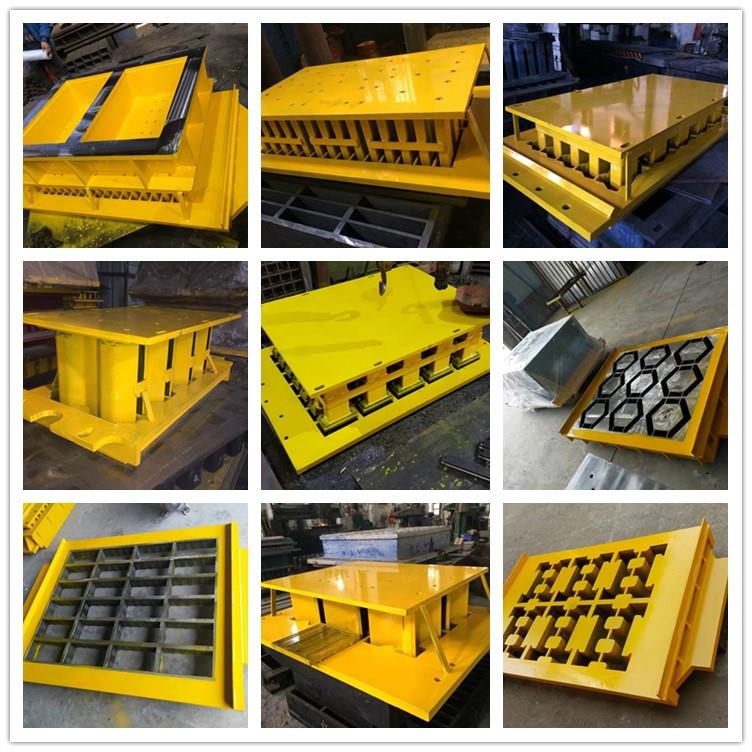
- Multi-Stage Compression and Vibration Technology: The molding process employs sophisticated engineering principles combining hydraulic pressure exceeding 150 tons with high-frequency vibration exceeding 10,000 RPM. This dual-action process simultaneously removes entrapped air while densely packing particulate matter, resulting in products with minimal void ratios and maximum compressive strength. The vibration platform utilizes multiple vibration motors with adjustable frequency and amplitude to accommodate different product designs and material characteristics.
- Automated Curing and Product Handling Systems: Post-molding handling involves automated transfer systems that gently move green products to curing chambers without structural damage. Industrial solutions feature programmable curing environments with controlled temperature ramping and humidity management that optimize hydration processes. The final handling phase includes robotic palletizing, automated stretch wrapping, and inventory management systems that track production batches through to dispatch.
1.2 System Classification by Production Methodology and Capability
Manufacturing solutions can be categorized by their operational principles and production volumes, each serving distinct market segments.
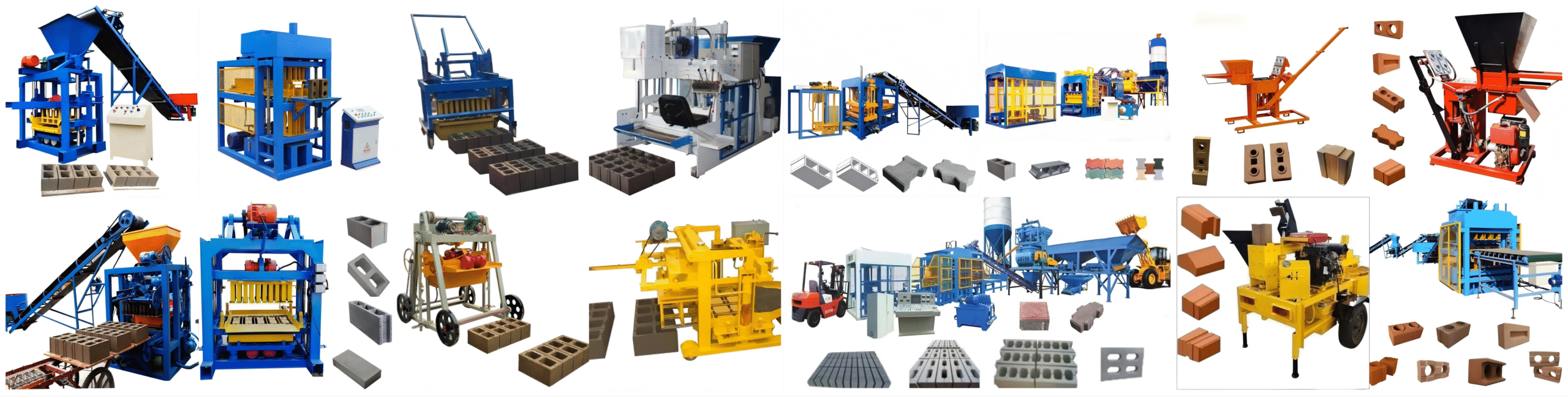
- Tier 1: High-Volume Fixed Plant Systems: These permanent installations feature stationary production machinery with product movement through automated conveyors and transfer cars. Designed for outputs exceeding 50,000 standard blocks per 8-hour shift, these systems serve major metropolitan markets and large-scale infrastructure projects requiring massive, consistent supply. Their operational efficiency peaks when running continuously with minimal product changeovers.
- Tier 2: Flexible Modular Production Systems: These configurations utilize a cellular approach where semi-automated machines are supported by independent material handling and curing systems. Offering daily outputs between 10,000-30,000 units, these solutions provide greater product flexibility for manufacturers serving multiple market segments simultaneously. Their modular nature allows for phased expansion as business grows.
- Tier 3: Mobile Industrial Production Units: Engineered for temporary project sites or decentralized manufacturing strategies, these integrated systems combine mixing, compression, and basic curing capabilities on a mobile platform. While output ranges between 5,000-15,000 units daily, their strategic advantage lies in eliminating transportation costs by manufacturing directly at point of use, particularly valuable in remote locations or for specialized projects.
1.3 Strategic Value Creation and Competitive Advantages
Implementing industrial-scale manufacturing technology generates multidimensional business benefits that transcend basic production metrics.
- Transformative Economic Model and Cost Structure Revolution: Industrial systems fundamentally alter production economics through massive scale advantages. The per-unit cost reduction achieved through automated operation, optimized material usage, and reduced labor creates insurmountable competitive barriers. The economic model shifts from variable cost dominance to fixed cost utilization, creating exponential profitability at scale.
- Uncompromising Quality Standardization and Compliance Assurance: Manufacturing consistency ensures every unit meets precise dimensional tolerances and performance specifications. This standardization enables construction methodologies based on predictable component performance, reduces installation time, minimizes material waste on-site, and guarantees compliance with international building standards including ASTM, EN, and ISO certifications.
- Production Intelligence and Data-Driven Optimization: Industrial Internet of Things (IIoT) integration transforms production management from reactive oversight to predictive optimization. Real-time monitoring of machine performance, material consumption, energy efficiency, and product quality creates a continuous improvement cycle. Advanced analytics identify subtle optimization opportunities that compound into significant competitive advantages over time.
- Strategic Supply Chain Integration and Market Influence: Control of high-volume production capacity positions manufacturers as strategic partners rather than mere suppliers. The ability to guarantee consistent supply for major projects creates long-term contractual relationships and provides influence over material specifications and construction methodologies within regional markets.
1.4 Implementation Methodology and Commercial Deployment
Successful implementation requires systematic planning across technical, operational, and commercial dimensions.
- Comprehensive Market Analysis and Production Strategy Development: Prior to investment, detailed market assessment must identify specific product opportunities, volume requirements, and competitive positioning. The production strategy should define target product mix, capacity utilization phasing, and distribution logistics to ensure the selected system matches market realities.
- Technical Feasibility and Infrastructure Planning: Site evaluation must assess geotechnical requirements for heavy machinery foundations, utility connections for industrial-scale power and water consumption, material storage and handling areas, and environmental compliance considerations. The implementation plan should include phased commissioning to minimize operational disruption.
- Operational Readiness and Human Capital Development: Successful operation requires developing technical teams capable of managing sophisticated industrial equipment. Implementation must include comprehensive training programs covering machine operation, preventive maintenance, quality control procedures, and troubleshooting methodologies.
- Financial Modeling and Investment Optimization: Capital allocation must be justified through detailed financial analysis projecting ROI, payback period, and lifetime equipment utilization. The model should account for production ramp-up periods, working capital requirements for raw material inventories, and maintenance reserve funding.
결론
Industrial brick block making manufacturing machines represent the convergence of construction materials production with advanced industrial engineering. These comprehensive ecosystems transcend equipment functionality to become strategic business assets that redefine competitive dynamics in building materials supply. The substantial capital commitment required demands rigorous analysis and strategic planning, but the potential rewards—market dominance, unprecedented operational efficiency, and long-term business sustainability—justify the investment for serious industry participants. As global construction trends continue toward standardization, prefabrication, and quality assurance, industrial-scale manufacturing capability will increasingly become the defining characteristic of market leadership in the building materials sector.
자주 묻는 질문 (FAQ)
Q1: What infrastructure requirements are necessary for installing an industrial-scale manufacturing system?
A: Comprehensive infrastructure must include: reinforced concrete foundations capable of supporting 20-50 tons of dynamic load, three-phase high-voltage electrical supply with transformer capacity of 150-400kVA, industrial water connection with daily capacity of 20-50 cubic meters, compressed air systems, adequate material storage yards with concrete paving, and warehouse facilities for finished product protection.
Q2: How does the operational cost structure differ between industrial systems and conventional machinery?
A: Industrial systems fundamentally transform cost structures: labor component decreases from 25-35% to 8-12% of production cost, energy consumption per unit decreases 30-40%, material waste reduces from 5-8% to 1-2%, and product damage during handling drops from 3-5% to under 0.5%. The cost structure shifts toward fixed depreciation with dramatically lower variable costs.
Q3: What technical expertise is required to maintain and operate these manufacturing systems?
A: Operating teams require cross-functional skills including: industrial mechanical systems maintenance, hydraulic and pneumatic systems troubleshooting, basic PLC programming and diagnostics, electrical control systems understanding, and quality control methodology implementation. Most suppliers provide structured training programs spanning 4-6 weeks for core technical teams.
Q4: What is the typical product range achievable with a single industrial manufacturing system?
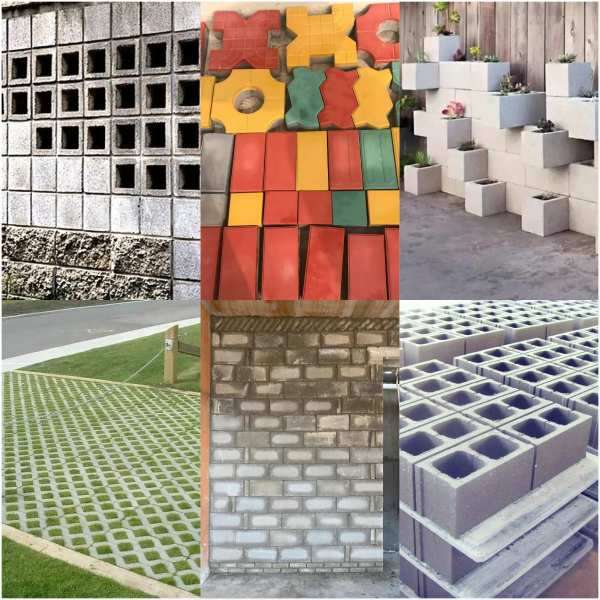
A: Comprehensive systems can typically produce over 50 different product variations including: standard hollow blocks (4″, 6″, 8″), solid bricks of various thicknesses, paving stones in multiple shapes and textures, interlocking masonry units, retaining wall systems, and specialized architectural products. Quick mold change systems enable product transitions within 30-90 minutes.
Q5: How do these systems address environmental compliance and sustainability requirements?
A: Modern systems incorporate multiple environmental features: water recycling systems that reduce consumption by 70-80%, dust collection systems that maintain ambient air quality, noise reduction engineering that limits emissions to 75dB or less, and energy-efficient motors with regenerative drives that lower power consumption. Many systems can utilize recycled aggregates and supplementary cementitious materials.
Q6: What quality assurance capabilities are integrated into industrial manufacturing systems?
A: Comprehensive QA systems include: in-line dimensional checking with laser measurement, automated weight monitoring with feedback to batching systems, continuous compressive strength testing through sample destruction, real-time moisture content monitoring, and automated visual inspection for surface defects. Data logging provides complete traceability for every production batch.