Hordhaca Xalalka Isku-dhafka ah ee Qalabka Dhismaha
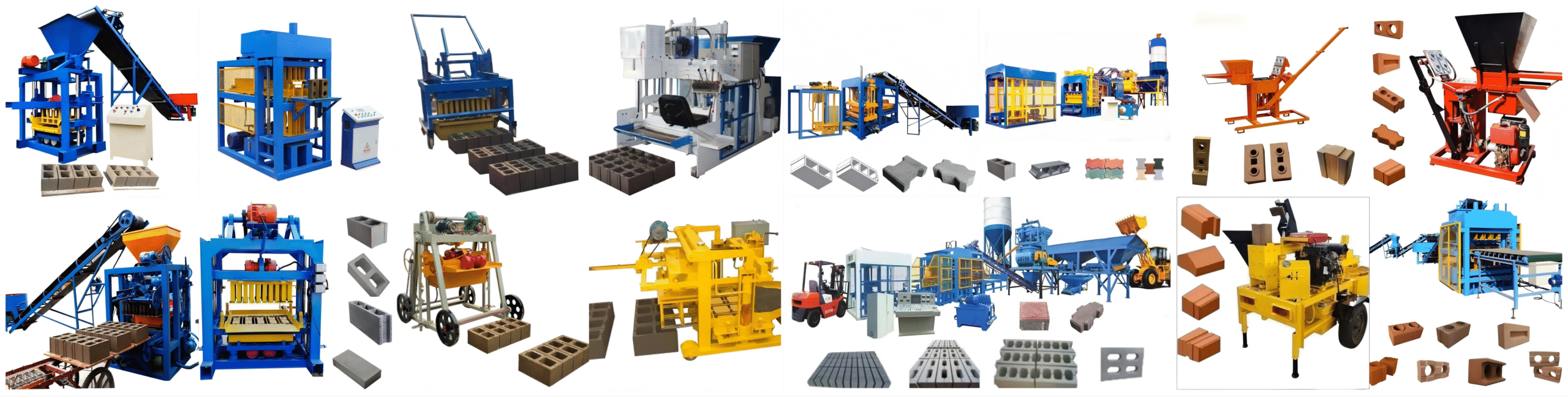
Suuga dhismaha caalamiga ah ee si xawli leh u baahanaya qaybo dhismo oo heer sare leh oo caadiga ah ayaa horseeday horumarinta wax soo saarka birigga iyo blookada ka dib markii laga soo bilaabo habab kala duwan oo kala go’go’a ah ilaa hawlaha warshadeed ee xiisa leh. Makiinadaha casri ah ee wax soo saarka birigga iyo blookada waxay matalaan nidaamyo wax soo saar oo dhammaystiran oo isku darsan dhaq-dhaqaaqyada agabka, handaraqa sax ah, iyo maareynta otomaatiga ah ee gaadiidka. Loo diro, khabiirrada iibsashada, iyo maalgashadayaasha warshadaha, nidaamyadan waxay siisayaan fursado aan hore loo arag oo ay ku gaari karaan hoggaanka isku xidhkaadka kaydka gobolka iyo faa'iidaynta horumarinta macdanta.
Qaabka Farsamada ee Guud ee Nidaamyada Warshadaha Warshadeed
1.1 Qaab-dhismeedka Habka Wax-soo-saarka Isku-dhafan
Nidaamyada warshadeynta casriga ah waxay u shaqeeyaan sida unugyo wax soo saar oo isku xidhan halkaas oo kasta oo maro loo hagaajiyo si loo gaaro tayo sare iyo wax soo saar macquul ah.
- Qalabka Ugu Dambayn ee Isku-dhafka iyo Habaynta Alaabta RaawiskaHawlgabka waaweyn ee warshaduhu waxay ku bilaabmaan qaab dhismeedka nidaamka ah ee maareynta alaabta. Tani waxaa ka mid ah hopperska helitaanka ee isku-darka, nidaamyada silo ee weyn ee alaabta simeenta, iyo nidaamyada maamulka otomaatiga ah ee biyaha leheer sensors sax ah oo qoyan. Nidaamyada miisaaminta iyo kala-soocidda ee ku xiran kombiyuutarka waxay hubiyaan isku-darka cuntada ilaa 0.5% u oggolaansho, iyagoo ilaaliya dhamaan qalabka isku midka ah ee soo saarista. Nidaamyada horumarsan waxay ku darayaan dareenka qoyan ee hadda iyo kaffinta otomaatiga ah si loo ilaaliyo saamiga ugu fiican ee biyaha iyo simeenta.
- Kala-qaybsiga Sare iyo Isku-dhismeedka.Goobta isku-dhafka waxaa loo isticmaalaa mishiinnada isku-dhafka xoogga ah ee heerka warshadeed, kuwaas oo abuura isku-dhafka isku mid ah iyadoo la wada wareegayo iyo wareegyo lid ku ah. Ka duwan mishiinnada isku-dhafka wareegga caadiga ah, nidaamahan waxay hubiyaan in kasta oo qayb ka mid ah walxaha simenta ay si siman u daboolaan xasaasiyada, iyagoo gaaraya awood buuxda oo biyo gelinta ah. Wareegyada isku-dhafka waxaa si sax ah loo waqti geliyaa oo la is waafajiyaa heerkada soo saarida si loo xajiyo socodka sii socda oo ka mid ah walxaha aan go'doomin.
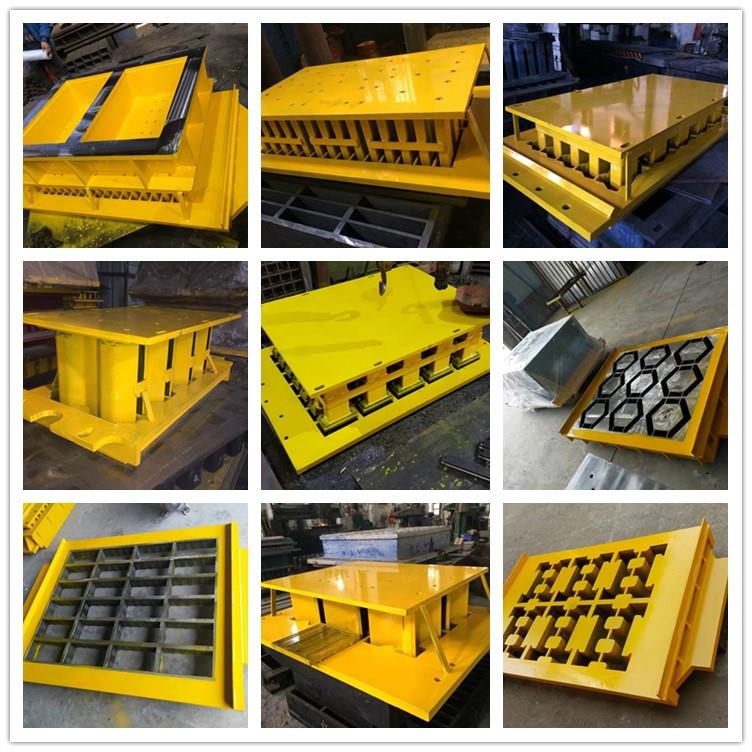
- Khibradda Tifatirka Multi-Stage iyo Teknolojiyada Gariirka:Habka sameynta waxaa loo adeegsadaa mabaadi' dhismaha oo farsamo badan oo isku daraya cadaadiska hydraulics ee ka badan 150 ton iyo gariirka sare ee heerka 10,000 RPM. Habkaan laba-geesoodka ah si isku waqtiga ah wuxuu ka saaraa hawo la qabsaday halka uu si qoto dheer ugu dariyo walxaha dhuuban, kaasoo keena samaynta alaabta leh tiro yar oo madhan iyo xoogga kala qaybsiga ugu badan. Platformka gariirka wuxuu adeegsadaa mooyooyin gariir badan oo leh heer iyo cabbir la beddeli karo si loo qabsado naqshadaha kala duwan ee alaabta iyo sifooyinka qalabka.
- Qalabka Awooda u ah Daboolidda iyo Maareynta AlaabtaDib-u-habaynta ka dib dhismaha waxaa ku jira nidaamyada u gudbinta otomaatiga ah oo si jilicsan ugu dhaqaaqa alaabta cusub si aanay u dhaawacmid qaab dhismeedka. Xalalka warshadeed waxay ku jira deegaannada daboolista barnaamijyada leh kororka heerkulka la xakimeeyay iyo maareynta qoyanka kuwaas oo u fiirsadaan hababka biyo gelinta. Qeybta ugu dambeysa ee dib-u-habaynta waxaa ka mid ah baaldhigyada robotiga, daboolista la isku duubto otomaatiga ah, iyo nidaamyada maareynta kaydka kuwaas oo raadraada guud ahaan tirakoobka wax soo saarka ilaa u gudbinta.
1.2 Nidaamka Kala Soocidda Habka iyo Awoodda Wax-soo-saarka
Hababka wax soo saarka waxaa lagu kala saari karaa sida uu u shaqeeyo iyo tirada wax soo saarka, mid kasta oo u adeegaya qaybo kala duwan suuqa.
- Heerka 1: Nidaamyada Goobta Fixe ee Heerka Sare ee Xaddidan:Kuwa dhismayaasha joogtada ah waxaa ku jira makiinado wax soo saar oo joogto ah oo alaabta lagu dhaqaaqiyo iyadoo la isticmaalayo conveyor-rada otomaatigga ah iyo baabuurta gudbinta. Waxaa loo qorsheeyay inay soo saaraan in ka badan 50,000 oo boodh caadi ah 8-saacadood gudahood, kuwan nidaamyadu waxay u adeegaan suuqyasha waaweyn ee magaalooyinka iyo mashruucya dhismaha waaweyn ee u baahan kayd weyn oo joogto ah. Waxsoosaarkooda wax ku oolka ah wuxuu gaaraa markay si joogto ah u shaqeeyaan iyadoo la isbeddelo alaab yar.
- Heerka 2: Nidaamyada Wax-soo-saarka ee Is-horreeya ee Is-beddel leh:Habkaniyaadan waxay isticmaalaan hab gacmeed oo saldhig u ah unugyada, halkaas oo makiinado nus-awtoomaatig ah ay caawiyaan qalabka madfacaan iyo nadiifinta oo madax bannaan. Iyagoo bixiya soo saarista maalinlaha ah ee u dhexeysa 10,000 ilaa 30,000 unug, xaladaani waxay siisaa isbeddelka badan ee alaabta loogu talagalay warshadaha ka shaqeeya qeybaha suuqa isla markiiba. Qaabkooda kala duwan wuxuu ogolaadaa in la kordhiyo si tartiib tartiib ah marka ganacsigu sii kordho.
- Heerka 3: Unugyada Warshadeed ee La Wareegi Karo ee Mobilka:Waxaa loo habeeyey goobaha mashruucyada ku meel gaar ah ama xeeladaha wax soo saarka ee kala duwan, nidaamkan is-dhexgalka ah wuxuu ku wada darayaa isku-dhafka, cayinta, iyo awoodaha aasaasiga ah ee daboolka ku habboon. Iyadoo soo saarka u dhexeeyo 5,000 ilaa 15,000 qaybood maalin walba, faa'iidooda xeeladeed waxay ku taal inay tirtiraan kharashyada gaadiidka adigoo si toos ah u soo saaraya meesha loo isticmaalo, gaar ahaan meelaha fog ama mashruucyada khaas ah.
1.3 Qaadista Qiimaha Istaraatiijiyadeed iyo Faa'iidooyinka Tartanka
Wax soo saarista farsamada warshadeynta heerka warshadeed waxay keentaa faa'iidooyin ganacsi oo kala duwan oo ka sii sarreeya cabbirrada soo saarista aasaasiga ah.
- Habka Dhaqaalaha ee Beddelaya iyo Kacaanka Qaabka Kharashka:Nidaamyada warshadeed aasaas ahaan waxay beddelaan dhaqaalaha wax-soo-saarka iyagoo ku faa'iidaysta faa'iidooyinka miisaamaha weyn. Qiimaha hoos u dhigga halbeegga ee la gaaro iyadoo la adeegsanayo hawlgallo otomaatig ah, isticmaalka hufnaanta khayraadka, iyo yareynta shaqaalaha waxay abuuraan ka-hortagga tartanka ee aan la gudbi karin. Qaabka dhaqaalaha waxaa u beddelayaa ka talinta kharashka kala duwan ee ugu weyn ilaa isticmaalka kharashka go'an, kaas oo abuura faa'iido koritaan leh marka la gaaro miisaam weyn.
- Tayooyin Tayooyin Tayooyin iyo Xaqiijinta La Aqbala.Wax soo saarista isku midka ah waxay hubinaysaa in halbeeg kasta uu buuxiyo cabbirrada saxda ah iyo tilmaamaha waxqabadka. Heerarka caadiga ah waxay u oggolaanayaan hababka dhismaha ee ku saleysan waxqabadka la saadaalin karo ee qaybaha, waxay yareeyaan waqtiga rakibidda, waxay yareeyaan burburka qalabka goobta, waxayna dammaanad qaadaan in la raacayo heerarka caalamiga ah ee dhismaha oo ay ku jiraan shahaadada ASTM, EN, iyo ISO.
- Fikradda Wax-soo-saarka iyo Hagaajinta Ku-meel-gaarka Ah ee Xogta:Isku-dhafka Internetka Wixii la Isku Dhafo ee Warshadeed (IIoT) waxa uu maareynta wax-soo-saarka u beddelaa ka dib eegis ilaa horumarinta la saadaaliyo. Daawashada waqti dhab ah ee waxqabadka makiinada, isticmaalka qalabka, wax ku oolka tamarta, iyo tayada wax-soo-saarka ayaa abuura wareeg horumar oo joogto ah. Falanqaynta horumar leh waxay aqoonsataa fursadaha horumar ee jilicsan oo waqti go’ay ku daraya faa'iidooyin tartan weyn.
- Isku-dhafka Talaabooyinka Kaydka iyo Saameynta Suuqa:Awoodda wax soo saarka tira badan ee la xakameeyo waxay u dhigayso warshadayaasha inay noqdaan shuraakada istaraatiijiyadeed halkii ay ahaayeen iibiyayaal kaliya. Awoodda lagu dammaanad qaado in la bixiyo alaab joogto ah mashruucyada waaweyn waxay abuurtaa xiriirka qorsheynta muddada dheer, waxayna siisaa saamayn ku saabsan qeexitaanka qalabka iyo hababka dhismaha gudaha suuqyada gobolka.
1.4 Implementation Methodology and Commercial Deployment
Successful implementation requires systematic planning across technical, operational, and commercial dimensions.
- Comprehensive Market Analysis and Production Strategy Development: Prior to investment, detailed market assessment must identify specific product opportunities, volume requirements, and competitive positioning. The production strategy should define target product mix, capacity utilization phasing, and distribution logistics to ensure the selected system matches market realities.
- Technical Feasibility and Infrastructure Planning: Site evaluation must assess geotechnical requirements for heavy machinery foundations, utility connections for industrial-scale power and water consumption, material storage and handling areas, and environmental compliance considerations. The implementation plan should include phased commissioning to minimize operational disruption.
- Operational Readiness and Human Capital Development: Successful operation requires developing technical teams capable of managing sophisticated industrial equipment. Implementation must include comprehensive training programs covering machine operation, preventive maintenance, quality control procedures, and troubleshooting methodologies.
- Financial Modeling and Investment Optimization: Capital allocation must be justified through detailed financial analysis projecting ROI, payback period, and lifetime equipment utilization. The model should account for production ramp-up periods, working capital requirements for raw material inventories, and maintenance reserve funding.
Gabagabo
Industrial brick block making manufacturing machines represent the convergence of construction materials production with advanced industrial engineering. These comprehensive ecosystems transcend equipment functionality to become strategic business assets that redefine competitive dynamics in building materials supply. The substantial capital commitment required demands rigorous analysis and strategic planning, but the potential rewards—market dominance, unprecedented operational efficiency, and long-term business sustainability—justify the investment for serious industry participants. As global construction trends continue toward standardization, prefabrication, and quality assurance, industrial-scale manufacturing capability will increasingly become the defining characteristic of market leadership in the building materials sector.
Su'aalaha Inta Badan La Is Weydiiyo (FAQ)
Q1: What infrastructure requirements are necessary for installing an industrial-scale manufacturing system?
A: Comprehensive infrastructure must include: reinforced concrete foundations capable of supporting 20-50 tons of dynamic load, three-phase high-voltage electrical supply with transformer capacity of 150-400kVA, industrial water connection with daily capacity of 20-50 cubic meters, compressed air systems, adequate material storage yards with concrete paving, and warehouse facilities for finished product protection.
Q2: How does the operational cost structure differ between industrial systems and conventional machinery?
A: Industrial systems fundamentally transform cost structures: labor component decreases from 25-35% to 8-12% of production cost, energy consumption per unit decreases 30-40%, material waste reduces from 5-8% to 1-2%, and product damage during handling drops from 3-5% to under 0.5%. The cost structure shifts toward fixed depreciation with dramatically lower variable costs.
Q3: What technical expertise is required to maintain and operate these manufacturing systems?
A: Operating teams require cross-functional skills including: industrial mechanical systems maintenance, hydraulic and pneumatic systems troubleshooting, basic PLC programming and diagnostics, electrical control systems understanding, and quality control methodology implementation. Most suppliers provide structured training programs spanning 4-6 weeks for core technical teams.
Q4: What is the typical product range achievable with a single industrial manufacturing system?
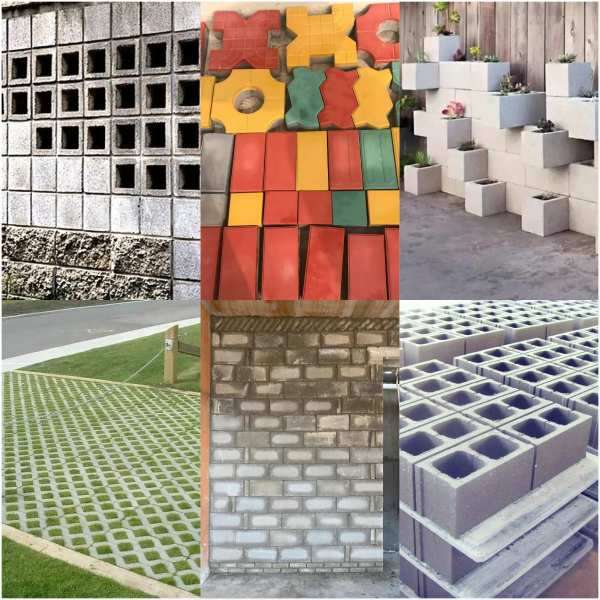
A: Comprehensive systems can typically produce over 50 different product variations including: standard hollow blocks (4″, 6″, 8″), solid bricks of various thicknesses, paving stones in multiple shapes and textures, interlocking masonry units, retaining wall systems, and specialized architectural products. Quick mold change systems enable product transitions within 30-90 minutes.
Q5: How do these systems address environmental compliance and sustainability requirements?
A: Modern systems incorporate multiple environmental features: water recycling systems that reduce consumption by 70-80%, dust collection systems that maintain ambient air quality, noise reduction engineering that limits emissions to 75dB or less, and energy-efficient motors with regenerative drives that lower power consumption. Many systems can utilize recycled aggregates and supplementary cementitious materials.
Q6: What quality assurance capabilities are integrated into industrial manufacturing systems?
A: Comprehensive QA systems include: in-line dimensional checking with laser measurement, automated weight monitoring with feedback to batching systems, continuous compressive strength testing through sample destruction, real-time moisture content monitoring, and automated visual inspection for surface defects. Data logging provides complete traceability for every production batch.