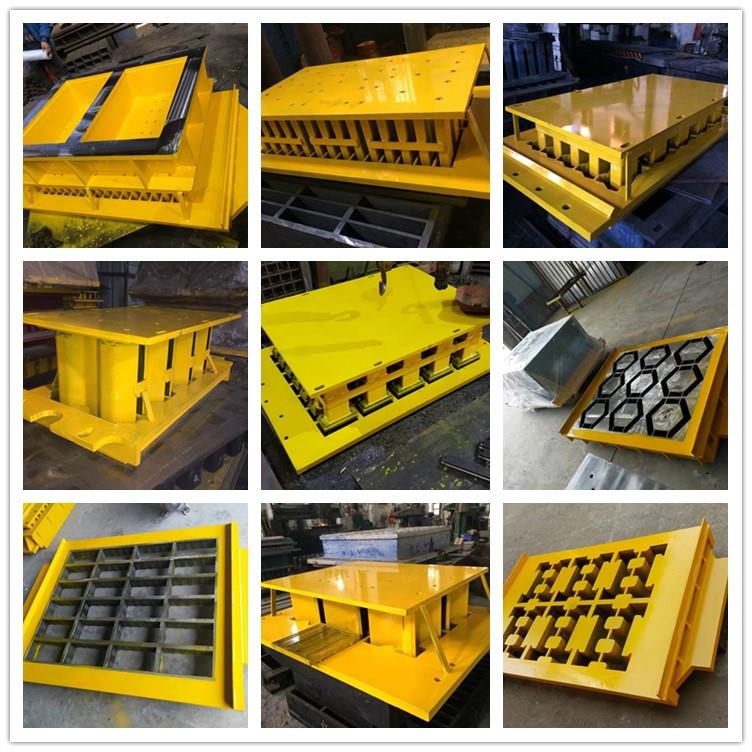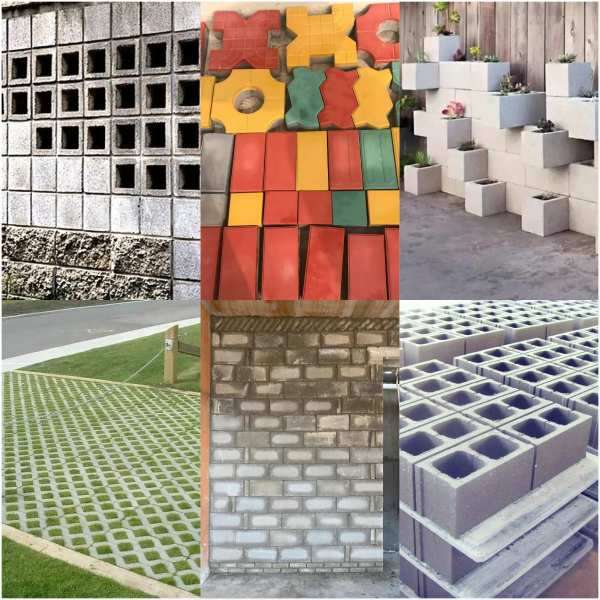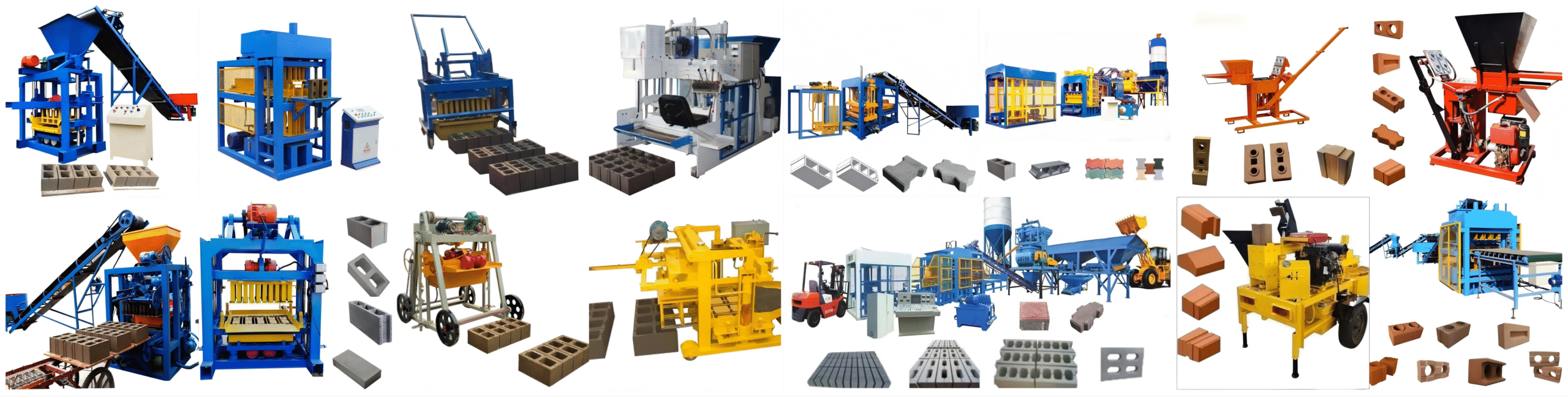
Gurluşyk Materiallary Üçin Integrirleşdirilen Öndüriş Çözgütlerine Giriş
Dünýäde gurluşyk sektorynyň standartlaşdyrylan, ýokary hilli gurluşyk böleklerine bolan isleginiň artmagy, kerpiç we blok öndürişiniň bölünip-satylan proseslerinden ösen senagat operasiýalaryna ösmegine sebäp boldy. Häzirki zaman kerpiç-blok taýýarlaýýan önümçilik maşynlary materiallary işlemek, takyk inženerlik we awtomatlaşdyrylan logistika bilen birleşdirilen giň önümçilik ekosistemlerini görkezýär. Daýynlaýjylar, satyn almak boýunça hünärmenler we senagat maýa goýujylary üçin bu ulgamlar sebit üpjünçilik zynjyryna hökmürowanlyk etmek we infrastruktura ösmeginden peýdalanmak üçin öňüni görmeýän mümkinçilikleri hödürleýär.
Senagat öndüriş ulgamlarynyň giňişleýin tehniki çarçiwasy
1.1 Integrasiýa edilen Öndüriş Iş Prosesiniň Arkitekturasy
Häzirki zaman öndürijilik ulgamlary bir-biri bilen baglanyşykly öndürijilik öýjükleri hökmünde işleýär, bu ýerde her bir basgançak iň ýokary netijelilik we önüm çyglylygy üçin iň gowy edilýär.
- Автоматлашдырылан Хам Материалды Ишлеý ве Дозалама:Industriýa ölçegli işler ulag materiallarynyň dolandyryş infrastrukturasynyň sistemaly başlanmagy bilen başlanýar. Bu, agrega üçin kabul ediji hoplar, sement materiallary üçin toplum silo sistemalary we takyk çyglylyk sensorlary bilen awtomatlaşdyrylan suw dolandyryş sistemalaryny öz içine alýar. Kompýuter tarapyndan dolandyrylýan çeki we partiýa sistemalary, öndüriş partiýalarynda yzygiderli material aýratynlyklaryny saklap, resepti 0,5% tolerantlyk çäginde üpjün edýär. Ösen sistemalar, optimal suw-sement gatnaşygy üpjün etmek üçin hakyky wagtda çyglylyk anyklamagy we awtomatik kompensasiýany öz içine alýar.
- Ýokary intensiwlikli garyndy we deňleşdirme:Gatnaşyk fazasy, önümçilik ritmini üznüksiz saklamak üçin düzgün wagtlaşdyrylan we senkronlaşdyrylan gatnaşyk siklleri arkaly, aglaba materiallaryň her bir böleginiň birmeňzeş örtülmegini we doly gidratasiýa mümkinçiligine ýetmegini üpjün edýän, özboluşly aýlanma we tersine aýlanma hereketleri arkaly birmeňzeş gatnaşyk döredýän senagat derejeli mejbury hereketli gatnaşdyryjylary ulanýar. Adaty aýlanma gatnaşdyryjylardan tapawutlylykda, bu ulgamlar sement materialynyň her bir böleginiň birmeňzeş şekilde aglaba materiallary örtüp, doly gidratasiýa mümkinçiligine ýetmegini üpjün edýär.
- Köp-basgançakly Gysma we Titreme Tekhnologiýasy:مولдалаý prosesi 150 tonndan artyk gidrawlik basyşy we 10 000 aýlaw/minutdan ýokary ýokary tezlikli titreme bilen birleşdirilen kämil injenerlik prinsiplaryny ulanýar. Bu goşmaça hereket prosesi bir wagtyň özünde hapalanan howany aýyryp, bölejikli maddalary ýygy-ýygydan ýerleşdirýär, netijede önümler iň az boşluk gatnaşygy we iň ýokary gysma berkligi bilen öndürilýär. Titreme platformasy dürli önüm dizaýnlaryny we material aýratynlyklaryny ýerine ýetirmek üçin sazlanylýan tezlik we amplituda bilen birnäçe titreme motorlaryny ulanýar.
- Awtomatlaşdyrylan Guryadiji we Önüm Gaýtadan Işleme Sistemleri:Гуйланмадан соң ишлеý, жасалма интеллектлы уткагýй системалары аркалы жашыл продуктлары богазламадан саклап, гýйелме камераларына ýetirýär. Индустриал çözgütler, температураны we nemliligi dolandyryp, gidratasiýa proseslerini optimallaşdyrýan programmalanyp bilinýän gýýelme mühitlerini hödürleýär. Soňky işleý tapgyry, robotlaşdyrylan palletleme, awtomatik gerrým we işleýş toparlaryny ýola goýýança yzarlaýan hasabat ulgamlaryny öz içine alýar.
1.2 Önümçilik Metodologiýasy we Mümkinçilikleri Boýunça Sistemleriniň Bölünişi
Öndürijilik çözgütleri, işleýiş prinsipleri we önümçilik mukdarlary boýunça bölünip, her biri aýry-ayry bazara bölümlerine hyzmat edýär.
- 1-nji dereje: Ýokary Hojatly Durnukly Zawod Ulgamlary:Bu durnukly gurluşlar, önümçilik hereketini awtomatlaşdyrylan konweýerler we geçiriji arabalar arkaly amala aşyryýan stasionar önümçilik enjamlary bilen üpjün edilýär. 8 sagatlyk wagt aralygynda 50,000-den gowrak standart blok önümçiligini üpjün etmek üçin dizaýn edilen bu ulgamlar, uly metropolitan bazarlary we giň çäklendirilen, yzygiderli üpjünçiligi talap edýän uly infrastruktura taslamalary üçin hyzmat edýär. Olaryň işjeňlik netijeliligi, iş üýtgeşmeleriniň iň azy bolmagy we yzygiderli işleýşi bilen iň ýokary derejä ýetýär.
- 2-nji dereje: Çeýeçi modul öndüriş ulgamlary:Bu konfigurýasiýalar ýarym awtomatlaşdyrylan maşynlaryň garaşsyz material işleýän we güýçlendirýän ulgamlar bilen goldanylýan öýjük usulyny ulanýar. Gündelik 10,000-30,000 birlik çykdajy hödürleýän bu çözgütler, bir wagtda birnäçe bazara hyzmat edýän öndürijiler üçin has köp önüm çeşitliligini üpjün edýär. Olaryň modully tabiaty, işiň ösmegi bilen basgançakly giňelmäge mümkinçilik berýär.
- 3-nji dereje: Mobil Senagat Öndürji Bölümleri:Bu birleşdirilen ulgamlar, geçici taslama meýdanlary ýa-da merkezleşdirilen öndüriş strategiýalary üçin düzülen bolup, gatyşdyrmak, gysylmak we esasy bejermek ukyplylyklaryny bir mobil platformada jemleýär. Gündelik önüm 5,000-15,000 birlik aralygynda bolsa-da, olaryň strategiki üstünligi, esasanam ücra ýerlerde ýa-da häsus taslamalar üçin zerur bolan daşamak çykdajylaryny aradan aýyrmak bilen, önümi gerek bolan ýerde göni öndürmekliginde ýatýar.
1.3 Strategik Bahany Döretmek we Bäsdeşlik Üstünlikleri
Senagat önümçiligi tehnologiýasyny amala aşyrmak, esasy önümçilik göstergilerinden hem giňden geçýän köp ugurly işewür peýdalary döredýär.
- Öwrüji ykdysady model we çykdajy gurluşyň rewolýusiýasy: Industrial systems fundamentally alter production economics through massive scale advantages. The per-unit cost reduction achieved through automated operation, optimized material usage, and reduced labor creates insurmountable competitive barriers. The economic model shifts from variable cost dominance to fixed cost utilization, creating exponential profitability at scale.
- Uncompromising Quality Standardization and Compliance Assurance: Manufacturing consistency ensures every unit meets precise dimensional tolerances and performance specifications. This standardization enables construction methodologies based on predictable component performance, reduces installation time, minimizes material waste on-site, and guarantees compliance with international building standards including ASTM, EN, and ISO certifications.
- Production Intelligence and Data-Driven Optimization: Industrial Internet of Things (IIoT) integration transforms production management from reactive oversight to predictive optimization. Real-time monitoring of machine performance, material consumption, energy efficiency, and product quality creates a continuous improvement cycle. Advanced analytics identify subtle optimization opportunities that compound into significant competitive advantages over time.
- Strategic Supply Chain Integration and Market Influence: Control of high-volume production capacity positions manufacturers as strategic partners rather than mere suppliers. The ability to guarantee consistent supply for major projects creates long-term contractual relationships and provides influence over material specifications and construction methodologies within regional markets.
1.4 Implementation Methodology and Commercial Deployment
Successful implementation requires systematic planning across technical, operational, and commercial dimensions.
- Comprehensive Market Analysis and Production Strategy Development: Prior to investment, detailed market assessment must identify specific product opportunities, volume requirements, and competitive positioning. The production strategy should define target product mix, capacity utilization phasing, and distribution logistics to ensure the selected system matches market realities.
- Technical Feasibility and Infrastructure Planning: Site evaluation must assess geotechnical requirements for heavy machinery foundations, utility connections for industrial-scale power and water consumption, material storage and handling areas, and environmental compliance considerations. The implementation plan should include phased commissioning to minimize operational disruption.
- Operational Readiness and Human Capital Development: Successful operation requires developing technical teams capable of managing sophisticated industrial equipment. Implementation must include comprehensive training programs covering machine operation, preventive maintenance, quality control procedures, and troubleshooting methodologies.
- Financial Modeling and Investment Optimization: Capital allocation must be justified through detailed financial analysis projecting ROI, payback period, and lifetime equipment utilization. The model should account for production ramp-up periods, working capital requirements for raw material inventories, and maintenance reserve funding.
Netije
Industrial brick block making manufacturing machines represent the convergence of construction materials production with advanced industrial engineering. These comprehensive ecosystems transcend equipment functionality to become strategic business assets that redefine competitive dynamics in building materials supply. The substantial capital commitment required demands rigorous analysis and strategic planning, but the potential rewards—market dominance, unprecedented operational efficiency, and long-term business sustainability—justify the investment for serious industry participants. As global construction trends continue toward standardization, prefabrication, and quality assurance, industrial-scale manufacturing capability will increasingly become the defining characteristic of market leadership in the building materials sector.
Frequently Asked Questions (FAQ)
Q1: What infrastructure requirements are necessary for installing an industrial-scale manufacturing system?
A: Comprehensive infrastructure must include: reinforced concrete foundations capable of supporting 20-50 tons of dynamic load, three-phase high-voltage electrical supply with transformer capacity of 150-400kVA, industrial water connection with daily capacity of 20-50 cubic meters, compressed air systems, adequate material storage yards with concrete paving, and warehouse facilities for finished product protection.
Q2: How does the operational cost structure differ between industrial systems and conventional machinery?
A: Industrial systems fundamentally transform cost structures: labor component decreases from 25-35% to 8-12% of production cost, energy consumption per unit decreases 30-40%, material waste reduces from 5-8% to 1-2%, and product damage during handling drops from 3-5% to under 0.5%. The cost structure shifts toward fixed depreciation with dramatically lower variable costs.
Q3: What technical expertise is required to maintain and operate these manufacturing systems?
A: Operating teams require cross-functional skills including: industrial mechanical systems maintenance, hydraulic and pneumatic systems troubleshooting, basic PLC programming and diagnostics, electrical control systems understanding, and quality control methodology implementation. Most suppliers provide structured training programs spanning 4-6 weeks for core technical teams.
Q4: What is the typical product range achievable with a single industrial manufacturing system?
A: Comprehensive systems can typically produce over 50 different product variations including: standard hollow blocks (4″, 6″, 8″), solid bricks of various thicknesses, paving stones in multiple shapes and textures, interlocking masonry units, retaining wall systems, and specialized architectural products. Quick mold change systems enable product transitions within 30-90 minutes.
Q5: How do these systems address environmental compliance and sustainability requirements?
A: Modern systems incorporate multiple environmental features: water recycling systems that reduce consumption by 70-80%, dust collection systems that maintain ambient air quality, noise reduction engineering that limits emissions to 75dB or less, and energy-efficient motors with regenerative drives that lower power consumption. Many systems can utilize recycled aggregates and supplementary cementitious materials.
Q6: What quality assurance capabilities are integrated into industrial manufacturing systems?
A: Comprehensive QA systems include: in-line dimensional checking with laser measurement, automated weight monitoring with feedback to batching systems, continuous compressive strength testing through sample destruction, real-time moisture content monitoring, and automated visual inspection for surface defects. Data logging provides complete traceability for every production batch.