
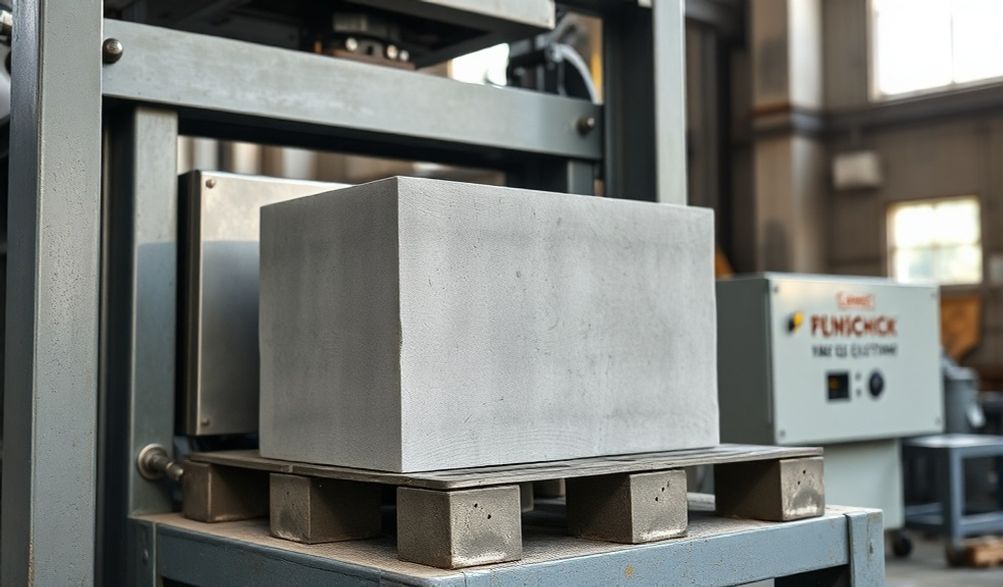
4인치 블록 머신 최종 가이드: 구매부터 수익 창출까지
소개
건설의 기초 세계에서는 일관성이 왕입니다. 당신이 빠듯한 프로젝트 일정을 관리하는 계약자이든, 건축 자재 시장을 주목하는 기업가이든, 신뢰할 수 있는 고품질 부품을 주문형으로 생산할 수 있는 능력은 판도를 바꾸는 요소입니다. 여기에4인치 블록 머신산업계에서 가장 보편적으로 사용되는 구성 요소 중 하나를 제조하기 위해 설계된 특수 장비입니다.
표준 4인치 콘크리트 블록은 만능 재료입니다. 내부 칸막이, 외부 베니어 및 수많은 다른 용도로 널리 사용됩니다. 이러한 블록을 수작업으로 제조하는 것은 노동 집약적이고 품질이 일정하지 않습니다. 그러나 전용 기계를 사용하면 원자재를 놀라운 효율성으로 정밀 부품으로 변환할 수 있습니다.
이 종합 가이드는 업계 전문 지식을 바탕으로 구성되었습니다. 단순한 판매 브로슈어를 넘어, 이러한 기계의 작동 원리, 선택 방법, 그리고 투자 대비 최대 수익을 위한 운영 방법에 대해 신뢰할 수 있고 권위 있는 정보를 제공합니다. 블록 생산 분야에서 정보에 기반한 수익성 있는 결정을 내리기 위한 기초 자료로 삼으시기 바랍니다.
4인치 블록 머신 이해하기
본질적으로 4인치 블록 제작기는 정밀 프레스 장비입니다. 반건조 콘크리트 혼합물을 받아 엄청난 압력과 진동을 결합하여 공칭 너비 4인치(100mm)의 고밀도 내구성 블록을 성형하도록 설계되었습니다. 이러한 특정 크기에 집중함으로써 일반적인 다목적 장비보다 최적화된 공학적 설계가 가능해져 더 나은 품질과 빠른 생산 속도를 실현합니다.
4인치 블록 기계 작동 방식: 사이클
이 과정은 단순하면서도 효과적인 공학의 경이로움입니다. 자동화 수준은 다양하지만, 핵심 사이클은 일관되게 유지됩니다.
- 급식준비된 콘크리트 믹스(시멘트, 모래, 골재, 물)는 기계의 호퍼에 적재됩니다.
- 미터링 및 성형:측정된 양의 혼합물이 4인치 몰드 캐비티로 공급됩니다.
- 압축:기계의 램 헤드가 하강합니다. 동시에 강력한 진동기가 작동하여 혼합물을 안정시키고 공기 주머니를 제거합니다. 20톤에서 100톤 이상에 이르는 유압이 재료를 압축하여 견고한 형태로 만듭니다.
- 이젝션새로 형성된 블록은 몰드 박스에서 밀려 올라와 대기 중인 팔레트나 컨베이어 위로 이동합니다.
- 치유:블록은 팔레트 위에 실려 경화 구역으로 옮겨져, 사용이나 판매 준비가 되기까지 며칠 동안 강도를 얻습니다.
주요 구성 요소와 그 핵심 기능
모든 부분이 품질과 가동 시간을 보장하는 데 역할을 합니다.
- 호퍼:진입점. 이는 생산 속도에 맞게 적절히 크기를 조정해야 하며, 다리 현상이나 막힘 없이 일관된 재료 흐름을 허용해야 합니다.
- 몰드 박스기계의 심장. 이 경화된 강철 부품은 블록의 모양, 질감, 치수 정밀도를 결정합니다. 고품질의 내마모성 금형은 필수 조건입니다.
- 진동 시스템일반적으로 전동 모터와 편심 추를 포함하는 이 시스템은 혼합물을 몰드의 구석구석까지 다져 넣는 데 필수적인 고주파 진동을 제공하여 균일한 밀도와 강도를 보장합니다.
- 유압/압력 시스템:근육. 이 시스템(펌프, 실린더, 밸브)은 구조적으로 견고한 블록을 생산하는 데 필요한 압력을 생성합니다. 그 신뢰성은 블록 품질에 직접적인 영향을 미칩니다.
- 제어판두뇌. 단순한 수동 버튼부터 자동 모델의 프로그래머블 로직 컨트롤러(PLC)에 이르기까지, 이것은 기계의 사이클을 제어합니다.
- 팔레트 피더/컨베이어물류를 처리합니다. 새로운 블록을 위해 빈 팔레트를 자동으로 배치하고 채워진 팔레트를 제거하여 작업 흐름을 간소화합니다.
4인치 블록 기계의 종류: 필요에 맞는 기술 매칭
모든 기계가 동등하게 만들어진 것은 아닙니다. 생산 목표에 따라 선택이 결정되어야 합니다.
- 수동 블록 기계수동 레버나 플라이휠로 작동됩니다. 상당한 육체적 노력이 필요하고 속도가 느리지만 초기 비용이 매우 낮습니다. 극소규모의 가끔 하는 프로젝트에 가장 적합합니다.
- 반자동 기계:많은 중소기업에게 최적의 선택지인 코어 성형 사이클(진동, 압축, 탈형)은 자동화되어 있지만, 원료 혼합물 투입이나 팔레트 배치 등의 작업은 수동으로 이루어질 수 있습니다. 이는 생산량, 비용, 그리고 단순함 사이에서 뛰어난 균형을 제공합니다.
- 완전 자동 블록 기계:완전 자동 생산 라인. 이는 자동 혼합 급이, 팔레트 순환, 블록 적재 및 양생 랙 처리 기능을 갖추고 있습니다. 더 높은 자본 투자와 3상 전원이 필요하지만 최소한의 노동력으로 최고의 생산량을 실현합니다.
Benefits of Using a Dedicated 4 Inch Block Machine
Why invest in a machine for just one block size? The advantages over makeshift or manual methods are substantial and tangible.
- Unmatched Precision and Consistency: Every block is identical. This dimensional accuracy is critical for speed and quality in masonry work, as consistent blocks lay faster and create a more professional finish. Structural integrity is also assured.
- Dramatically Enhanced Efficiency: A single operator on a semi-automatic machine can produce in one hour what might take a full crew a day to cast manually. This accelerates project completion or scales commercial output exponentially.
- Direct Material and Cost Savings: The machine’s precise measurement and high compaction reduce waste. You use the optimal amount of cement and aggregate per block, lowering your raw material cost per unit. Less spoilage equals higher margins.
- Inherent Versatility: While designed for 4-inch blocks, most quality machines offer interchangeable molds. With a quick change, the same machine can often produce solid blocks, 6-inch blocks, paving stones, or curb stones, allowing you to diversify your product line.
How to Choose the Right 4 Inch Block Machine
This is the most critical decision you’ll make. Let expertise, not just price, guide you. Ask the right questions.
Step 1: Honestly Assess Your Production Needs
- For a Single Project: A basic manual or small semi-automatic machine may be cost-effective. Focus on durability for the project’s duration.
- For a Startup/Small Business: A robust semi-automatic machine is typically the ideal entry point. Calculate your target daily output (e.g., 800-1500 blocks) and choose a model that exceeds it by 20% to allow for growth.
- For Large-Scale Commercial Production: You need a fully automatic line. Your analysis should focus on output per shift, total cost of ownership, and integration with mixers and material handling systems.
Step 2: Scrutinize Key Machine Specifications
- 사이클 타임: How many blocks per hour (BPH)? Don’t rely on theoretical maximums; ask for realistic, sustained production rates.
- 압력 용량 Measured in tons. Higher pressure (e.g., 60 tons vs. 30 tons) generally produces denser, stronger blocks suitable for load-bearing applications.
- 전력 요구 사항 Most semi-automatic and all automatic machines require 3-phase industrial power. Verify your facility’s electrical capacity.
- 빌드 품질: Look for a heavy, rigid frame made from thick steel plate. The vibration table should be massively built. This reduces wear and ensures stability during operation.
Step 3: Vet the Supplier with a Focus on E-A-T
Your relationship with the manufacturer or distributor is a long-term asset. Evaluate their Expertise, Authoritativeness, and Trustworthiness:
- 전문성 Do they provide clear, detailed technical documentation? Can they answer deep technical questions about mix design or machine optimization?
- 권위성 How long have they been in business? Do they have case studies or testimonials from other clients? Are their machines certified to relevant standards?
- 신뢰성: What does their after-sales support look like? A reliable supplier will offer:
- A clear, comprehensive warranty.
- Readily available spare parts inventory.
- Accessible technical support, ideally with options for remote diagnostics.
- Installation guidance or supervision.
Operational Best Practices and Maintenance
A machine is only as good as its operation. Proper setup and care prevent downtime and ensure consistent quality.
Setting Up for Success
- Foundation is Key: Install the machine on a perfectly level, reinforced concrete pad. This is critical for alignment and proper vibration transfer.
- Master the Mix: The machine can only compact what you feed it. Spend time perfecting your concrete mix ratio (e.g., 1 part cement, 3 parts sand, 2 parts aggregate) and moisture content. The mix should be semi-dry—holding its shape when squeezed but crumbling apart.
- Follow the Manual: Adhere strictly to the manufacturer’s instructions for initial startup, lubrication, and electrical connections.
Essential Maintenance Checklist
Proactive maintenance is cheap; reactive repair is expensive.
- Daily:
- Clean the mold box, hopper, and pallets thoroughly with water and a brush after the last production cycle. Never let concrete harden on components.
- Visually inspect for loose bolts, nuts, or hydraulic leaks.
- Weekly:
- Lubricate all guide rods, bearings, and moving parts with the recommended grease.
- Check hydraulic fluid levels and condition.
- Monthly:
- Tighten all motor and vibrator mounting bolts (vibration can loosen them).
- Inspect mold liners for wear and replace if blocks show rounded edges or sticking.
- Check electrical connections for tightness.
Troubleshooting Common Issues
- Blocks Cracking or Breaking on Ejection: The most common cause is a mix that is too dry. Increase water slightly. Secondary causes: worn mold liners or excessive vibration time.
- Poor Surface Finish or “Honeycombing”: Usually caused by a mix that is too wet or insufficient vibration/compaction. Adjust the mix and ensure the vibration system is functioning at full power.
- Machine Jamming or Misalignment: Often due to a foreign object (stone, tool) falling into the mold or a damaged/bent pallet. Stop immediately, clear the obstruction, and inspect for damage.
Economic Analysis: Cost and ROI of a 4 Inch Block Machine
Let’s translate this into practical numbers. Understanding the financials is where real-world 경험 pays off.
Initial Investment Breakdown
Your upfront cost is more than the machine’s price tag:
* Machine Cost (varies widely: $5,000 – $50,000+)
* Shipping and Import Duties (if applicable)
* Installation & Foundation Work
* Facility Modifications (3-phase power installation, water supply)
* Initial Stock of Pallets and Spare Parts
Operational Cost Factors (Monthly)
These are your ongoing expenses:
* 원자재 Cement, sand, aggregate. This is typically 50-70% of your production cost.
* 노동 Wages for machine operators and material handlers.
* Utilities: Electricity for the machine and mixer, water for the mix and cleaning.
* Maintenance Fund: A reserved percentage of revenue for routine parts and unexpected repairs.
Calculating Your Potential Return on Investment (ROI)
This simplified model illustrates the process:
- Monthly Revenue: Blocks Produced/Month × Selling Price/Block.
- 예시: 30,000 blocks × $0.80/block = $24,000
- Monthly Operational Cost: Material Cost + Labor + Utilities + Maintenance.
- 예시: ($0.35/material cost per block × 30,000) + $2,000 labor + $500 utilities = $13,000
- Monthly Gross Profit: Revenue – Operational Cost.
- 예시: $24,000 – $13,000 = $11,000
- ROI Timeframe (Break-Even Point): Total Initial Investment / Monthly Gross Profit.
- 예시: $40,000 investment / $11,000 monthly profit = ~3.6 months.
참고: This is a simplified example. Your local market prices, material costs, and efficiency will vary. A well-run small semi-automatic operation often targets full ROI within 12-18 months.
자주 묻는 질문 (FAQ)
Q: What is the typical production capacity of a semi-automatic 4 inch block machine?
A: A standard semi-automatic machine can produce between 800 to 1500 blocks in an 8-hour shift, depending on the model and operator efficiency.
Q: Can I use a 4 inch block machine to produce other sizes?
A: Primarily, it is designed for 4-inch blocks. However, many manufacturers offer interchangeable molds for different block types (e.g., 6-inch, pavers). You must confirm the machine’s compatibility and pressure capacity for other molds.
Q: What is the required compressive strength of blocks made for load-bearing walls?
A: For load-bearing applications, blocks typically need a minimum compressive strength of 1,500 to 2,000 psi (10-14 MPa). This is achieved by using the correct cement mix ratio and proper machine compression. Always consult local building codes.
Q: How much space do I need to install and operate this machine?
A: You need space for the machine itself, raw material storage, a mixing area, and a curing yard. A minimum covered area of 500-1000 sq. ft. is recommended for a small-scale setup, excluding open curing space.
Q: What kind of after-sales support should I expect from a reliable supplier?
A: A trustworthy supplier should provide detailed installation manuals, offer installation supervision or clear guidance, supply a comprehensive parts catalog, and have a responsive technical support team available for troubleshooting.
결론
투자하기4인치 블록 머신 is a strategic decision that moves you from being a consumer of building materials to a producer. It’s an investment in autonomy, quality control, and business potential. The journey from selection to profitable operation requires careful planning, grounded in the kind of expert knowledge we’ve outlined here.
Success hinges on choosing a machine built to last, from a supplier who stands behind their product, and committing to the operational discipline that ensures consistent quality. By doing so, you unlock a reliable stream of a fundamental construction component, turning raw materials into both building blocks and a solid foundation for your financial growth. Use this guide as your starting point, conduct thorough due diligence, and build your future—one precise block at a time.
<