
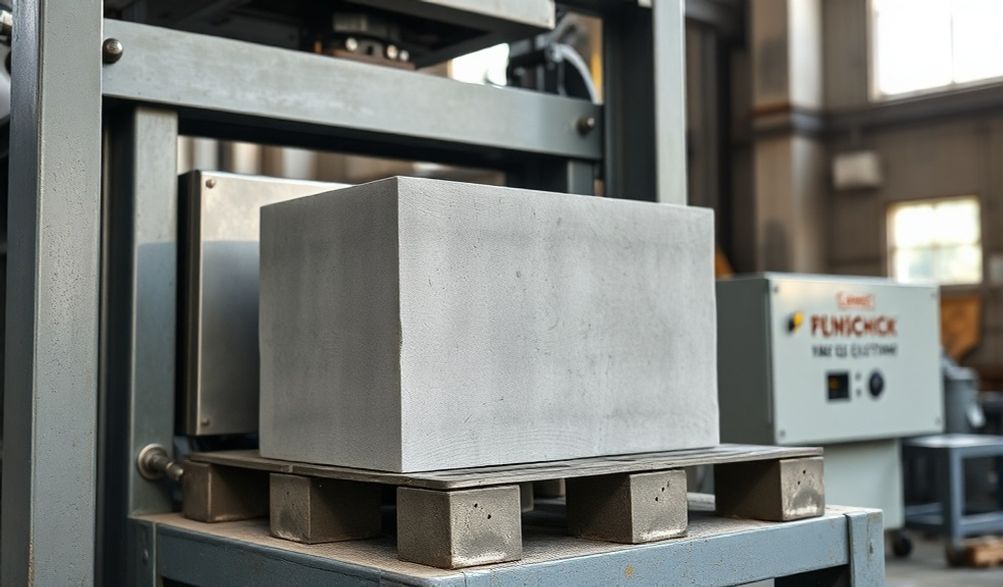
Дастури олии мошинҳои блоки 4 дюймӣ: аз харид то фоида
Муқаддима
Дар олами асосии сохтмон, пайвастагӣ шоҳ аст. Хамоно ки шумо подрядкоре бошад, ки тартиби муҳлати лозимаи лоиҳаро идора мекунад, ё соҳибкоре бошад, ки ба бозори молҳои сохтмонӣ назар дорад, имконияти истеҳсоли унсурҳои боварипазир ва сифати баланд дар вақти талаб кардан, тағйирдиҳандаи бозӣ мебошад. Дар ин ҷомашинаи блокҳои 4 дюймӣяк дастгоҳи махсус, ки барои истеҳсоли яке аз маҳсулоти асосии серкор дар саноат таҳия шудааст.
Блоки стандартии бетонӣ дар андозаи 4 дюйм асоси кор мебошанд. Онҳо барои деворҳои дохилӣ, пӯшиши берунӣ ва бисёр дигар мақсадҳо истифода мешаванд. Истеҳсоли дастии ин блокҳо заҳматталаб ва нобаробар аст. Аммо, мошини махсус сарватҳои хомро ба қисмҳои дақиқ бо самаранокии назаррас табдил медиҳад.
Ин дастури пурра ба ихтисоси саноатӣ асос ёфтааст. Мо аз маводҳи тавсифотии фурӯшӣ гузашта, ба тавзеҳоти боваринок ва эътимоднок дар бораи тарзи кор, интихоб ва истифодаи ин дастгоҳҳо барои ба даст овардани сармоягузории ҳаддиаксар мепардозем. Ин манбаи асосии шумо барои қабули қарорҳои огоҳона ва фоидаовар дар ҷаҳони истеҳсоли блокҳо мебошад.
Фаҳмиши Мошинаи Блоки 4 Дюйм
Дар асоси худ, мошинаи блоки 4 дюймӣ як пресси дақиқ аст. Он барои гирифтани омехтаи нимхушки бетон ва, тавассути комбинатсияи фишори бузург ва ларзиш, сохтани он ба як блоки зич ва устувор бо паҳнои номиналии 4 дюйм (100мм) тарҳрезӣ шудааст. Ин диққати ба андозаи мушаххас барои муҳандисӣ беҳтар кардани сифат ва истеҳсоли зудтар нисбат ба таҷҳизоти умумӣ ва сермақсад имкон медиҳад.
Чӣ тавр мошини блоксозии 4 дюйм кор мекунад: Давраи корӣ
Раванди мураккаби муҳандисӣ, ки содда ва самарабахш аст. Ҳарчанд сатҳҳои автоматсозӣ фарқ мекунанд, сикли асосӣ доимо яксон аст:
- Хӯрок доданОмехтаи бетони омода (семент, рег, агрегат, об) ба хо́ппери мошина бор карда мешавад.
- Метркунӣ ва қолибрезӣ:Миқдори ченшудаи омехта ба ҷойи қолиби 4-дюймӣ ворид карда мешавад.
- Фарсудан:Саррами машина фуруд меояд. Ҳамзамон, вибраторҳои пурқувват фаъол мешаванд, ки омехтаро мустаҳкам карда ва ҳавоҳоро бартараф мекунанд. Фишори гидравликӣ—ки аксар вақт аз 20 то 100+ тонн аст—маводро ба шакли сахт фишор медиҳад.
- Хориҷ кардан:Блоки навташкидашуда аз қуттии қолиб берун ба рӯи палет ё конвейери интизорӣ ҳаракат мекунанд.
- Шифо додан:Блок, ки дар паллеташ қарор дорад, ба майдони сахтшавӣ кӯчонида мешавад, ки дар он ҷо дар давоми рӯзҳо қувват мегирад, то ки барои истифода ё фурӯш омода шавад.
Key Components and Their Critical Functions
Every part plays a role in ensuring quality and uptime:
- Ҳоппер: The entry point. It must be sized appropriately for your production pace and allow for consistent material flow without bridging or clogging.
- Қуттии қолибсозӣ: The heart of the machine. This hardened steel component defines the block’s shape, texture, and dimensional accuracy. A high-quality, wear-resistant mold is non-negotiable.
- Системаи Ларзишӣ: Typically consisting of electric motors and eccentric weights, this system provides the high-frequency shaking essential for compacting the mix into every corner of the mold, ensuring uniform density and strength.
- Hydraulic/Pressure System: The muscle. This system (pump, cylinders, valves) generates the tonnage required to produce a structurally sound block. Its reliability directly impacts block quality.
- Панели идоракунӣ: The brain. From simple manual buttons to programmable logic controllers (PLCs) on automatic models, this governs the machine’s cycle.
- Pallet Feeder/Conveyor: Handles logistics. It automatically positions empty pallets for the new block and removes filled ones, streamlining the workflow.
Types of 4 Inch Block Machines: Matching Technology to Need
Not all machines are created equal. Your choice should be dictated by your production goals.
- Дастгоҳҳои блоксозии дастӣ Operated via hand levers or flywheels. They require significant physical effort and are slow but have a very low upfront cost. Best for extremely small, occasional projects.
- Машинаҳои ним-автоматӣ: The sweet spot for many small businesses. The core molding cycle (vibration, compression, ejection) is automated, but tasks like feeding raw mix or placing pallets may be manual. They offer an excellent balance of output, cost, and simplicity.
- Машинаҳои пурра автоматӣ барои сохтани блокҳо: Complete production lines. These feature automated mix feeding, pallet circulation, block stacking, and even curing rack handling. They require a higher capital investment and 3-phase power but produce the highest volume with minimal labor.
Benefits of Using a Dedicated 4 Inch Block Machine
Why invest in a machine for just one block size? The advantages over makeshift or manual methods are substantial and tangible.
- Unmatched Precision and Consistency: Every block is identical. This dimensional accuracy is critical for speed and quality in masonry work, as consistent blocks lay faster and create a more professional finish. Structural integrity is also assured.
- Dramatically Enhanced Efficiency: A single operator on a semi-automatic machine can produce in one hour what might take a full crew a day to cast manually. This accelerates project completion or scales commercial output exponentially.
- Direct Material and Cost Savings: The machine’s precise measurement and high compaction reduce waste. You use the optimal amount of cement and aggregate per block, lowering your raw material cost per unit. Less spoilage equals higher margins.
- Inherent Versatility: While designed for 4-inch blocks, most quality machines offer interchangeable molds. With a quick change, the same machine can often produce solid blocks, 6-inch blocks, paving stones, or curb stones, allowing you to diversify your product line.
How to Choose the Right 4 Inch Block Machine
This is the most critical decision you’ll make. Let expertise, not just price, guide you. Ask the right questions.
Step 1: Honestly Assess Your Production Needs
- For a Single Project: A basic manual or small semi-automatic machine may be cost-effective. Focus on durability for the project’s duration.
- For a Startup/Small Business: A robust semi-automatic machine is typically the ideal entry point. Calculate your target daily output (e.g., 800-1500 blocks) and choose a model that exceeds it by 20% to allow for growth.
- For Large-Scale Commercial Production: You need a fully automatic line. Your analysis should focus on output per shift, total cost of ownership, and integration with mixers and material handling systems.
Step 2: Scrutinize Key Machine Specifications
- Вақти даврӣ: How many blocks per hour (BPH)? Don’t rely on theoretical maximums; ask for realistic, sustained production rates.
- Давомнокии фишор: Measured in tons. Higher pressure (e.g., 60 tons vs. 30 tons) generally produces denser, stronger blocks suitable for load-bearing applications.
- Талабҳои барқ: Most semi-automatic and all automatic machines require 3-phase industrial power. Verify your facility’s electrical capacity.
- Сифати сохтмон: Look for a heavy, rigid frame made from thick steel plate. The vibration table should be massively built. This reduces wear and ensures stability during operation.
Step 3: Vet the Supplier with a Focus on E-A-T
Your relationship with the manufacturer or distributor is a long-term asset. Evaluate their Expertise, Authoritativeness, and Trustworthiness:
- Тахассус Do they provide clear, detailed technical documentation? Can they answer deep technical questions about mix design or machine optimization?
- Давлатдорӣ: How long have they been in business? Do they have case studies or testimonials from other clients? Are their machines certified to relevant standards?
- Содиқӣ: What does their after-sales support look like? A reliable supplier will offer:
- A clear, comprehensive warranty.
- Readily available spare parts inventory.
- Accessible technical support, ideally with options for remote diagnostics.
- Installation guidance or supervision.
Operational Best Practices and Maintenance
A machine is only as good as its operation. Proper setup and care prevent downtime and ensure consistent quality.
Setting Up for Success
- Foundation is Key: Install the machine on a perfectly level, reinforced concrete pad. This is critical for alignment and proper vibration transfer.
- Master the Mix: The machine can only compact what you feed it. Spend time perfecting your concrete mix ratio (e.g., 1 part cement, 3 parts sand, 2 parts aggregate) and moisture content. The mix should be semi-dry—holding its shape when squeezed but crumbling apart.
- Follow the Manual: Adhere strictly to the manufacturer’s instructions for initial startup, lubrication, and electrical connections.
Essential Maintenance Checklist
Proactive maintenance is cheap; reactive repair is expensive.
- Daily:
- Clean the mold box, hopper, and pallets thoroughly with water and a brush after the last production cycle. Never let concrete harden on components.
- Visually inspect for loose bolts, nuts, or hydraulic leaks.
- Weekly:
- Lubricate all guide rods, bearings, and moving parts with the recommended grease.
- Check hydraulic fluid levels and condition.
- Monthly:
- Tighten all motor and vibrator mounting bolts (vibration can loosen them).
- Inspect mold liners for wear and replace if blocks show rounded edges or sticking.
- Check electrical connections for tightness.
Troubleshooting Common Issues
- Blocks Cracking or Breaking on Ejection: The most common cause is a mix that is too dry. Increase water slightly. Secondary causes: worn mold liners or excessive vibration time.
- Poor Surface Finish or “Honeycombing”: Usually caused by a mix that is too wet or insufficient vibration/compaction. Adjust the mix and ensure the vibration system is functioning at full power.
- Machine Jamming or Misalignment: Often due to a foreign object (stone, tool) falling into the mold or a damaged/bent pallet. Stop immediately, clear the obstruction, and inspect for damage.
Economic Analysis: Cost and ROI of a 4 Inch Block Machine
Let’s translate this into practical numbers. Understanding the financials is where real-world Таҷриба pays off.
Initial Investment Breakdown
Your upfront cost is more than the machine’s price tag:
* Machine Cost (varies widely: $5,000 – $50,000+)
* Shipping and Import Duties (if applicable)
* Installation & Foundation Work
* Facility Modifications (3-phase power installation, water supply)
* Initial Stock of Pallets and Spare Parts
Operational Cost Factors (Monthly)
These are your ongoing expenses:
* Маводҳои хом: Cement, sand, aggregate. This is typically 50-70% of your production cost.
* Меҳнат: Wages for machine operators and material handlers.
* Utilities: Electricity for the machine and mixer, water for the mix and cleaning.
* Maintenance Fund: A reserved percentage of revenue for routine parts and unexpected repairs.
Calculating Your Potential Return on Investment (ROI)
This simplified model illustrates the process:
- Monthly Revenue: Blocks Produced/Month × Selling Price/Block.
- Дар ин ҷо, тарҷумаи матн ба забони тоҷикӣ оварда шудааст. 30,000 blocks × $0.80/block = $24,000
- Monthly Operational Cost: Material Cost + Labor + Utilities + Maintenance.
- Дар ин ҷо, тарҷумаи матн ба забони тоҷикӣ оварда шудааст. ($0.35/material cost per block × 30,000) + $2,000 labor + $500 utilities = $13,000
- Monthly Gross Profit: Revenue – Operational Cost.
- Дар ин ҷо, тарҷумаи матн ба забони тоҷикӣ оварда шудааст. $24,000 – $13,000 = $11,000
- ROI Timeframe (Break-Even Point): Total Initial Investment / Monthly Gross Profit.
- Дар ин ҷо, тарҷумаи матн ба забони тоҷикӣ оварда шудааст. $40,000 investment / $11,000 monthly profit = ~3.6 months.
Эзоҳ: This is a simplified example. Your local market prices, material costs, and efficiency will vary. A well-run small semi-automatic operation often targets full ROI within 12-18 months.
Frequently Asked Questions (FAQ)
Q: What is the typical production capacity of a semi-automatic 4 inch block machine?
A: A standard semi-automatic machine can produce between 800 to 1500 blocks in an 8-hour shift, depending on the model and operator efficiency.
Q: Can I use a 4 inch block machine to produce other sizes?
A: Primarily, it is designed for 4-inch blocks. However, many manufacturers offer interchangeable molds for different block types (e.g., 6-inch, pavers). You must confirm the machine’s compatibility and pressure capacity for other molds.
Q: What is the required compressive strength of blocks made for load-bearing walls?
A: For load-bearing applications, blocks typically need a minimum compressive strength of 1,500 to 2,000 psi (10-14 MPa). This is achieved by using the correct cement mix ratio and proper machine compression. Always consult local building codes.
Q: How much space do I need to install and operate this machine?
A: You need space for the machine itself, raw material storage, a mixing area, and a curing yard. A minimum covered area of 500-1000 sq. ft. is recommended for a small-scale setup, excluding open curing space.
Q: What kind of after-sales support should I expect from a reliable supplier?
A: A trustworthy supplier should provide detailed installation manuals, offer installation supervision or clear guidance, supply a comprehensive parts catalog, and have a responsive technical support team available for troubleshooting.
Conclusion
Investing in a машинаи блокҳои 4 дюймӣ is a strategic decision that moves you from being a consumer of building materials to a producer. It’s an investment in autonomy, quality control, and business potential. The journey from selection to profitable operation requires careful planning, grounded in the kind of expert knowledge we’ve outlined here.
Success hinges on choosing a machine built to last, from a supplier who stands behind their product, and committing to the operational discipline that ensures consistent quality. By doing so, you unlock a reliable stream of a fundamental construction component, turning raw materials into both building blocks and a solid foundation for your financial growth. Use this guide as your starting point, conduct thorough due diligence, and build your future—one precise block at a time.
<