
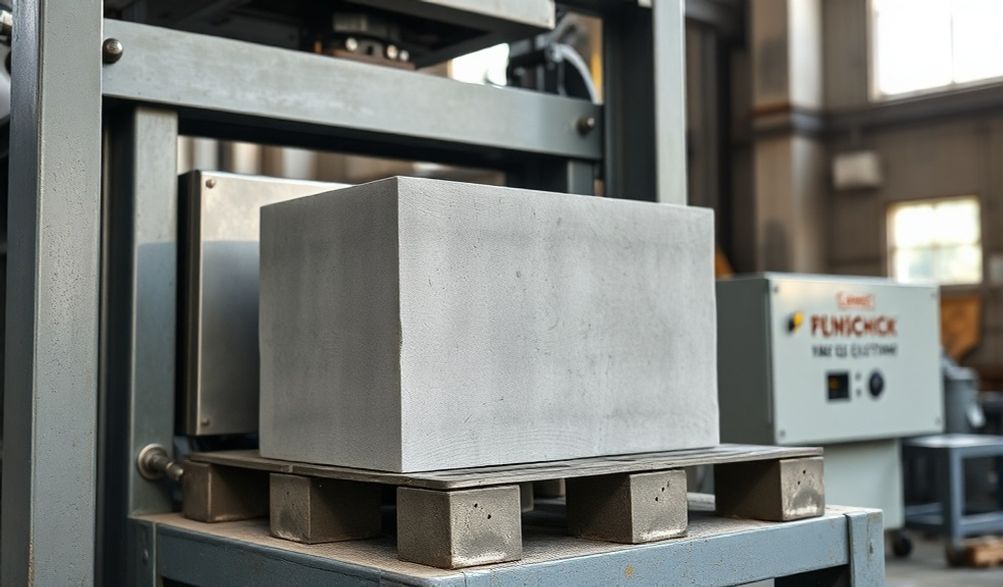
Ingamba y'ingenzi yo Kubona Amashanyarazi ya 4 Inch: Kuva mu Gura Kugeza mu Bwishyu
Intangamarara
Mu ishingiro ry’ubwubatsi, gukomeza ni cyo gihanga. Niba uri umukontarakare ukurinda igihe cy’umushinga cyihuse cyangwa umubyazamutungo urebye isoko y’ibikoresho by’ubwubatsi, ubushobozi bwo gukora ibintu byizewe, by’icyiza bihagije ku gihe cyo gukenera birihindura umukino. InjiraMashini yo gukora ibitambaro bya santimetero 4- igikoresho cyihariye cyakozwe kugirango gikore igice kimwe mu bigize ubwoko bw’ibikoresho byinshi mu rwego rw’ubwubatsi.
Ingabo z’ibumba z’ubushyuhe z’uburebure bwa santimetero 4 ni ingabo zikora cyane. Zikoreshwa cyane mu gutandukanya ibice by’inzu mu ndi, mu gushyira ibikozwe mu ndi, no mu bikorwa byinshi by’ubwoko bwose. Kubikora mu buryo bwa gikondo bishobora kuba bikomeye kandi ntibikora neza. Ariko, umashini wihariye ushobora guhindura ibikoresho by’ingenzi ibikoresho by’ubwoko bwiza mu buryo bwihuse cyane.
Iyi gahunda yuzuye yubatswe ku bumenyi bukuru mu rwego. Tuzasimbuka inyandiko z'ubucuruzi kugirango duhe isura yizewe, yemewe n’abafatanyabikorwa yerekeye uko ibi mashini bikora, uburyo bwo kubyihitiramo, ndetse n'uburyo bwo kubikoresha kugirango bibashe kugarura inyungu nyinshi. Ibi ni ingenzi kugirango ushobore gufata icyemezo kizwi cyane kandi gikungahaye mu rwego rwo gukora amabuye y’ubatswe.
Gusobanukirwa Imashini yo Kubaka Ibitego bya 4 Inch
Mu ngingo yacyo, umashini w’ibyumba bya santimetero 4 ni mashini y’ubukana bukabije. Yaremwe kugira ngo ifate ibyumba bya sima biri hagati y’ubukana n’ubunyogoshyogo, hanyuma ikabikanda mu bukana bukomeye n’ubunyogoshyogo, ikabigira ibyumba bya sima bikomeye kandi bihoraho, bifite ubugari bw’ibipimo bya santimetero 4 (100mm). Icyo gitekerezo cyo gukora ibyumba by’ubunini bwa hambaye kigamije kugira imashini zihagije kandi zikora neza, bigatuma ibikorwa byiza kandi byihuta kurusha ibikoresho byinshi bifite inshingano nyinshi.
Uburyo Imashini yo Kubaka ibikoresho bya Simenti y’Inch 4 Ikora: Umuzingo
Uburyo bwo gukora ni ubwiza bw'ubumenyi bw'ikoranabuhanga bworoshye kandi bukora neza. Nubwo ibipimo byo gukora mu buryo bwikora bitandukanye, umuzingo w'ingenzi ugumana ukomeza:
- Kurisha:Ibiribwa bya beto byateguwe (siman, isazi, amabuye y’umusaruro, amazi) bihanwa mu mafunguro ya mashini.
- Gukora na Gukora Imikorere:Ingano yagenwe y’umuvange ihanikirwa mu mwobo w’igipangu cya 4-inch.
- Gukanyaga:Umutwe w’inyamaswa w’umushini uramanuka. Igihe kimwe, ibinyabiziga by’amashanyarazi bikomeye bitangira gukora, bigatuma umuvange utanga kandi ukuraho amapombi. Ingufu z’amazi—zimwe na zimwe ziva kuri toni 20 kugeza kuri 100+—zisubiza ibintu mu miterere y’inyanduranyo.
- GuhagarikaUmutwe mushya wakozwe uhererejwe hejuru mu kiboxi cya moule ujya ku paleti cyangwa conveyor yitegereje.
- Gukora:Igice, kuri paleti yacyo, giterwa ahantu ha gikorerwamo ubushyuhe kugira nigihe gifate imbaraga mu minsi mbere yo gukoreshwa cyangwa kugurishwa.
Ibice By'ingenzi N'Imirimo Yabyo Y'akazi
Buri gice gifite uruhare mu kurengera ubuziranenge n'igihe cyo gukora.
- Hopper:Icyicaro gishingiyeho. Kigomba kugira ubunini bukwiye uko umuvuduko w’umusaruro wawe ubiri, kandi kigatuma ibikoresho bigenda byifashe neza bitahagarara cyangwa ngo bigomeke.
- Ibisahuri bya Moule:Umutima w’ikinyabiziga. Iki gice cy’icyuma gikomeye gishyiraho imiterere, uburyo bw’ibara, n’uburinganire bw’ibipimo bya block. Ikirundo cy’ubuziranenge bw’isoko, kidahangayika, ntigishobora kwirengagizwa.
- Sisitemu yo Gutengurwa:Muri rusange ikaba irimo moteri z’amashanyarazi n’ibipimo birengera, ubu buryo butanga guhinda urujya n’inabi kw’umuvuduko mwinshi ku buryo bwihariye bwo gushyira mu buryo bwo kuzuza imvange mu nguni zose, bigashyiraho uburemere n’imbaraga zisa.
- Sisitemu ya Hydraulic / UmuvudukoImitsi. Ubu buryo (pompe, silinderi, valve) butanga uburemere bukenewe kugira ngo habeho urusobekerane ruboneye rw’amabuye (ibyapa by’amabuye). Ibyiringiro byaryo bigira ingaruka ku miterere y’urwo rusobekerane.
- Paneli yo Gucunga:Ubwonko. Kuva kuri buto zikoreshwa n'intoki zoroshye kugeza kuri kontirologo zishobora gutunganywa (PLC) ku bikoresho byikora, ibi bigenga uruziga rw'igikoresho.
- Iherezo ry’ibyapa / Umuyoboro w’ibyapaIkora ibikorwa by’ibicuruzwa. Itegura ku buryo bwikora ibigega by’ibishashara byubusa kugira ngo byakirire ibintu bishya, kandi ikuremo ibyuzwe, bituma umurimo ugenda neza.
Ubwoko bw’Imashini z’Amabati y’Inch 4: Gukweza Ikoranabuhanga ku Bikenewe
Not all machines are created equal. Your choice should be dictated by your production goals.
- Imashini z’ibikoresho by’ibyumba by’ibikoresho: Operated via hand levers or flywheels. They require significant physical effort and are slow but have a very low upfront cost. Best for extremely small, occasional projects.
- Imitungo Imigendeshwa n'ikiremwamuntu: The sweet spot for many small businesses. The core molding cycle (vibration, compression, ejection) is automated, but tasks like feeding raw mix or placing pallets may be manual. They offer an excellent balance of output, cost, and simplicity.
- Imashini z’ibyuma zikora mu buryo bwikora: Complete production lines. These feature automated mix feeding, pallet circulation, block stacking, and even curing rack handling. They require a higher capital investment and 3-phase power but produce the highest volume with minimal labor.
Benefits of Using a Dedicated 4 Inch Block Machine
Why invest in a machine for just one block size? The advantages over makeshift or manual methods are substantial and tangible.
- Unmatched Precision and Consistency: Every block is identical. This dimensional accuracy is critical for speed and quality in masonry work, as consistent blocks lay faster and create a more professional finish. Structural integrity is also assured.
- Dramatically Enhanced Efficiency: A single operator on a semi-automatic machine can produce in one hour what might take a full crew a day to cast manually. This accelerates project completion or scales commercial output exponentially.
- Direct Material and Cost Savings: The machine’s precise measurement and high compaction reduce waste. You use the optimal amount of cement and aggregate per block, lowering your raw material cost per unit. Less spoilage equals higher margins.
- Inherent Versatility: While designed for 4-inch blocks, most quality machines offer interchangeable molds. With a quick change, the same machine can often produce solid blocks, 6-inch blocks, paving stones, or curb stones, allowing you to diversify your product line.
How to Choose the Right 4 Inch Block Machine
This is the most critical decision you’ll make. Let expertise, not just price, guide you. Ask the right questions.
Step 1: Honestly Assess Your Production Needs
- For a Single Project: A basic manual or small semi-automatic machine may be cost-effective. Focus on durability for the project’s duration.
- For a Startup/Small Business: A robust semi-automatic machine is typically the ideal entry point. Calculate your target daily output (e.g., 800-1500 blocks) and choose a model that exceeds it by 20% to allow for growth.
- For Large-Scale Commercial Production: You need a fully automatic line. Your analysis should focus on output per shift, total cost of ownership, and integration with mixers and material handling systems.
Step 2: Scrutinize Key Machine Specifications
- Igihe cyo gukora How many blocks per hour (BPH)? Don’t rely on theoretical maximums; ask for realistic, sustained production rates.
- Pressure Capacity: Measured in tons. Higher pressure (e.g., 60 tons vs. 30 tons) generally produces denser, stronger blocks suitable for load-bearing applications.
- Ibikenewe by'ingufu: Most semi-automatic and all automatic machines require 3-phase industrial power. Verify your facility’s electrical capacity.
- Ubwiza bwo Kubaka Look for a heavy, rigid frame made from thick steel plate. The vibration table should be massively built. This reduces wear and ensures stability during operation.
Step 3: Vet the Supplier with a Focus on E-A-T
Your relationship with the manufacturer or distributor is a long-term asset. Evaluate their Expertise, Authoritativeness, and Trustworthiness:
- Ubumenyi Do they provide clear, detailed technical documentation? Can they answer deep technical questions about mix design or machine optimization?
- Ubushobozi bwo kugira uburenganzira: How long have they been in business? Do they have case studies or testimonials from other clients? Are their machines certified to relevant standards?
- Ubushobozi bwo kwiringirwa: What does their after-sales support look like? A reliable supplier will offer:
- A clear, comprehensive warranty.
- Readily available spare parts inventory.
- Accessible technical support, ideally with options for remote diagnostics.
- Installation guidance or supervision.
Operational Best Practices and Maintenance
A machine is only as good as its operation. Proper setup and care prevent downtime and ensure consistent quality.
Setting Up for Success
- Foundation is Key: Install the machine on a perfectly level, reinforced concrete pad. This is critical for alignment and proper vibration transfer.
- Master the Mix: The machine can only compact what you feed it. Spend time perfecting your concrete mix ratio (e.g., 1 part cement, 3 parts sand, 2 parts aggregate) and moisture content. The mix should be semi-dry—holding its shape when squeezed but crumbling apart.
- Follow the Manual: Adhere strictly to the manufacturer’s instructions for initial startup, lubrication, and electrical connections.
Essential Maintenance Checklist
Proactive maintenance is cheap; reactive repair is expensive.
- Buri munsi:
- Clean the mold box, hopper, and pallets thoroughly with water and a brush after the last production cycle. Never let concrete harden on components.
- Visually inspect for loose bolts, nuts, or hydraulic leaks.
- Buri cyumweru:
- Lubricate all guide rods, bearings, and moving parts with the recommended grease.
- Check hydraulic fluid levels and condition.
- Monthly:
- Tighten all motor and vibrator mounting bolts (vibration can loosen them).
- Inspect mold liners for wear and replace if blocks show rounded edges or sticking.
- Check electrical connections for tightness.
Troubleshooting Common Issues
- Blocks Cracking or Breaking on Ejection: The most common cause is a mix that is too dry. Increase water slightly. Secondary causes: worn mold liners or excessive vibration time.
- Poor Surface Finish or “Honeycombing”: Usually caused by a mix that is too wet or insufficient vibration/compaction. Adjust the mix and ensure the vibration system is functioning at full power.
- Machine Jamming or Misalignment: Often due to a foreign object (stone, tool) falling into the mold or a damaged/bent pallet. Stop immediately, clear the obstruction, and inspect for damage.
Economic Analysis: Cost and ROI of a 4 Inch Block Machine
Let’s translate this into practical numbers. Understanding the financials is where real-world Uburambe pays off.
Initial Investment Breakdown
Your upfront cost is more than the machine’s price tag:
* Machine Cost (varies widely: $5,000 – $50,000+)
* Shipping and Import Duties (if applicable)
* Installation & Foundation Work
* Facility Modifications (3-phase power installation, water supply)
* Initial Stock of Pallets and Spare Parts
Operational Cost Factors (Monthly)
These are your ongoing expenses:
* Ibikoresho by'ibanze: Cement, sand, aggregate. This is typically 50-70% of your production cost.
* Umurimo: Wages for machine operators and material handlers.
* Utilities: Electricity for the machine and mixer, water for the mix and cleaning.
* Maintenance Fund: A reserved percentage of revenue for routine parts and unexpected repairs.
Calculating Your Potential Return on Investment (ROI)
This simplified model illustrates the process:
- Monthly Revenue: Blocks Produced/Month × Selling Price/Block.
- Urugero: 30,000 blocks × $0.80/block = $24,000
- Monthly Operational Cost: Material Cost + Labor + Utilities + Maintenance.
- Urugero: ($0.35/material cost per block × 30,000) + $2,000 labor + $500 utilities = $13,000
- Monthly Gross Profit: Revenue – Operational Cost.
- Urugero: $24,000 – $13,000 = $11,000
- ROI Timeframe (Break-Even Point): Total Initial Investment / Monthly Gross Profit.
- Urugero: $40,000 investment / $11,000 monthly profit = ~3.6 months.
Icyitonderwa: This is a simplified example. Your local market prices, material costs, and efficiency will vary. A well-run small semi-automatic operation often targets full ROI within 12-18 months.
Bibazo Byinshi Byibazwa (FAQ)
Q: What is the typical production capacity of a semi-automatic 4 inch block machine?
A: A standard semi-automatic machine can produce between 800 to 1500 blocks in an 8-hour shift, depending on the model and operator efficiency.
Q: Can I use a 4 inch block machine to produce other sizes?
A: Primarily, it is designed for 4-inch blocks. However, many manufacturers offer interchangeable molds for different block types (e.g., 6-inch, pavers). You must confirm the machine’s compatibility and pressure capacity for other molds.
Q: What is the required compressive strength of blocks made for load-bearing walls?
A: For load-bearing applications, blocks typically need a minimum compressive strength of 1,500 to 2,000 psi (10-14 MPa). This is achieved by using the correct cement mix ratio and proper machine compression. Always consult local building codes.
Q: How much space do I need to install and operate this machine?
A: You need space for the machine itself, raw material storage, a mixing area, and a curing yard. A minimum covered area of 500-1000 sq. ft. is recommended for a small-scale setup, excluding open curing space.
Q: What kind of after-sales support should I expect from a reliable supplier?
A: A trustworthy supplier should provide detailed installation manuals, offer installation supervision or clear guidance, supply a comprehensive parts catalog, and have a responsive technical support team available for troubleshooting.
Ibyo byose
Gutanga amafaranga muMashini yo gukora ibitambaro bya santimetero 4 is a strategic decision that moves you from being a consumer of building materials to a producer. It’s an investment in autonomy, quality control, and business potential. The journey from selection to profitable operation requires careful planning, grounded in the kind of expert knowledge we’ve outlined here.
Success hinges on choosing a machine built to last, from a supplier who stands behind their product, and committing to the operational discipline that ensures consistent quality. By doing so, you unlock a reliable stream of a fundamental construction component, turning raw materials into both building blocks and a solid foundation for your financial growth. Use this guide as your starting point, conduct thorough due diligence, and build your future—one precise block at a time.
<