
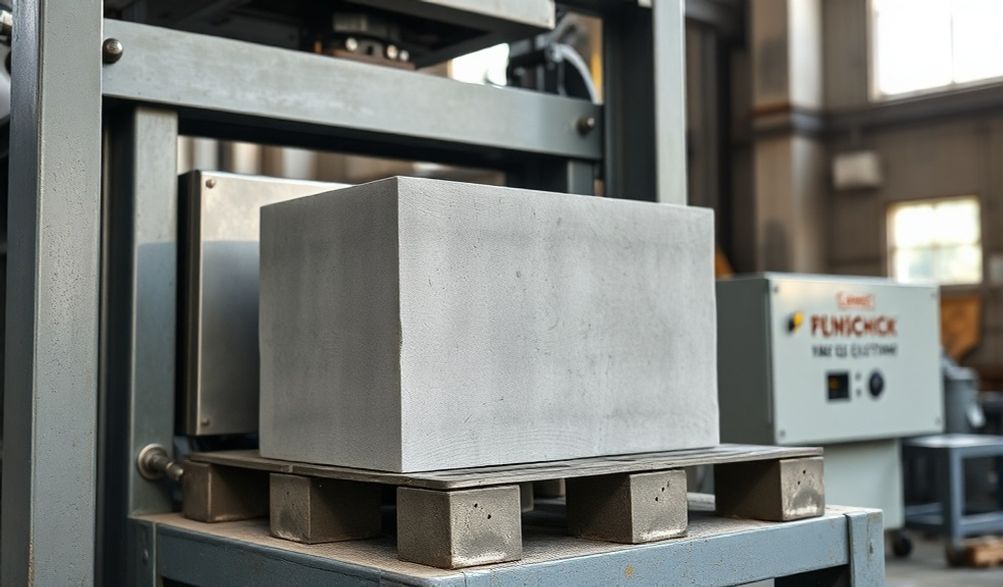
4 дюймлык блок машинкалары боюнча Акыркы Гайд: Сатып алуудан пайда алууга чейин
Giriş
Gurluşyk dünýäsiniň esaslarynda yzygiderlilik höküm sürýär. Bir gysga taslama wagtyny dolandyryjy pudakçy boluň ýa-da gurluşyk materiallary bazaryna göz ýetirýän telekeçi boluň, islegiňiz boýunça ygtybarly, ýokary hilli komponentleri öndürip bilmek oýuny üýtgedýär. Şu ýerde4 дюйм блок машинаsenagatda iň köp ulanylýan gurluş bloklarynyň birini öndürmek üçin döredilen ýörite enjam.
Standart 4 dýuýmly beton bloklar işiň güýçli orun tutujysydyr. Olar içerki bölüjiler, daşky örtükler we sanhasyz başga ulanyşlar üçin esas materialdyr. Bu bloklary el bilen taýýarlamak işgüç talap edýär we netijeler üýtgeşik bolup biler. Emma, ýörite maşyn çygly materiallary ýokary netijelilik bilen takyk böleklerine öwürýär.
Bu gollap beriji gollagma senagat bilimine esaslanýar. Biz satuw broşýuralaryndan daşary çykyp, bu maşynlaryň nädip işleýändigine, olary nädip saýlamaly we maksimal goýum gelirini gazanmak üçin nädip işletmeli barada ygtybarly, resmi syn bermek üçin çalşarys. Blok öndüriş dünýäsinde bilimli we peýdaly karar çykarmak üçin bu siziň esasy çeşmeňiz bolsun.
4 дюйм блок машинасын түшүнүү
Onuň esasynda, 4 dýuýmly blok maşyny, takyk presdir. Ol ýary-gura beton garyndysyny almak we güýçli basyş we titreme birleşmesi arkaly, ony nominal ini 4 dýuým (100mm) bolan ýygy, berk bloka öwürmek üçin döredilendir. Belli bir ölçegine üns bermek, umumy, köp maksatly enjamlara garanyňda has gowy hilli we çalt öndürijilige getirýän optimizirlenen injenerligi üpjün edýär.
4 Dýuýmly Blok Maşyny Nädip Işleýär: Töwellaýyn Döwri
Proses, ýönekeý we netijeli inženerlik gurluşy hökmünde bir syr. Awtomatlaşdyryş derejeleri üýtgese-de, esasy döwür yzygiderli galýar:
- Iýmitlenme:Taýýarlanan beton goşundy (sement, gum, agregat, suw) maşynynyň bunkerine ýüklenýär.
- Ölçekleme we Kalyplyma:Ölçelenen mukdary goşundy 4 dýuýmly gabyň içine salynýar.
- Gatnaşdyrma:Машинаның бас бөлүми төмен түшөт. Ошол эле убакта күчтүү вибраторлор ишке кирип, аралашманы тынчтандырып, аба көбүкчөлөрүн жок кылат. Гидравлик басымы—көбүнчө 20дөн 100+ тоннага чейин—материалды тыгыз формага кысат.
- Чыгаруу:Täze emele gelen blok, galtadan çykarylyp, gözleýän palet ýa-da konweýere ýerleşdirilýär.
- Gowulama:Блок, палетасында, күч алышы үчін күнлер бојы сакланып, соңра уланмак ýа-da satylmak üçin taýýar bolýan ýerine geçirilýär.
Esasy Bölümler we Olaryň Möhüm Wezipesi
Her bir bölek, hil we iş dowamlylygyny üpjün etmekde rol oýnaýar:
- Хоппер:Giriş noktasy. Ol islendik önümçilik tizligiňiz üçin laýyk ululykda bolmaly we material akymynyň üznüksiz bolmagyny üpjün etmeli, köprüriş ýa-da tıkylma bolmazlyk.
- ГыпсаннаMaşynyň ýüregi. Bu gaty polat bölek blokunyň görnüşini, teksturasyny we ölçeg takyklygyny kesgitleýär. Ýokary hilli, aşynmaga berk galyp çykýan galyp bolmaly.
- Titreşim Sistemi:Bu sistema, adatça elektrik motorlary we ekssentrik agramlardan ybarat bolup, garyşyň kalypyň her bir burçuna çenli ýygnaýş üçin zerur bolan ýokary tezlikli titreme üpjün edýär, bu bolsa deň ýygynlyk we güýç üpjün edýär.
- Gidrawlik/Basym ulgamy:Mysul. Bu ulgam (nasos, silindrler, klapanlar) gurluşyk taýdan berk blok öndürmek üçin zerur bolan tonnažy öndürýär. Onuň ygtybarlylygy blogyň hiline göni täsir edýär.
- Kontrol paneli: The brain. From simple manual buttons to programmable logic controllers (PLCs) on automatic models, this governs the machine’s cycle.
- Pallet iýmitlendiriji / konweýer Handles logistics. It automatically positions empty pallets for the new block and removes filled ones, streamlining the workflow.
Types of 4 Inch Block Machines: Matching Technology to Need
Not all machines are created equal. Your choice should be dictated by your production goals.
- Golýama blok maşynlary: Operated via hand levers or flywheels. They require significant physical effort and are slow but have a very low upfront cost. Best for extremely small, occasional projects.
- Ýary-awtomatik maşynlar: The sweet spot for many small businesses. The core molding cycle (vibration, compression, ejection) is automated, but tasks like feeding raw mix or placing pallets may be manual. They offer an excellent balance of output, cost, and simplicity.
- Doly awtomatik blok maşynlary: Complete production lines. These feature automated mix feeding, pallet circulation, block stacking, and even curing rack handling. They require a higher capital investment and 3-phase power but produce the highest volume with minimal labor.
Benefits of Using a Dedicated 4 Inch Block Machine
Why invest in a machine for just one block size? The advantages over makeshift or manual methods are substantial and tangible.
- Unmatched Precision and Consistency: Every block is identical. This dimensional accuracy is critical for speed and quality in masonry work, as consistent blocks lay faster and create a more professional finish. Structural integrity is also assured.
- Dramatically Enhanced Efficiency: A single operator on a semi-automatic machine can produce in one hour what might take a full crew a day to cast manually. This accelerates project completion or scales commercial output exponentially.
- Direct Material and Cost Savings: The machine’s precise measurement and high compaction reduce waste. You use the optimal amount of cement and aggregate per block, lowering your raw material cost per unit. Less spoilage equals higher margins.
- Inherent Versatility: While designed for 4-inch blocks, most quality machines offer interchangeable molds. With a quick change, the same machine can often produce solid blocks, 6-inch blocks, paving stones, or curb stones, allowing you to diversify your product line.
How to Choose the Right 4 Inch Block Machine
This is the most critical decision you’ll make. Let expertise, not just price, guide you. Ask the right questions.
Step 1: Honestly Assess Your Production Needs
- For a Single Project: A basic manual or small semi-automatic machine may be cost-effective. Focus on durability for the project’s duration.
- For a Startup/Small Business: A robust semi-automatic machine is typically the ideal entry point. Calculate your target daily output (e.g., 800-1500 blocks) and choose a model that exceeds it by 20% to allow for growth.
- For Large-Scale Commercial Production: You need a fully automatic line. Your analysis should focus on output per shift, total cost of ownership, and integration with mixers and material handling systems.
Step 2: Scrutinize Key Machine Specifications
- Sikl wagty: How many blocks per hour (BPH)? Don’t rely on theoretical maximums; ask for realistic, sustained production rates.
- Бисим Укубы Measured in tons. Higher pressure (e.g., 60 tons vs. 30 tons) generally produces denser, stronger blocks suitable for load-bearing applications.
- Güýç talap edýän zatlar: Most semi-automatic and all automatic machines require 3-phase industrial power. Verify your facility’s electrical capacity.
- Gurluşyk Sypaty: Look for a heavy, rigid frame made from thick steel plate. The vibration table should be massively built. This reduces wear and ensures stability during operation.
Step 3: Vet the Supplier with a Focus on E-A-T
Your relationship with the manufacturer or distributor is a long-term asset. Evaluate their Expertise, Authoritativeness, and Trustworthiness:
- Uzmanlyk: Do they provide clear, detailed technical documentation? Can they answer deep technical questions about mix design or machine optimization?
- Awtoritarlık: How long have they been in business? Do they have case studies or testimonials from other clients? Are their machines certified to relevant standards?
- Ygtyýarlylyk: What does their after-sales support look like? A reliable supplier will offer:
- A clear, comprehensive warranty.
- Readily available spare parts inventory.
- Accessible technical support, ideally with options for remote diagnostics.
- Installation guidance or supervision.
Operational Best Practices and Maintenance
A machine is only as good as its operation. Proper setup and care prevent downtime and ensure consistent quality.
Setting Up for Success
- Foundation is Key: Install the machine on a perfectly level, reinforced concrete pad. This is critical for alignment and proper vibration transfer.
- Master the Mix: The machine can only compact what you feed it. Spend time perfecting your concrete mix ratio (e.g., 1 part cement, 3 parts sand, 2 parts aggregate) and moisture content. The mix should be semi-dry—holding its shape when squeezed but crumbling apart.
- Follow the Manual: Adhere strictly to the manufacturer’s instructions for initial startup, lubrication, and electrical connections.
Essential Maintenance Checklist
Proactive maintenance is cheap; reactive repair is expensive.
- Daily:
- Clean the mold box, hopper, and pallets thoroughly with water and a brush after the last production cycle. Never let concrete harden on components.
- Visually inspect for loose bolts, nuts, or hydraulic leaks.
- Weekly:
- Lubricate all guide rods, bearings, and moving parts with the recommended grease.
- Check hydraulic fluid levels and condition.
- Monthly:
- Tighten all motor and vibrator mounting bolts (vibration can loosen them).
- Inspect mold liners for wear and replace if blocks show rounded edges or sticking.
- Check electrical connections for tightness.
Troubleshooting Common Issues
- Blocks Cracking or Breaking on Ejection: The most common cause is a mix that is too dry. Increase water slightly. Secondary causes: worn mold liners or excessive vibration time.
- Poor Surface Finish or “Honeycombing”: Usually caused by a mix that is too wet or insufficient vibration/compaction. Adjust the mix and ensure the vibration system is functioning at full power.
- Machine Jamming or Misalignment: Often due to a foreign object (stone, tool) falling into the mold or a damaged/bent pallet. Stop immediately, clear the obstruction, and inspect for damage.
Economic Analysis: Cost and ROI of a 4 Inch Block Machine
Let’s translate this into practical numbers. Understanding the financials is where real-world Täjribä pays off.
Initial Investment Breakdown
Your upfront cost is more than the machine’s price tag:
* Machine Cost (varies widely: $5,000 – $50,000+)
* Shipping and Import Duties (if applicable)
* Installation & Foundation Work
* Facility Modifications (3-phase power installation, water supply)
* Initial Stock of Pallets and Spare Parts
Operational Cost Factors (Monthly)
These are your ongoing expenses:
* Çig mal. Cement, sand, aggregate. This is typically 50-70% of your production cost.
* Emegeý Wages for machine operators and material handlers.
* Utilities: Electricity for the machine and mixer, water for the mix and cleaning.
* Maintenance Fund: A reserved percentage of revenue for routine parts and unexpected repairs.
Calculating Your Potential Return on Investment (ROI)
This simplified model illustrates the process:
- Monthly Revenue: Blocks Produced/Month × Selling Price/Block.
- Mysal: 30,000 blocks × $0.80/block = $24,000
- Monthly Operational Cost: Material Cost + Labor + Utilities + Maintenance.
- Mysal: ($0.35/material cost per block × 30,000) + $2,000 labor + $500 utilities = $13,000
- Monthly Gross Profit: Revenue – Operational Cost.
- Mysal: $24,000 – $13,000 = $11,000
- ROI Timeframe (Break-Even Point): Total Initial Investment / Monthly Gross Profit.
- Mysal: $40,000 investment / $11,000 monthly profit = ~3.6 months.
Note: This is a simplified example. Your local market prices, material costs, and efficiency will vary. A well-run small semi-automatic operation often targets full ROI within 12-18 months.
Frequently Asked Questions (FAQ)
Q: What is the typical production capacity of a semi-automatic 4 inch block machine?
A: A standard semi-automatic machine can produce between 800 to 1500 blocks in an 8-hour shift, depending on the model and operator efficiency.
Q: Can I use a 4 inch block machine to produce other sizes?
A: Primarily, it is designed for 4-inch blocks. However, many manufacturers offer interchangeable molds for different block types (e.g., 6-inch, pavers). You must confirm the machine’s compatibility and pressure capacity for other molds.
Q: What is the required compressive strength of blocks made for load-bearing walls?
A: For load-bearing applications, blocks typically need a minimum compressive strength of 1,500 to 2,000 psi (10-14 MPa). This is achieved by using the correct cement mix ratio and proper machine compression. Always consult local building codes.
Q: How much space do I need to install and operate this machine?
A: You need space for the machine itself, raw material storage, a mixing area, and a curing yard. A minimum covered area of 500-1000 sq. ft. is recommended for a small-scale setup, excluding open curing space.
Q: What kind of after-sales support should I expect from a reliable supplier?
A: A trustworthy supplier should provide detailed installation manuals, offer installation supervision or clear guidance, supply a comprehensive parts catalog, and have a responsive technical support team available for troubleshooting.
Netije
Investing in a 4 дюйм блок машина is a strategic decision that moves you from being a consumer of building materials to a producer. It’s an investment in autonomy, quality control, and business potential. The journey from selection to profitable operation requires careful planning, grounded in the kind of expert knowledge we’ve outlined here.
Success hinges on choosing a machine built to last, from a supplier who stands behind their product, and committing to the operational discipline that ensures consistent quality. By doing so, you unlock a reliable stream of a fundamental construction component, turning raw materials into both building blocks and a solid foundation for your financial growth. Use this guide as your starting point, conduct thorough due diligence, and build your future—one precise block at a time.
<