
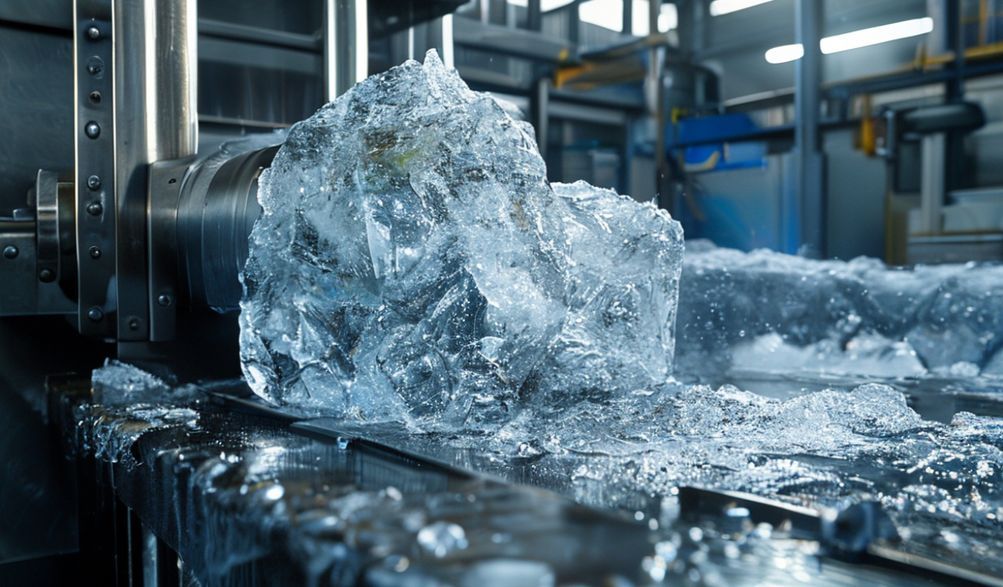
맞춤형 얼음 블록 제조기 가격: 2026년 완벽 구매자 가이드
"맞춤형 얼음 블록 제조기 가격"을 검색해 이 페이지에 도달하셨다면, 아마도 중요한 자본 투자 결정을 앞둔 사업주, 운영 관리자 또는 프로젝트 기획자이실 것입니다. 예산에 반영할 명확한 금액이 필요하시고, 지금까지 찾아본 모호하고 획일적인 수치에 불만을 느끼고 계실 겁니다. 이 문제를 바로 짚어보겠습니다.단일 가격은 없습니다.맞춤형 기계는 그 이름 그대로 맞춤형입니다. 최종 비용은 고정된 것이 아니라 귀하의 독특한 운영 요구에 따라 완전히 결정되는 변수입니다.
이 가이드는 애매모호함을 걷어내고자 설계되었습니다. 단순한 가격표가 아닌, 여러분이 지불하는 비용의 의미를 이해할 수 있는 틀을 제공할 것입니다. 업계 전문 지식을 바탕으로 핵심 비용 요인을 분석하고, 종종 숨겨지는 추가 비용을 밝히며, 기계 규모와 성능에 따른 2026년 현실적인 가격 범위를 제시하겠습니다. 우리의 목표는 수동적인 가격 확인자에서 정보를 갖춘 구매자로 변화시켜, 견적을 평가하고 장기적 가치를 판단하며 비즈니스 미래에 대한 확신을 가지고 투자할 수 있도록 돕는 것입니다. 먼저 이 업계에서 '커스텀'이라는 개념의 신비를 벗겨내는 것부터 시작해 보겠습니다.
아이스 블록 기계에서 '커스텀' 이해하기
"커스텀"이라는 용어는 가격 책정이 복잡해지는 주된 이유입니다. 이는 표준 모델에 약간의 조정을 가하는 정도가 아니라, 특정 산업 문제를 해결하기 위해 처음부터 설계되거나 크게 변형된 엔지니어링 솔루션입니다. 맞춤화의 범위를 이해하는 것이 가격을 이해하는 첫걸음입니다.
여기서 '커스터마이제이션'은 실제로 무엇을 의미하나요?
맞춤화은 기계의 설계와 기능의 모든 측면을 포함할 수 있습니다. 주요 변수에는 다음이 포함됩니다:
- 블록 크기 및 무게이것은 가장 기본적인 맞춤 요소입니다. 소형 어선용 기계는 취급이 용이하도록 5kg 블록을 생산할 수 있는 반면, 산업용 콘크리트 플랜트는 장시간 냉각을 위해 100kg 이상의 단일체 블록이 필요합니다. 각각에 필요한 기계는 크게 다릅니다.
- 생산 능력이것은 기계의 크기와 동력을 결정하며, 24시간당 톤 단위로 측정됩니다. 한 부티크 케이터링 회사는 하루에 500kg가 필요할 수 있는 반면, 항구에 위치한 주요 해산물 가공 허브는 하루에 10톤 이상을 요구합니다.
- 블록 모양과 투명도표준 직사각형 블록이 필요하신가요, 아니면 특정 모양의 포장용 블록이 필요하신가요? 얼음이 식품과 직접 접촉하는 용도라 정제수로 만든 투명한 얼음이 필요한지, 아니면 콘크리트 냉각용으로 탁한 산업용 얼음도 괜찮은지 여부를 알려주세요.
- 전문화된 기능:여기가 바로 공학이 진정으로 갈라지는 지점입니다. 맞춤형 기능에는 다음이 포함될 수 있습니다:
- 통합된 브라인 탱크로 더 빠른 냉동.
- 완전 자동 탈형 및 적층 시스템.
- 고급형 CFC 프리 냉장 시스템으로 효율성과 환경 규정 준수를 동시에 충족합니다.
- 위생이 중요한 용도를 위해 식품 등급 304 또는 316 스테인리스강으로 완전히 제작되었습니다.
맞춤형 기계가 필요한 일반적인 산업 분야
맞춤형 기계는 사치품이 아닙니다; 특수한 열 관리 요구를 가진 분야에서는 필수품입니다.
- 상업 어업 및 해산물 가공 Requires ice that melts slowly, is often clear, and comes in sizes suitable for boxing fish. Hygiene is paramount.
- Concrete Production & Chemical Cooling: Needs large, dense blocks that provide sustained cooling to control the chemical reaction of curing concrete or industrial processes.
- Large-Scale Event & Hospitality Catering: Demands high-volume production of clear, clean ice for beverages and food display, often with specific size requirements for dispensers.
- Scientific & Laboratory Applications: May require ultra-pure ice from deionized water or precisely controlled freezing cycles for research and testing.
Key Factors Determining the Final Price
The price tag is a direct reflection of the engineering, materials, and capacity you select. Think of these factors as the building blocks of your final quote.
1. Core Machine Specifications & Technology
The heart of the machine dictates its performance, efficiency, and a significant portion of its cost.
- Refrigeration System: The compressor is the engine. Brands like Bitzer또는Copeland command a premium for proven reliability and efficiency. The type of refrigerant (e.g., R404a, R507, or natural options like Ammonia) also affects cost and compliance.
- Evaporator Design: This is where the ice forms. A direct-contact evaporator is common, but a custom immersion system for extra-large blocks is more complex and expensive. Material (copper, stainless steel) matters for durability and hygiene.
- 자동화 수준: A manual machine requiring an operator to demold and store ice is the entry point. A semi-automatic system mechanizes part of the process. A fully automatic machine with a PLC (Programmable Logic Controller), robotic arms, and automated storage can run with minimal oversight but adds substantial cost.
- 에너지 효율 A machine with a higher initial price but a superior energy efficiency rating (measured in kW per ton of ice) can save tens of thousands of dollars in electricity over its lifespan. This is a critical TCO (Total Cost of Ownership) consideration.
2. Production Capacity & Output Scale
Capacity and cost have a non-linear relationship. Doubling the output often more than doubles the price due to the need for larger compressors, heavier-duty components, and more sophisticated controls.
- Conceptual Price Correlation:
- Small-Scale (<1 ton/day): Lower base cost, but higher cost per ton of capacity due to fixed engineering overheads.
- Medium-Scale (1-5 tons/day): The “sweet spot” for many commercial applications, offering a better balance of cost and output.
- Large-Scale (5+ tons/day): Highest absolute price, but often the lowest cost per ton of ice produced due to economies of scale in the design.
3. Material Quality & Build Construction
The machine’s skeleton determines its lifespan and operating environment suitability.
- Housing & Contact Surfaces: Food-grade 304 or 316 stainless steel is required for any food-contact application and is highly corrosion-resistant but costly. Powder-coated carbon steel is a budget option for industrial settings but won’t last as long in harsh, wet environments.
- 부품 품질 The grade of insulation, the thickness of piping, and the brand of electrical panels (e.g., Siemens, Schneider) all contribute to reliability. Cutting corners here leads to higher maintenance costs and downtime.
- Compliance Impact: Using certified materials and processes is necessary for approvals like FDA, CE, or UL, which adds to the manufacturing cost but is non-negotiable for market access.
4. Supplier & Manufacturer Variables
Who builds your machine is as important as what they build.
- Brand Reputation & Expertise: Established manufacturers with decades of experience charge more, but you’re paying for proven designs, refined processes, and engineering support.
- Manufacturing Model: A supplier with in-house manufacturing control typically ensures better quality control and more flexible customization than one that outsources assembly.
- After-Sales Package: A comprehensive warranty (e.g., 5 years on the compressor vs. 1 year), access to a responsive technical support team, and a global network of service agents provide immense long-term value and peace of mind, which is reflected in the price.
Realistic Price Ranges for Custom Machines (2026)
중요한 면책 조항: The figures below are 추정치 for 2026, based on current market trends and projected material/engineering costs. They are ballpark ranges for budgeting. A formal, detailed quote from a manufacturer based on your exact specifications is the only way to get an accurate price. All figures are in USD.
Entry-Level / Small-Scale Custom Machines
- Typical Specs: Capacity of 500kg to 1 ton per day. Semi-automatic operation (manual de-molding). Basic construction, often with coated carbon steel frames and standard compressors. Suitable for non-food industrial use or very small food operations with strict cleaning protocols.
- Price Range: $15,000 – $35,000
- 이상적인 대상: Small, independent fishing operations, boutique event catering companies, or small laboratory startups.
Mid-Range / Commercial-Grade Custom Machines
- Typical Specs: Capacity of 1 to 5 tons per day. Mostly automatic operation. Built with food-grade stainless steel in critical areas. Features more reputable compressor brands and better energy efficiency. Often includes basic PLC controls.
- Price Range: $35,000 – $80,000
- 이상적인 대상: Regional seafood processors, medium-sized concrete batch plants, large hotel chains, and substantial event venues.
High-Capacity / Industrial Custom Machines
- Typical Specs: Capacity of 5+ tons per day, often reaching 20-50 tons. Fully automated with advanced PLC systems, automated brine circulation, and robotic handling. Heavy-duty, all-stainless construction. Features top-tier, high-efficiency compressors and custom evaporator designs.
- Price Range: $80,000 – $200,000+
- 이상적인 대상: Major port fishing cooperatives, large industrial chemical plants, national concrete producers, and mega-resorts or cruise ships.
스티커 가격 이상: 총 소유 비용(TCO)
The purchase price is just the first chapter in your cost story. A savvy buyer evaluates the Total Cost of Ownership over a 10-15 year horizon.
Upfront & Installation Costs
These are one-time costs that can surprise the unprepared buyer.
* 현장 준비: Reinforced flooring, drainage, and ventilation.
* Electrical Work: Most industrial machines require 3-phase power installation, which can be a significant expense if not already available.
* Ancillary Systems: Water filtration/purification systems (essential for clear ice and machine longevity) and water chillers to improve efficiency.
* Logistics: Shipping, insurance, customs duties, and import taxes for internationally sourced machines.
Operational & Energy Costs
This is where efficiency pays dividends.
* A machine producing 1 ton of ice might consume 70 kWh or 100 kWh, depending on its technology. At an industrial electricity rate, that difference can amount to thousands of dollars per year. Over a decade, an efficient machine can save more than its initial price premium.
Maintenance, Repair, & Downtime Costs
- Preventative Maintenance: Scheduled servicing (like compressor check-ups) has a cost but prevents catastrophic failure.
- 예비 부품: The price and availability of parts (e.g., a custom evaporator coil) matter. Cheaper machines often use proprietary or hard-to-find components.
- 다운타임: If your ice production stops, does your business stop? The reliability of your machine, backed by strong service support, is a direct financial safeguard.
How to Get an Accurate Quote & Evaluate Suppliers
Armed with knowledge, you can now engage suppliers effectively.
Information to Prepare for a Supplier
To get a meaningful quote, provide a detailed project specification sheet:
* Desired block dimensions (L x W x H) and weight.
* Required daily output in tons/24hrs.
* Available utilities: Water source/pressure, electrical voltage & phase, available space (L x W x H).
* Intended use (e.g., direct food contact, concrete cooling).
* Desired level of automation.
Red Flags vs. Green Flags in Suppliers
Red Flags:
* Providing a firm quote without asking detailed questions.
* Vague specifications on components (“high-quality compressor”).
* Pressure tactics to sign immediately.
* No verifiable customer references or case studies.
* Unwillingness to put warranty and service terms in clear writing.
Green Flags:
* Provides a detailed questionnaire or requests a site visit.
* Offers an engineering consultation to discuss your needs.
* Is transparent about the brands and models of key components.
* Provides a clear, comprehensive warranty document.
* Has a track record of installations in your industry or region.
The Value of After-Sales Support
The relationship doesn’t end at delivery. A supplier with a strong service network ensures:
* Faster response times if issues arise.
* Available spare parts inventory.
* Trained technicians who know your specific machine.
This support is a core part of the machine’s long-term value and should be a weighted factor in your decision, not an afterthought.
자주 묻는 질문 (FAQ)
Q: What is the cheapest custom ice block machine I can get?
A: While entry-level models may start around $15,000, the cheapest machine often carries the highest long-term cost through energy inefficiency, frequent repairs, and downtime. Focus on value and Total Cost of Ownership, not just the initial purchase price.
Q: How long does it take to get a custom machine built and delivered?
A: Lead times vary significantly based on complexity. Expect 8 to 20 weeks from order confirmation to delivery. This includes engineering, manufacturing, testing, and shipping. Always get a written timeline commitment.
Q: Can I modify a standard machine instead of buying fully custom?
A: Often, yes. Reputable manufacturers may have standard platforms that can be adapted (e.g., different mold sizes, added automation modules) at a lower cost than a ground-up custom design. Discuss your needs openly to explore this option.
Q: Are there financing options available for these machines?
A: Yes. Many manufacturers have partnerships with equipment financing firms. Options like leasing or equipment loans can help preserve capital and manage cash flow. Inquire with the supplier about available programs.
Q: What is the typical lifespan of a well-maintained custom ice block machine?
A: With proper preventative maintenance and quality components, a well-built custom machine can have an operational lifespan of 15 to 20 years. The investment in superior materials and construction directly translates to decades of service.
결론
Navigating the “custom ice block making machine price” landscape is ultimately about understanding that you are investing in a core piece of your business’s operational infrastructure. The final number is a function of your specific requirements, the quality and technology you choose, and the long-term partnership you form with a supplier.
By moving beyond a simple price check to a thorough evaluation of your needs, the Total Cost of Ownership, and the credibility of your manufacturer, you transform this from a daunting purchase into a strategic investment. Use this guide as your framework. Define your specs meticulously, request detailed quotes from reputable suppliers, and weigh the complete value proposition—not just the sticker price.
Your goal isn’t just to buy a machine; it’s to secure a reliable, efficient solution that will support your business’s growth and productivity for years to come. Now, you have the knowledge to do just that.
<