
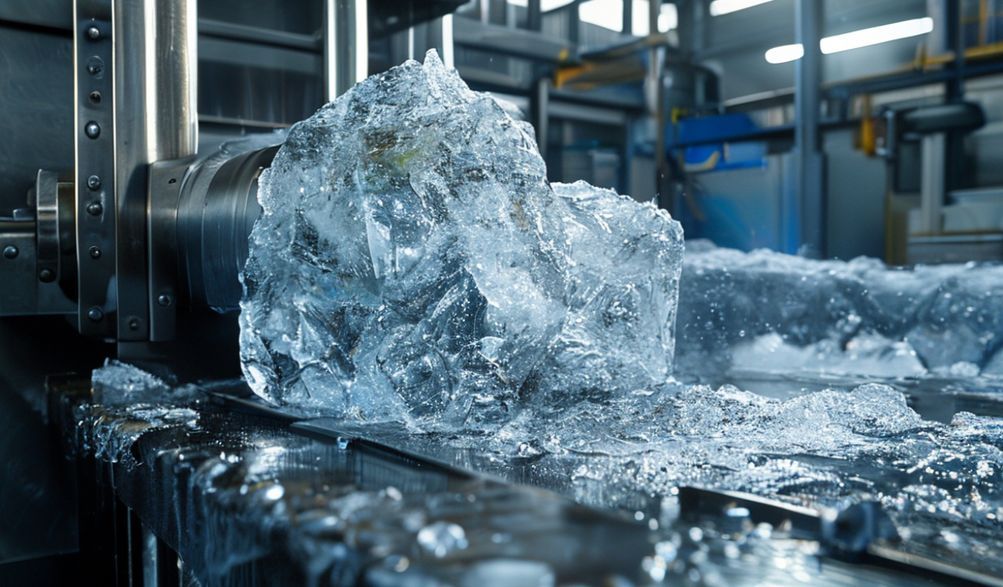
Giá Máy Làm Đá Viên Tùy Chỉnh: Hướng Dẫn Mua Hàng Toàn Diện Năm 2026
Nếu bạn đã tìm đến đây với cụm từ "giá máy làm đá viên tùy chỉnh," có lẽ bạn là chủ doanh nghiệp, quản lý vận hành hoặc người lập kế hoạch dự án đang đối mặt với một quyết định đầu tư vốn quan trọng. Bạn cần một con số rõ ràng để đưa vào ngân sách, và chắc hẳn bạn đang thất vọng vì những con số mơ hồ, áp dụng chung chung mà bạn đã tìm thấy cho đến nay. Hãy cùng giải quyết vấn đề này một cách trực tiếp:Không có một mức giá duy nhất.Một chiếc máy tùy chỉnh đúng như tên gọi của nó—là tùy chỉnh. Chi phí cuối cùng là một biến số, không phải hằng số, được định hình hoàn toàn bởi nhu cầu vận hành riêng biệt của bạn.
Hướng dẫn này được thiết kế để xóa tan mọi sự mơ hồ. Chúng tôi không chỉ đưa ra một bảng giá; chúng tôi cung cấp cho bạn khung kiến thức để hiểu rõ mình đang trả tiền cho điều gì. Dựa trên chuyên môn ngành, chúng tôi sẽ phân tích các yếu tố chính ảnh hưởng đến chi phí, chỉ ra những khoản phí thường bị ẩn đi, và đưa ra các mức giá thực tế dự kiến cho năm 2026 dựa trên quy mô và khả năng của máy. Mục tiêu của chúng tôi là biến bạn từ một người chỉ kiểm tra giá thụ động thành một nhà mua hàng am hiểu, được trang bị để đánh giá các báo giá, thẩm định giá trị dài hạn và thực hiện một khoản đầu tư tự tin cho tương lai doanh nghiệp của mình. Hãy bắt đầu bằng việc làm sáng tỏ khái niệm "tùy chỉnh" trong ngành công nghiệp này.
Hiểu về "Tùy chỉnh" trong Máy móc Khối Đá
Thuật ngữ "tùy chỉnh" là lý do chính khiến việc định giá trở nên phức tạp. Đây không phải là một điều chỉnh nhỏ đối với mô hình tiêu chuẩn; mà là một giải pháp được thiết kế từ đầu—hoặc được sửa đổi đáng kể—để giải quyết một vấn đề công nghiệp cụ thể. Hiểu rõ phạm vi tùy chỉnh là bước đầu tiên để hiểu được mức giá.
"Tùy chỉnh" ở đây thực sự có nghĩa là gì?
Việc tùy chỉnh có thể bao trùm mọi khía cạnh trong thiết kế và chức năng của máy móc. Các biến số chính bao gồm:
- Kích thước và Trọng lượng KhốiĐây là yếu tố tùy chỉnh cơ bản nhất. Một máy cho thuyền đánh cá nhỏ có thể sản xuất các khối 5kg để dễ dàng xử lý, trong khi một nhà máy bê tông công nghiệp đòi hỏi các khối nguyên khối trên 100kg để làm mát kéo dài. Thiết bị cần thiết cho mỗi loại là hoàn toàn khác biệt.
- Năng lực sản xuất:Được đo bằng tấn mỗi 24 giờ, điều này quyết định kích thước và công suất của máy. Một công ty cung cấp suất ăn nhỏ có thể cần 500kg/ngày, trong khi một trung tâm chế biến hải sản lớn tại cảng đòi hỏi hơn 10 tấn/ngày.
- Hình dạng và Độ trong suốt của Viên Kim cươngBạn cần những khối đá hình chữ nhật tiêu chuẩn, hay những hình dạng cụ thể để đóng gói? Đá này có cần tiếp xúc trực tiếp với thực phẩm, đòi hỏi đá trong suốt từ nguồn nước tinh khiết, hay đá công nghiệp đục dùng để làm mát bê tông là hoàn toàn chấp nhận được?
- Tính năng chuyên biệt:Đây chính là điểm mà kỹ thuật thực sự phân nhánh. Các tính năng tùy chỉnh có thể bao gồm:
- Bể chứa nước muối tích hợp để đông lạnh nhanh hơn.
- Hệ thống tháo khuôn và xếp chồng hoàn toàn tự động.
- Hệ thống làm lạnh tiên tiến, không sử dụng CFC để đạt hiệu suất cao và tuân thủ các tiêu chuẩn môi trường.
- Hoàn thiện cấu trúc từ thép không gỉ 304 hoặc 316 cấp thực phẩm cho các ứng dụng đòi hỏi vệ sinh nghiêm ngặt.
Các Ngành Công Nghiệp Phổ Biến Cần Máy Móc Tùy Chỉnh
Máy móc tùy chỉnh không phải là thứ xa xỉ; chúng là nhu cầu thiết yếu cho các lĩnh vực có nhu cầu quản lý nhiệt chuyên biệt.
- Đánh bắt Thủy sản Thương mại & Chế biến Hải sản: Requires ice that melts slowly, is often clear, and comes in sizes suitable for boxing fish. Hygiene is paramount.
- Concrete Production & Chemical Cooling: Needs large, dense blocks that provide sustained cooling to control the chemical reaction of curing concrete or industrial processes.
- Large-Scale Event & Hospitality Catering: Demands high-volume production of clear, clean ice for beverages and food display, often with specific size requirements for dispensers.
- Scientific & Laboratory Applications: May require ultra-pure ice from deionized water or precisely controlled freezing cycles for research and testing.
Key Factors Determining the Final Price
The price tag is a direct reflection of the engineering, materials, and capacity you select. Think of these factors as the building blocks of your final quote.
1. Core Machine Specifications & Technology
The heart of the machine dictates its performance, efficiency, and a significant portion of its cost.
- Refrigeration System: The compressor is the engine. Brands like BitzerhoặcCopeland command a premium for proven reliability and efficiency. The type of refrigerant (e.g., R404a, R507, or natural options like Ammonia) also affects cost and compliance.
- Evaporator Design: This is where the ice forms. A direct-contact evaporator is common, but a custom immersion system for extra-large blocks is more complex and expensive. Material (copper, stainless steel) matters for durability and hygiene.
- Mức độ Tự động hóa: A manual machine requiring an operator to demold and store ice is the entry point. A semi-automatic system mechanizes part of the process. A fully automatic machine with a PLC (Programmable Logic Controller), robotic arms, and automated storage can run with minimal oversight but adds substantial cost.
- Hiệu suất Năng lượng: A machine with a higher initial price but a superior energy efficiency rating (measured in kW per ton of ice) can save tens of thousands of dollars in electricity over its lifespan. This is a critical TCO (Total Cost of Ownership) consideration.
2. Production Capacity & Output Scale
Capacity and cost have a non-linear relationship. Doubling the output often more than doubles the price due to the need for larger compressors, heavier-duty components, and more sophisticated controls.
- Conceptual Price Correlation:
- Small-Scale (<1 ton/day): Lower base cost, but higher cost per ton of capacity due to fixed engineering overheads.
- Medium-Scale (1-5 tons/day): The “sweet spot” for many commercial applications, offering a better balance of cost and output.
- Large-Scale (5+ tons/day): Highest absolute price, but often the lowest cost per ton of ice produced due to economies of scale in the design.
3. Material Quality & Build Construction
The machine’s skeleton determines its lifespan and operating environment suitability.
- Housing & Contact Surfaces: Food-grade 304 or 316 stainless steel is required for any food-contact application and is highly corrosion-resistant but costly. Powder-coated carbon steel is a budget option for industrial settings but won’t last as long in harsh, wet environments.
- Chất Lượng Linh Kiện The grade of insulation, the thickness of piping, and the brand of electrical panels (e.g., Siemens, Schneider) all contribute to reliability. Cutting corners here leads to higher maintenance costs and downtime.
- Compliance Impact: Using certified materials and processes is necessary for approvals like FDA, CE, or UL, which adds to the manufacturing cost but is non-negotiable for market access.
4. Supplier & Manufacturer Variables
Who builds your machine is as important as what they build.
- Brand Reputation & Expertise: Established manufacturers with decades of experience charge more, but you’re paying for proven designs, refined processes, and engineering support.
- Manufacturing Model: A supplier with in-house manufacturing control typically ensures better quality control and more flexible customization than one that outsources assembly.
- After-Sales Package: A comprehensive warranty (e.g., 5 years on the compressor vs. 1 year), access to a responsive technical support team, and a global network of service agents provide immense long-term value and peace of mind, which is reflected in the price.
Realistic Price Ranges for Custom Machines (2026)
Important Disclaimer: The figures below are ước tính for 2026, based on current market trends and projected material/engineering costs. They are ballpark ranges for budgeting. A formal, detailed quote from a manufacturer based on your exact specifications is the only way to get an accurate price. All figures are in USD.
Entry-Level / Small-Scale Custom Machines
- Typical Specs: Capacity of 500kg to 1 ton per day. Semi-automatic operation (manual de-molding). Basic construction, often with coated carbon steel frames and standard compressors. Suitable for non-food industrial use or very small food operations with strict cleaning protocols.
- Price Range: $15,000 – $35,000
- Lý Tưởng Cho: Small, independent fishing operations, boutique event catering companies, or small laboratory startups.
Mid-Range / Commercial-Grade Custom Machines
- Typical Specs: Capacity of 1 to 5 tons per day. Mostly automatic operation. Built with food-grade stainless steel in critical areas. Features more reputable compressor brands and better energy efficiency. Often includes basic PLC controls.
- Price Range: $35,000 – $80,000
- Lý Tưởng Cho: Regional seafood processors, medium-sized concrete batch plants, large hotel chains, and substantial event venues.
High-Capacity / Industrial Custom Machines
- Typical Specs: Capacity of 5+ tons per day, often reaching 20-50 tons. Fully automated with advanced PLC systems, automated brine circulation, and robotic handling. Heavy-duty, all-stainless construction. Features top-tier, high-efficiency compressors and custom evaporator designs.
- Price Range: $80,000 – $200,000+
- Lý Tưởng Cho: Major port fishing cooperatives, large industrial chemical plants, national concrete producers, and mega-resorts or cruise ships.
Vượt Qua Giá Niêm Yết: Tổng Chi Phí Sở Hữu (TCO)
The purchase price is just the first chapter in your cost story. A savvy buyer evaluates the Total Cost of Ownership over a 10-15 year horizon.
Upfront & Installation Costs
These are one-time costs that can surprise the unprepared buyer.
* Site Preparation: Reinforced flooring, drainage, and ventilation.
* Electrical Work: Most industrial machines require 3-phase power installation, which can be a significant expense if not already available.
* Ancillary Systems: Water filtration/purification systems (essential for clear ice and machine longevity) and water chillers to improve efficiency.
* Logistics: Shipping, insurance, customs duties, and import taxes for internationally sourced machines.
Operational & Energy Costs
This is where efficiency pays dividends.
* A machine producing 1 ton of ice might consume 70 kWh or 100 kWh, depending on its technology. At an industrial electricity rate, that difference can amount to thousands of dollars per year. Over a decade, an efficient machine can save more than its initial price premium.
Maintenance, Repair, & Downtime Costs
- Preventative Maintenance: Scheduled servicing (like compressor check-ups) has a cost but prevents catastrophic failure.
- Phụ Tùng Thay Thế: The price and availability of parts (e.g., a custom evaporator coil) matter. Cheaper machines often use proprietary or hard-to-find components.
- Thời gian ngừng hoạt động: If your ice production stops, does your business stop? The reliability of your machine, backed by strong service support, is a direct financial safeguard.
How to Get an Accurate Quote & Evaluate Suppliers
Armed with knowledge, you can now engage suppliers effectively.
Information to Prepare for a Supplier
To get a meaningful quote, provide a detailed project specification sheet:
* Desired block dimensions (L x W x H) and weight.
* Required daily output in tons/24hrs.
* Available utilities: Water source/pressure, electrical voltage & phase, available space (L x W x H).
* Intended use (e.g., direct food contact, concrete cooling).
* Desired level of automation.
Red Flags vs. Green Flags in Suppliers
Red Flags:
* Providing a firm quote without asking detailed questions.
* Vague specifications on components (“high-quality compressor”).
* Pressure tactics to sign immediately.
* No verifiable customer references or case studies.
* Unwillingness to put warranty and service terms in clear writing.
Green Flags:
* Provides a detailed questionnaire or requests a site visit.
* Offers an engineering consultation to discuss your needs.
* Is transparent about the brands and models of key components.
* Provides a clear, comprehensive warranty document.
* Has a track record of installations in your industry or region.
The Value of After-Sales Support
The relationship doesn’t end at delivery. A supplier with a strong service network ensures:
* Faster response times if issues arise.
* Available spare parts inventory.
* Trained technicians who know your specific machine.
This support is a core part of the machine’s long-term value and should be a weighted factor in your decision, not an afterthought.
Frequently Asked Questions (FAQ)
Q: What is the cheapest custom ice block machine I can get?
A: While entry-level models may start around $15,000, the cheapest machine often carries the highest long-term cost through energy inefficiency, frequent repairs, and downtime. Focus on value and Total Cost of Ownership, not just the initial purchase price.
Q: How long does it take to get a custom machine built and delivered?
A: Lead times vary significantly based on complexity. Expect 8 to 20 weeks from order confirmation to delivery. This includes engineering, manufacturing, testing, and shipping. Always get a written timeline commitment.
Q: Can I modify a standard machine instead of buying fully custom?
A: Often, yes. Reputable manufacturers may have standard platforms that can be adapted (e.g., different mold sizes, added automation modules) at a lower cost than a ground-up custom design. Discuss your needs openly to explore this option.
Q: Are there financing options available for these machines?
A: Yes. Many manufacturers have partnerships with equipment financing firms. Options like leasing or equipment loans can help preserve capital and manage cash flow. Inquire with the supplier about available programs.
Q: What is the typical lifespan of a well-maintained custom ice block machine?
A: With proper preventative maintenance and quality components, a well-built custom machine can have an operational lifespan of 15 to 20 years. The investment in superior materials and construction directly translates to decades of service.
Conclusion
Navigating the “custom ice block making machine price” landscape is ultimately about understanding that you are investing in a core piece of your business’s operational infrastructure. The final number is a function of your specific requirements, the quality and technology you choose, and the long-term partnership you form with a supplier.
By moving beyond a simple price check to a thorough evaluation of your needs, the Total Cost of Ownership, and the credibility of your manufacturer, you transform this from a daunting purchase into a strategic investment. Use this guide as your framework. Define your specs meticulously, request detailed quotes from reputable suppliers, and weigh the complete value proposition—not just the sticker price.
Your goal isn’t just to buy a machine; it’s to secure a reliable, efficient solution that will support your business’s growth and productivity for years to come. Now, you have the knowledge to do just that.
<