
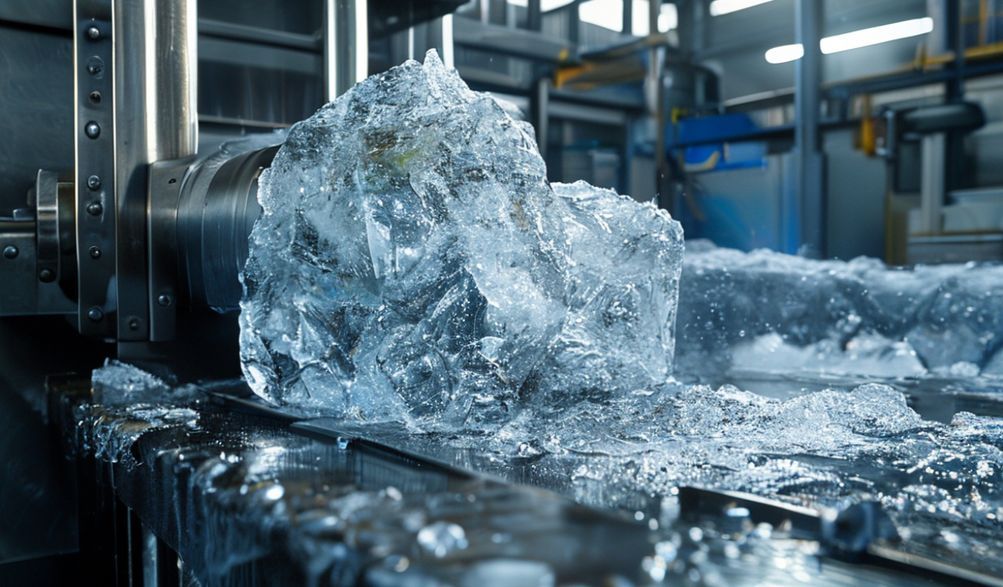
Preço da Máquina de Fazer Blocos de Gelo Personalizada: Um Guia Completo para Compradores em 2026
Se você chegou aqui procurando por "preço de máquina personalizada para fazer blocos de gelo", é provável que você seja um proprietário de empresa, gerente de operações ou planejador de projetos diante de uma decisão crítica de investimento de capital. Você precisa de um número claro para incluir no seu orçamento e provavelmente está frustrado com as cifras vagas e genéricas que encontrou até agora. Vamos abordar isso diretamente:Não há um preço único.Uma máquina personalizada é exatamente isso—personalizada. O custo final é uma variável, não uma constante, moldada inteiramente pelas suas necessidades operacionais únicas.
Este guia foi criado para eliminar a ambiguidade. Não vamos apenas fornecer uma lista de preços; vamos oferecer a estrutura para entender pelo que você está pagando. Com base na experiência do setor, vamos detalhar os principais fatores de custo, revelar as despesas frequentemente ocultas e fornecer faixas de preços realistas para 2026, com base na escala e capacidade da máquina. Nosso objetivo é transformá-lo de um mero verificador de preços em um comprador bem-informado, preparado para avaliar orçamentos, analisar o valor a longo prazo e fazer um investimento seguro no futuro do seu negócio. Vamos começar desmistificando o próprio conceito de "personalizado" neste setor.
Compreendendo o “Personalizado” em Maquinário de Blocos de Gelo
O termo "personalizado" é a principal razão pela qual a precificação é complexa. Não se trata de um pequeno ajuste em um modelo padrão; é uma solução projetada desde a base — ou significativamente modificada — para resolver um problema industrial específico. Compreender o escopo da personalização é o primeiro passo para entender o preço.
O que "Personalização" Realmente Significa Aqui?
A personalização pode abranger todos os aspectos do design e da função da máquina. As principais variáveis incluem:
- Tamanho e Peso do Bloco:Este é o fator personalizado mais fundamental. Uma máquina para um pequeno barco de pesca pode produzir blocos de 5kg para fácil manuseio, enquanto uma fábrica de concreto industrial requer blocos monolíticos de 100kg+ para resfriamento prolongado. A maquinaria necessária para cada um é vastamente diferente.
- Capacidade de Produção:Medido em toneladas por 24 horas, isso determina o tamanho e a potência da máquina. Uma empresa boutique de catering pode precisar de 500 kg/dia, enquanto um grande centro de processamento de frutos do mar em um porto requer 10+ toneladas/dia.
- Forma e Clareza do BlocoVocê precisa de blocos retangulares padrão ou de formatos específicos para embalagem? O gelo é para contato direto com alimentos, exigindo gelo cristalino de uma fonte de água purificada, ou gelo industrial opaco para resfriar concreto é perfeitamente aceitável?
- Recursos Especializados:É aqui que a engenharia verdadeiramente diverge. Recursos personalizados podem incluir:
- Tanques de salmoura integrados para congelamento mais rápido.
- Sistemas totalmente automáticos de desmoldagem e empilhamento.
- Sistemas avançados de refrigeração sem CFC para eficiência e conformidade ambiental.
- Construção completa em aço inoxidável 304 ou 316 de grau alimentício para aplicações críticas de higiene.
Indústrias Comuns Que Requerem Máquinas Personalizadas
Máquinas personalizadas não são um luxo; são uma necessidade para setores com necessidades especializadas de gestão térmica.
- Pesca Comercial e Processamento de Frutos do Mar:Exige gelo que derreta lentamente, seja geralmente transparente e venha em tamanhos adequados para embalar peixes. A higiene é primordial.
- Produção de Concreto e Resfriamento Químico:Necessita de blocos grandes e densos que proporcionem resfriamento sustentado para controlar a reação química da cura do concreto ou de processos industriais.
- Catering em Grande Escala para Eventos e HospitalidadeExige produção em alto volume de gelo claro e limpo para bebidas e exposição de alimentos, frequentemente com requisitos de tamanho específicos para dispensadores.
- Aplicações Científicas e Laboratoriais:Pode exigir gelo ultra puro de água deionizada ou ciclos de congelamento precisamente controlados para pesquisa e testes.
Fatores-Chave que Determinam o Preço Final
The price tag is a direct reflection of the engineering, materials, and capacity you select. Think of these factors as the building blocks of your final quote.
1. Core Machine Specifications & Technology
The heart of the machine dictates its performance, efficiency, and a significant portion of its cost.
- Refrigeration System: The compressor is the engine. Brands like BitzerouCopeland command a premium for proven reliability and efficiency. The type of refrigerant (e.g., R404a, R507, or natural options like Ammonia) also affects cost and compliance.
- Evaporator Design: This is where the ice forms. A direct-contact evaporator is common, but a custom immersion system for extra-large blocks is more complex and expensive. Material (copper, stainless steel) matters for durability and hygiene.
- Nível de Automação: A manual machine requiring an operator to demold and store ice is the entry point. A semi-automatic system mechanizes part of the process. A fully automatic machine with a PLC (Programmable Logic Controller), robotic arms, and automated storage can run with minimal oversight but adds substantial cost.
- Eficiência Energética: A machine with a higher initial price but a superior energy efficiency rating (measured in kW per ton of ice) can save tens of thousands of dollars in electricity over its lifespan. This is a critical TCO (Total Cost of Ownership) consideration.
2. Production Capacity & Output Scale
Capacity and cost have a non-linear relationship. Doubling the output often more than doubles the price due to the need for larger compressors, heavier-duty components, and more sophisticated controls.
- Conceptual Price Correlation:
- Small-Scale (<1 ton/day): Lower base cost, but higher cost per ton of capacity due to fixed engineering overheads.
- Medium-Scale (1-5 tons/day): The “sweet spot” for many commercial applications, offering a better balance of cost and output.
- Large-Scale (5+ tons/day): Highest absolute price, but often the lowest cost per ton of ice produced due to economies of scale in the design.
3. Material Quality & Build Construction
The machine’s skeleton determines its lifespan and operating environment suitability.
- Housing & Contact Surfaces: Food-grade 304 or 316 stainless steel is required for any food-contact application and is highly corrosion-resistant but costly. Powder-coated carbon steel is a budget option for industrial settings but won’t last as long in harsh, wet environments.
- Qualidade do Componente: The grade of insulation, the thickness of piping, and the brand of electrical panels (e.g., Siemens, Schneider) all contribute to reliability. Cutting corners here leads to higher maintenance costs and downtime.
- Compliance Impact: Using certified materials and processes is necessary for approvals like FDA, CE, or UL, which adds to the manufacturing cost but is non-negotiable for market access.
4. Supplier & Manufacturer Variables
Who builds your machine is as important as what they build.
- Brand Reputation & Expertise: Established manufacturers with decades of experience charge more, but you’re paying for proven designs, refined processes, and engineering support.
- Manufacturing Model: A supplier with in-house manufacturing control typically ensures better quality control and more flexible customization than one that outsources assembly.
- After-Sales Package: A comprehensive warranty (e.g., 5 years on the compressor vs. 1 year), access to a responsive technical support team, and a global network of service agents provide immense long-term value and peace of mind, which is reflected in the price.
Realistic Price Ranges for Custom Machines (2026)
Aviso Importante: The figures below are estimativas for 2026, based on current market trends and projected material/engineering costs. They are ballpark ranges for budgeting. A formal, detailed quote from a manufacturer based on your exact specifications is the only way to get an accurate price. All figures are in USD.
Entry-Level / Small-Scale Custom Machines
- Typical Specs: Capacity of 500kg to 1 ton per day. Semi-automatic operation (manual de-molding). Basic construction, often with coated carbon steel frames and standard compressors. Suitable for non-food industrial use or very small food operations with strict cleaning protocols.
- Price Range: $15,000 – $35,000
- Ideal Para: Small, independent fishing operations, boutique event catering companies, or small laboratory startups.
Mid-Range / Commercial-Grade Custom Machines
- Typical Specs: Capacity of 1 to 5 tons per day. Mostly automatic operation. Built with food-grade stainless steel in critical areas. Features more reputable compressor brands and better energy efficiency. Often includes basic PLC controls.
- Price Range: $35,000 – $80,000
- Ideal Para: Regional seafood processors, medium-sized concrete batch plants, large hotel chains, and substantial event venues.
High-Capacity / Industrial Custom Machines
- Typical Specs: Capacity of 5+ tons per day, often reaching 20-50 tons. Fully automated with advanced PLC systems, automated brine circulation, and robotic handling. Heavy-duty, all-stainless construction. Features top-tier, high-efficiency compressors and custom evaporator designs.
- Price Range: $80,000 – $200,000+
- Ideal Para: Major port fishing cooperatives, large industrial chemical plants, national concrete producers, and mega-resorts or cruise ships.
Além do Preço da Etiqueta: Custo Total de Propriedade (CTP)
The purchase price is just the first chapter in your cost story. A savvy buyer evaluates the Total Cost of Ownership over a 10-15 year horizon.
Upfront & Installation Costs
These are one-time costs that can surprise the unprepared buyer.
* Site Preparation: Reinforced flooring, drainage, and ventilation.
* Electrical Work: Most industrial machines require 3-phase power installation, which can be a significant expense if not already available.
* Ancillary Systems: Water filtration/purification systems (essential for clear ice and machine longevity) and water chillers to improve efficiency.
* Logistics: Shipping, insurance, customs duties, and import taxes for internationally sourced machines.
Operational & Energy Costs
This is where efficiency pays dividends.
* A machine producing 1 ton of ice might consume 70 kWh or 100 kWh, depending on its technology. At an industrial electricity rate, that difference can amount to thousands of dollars per year. Over a decade, an efficient machine can save more than its initial price premium.
Maintenance, Repair, & Downtime Costs
- Preventative Maintenance: Scheduled servicing (like compressor check-ups) has a cost but prevents catastrophic failure.
- Peças de Reposição: The price and availability of parts (e.g., a custom evaporator coil) matter. Cheaper machines often use proprietary or hard-to-find components.
- Tempo de inatividade: If your ice production stops, does your business stop? The reliability of your machine, backed by strong service support, is a direct financial safeguard.
How to Get an Accurate Quote & Evaluate Suppliers
Armed with knowledge, you can now engage suppliers effectively.
Information to Prepare for a Supplier
To get a meaningful quote, provide a detailed project specification sheet:
* Desired block dimensions (L x W x H) and weight.
* Required daily output in tons/24hrs.
* Available utilities: Water source/pressure, electrical voltage & phase, available space (L x W x H).
* Intended use (e.g., direct food contact, concrete cooling).
* Desired level of automation.
Red Flags vs. Green Flags in Suppliers
Red Flags:
* Providing a firm quote without asking detailed questions.
* Vague specifications on components (“high-quality compressor”).
* Pressure tactics to sign immediately.
* No verifiable customer references or case studies.
* Unwillingness to put warranty and service terms in clear writing.
Green Flags:
* Provides a detailed questionnaire or requests a site visit.
* Offers an engineering consultation to discuss your needs.
* Is transparent about the brands and models of key components.
* Provides a clear, comprehensive warranty document.
* Has a track record of installations in your industry or region.
The Value of After-Sales Support
The relationship doesn’t end at delivery. A supplier with a strong service network ensures:
* Faster response times if issues arise.
* Available spare parts inventory.
* Trained technicians who know your specific machine.
This support is a core part of the machine’s long-term value and should be a weighted factor in your decision, not an afterthought.
Frequently Asked Questions (FAQ)
Q: What is the cheapest custom ice block machine I can get?
A: While entry-level models may start around $15,000, the cheapest machine often carries the highest long-term cost through energy inefficiency, frequent repairs, and downtime. Focus on value and Total Cost of Ownership, not just the initial purchase price.
Q: How long does it take to get a custom machine built and delivered?
A: Lead times vary significantly based on complexity. Expect 8 to 20 weeks from order confirmation to delivery. This includes engineering, manufacturing, testing, and shipping. Always get a written timeline commitment.
Q: Can I modify a standard machine instead of buying fully custom?
A: Often, yes. Reputable manufacturers may have standard platforms that can be adapted (e.g., different mold sizes, added automation modules) at a lower cost than a ground-up custom design. Discuss your needs openly to explore this option.
Q: Are there financing options available for these machines?
A: Yes. Many manufacturers have partnerships with equipment financing firms. Options like leasing or equipment loans can help preserve capital and manage cash flow. Inquire with the supplier about available programs.
Q: What is the typical lifespan of a well-maintained custom ice block machine?
A: With proper preventative maintenance and quality components, a well-built custom machine can have an operational lifespan of 15 to 20 years. The investment in superior materials and construction directly translates to decades of service.
Conclusão
Navigating the “custom ice block making machine price” landscape is ultimately about understanding that you are investing in a core piece of your business’s operational infrastructure. The final number is a function of your specific requirements, the quality and technology you choose, and the long-term partnership you form with a supplier.
By moving beyond a simple price check to a thorough evaluation of your needs, the Total Cost of Ownership, and the credibility of your manufacturer, you transform this from a daunting purchase into a strategic investment. Use this guide as your framework. Define your specs meticulously, request detailed quotes from reputable suppliers, and weigh the complete value proposition—not just the sticker price.
Your goal isn’t just to buy a machine; it’s to secure a reliable, efficient solution that will support your business’s growth and productivity for years to come. Now, you have the knowledge to do just that.
<