
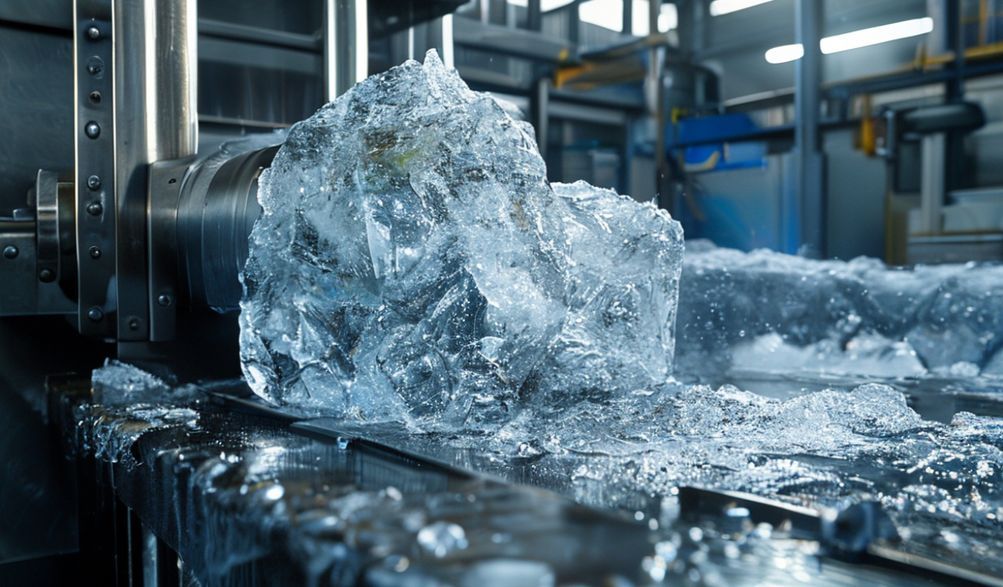
Pretium Machinae ad Glaciatus Massas Faciendas: Totum Ductor Emptoris pro Anno MMXXVI
Si huc pervenisti quaerens "machinam ad glaciem in formam propriam faciendam pretium," verisimiliter es negotiorum dominus, procurator operationum, vel consiliator incepti qui de summa capitali investienda decernit. Certum numerum in rationem tuam inserere necesse habes, et fortasse iis vagis, communibus aestimationibus quae hactenus invenisti frustraris. Hoc directe aggrediamur:Nullum pretium unum est.Machina ad usum facta id ipsum est—ad usum facta. Sumptus finalis variabilis est, non constans, omnino a tuis singularibus necessitatibus operandi formatus.
Hoc manuale ad ambiguitatem discindendam comparatum est. Non solum pretium tabulam dabimus, sed etiam rationem dabimus qua intellegas quid solvas. Ex peritia industriae freti, sumptus principales resolvemus, impensas saepe occultas patefaciemus, et reales pretii fines pro anni MMXXVI secundum machinae magnitudinem et facultatem praebebimus. Propositum nostrum est te ex pretii inspectore passivo in emptorem instructum mutare, qui aestimationes ponderare, diuturnum valorem perpendere, et fiduciam in futura negotii tui collocationem facere possit. Incipiamus igitur ipsam notionem "specialis" in hac industria enodando.
Intellectus "Consuetudinis" in Machinis Glacialibus
Vocabulum "consuetudo" est prima causa cur pretium implicatum sit. Non est levis mutatio exemplaris soliti; est solutio machinata ab imo excitata—vel insigniter mutata—ut certum industriae problema solvatur. Intellectus ambitus accommodationis primus gradus est ad pretium intellegendum.
Quid "Consuetudo" Hic Re Vera Significat?
Customizatio omnes rationes machinae et munus complecti potest. Praecipuae variabiles includunt:
- Magnitudo & Pondus LaterisHoc est consuetudinis elementum fundamentalissimum. Machina pro parva piscatoria navicula fortasse efficit massas 5kg ad facilem tractationem, dum fabrica industrialis caementi requirit monolithicas massas 100kg+ ad diuturnam refrigerationem. Machinamenta pro utroque necessaria longe diversa sunt.
- Productio Capacitas:Pondus per horas quattuor et viginti metitur, quod magnitudinem et vim machinae decernit. Societas cibaria parva fortasse quingenta chiliogrammata per diem requirit, dum portus centrum magnum piscium tractandorum plus decem talenta per diem postulat.
- Forma Caudicis & Perspicuitas:Numne tibi opus est truncis rectangulis usitatis, an formis certis ad sarcinas? Num glacies ad contactum cibum directum destinatur, quae crystallina et pura e fonte aquae purgatae requirit, an glacies opaca industrialis ad concreta refrigeranda omnino acceptabilis est?
- Propriae Facultates:Hic est ubi ars machinalis vere discedit. Propriae notae possunt includere:
- Integratae salsae lacunae ad celerius congelandum.
- Plene automatice deformatricis et acervi systemata.
- Provida, sine CFC frigorificae rationes ad efficientiam et obsequium environmental.
- Integra fabricatio ex chalybe inoxydabili 304 vel 316 ad usus ciborum destinato, pro applicationibus quae summam hygienem requirunt.
Industriae Communes quae Machinas Proprias Requirunt
Machinae propriae non sunt luxus; necessitas sunt sectoribus cum specialibus caloris administrationis necessitatibus.
- Piscatio Mercatoria & Processio Cibi Marini:Glacies quae tarde liquescit, saepe pura est, et magnitudinibus aptis ad pisces condendos venit. Salubritas summa est.
- Concretio Productio et Refrigeratio Chemica:Magnas, densas moles requiruntur quae refrigerationem diuturnam praebeant ad reactionem chemicam cementi durandi vel processuum industrialium moderandam.
- Magnae Eventus et Hospitium Apparatus Culinarius:Postulat productionem magni voluminis glaciei purae et nitidae ad potus et exhibitionem ciborum, saepe cum certis magnitudinibus ad dispensatores.
- Scientificae et Laboratoriae Applicationes:Exigere potest glaciem purissimam ex aqua deionizata vel cyclos congelationis accurate moderatos ad investigationem et probationem.
Claves Factores Determinantes Pretii Finalis
Pretium notam est directa repraesentatio machinationis, materiarum, et capacitatis quas eligis. Cogita haec elementa tamquam fundamenta ultimae tuae aestimationis.
1. Praecipua Machinae Proprietates et Technologia
Cor machinae eius efficacitatem, efficientiam, et magnam partem sumptuum praecipit.
- Systema Refrigerandi:Compressor est machina. Notae sicutBitzerautCopelandusPretium impera pro comprobata fide et efficentia. Genus refrigerantis (ut R404a, R507, vel optiones naturales sicut Ammonia) etiam impendium et obsequium afficit.
- Designatio EvaporatorisHic glacies formatur. Evaporator contactus directus vulgaris est, sed ratio immersa ad ingentia saxa excogitata magis implicata et pretiosa est. Materia (aes, chalybs inox) ad firmitatem et sanitatem pertinet.
- Automationis Gradus:Machina manualis quae operatorem requirit ad glaciem emovendam et condendam est initium. Systema semiautomaticum partem processus mechanizat.Machina plene automatica cum PLC (Programmabili Logicae Moderatoris)Brachia robotica et repositoria automata minimo moderamine currere possunt, sed sumptus substantiales addunt.
- Efficacia Energiae: A machine with a higher initial price but a superior energy efficiency rating (measured in kW per ton of ice) can save tens of thousands of dollars in electricity over its lifespan. This is a critical TCO (Total Cost of Ownership) consideration.
2. Production Capacity & Output Scale
Capacity and cost have a non-linear relationship. Doubling the output often more than doubles the price due to the need for larger compressors, heavier-duty components, and more sophisticated controls.
- Conceptual Price Correlation:
- Small-Scale (<1 ton/day): Lower base cost, but higher cost per ton of capacity due to fixed engineering overheads.
- Medium-Scale (1-5 tons/day): The “sweet spot” for many commercial applications, offering a better balance of cost and output.
- Large-Scale (5+ tons/day): Highest absolute price, but often the lowest cost per ton of ice produced due to economies of scale in the design.
3. Material Quality & Build Construction
The machine’s skeleton determines its lifespan and operating environment suitability.
- Housing & Contact Surfaces: Food-grade 304 or 316 stainless steel is required for any food-contact application and is highly corrosion-resistant but costly. Powder-coated carbon steel is a budget option for industrial settings but won’t last as long in harsh, wet environments.
- Qualitas Partium The grade of insulation, the thickness of piping, and the brand of electrical panels (e.g., Siemens, Schneider) all contribute to reliability. Cutting corners here leads to higher maintenance costs and downtime.
- Compliance Impact: Using certified materials and processes is necessary for approvals like FDA, CE, or UL, which adds to the manufacturing cost but is non-negotiable for market access.
4. Supplier & Manufacturer Variables
Who builds your machine is as important as what they build.
- Brand Reputation & Expertise: Established manufacturers with decades of experience charge more, but you’re paying for proven designs, refined processes, and engineering support.
- Manufacturing Model: A supplier with in-house manufacturing control typically ensures better quality control and more flexible customization than one that outsources assembly.
- After-Sales Package: A comprehensive warranty (e.g., 5 years on the compressor vs. 1 year), access to a responsive technical support team, and a global network of service agents provide immense long-term value and peace of mind, which is reflected in the price.
Realistic Price Ranges for Custom Machines (2026)
Monitum Magni Momenti: The figures below are aestimata for 2026, based on current market trends and projected material/engineering costs. They are ballpark ranges for budgeting. A formal, detailed quote from a manufacturer based on your exact specifications is the only way to get an accurate price. All figures are in USD.
Entry-Level / Small-Scale Custom Machines
- Typical Specs: Capacity of 500kg to 1 ton per day. Semi-automatic operation (manual de-molding). Basic construction, often with coated carbon steel frames and standard compressors. Suitable for non-food industrial use or very small food operations with strict cleaning protocols.
- Price Range: $15,000 – $35,000
- Idoneum Ad: Small, independent fishing operations, boutique event catering companies, or small laboratory startups.
Mid-Range / Commercial-Grade Custom Machines
- Typical Specs: Capacity of 1 to 5 tons per day. Mostly automatic operation. Built with food-grade stainless steel in critical areas. Features more reputable compressor brands and better energy efficiency. Often includes basic PLC controls.
- Price Range: $35,000 – $80,000
- Idoneum Ad: Regional seafood processors, medium-sized concrete batch plants, large hotel chains, and substantial event venues.
High-Capacity / Industrial Custom Machines
- Typical Specs: Capacity of 5+ tons per day, often reaching 20-50 tons. Fully automated with advanced PLC systems, automated brine circulation, and robotic handling. Heavy-duty, all-stainless construction. Features top-tier, high-efficiency compressors and custom evaporator designs.
- Price Range: $80,000 – $200,000+
- Idoneum Ad: Major port fishing cooperatives, large industrial chemical plants, national concrete producers, and mega-resorts or cruise ships.
Ultra Pretium: Summa Sumptus Possessionis (TCO)
The purchase price is just the first chapter in your cost story. A savvy buyer evaluates the Total Cost of Ownership over a 10-15 year horizon.
Upfront & Installation Costs
These are one-time costs that can surprise the unprepared buyer.
* Site Preparation: Reinforced flooring, drainage, and ventilation.
* Electrical Work: Most industrial machines require 3-phase power installation, which can be a significant expense if not already available.
* Ancillary Systems: Water filtration/purification systems (essential for clear ice and machine longevity) and water chillers to improve efficiency.
* Logistica: Shipping, insurance, customs duties, and import taxes for internationally sourced machines.
Operational & Energy Costs
This is where efficiency pays dividends.
* A machine producing 1 ton of ice might consume 70 kWh or 100 kWh, depending on its technology. At an industrial electricity rate, that difference can amount to thousands of dollars per year. Over a decade, an efficient machine can save more than its initial price premium.
Maintenance, Repair, & Downtime Costs
- Preventative Maintenance: Scheduled servicing (like compressor check-ups) has a cost but prevents catastrophic failure.
- Partes Suppetiales: The price and availability of parts (e.g., a custom evaporator coil) matter. Cheaper machines often use proprietary or hard-to-find components.
- Otium: If your ice production stops, does your business stop? The reliability of your machine, backed by strong service support, is a direct financial safeguard.
How to Get an Accurate Quote & Evaluate Suppliers
Armed with knowledge, you can now engage suppliers effectively.
Information to Prepare for a Supplier
To get a meaningful quote, provide a detailed project specification sheet:
* Desired block dimensions (L x W x H) and weight.
* Required daily output in tons/24hrs.
* Available utilities: Water source/pressure, electrical voltage & phase, available space (L x W x H).
* Intended use (e.g., direct food contact, concrete cooling).
* Desired level of automation.
Red Flags vs. Green Flags in Suppliers
Red Flags:
* Providing a firm quote without asking detailed questions.
* Vague specifications on components (“high-quality compressor”).
* Pressure tactics to sign immediately.
* No verifiable customer references or case studies.
* Unwillingness to put warranty and service terms in clear writing.
Green Flags:
* Provides a detailed questionnaire or requests a site visit.
* Offers an engineering consultation to discuss your needs.
* Is transparent about the brands and models of key components.
* Provides a clear, comprehensive warranty document.
* Has a track record of installations in your industry or region.
The Value of After-Sales Support
The relationship doesn’t end at delivery. A supplier with a strong service network ensures:
* Faster response times if issues arise.
* Available spare parts inventory.
* Trained technicians who know your specific machine.
This support is a core part of the machine’s long-term value and should be a weighted factor in your decision, not an afterthought.
Frequently Asked Questions (FAQ)
Q: What is the cheapest custom ice block machine I can get?
A: While entry-level models may start around $15,000, the cheapest machine often carries the highest long-term cost through energy inefficiency, frequent repairs, and downtime. Focus on value and Total Cost of Ownership, not just the initial purchase price.
Q: How long does it take to get a custom machine built and delivered?
A: Lead times vary significantly based on complexity. Expect 8 to 20 weeks from order confirmation to delivery. This includes engineering, manufacturing, testing, and shipping. Always get a written timeline commitment.
Q: Can I modify a standard machine instead of buying fully custom?
A: Often, yes. Reputable manufacturers may have standard platforms that can be adapted (e.g., different mold sizes, added automation modules) at a lower cost than a ground-up custom design. Discuss your needs openly to explore this option.
Q: Are there financing options available for these machines?
A: Yes. Many manufacturers have partnerships with equipment financing firms. Options like leasing or equipment loans can help preserve capital and manage cash flow. Inquire with the supplier about available programs.
Q: What is the typical lifespan of a well-maintained custom ice block machine?
A: With proper preventative maintenance and quality components, a well-built custom machine can have an operational lifespan of 15 to 20 years. The investment in superior materials and construction directly translates to decades of service.
Conclusion
Navigating the “custom ice block making machine price” landscape is ultimately about understanding that you are investing in a core piece of your business’s operational infrastructure. The final number is a function of your specific requirements, the quality and technology you choose, and the long-term partnership you form with a supplier.
By moving beyond a simple price check to a thorough evaluation of your needs, the Total Cost of Ownership, and the credibility of your manufacturer, you transform this from a daunting purchase into a strategic investment. Use this guide as your framework. Define your specs meticulously, request detailed quotes from reputable suppliers, and weigh the complete value proposition—not just the sticker price.
Your goal isn’t just to buy a machine; it’s to secure a reliable, efficient solution that will support your business’s growth and productivity for years to come. Now, you have the knowledge to do just that.
<