
콘크리트 인터록킹 블록 제작 기계의 궁극적인 가이드: 종류, 장점 및 선택 방법
소개
글로벌 건설 산업은 강도와 내구성뿐만 아니라 지속 가능성과 경제성까지 갖춘 재료에 대한 시급한 수요에 힘입어 끊임없이 진화하고 있습니다. 이러한 변화 속에서, 단순함과 혁신성이 놀랍게 조화를 이루는 한 가지 솔루션이 꾸준히 주목받고 있습니다: 인터로킹 콘크리트 블록입니다. 그러나 진정한 판도를 바꾸는 요소는 블록 자체가 아니라, 현장에서 효율적인 생산을 가능하게 하는 특수 장비입니다. 인터로킹 콘크리트 블록 생산 장비에 대한 확실한 가이드에 오신 것을 환영합니다.콘크리트 연속 블록 제작 기계.
이 가이드는 계약자, 건설업자, 야심 찬 기업가 및 프로젝트 관리자를 위한 포괄적이고 편향되지 않은 정보원으로 제작되었습니다. 깊은 산업 지식, 기술 사양 및 실용적인 적용 통찰력을 바탕으로 이 강력한 기술의 신비를 풀어나갈 것입니다. 우리의 목표는 단 하나입니다: 여러분이 기계 유형, 그 실질적인 이점, 중요한 선택 기준 및 필수 구매 고려사항에 대한 명확한 이해를 갖추도록 하여, 프로젝트나 비즈니스를 위해 완벽하게 정보에 기반한 결정을 내릴 수 있도록 돕는 것입니다. 이는 특정 브랜드를 홍보하기보다는 최선의 실천 방법과 기초 지식에 초점을 맞춘 교육 자료로, 여러분이 성공에 필요한 객관적인 정보를 얻을 수 있도록 보장합니다.
콘크리트 인터록 블록 제작 기계란 무엇인가요?
이 기계의 핵심은 건식 골재, 모래, 시멘트 혼합물을 구조적으로 견고한 건축 블록으로 변환하는 정밀 설계 프레스입니다. 독특한 특징은 모르타르 없이 서로 맞물려 고정된다는 점입니다.
핵심 기능 및 출력 설명
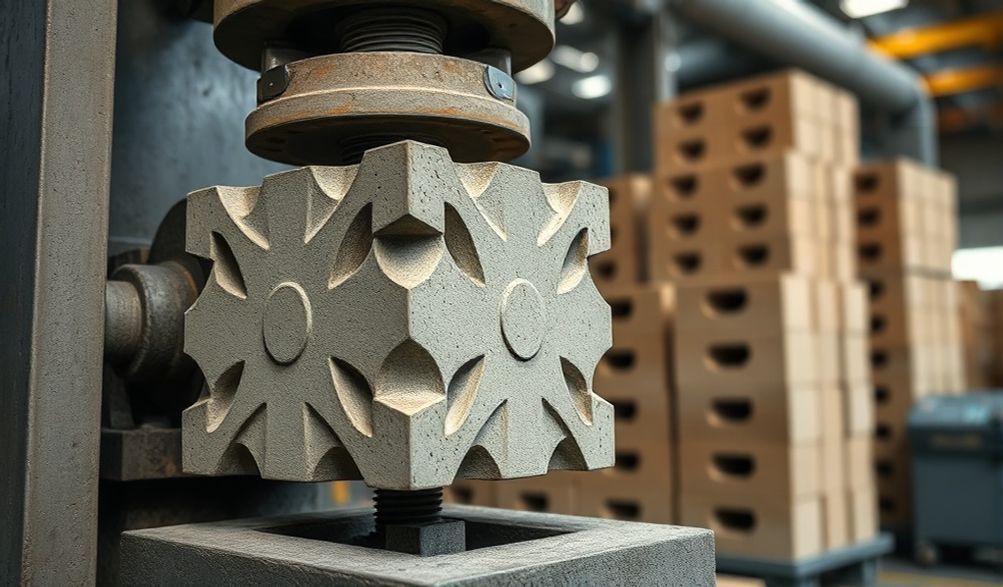
주요 기능은콘크리트 인터록킹 블록 제작 기계"건식 혼합" 콘크리트에 엄청난 압력을 가해 몰드에 압축하여, 상단과 측면에 특허받은 턱과 홈, 퍼즐 같은 또는 기하학적 디자인이 있는 블록을 성형하는 것입니다. 이러한 디자인이 이 시스템의 핵심입니다.
- 인터록:하나의 블록을 놓을 때, 그 블록의 돌출부(돌기)는 인접한 블록의 오목부(홈)에 단단히 고정됩니다.
- 결과:안정적이며 기계적으로 고정된 벽이나 포장층으로, 마치 3차원 퍼즐처럼 마찰과 기하학적 구조에서 강도를 얻습니다. 이로 인해 전통적인 모르타르 접착이 필요하지 않습니다.
기본 작동 원리
디자인은 다양하지만, 대부분의 기계에서 기본 공정은 일관되며, 드라이 캐스트 방식을 따릅니다.
- 급식준비된 건조 콘크리트 혼합물(수화에 필요한 최소한의 수분만 포함되어 있어 '슬럼프'가 없는 상태)이 기계의 몰드 박스나 호퍼로 공급됩니다.
- 압축:혼합물은 두 가지 주요 힘을 받습니다:
- 진동고주파 진동은 혼합물을 안정시키고 공기 주머니를 제거하며 몰드의 모서리가 채워지도록 보장합니다.
- 유압:그런 다음 유압 램이 혼합물에 엄청난 압력(톤 단위로 측정됨)을 가해, 이를 고체의 고강도 덩어리로 밀도 있게 만듭니다.
- 성형:진동과 압력의 결합된 작용은 복잡한 연동 패턴을 포함하여 혼합물을 금형의 정밀한 모양으로 성형합니다.
- 이젝션새로 형성된 블록은 몰드에서 들어 올려지거나 밀려나와 팔레트나 바닥 위에 놓여 경화 준비를 마칩니다.
이 "드라이 캐스트" 방식은 전통적인 습식 콘크리트 주조와 구별되며, 즉각적인 블록 취급과 더 빠른 전체 건설 일정을 가능하게 합니다.
인터록킹 블록과 이를 제조하는 기계의 주요 이점
이 기술에 투자하는 것은 단순히 기계를 구매하는 것 이상으로, 건설 프로젝트나 비즈니스 모델에 연쇄적인 이점을 열어주는 것을 의미합니다.
건설 및 성능 이점
- 타의 추종을 불허하는 건축 속도모르타르를 섞고, 바르고, 굳기를 기다릴 필요 없이 블록 쌓기 생산성이 200~300% 향상될 수 있습니다. 벽체가 훨씬 빠르게 올라가며, 프로젝트 완공 속도가 빨라집니다.
- 상당한 비용 효율성:절감 효과는 여러 측면에서 실현됩니다:
- 노동고도로 숙련된 미장공의 필요성 감소.
- 재료:모르타르, 모래, 시멘트 제거로 깔기 작업 수행.
- Transport: On-site production cuts costs and breakage associated with transporting heavy finished blocks from a distant plant.
- 뛰어난 내구성과 강도 Properly made interlocking blocks have very high compressive strength. Their mechanical interlock creates a flexible structure that can handle shear forces and settlement better than rigid mortar-bound walls, making them ideal for retaining walls, pavements, and load-bearing applications.
- Inherent Sustainability: This technology supports green building in several ways:
- Material Use: Can incorporate industrial by-products like fly ash or recycled aggregates.
- 투과성: Certain designs allow for grass or water infiltration, reducing runoff.
- Reusability: Blocks can often be disassembled and reused elsewhere.
Operational and Business Advantages
- On-Demand, On-Site Production: Produce blocks exactly where they’re needed, when they’re needed. This provides ultimate control over inventory, quality, and logistics.
- Immense Design Versatility: By simply changing the mold, a single machine can produce a variety of block sizes, shapes (e.g., straight, corner, half), and even surface textures (split-face, rock-face, smooth). Color can be added to the mix or applied to the surface.
- A Tangible Business Opportunity: For entrepreneurs, a single semi-automatic or automatic machine can form the core of a profitable block manufacturing business, supplying blocks for local construction, landscaping, and infrastructure projects.
Types of Concrete Interlocking Block Making Machines
Choosing the right machine starts with understanding the landscape. They are primarily categorized by their operation method, mobility, and output.
운영 방식에 따라
- 수동 기계:
- 그들은 어떻게 작동하나요: Operated entirely by human labor using a lever mechanism to apply pressure. Feeding and block removal are manual.
- 최적 대상: Very small-scale projects, DIY enthusiasts, community-led building initiatives, or pilot projects. Output is low (e.g., 100-500 blocks per day), but the cost of entry is minimal.
- 반자동 기계:
- 그들은 어떻게 작동하나요: The core compaction process (vibration and hydraulics) is powered and automated. Operators manually feed raw material and remove finished blocks, often with the aid of a lever or button.
- 최적 대상: Small to medium-sized businesses, contractors with multiple projects, and medium-volume production (e.g., 1,000 – 6,000 blocks per 8-hour shift). They offer an excellent balance between productivity, cost, and flexibility.
- 완전 자동 기계:
- 그들은 어떻게 작동하나요: These are complete production lines. They feature automated systems for feeding raw material, mixing, conveying, compacting, curing, and even stacking/palletizing finished blocks. Controlled via PLC (Programmable Logic Controller).
- 최적 대상: Large-scale commercial block yards and industrial production facilities requiring very high, consistent output (10,000+ blocks per day). They maximize output and minimize labor but require a substantial capital investment.
By Mobility and Setup
- 고정식 발전소: These are fixed installations, often the foundation of a block manufacturing factory. They are designed for maximum output and are not intended to be moved frequently.
- Mobile/Portable Machines: Mounted on a trailer or skid frame, these units can be towed or transported directly to a job site. This is a massive advantage for large infrastructure projects (e.g., remote road construction, large retaining walls) where transporting blocks is impractical.
By Block Output Capacity
- 소규모: Up to ~2,000 blocks per day. Typically manual or small semi-automatic models.
- 중간 규모: ~2,000 to 10,000 blocks per day. The domain of robust semi-automatic and smaller fully automatic machines.
- 대규모 산업 10,000+ blocks per day. The exclusive realm of high-end fully automatic production lines and stationary plants.
Critical Factors to Consider When Choosing a Machine
Making the right choice requires a clear-eyed assessment of your needs against the machine’s capabilities. Here’s your practical checklist.
Project & Business Requirements
- Production Volume: Calculate your average daily and peak weekly block requirement. Choose a machine that can meet this with some capacity to spare—running a machine at 100% capacity constantly leads to wear.
- 블록 사양 List every block type you need (standard, corner, half-block, thickness). Ensure the machine and available molds can produce them all.
- Site & Resource Constraints:
- 우주 Do you have a factory shed or just an open plot? Automatic lines need more covered space.
- 힘 Is three-phase electrical power available, or do you need a diesel-powered option?
- 노동 What is the skill level of your available workforce? A fully automatic machine may need an electrician/technician, while a semi-automatic needs diligent operators.
Machine Specifications & Features
- 압력 용량 (톤수): This is critical for block strength. Higher tonnage (e.g., 150 tons vs. 50 tons) produces denser, stronger blocks suitable for load-bearing walls. For garden walls, lower pressure may suffice.
- Mold Versatility & Changeover: How easy is it to change molds? Quick-change systems save hours of downtime when switching block types. Also, check the cost and availability of additional molds from the supplier.
- 자동화 수준: Honestly evaluate the trade-off. Higher automation means a higher upfront cost but lower long-term labor costs and more consistent output. Can your budget and operational style support it?
- 빌드 품질: Inspect the robustness of the frame (solid steel is best), the quality of the hydraulic pump and cylinders, and the brand/durability of the vibrator motors. A heavier machine frame generally indicates better stability and longevity.
Supplier and Support Evaluation
This step is as important as evaluating the machine itself. Your relationship with the supplier will define your long-term success.
- Research Manufacturer Reputation: Look for companies with a long track record (10+ years is a good sign). Search for reviews, ask for a client portfolio, and try to speak to existing customers.
- 애프터 서비스: Does the supplier offer installation, commissioning, and on-site operator training? What is their spare parts policy? A reliable local agent or service network is invaluable.
- Warranty & Documentation: Scrutinize the warranty terms. Clear, comprehensive operation and maintenance manuals in your language are a must-have.
Operational Best Practices and Maintenance Tips
Owning the machine is half the battle; operating it correctly ensures profitability and longevity. Here’s actionable guidance drawn from field experience.
원자재 준비
The quality of the block is determined here. Ensuring consistent moisture in the mix is often the difference between a perfect block and a cracked one.
- Mix Design: A typical mix might be 1 part cement, 3-6 parts well-graded aggregate (e.g., 3/8″ crushed stone), and 2-4 parts sharp sand. The exact ratio depends on desired strength and local materials.
- 수분 함량 This is critical. The mix should be damp enough to hold its shape when squeezed in your hand (≈ 5-8% water by weight), but no free water should be visible. Too dry = weak blocks; too wet = blocks stick in the mold.
Routine Machine Operation Checklist
- Pre-Start: Check hydraulic oil levels, ensure all bolts are tight, clean the mold cavity and pallets.
- During Operation: Feed the hopper consistently but don’t overfill. Monitor the block ejection process—any sticking indicates a mold or mix issue. Listen for unusual noises from the hydraulics or vibrators.
- Shutdown: Clear all residual material from the mold and hopper. Park the machine in a safe position.
Essential Maintenance for Longevity
A simple, consistent maintenance routine prevents costly breakdowns.
- Daily: Clean the machine thoroughly. Check for loose parts.
- Weekly: Lubricate all moving parts as per the manual (pivots, guide rods). Inspect hydraulic hoses for leaks.
- Monthly: Check and tighten all major bolts and nuts on the frame and vibration table. Change hydraulic oil and filters as recommended by the manufacturer.
FAQ Section
Q: What is the typical cost range for an interlocking block machine?
A: The range is vast. A basic manual machine can start from \$3,000 – \$10,000. A quality semi-automatic machine typically ranges from \$15,000 to \$50,000. Fully automatic production lines can range from \$70,000 to well over \$300,000, depending on capacity and sophistication. Always factor in costs for molds, a mixer, and a pallet or curing rack system.
Q: Can these machines use recycled materials like crushed concrete or plastic?
A: Many can, especially robust machines with higher pressure. Crushed concrete is an excellent, sustainable aggregate. Some technologies allow for the inclusion of certain plastic fibers. However, the material must be clean, consistently sized, and its properties understood. Always consult with the machine manufacturer to validate your specific mix design.
Q: How much training is required to operate a semi-automatic machine?
A: Basic operational training is usually sufficient and is often provided by the supplier over a few days. The key is diligent adherence to the operational manual, understanding the raw material mix, and performing routine maintenance. Safety training around moving parts and hydraulics is non-negotiable.
Q: What is the difference between hydraulic and vibration pressure in these machines?
A: They serve complementary roles. 진동 (often from multiple high-frequency vibrators) consolidates the dry mix, causing particles to settle densely into every part of the mold. 유압 then applies a final, static, high-tonnage force that permanently compacts the mix, creating the final bond and achieving the high compressive strength of the block. The best machines effectively combine both.
Q: Are the blocks produced strong enough for load-bearing walls?
A: Absolutely. When produced with the correct cement content, proper mix design, and sufficient machine pressure, interlocking concrete blocks can achieve compressive strengths that meet or exceed ASTM C90 standards for concrete masonry units. For any specific load-bearing structural application, the block specifications should be reviewed and approved by a qualified structural engineer.
결론
Selecting the ideal 콘크리트 인터록킹 블록 제작 기계 is a strategic decision that hinges on a clear assessment of your project needs, output goals, and operational budget. From manual presses for community projects to fully automated lines driving an industrial business, this technology offers a pathway to faster, more economical, and notably sustainable construction.
We encourage you to use this guide as your foundational framework for evaluation. Let it inform the questions you ask and the specifications you prioritize. Your final step should involve contacting multiple reputable suppliers with your detailed requirements. Request live demonstrations, ask for samples of blocks produced by their machines, and scrutinize their service commitments. By investing time in this due diligence, you’re not just purchasing a piece of equipment—you’re investing in the future efficiency and growth of your construction endeavors or business. This technology is more than a machine; it’s a tool for building modern, resilient infrastructure, one precisely interlocked block at a time.
<