
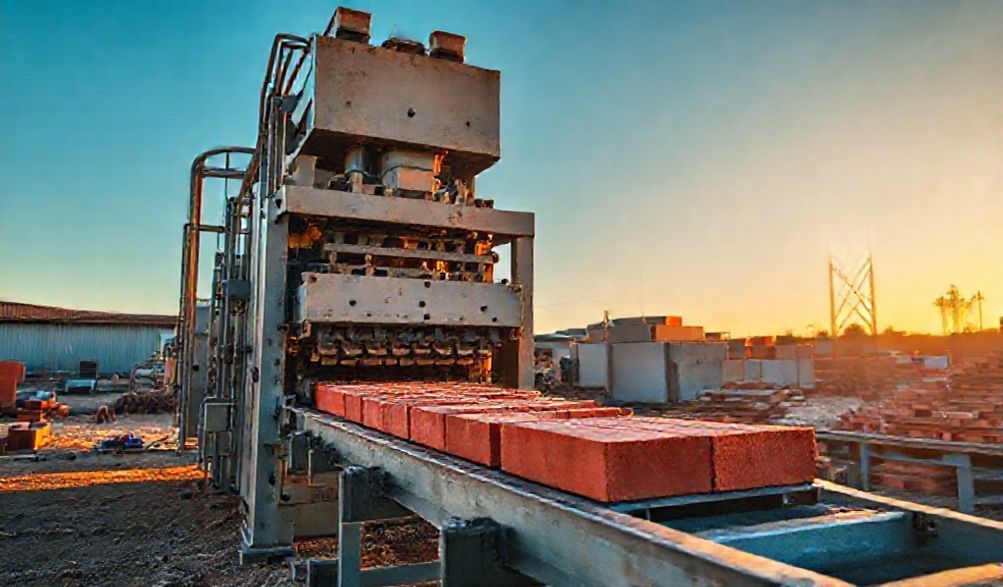
Pretii Machinae Laterum Faciendorum in Australia 2026: Totus Ductor Emptoris
Introductio
Imaginare hoc: in medio opere topiario vel parva evolutione cogitanti constitutus, alterum pretium laterum accipis quod te torquet. Mora catenae commeatus tempus tuum prorogat, et sumptus materiae rudis quasi signum mobile sentitur. Pro crescenti numero aedificatorum, redemptorum, etiam et audacium factorum per se in Australia, consilium lateres in situ conficiendi ut dominium capias, a novitate ad seriam considerationem transiit.
Sed unde incipias? Celer quaestio "machinae latericiae pretium in Australia" prodit varietatem vertiginosam optionum, a paucis milibus dollariorum usque ad pretium domus luxuriosae. Hoc ductor per confusionem secat. Propositum nostrum est tibi praebere perspicuam, accuratam et ad Australiam propriam pretii analysim, te potestatem dans ut vere informatum collocationem facias. Haec informatio in hodiernis mercati notitiis, fabricatorum specificationibus, et alto intellectu operandi et normarum terrae quae Australiae unicae sunt, aedificatur.
Hoc manuali expleto, perspicuum habebis discrimen generum machinarum eorumque pretiorum, causas principales quae impensas movent, sumptus "occultos" saepe neglectos, atque consilia efficacia ad mercatum suppeditatorum pernavigandum. Nota critica: cum pretiorum indicia secundum coniecturas anni MMXXVI praebeamus, sumptus mutationi obnoxii sunt propter fluctuationes monetarum, impensas materiarum, et rationes commeatus. Semper directas et distinctas aestimationes pete. Praecipue autem monemus ut instrumenta ab iis suppeditoribus eligas qui intellegunt et obsequunturNormae Australiae (AS)non est ad libitum – necessarium est pro salute, qualitate, ac diuturnitate collocationis tuae.
Intellectus Laterculorum Machinae Genera Eorumque Pretiorum Spatia
Mercatus late distinguitur secundum gradum automationis, qui directe cum productione, requisitis laboris, et scilicet pretio coniungitur. Has categorias intellegere primus gradus est ad machinam cum tuis veris necessitatibus componendam.
1. Machinae Manuales et Semi-Automaticae (Initus et Modicae Mensurae)
- Pretii Spatium:Mille – quindecim milia dollariorum Australiensium
- Optimum Pro:Operarii domestici (e.g., parietes hortorum, porticus), opera parva topiaria, figuli laterculorum botique vel artifices, et officinae communitatis.
- Claves Notae & Exempla:Hoc spatium includit simplices prela manu acta (sicut "ovipositor" genus vulgare) ubi lateres in loco formantur, et parvas machinas vibratorias electricas vel diesel motas. Saepius manualem materiae adhibitionem et laterum ablationem requirunt.
- Pros & Cons:
- Pros:Exiguum initium collocati, maxime portabile, minima infrastructura necessaria, humilis energiae consumptio.
- Incommodis:Exigua productio (50-300 lateres per horam), labor corporis exigens, qualitas inconstans nisi caute administretur, limitata ad simpliciores laterum et pavimentorum formas.
Machinae Automatae Stationariae (Productio Mediocris)
- Pretii Spatium:XV $15,000 – $80,000+
- Optimum Pro:Parvi ad mediocres mercatores (SMEs), constituta caudicaria, artifices speciales pavimentorum, et destinata aedificia vel opera publica quae constantem in situ copiam requirunt.
- Claves Notae & Exempla:Haec machinae stationariae sunt cum infundibulo dedicato ad materiam automatice alendam. Utuntur systematis vibrationis et compressionis integratis, et saepe includunt tapetem transportatorem vel structorem ad productos confectos movendos. Multae systemata logica programmabilia (PLC) habent ad operationem constantem.
- Pros & Cons:
- Pros:Optima copia et impendiorum aequilibritas, multo maior productio (300-2,000+ lateres per horam), constans qualitas operis, labor per unitatem productam imminutus.
- Incommodis:Stabile fundamento perpetua vel semiperpetua dispositione indiget, plerumque triplici vi electrica opus est, sumptus initiales superiores quam optiones manuales.
3. Planta Lineae Plenae Automatae (Magnae Industriae)
- Pretii Spatium: AUD $80,000 – $500,000+
- Optimum Pro: Large commercial brick and block manufacturing plants, major suppliers to the construction industry, and government infrastructure projects.
- Claves Notae: These are complete systems, not just a single machine. They feature computerized touch-screen controls, robotic handling for raw materials and finished products, integrated curing racks or chambers, and automated palletizing and wrapping systems. Production is measured in thousands of blocks per hour.
- Pros & Cons:
- Pros: Maximum production efficiency, unparalleled consistency, minimal manual labour required, ability to produce a wide variety of complex products seamlessly.
- Incommodis: Very high capital investment, requires significant factory space and complex infrastructure (heavy power, water recycling systems), needs specialised technical staff for operation and maintenance.
Key Factors Influencing Brick Machine Prices in Australia
The price tag is a sum of its parts and capabilities. Here are the core engineering and commercial factors that determine where a machine falls within those broad ranges.
1. Facultas Productionis & Effectus
The single biggest price driver is output, measured in Bricks or Blocks Per Hour (BPH). A machine rated for 500 BPH will be priced significantly lower than one rated for 2,000 BPH, even from the same brand. It’s crucial to calculate your realistic needs:
* Project Basis: How many bricks do you need total, and over what timeframe?
* Business Basis: What are your daily/weekly sales targets? Always factor in a buffer for growth.
2. Machine Automation Level
Automation adds cost in tiers. Each step reduces labour but increases the machine’s complexity and price:
* Basic Vibration & Compression: Core function.
* Alimentatio Materiae Automata Adds conveyor or loader systems.
* PLC Control & Touchscreen Interface: Adds precision and repeatability.
* Robotic Palletizing & Handling: Adds significant cost for end-of-line automation.
3. Mold Types & Customization
The mold is what defines your final product. Costs vary accordingly:
* Normae Typicae For common bricks, hollow blocks, or pavers are usually included.
* Moldes Proprii: For interlocking blocks, special textures, or unique sizes are engineered to order and add $500 – $5,000+ per mold.
* Celeris Mutationis Systemata: The ability to switch molds in minutes (vs. hours) is a premium feature that increases machine cost but boosts operational flexibility.
4. Brand & Country of Origin
- European Brands (e.g., Germany, Italy): Synonymous with high engineering quality, durability, and advanced technology. Command premium prices and often have established Australian distributors.
- Chinese Manufacturers: Offer the most competitive pricing. Quality can vary dramatically from exceptional to poor. The key is vetting the manufacturer rigorously.
- Local Australian Assemblers/Suppliers: Some businesses import key components and assemble or tailor machines locally. This can offer a good middle ground—competitive pricing with easier access to support.
The trade-off is between upfront cost and long-term reliability, parts availability, and technical support. A cheaper machine with no local support network can become a very expensive paperweight if it breaks down.
5. Power Source & Specifications
The required power supply directly impacts both machine cost and your setup expenses:
* 3-Phase Electrical: Most automatic machines require 3-phase power (415V). If your site only has single-phase (240V), you’ll need to factor in the cost of a phase converter or a generator, adding thousands to your project.
* Hydraulic vs. Electric Vibration: Hydraulic systems are powerful and robust but can be more expensive and require maintenance. All-electric systems are cleaner and can be more energy-efficient.
Beyond the Sticker Price: Calculating Total Cost of Ownership
The purchase price is just the entry fee. A savvy buyer budgets for the Total Cost of Ownership (TCO) to avoid nasty surprises.
1. Initial Purchase & Delivery
- For Imported Machines: The “FOB” price does not include:
- Navigatio internationalis et assecuratio.
- Australian import duties (varies by classification).
- Goods and Services Tax (GST).
- Port fees and customs brokerage charges.
- For Local Purchases: Always clarify if the quote includes GST and delivery to your site. On-site unloading may require a hired crane or forklift.
2. Setup & Infrastructure Costs
Your machine needs a proper home:
* Fundamentum: A reinforced concrete slab is non-negotiable for stationary machines.
* Electrical Work: Getting 3-phase power to the location can involve significant cabling and electrician costs.
* Water Supply & Management: You need a reliable water source for mixing and may need a drainage or recycling system.
* Shelter/Shed: Protecting your investment from the sun and rain is essential for longevity.
3. Operational & Raw Material Costs
The ongoing expense of making each brick:
* Materiae Crudae Cement, sand, aggregate, and any pigments. Prices fluctuate locally; source quotes from nearby suppliers.
* Utilities: Estimate electricity consumption (based on motor kW) and water usage.
* Labor: Even for automatic machines, factor in costs for operation, raw material handling, and product removal.
4. Maintenance, Parts, & Long-Term Support
Hic est ubiExperientia, Peritia, Auctoritas, Fiducia becomes critical in your supplier choice.
* A machine from a reputable supplier with a local warehouse for spare parts might have a 10-20% higher sticker price than a direct import.
* However, if the direct import machine breaks down and you wait 8 weeks for a $500 part, your lost production could cost tens of thousands.
* Key Questions: What is the warranty? What common wear parts (molds, vibrator motors, hydraulic seals) need replacing and how much do they cost? Is there a local technician, or do you rely on video calls overseas?
Where to Buy: Navigating the Australian Supplier Landscape
1. Local Australian Distributors & Dealers
- Beneficia: This is often the lowest-risk path. You get local warranty support, faster access to spare parts, and technicians who understand Australian conditions and standards (AS/NZS 4455 for masonry units). They handle import complexities for you.
- How to Vet Them: Check their business history. Ask for references from past clients, preferably in a similar industry. If possible, visit their showroom or a client’s site to see a machine in operation.
2. Direct Import from Overseas Manufacturers
- Beneficia: Potentially the lowest purchase price (ex-factory).
- Risks & Hidden Costs: You become the importer, responsible for shipping, customs, and compliance. Technical support can be delayed due to time zones. Ensure the machine is certified for Australian electrical standards (AS/NZS 3000). Due diligence is paramount: request factory audit reports, contact their other Australian clients, and verify international certifications (CE, ISO).
3. The Used & Second-Hand Market
- Can offer tremendous value but is “buyer beware.”
- Inspection Checklist:
- Total operational hours (like a car’s odometer).
- Condition of the mold cavity—wear here affects brick quality.
- Full service and maintenance history.
- Reason for sale.
- Crucially: Request a demonstration where you see it produce a batch of bricks under full load.
Interrogationes Saepius Petitae (ISP)
Q1: What is the cheapest brick making machine available in Australia?
A: Basic manual presses can start as low as AUD $1,000 to $3,000. While affordable, be realistic about the physical labour required and the low output. They are tools for specific, small-scale tasks, not for commercial production.
Q2: Can I make bricks for my own house construction with these machines?
A: Yes, technically you can. However, for structural bricks, you oportet ensure they meet the relevant Australian Standards (AS/NZS 4455) for compressive strength, dimensions, and durability. Your local council will require certification and likely testing from a registered engineer. Always consult a structural engineer before proceeding.
Q3: Are Chinese brick making machines a good option for Australia?
A: Many are excellent and offer great value. The focus shouldn’t be on the country of origin, but on the manufacturer’s reputation. Choose a supplier with a proven export history to markets with high standards, clear international certifications, and who can provide references in Australia. Confirm electrical compliance for Australia.
Q4: How much can I save by making my own bricks vs. buying them?
A: Savings are not automatic and are scale-dependent. For a one-off garden wall, buying bricks is almost certainly cheaper. Savings become significant when you have ongoing, high-volume needs. You must calculate: (Machine Depreciation + Raw Materials + Labour + Utilities) vs. (Delivered Brick Cost x Quantity). The machine cost is amortised over thousands of bricks.
Q5: What is the most important thing to look for in a supplier?
A: After-sales service and local technical support. The machine will need maintenance and parts. A supplier who can provide a prompt, competent service response is worth a premium. Downtime in a production environment is your biggest cost.
Conclusio.
Navigating the brick making machine market in Australia reveals a spectrum of prices directly tied to scale, automation, and supplier provenance. From a $1,500 manual press for your backyard to a $300,000 fully-automated plant, the “right” machine is defined entirely by your specific project scope, output requirements, and total budget—including all those hidden setup and operational costs.
Our final recommendation is this: invest time before you invest money. Use this guide as a framework to clearly define your needs. Then, approach 3-4 reputable suppliers—prioritising those with a physical presence and service network in Australia—for detailed quotes. Ask them the tough questions about warranty response times, parts inventory, and compliance documentation.
Remember, you’re not just buying a machine; you’re investing in the quality, efficiency, and future of your building projects or business. Choosing a trustworthy partner who stands behind their equipment is the surest way to ensure that investment pays dividends for years to come.
<