
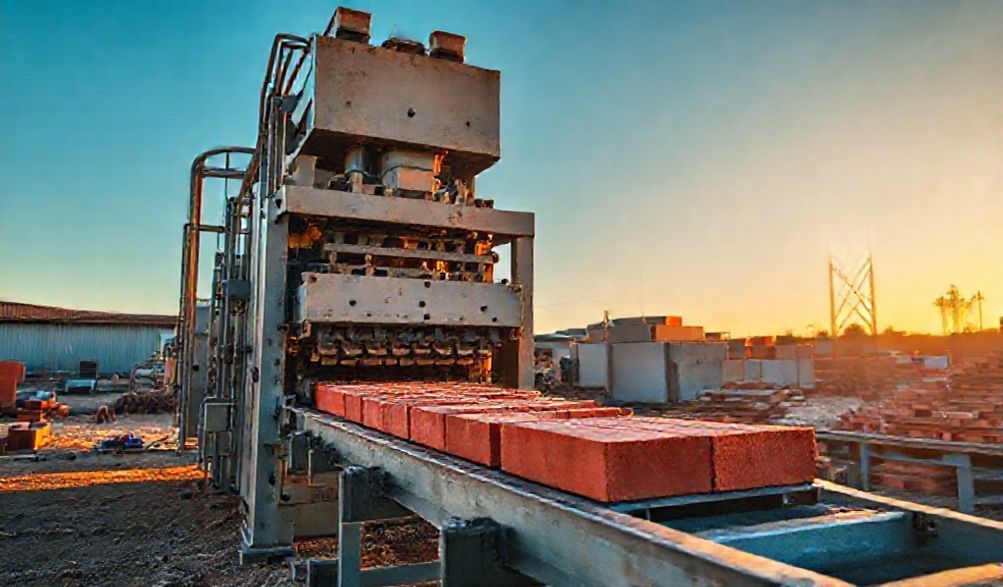
Цена на машины для производства кирпича в Австралии в 2026 году: Полное руководство для покупателей
Введение
Представьте: вы в разгаре ландшафтного проекта или планируете небольшую застройку, и вам снова приходит смета на кирпичи, от которой морщитесь. Задержки в цепочке поставок сдвигают сроки, а стоимость сырья кажется постоянно меняющейся целью. Для всё большего числа австралийских строителей, подрядчиков и даже амбициозных домашних мастеров идея взять контроль в свои руки, производя кирпичи прямо на месте, превратилась из диковинки в серьёзное обсуждение.
Но с чего же начать? Быстрый поиск по запросу "цена на станок для производства кирпича в Австралии" открывает ошеломляющее разнообразие вариантов — от нескольких тысяч долларов до стоимости роскошного дома. Это руководство поможет разобраться в этом хаосе. Наша цель — предоставить вам прозрачный, детальный и адаптированный к Австралии анализ цен, чтобы вы могли сделать по-настоящему обоснованные инвестиции. Эта информация основана на актуальных рыночных данных, технических характеристиках производителей и глубоком понимании операционной и нормативной среды, уникальной для Австралии.
К концу этого руководства вы получите четкое представление о типах станков и их ценовых категориях, ключевых факторах, влияющих на стоимость, часто упускаемых из виду «скрытых» расходах и практических рекомендациях по работе с рынком поставщиков. Важное замечание: хотя мы приводим ориентировочные ценовые диапазоны на основе прогнозов на 2026 год, стоимость может меняться в зависимости от колебаний валютных курсов, цен на материалы и факторов цепочки поставок. Всегда запрашивайте прямые, детализированные коммерческие предложения. Самое главное, мы подчеркиваем, что выбор оборудования у поставщиков, которые понимают и соблюдаютАвстралийские стандарты (AS)не является необязательным — это необходимо для безопасности, качества и долговечности ваших инвестиций.
Понимание типов машин для производства кирпича и их ценовых диапазонов
Рынок широко сегментирован по уровню автоматизации, что напрямую связано с производительностью, потребностями в рабочей силе и, конечно, ценой. Понимание этих категорий — первый шаг к выбору машины, соответствующей вашим реальным потребностям.
1. Ручные и полуавтоматические машины (начальный уровень и малые масштабы)
- Диапазон цен:1 000 – 15 000 австралийских долларов
- Лучше всего подходит для:Проекты домовладельцев (например, садовые стены, патио), небольшие ландшафтные работы, бутиковые или ремесленные производители кирпича, а также общественные мастерские.
- Ключевые особенности и примеры:Этот ассортимент включает простые ручные прессы (такие как популярные модели типа "несушка"), в которых кирпичи формуются на месте, а также небольшие электрические или дизельные вибрационные машины. Они часто требуют ручной подачи материала и извлечения кирпичей.
- Плюсы и минусы:
- Плюсы:Очень низкие первоначальные инвестиции, высокая портативность, минимальная потребность в инфраструктуре, низкое энергопотребление.
- Минусы:Низкая производительность (50-300 кирпичей в час), физически трудоемкий процесс, нестабильное качество при небрежной работе, ограниченность более простыми конструкциями кирпичей и тротуарной плитки.
2. Стационарные автоматические машины (среднесерийное производство)
- Диапазон цен:15 000 – 80 000+ австралийских долларов
- Лучше всего подходит для:Малые и средние предприятия (МСП), устоявшиеся площадки для хранения блоков, специализированные производители тротуарной плитки, а также целевые жилищные или инфраструктурные проекты, требующие стабильных поставок материалов непосредственно на объект.
- Ключевые особенности и примеры:Это стационарные машины со специальным бункером для автоматической подачи материала. Они используют встроенные системы вибрации и прессования и часто оснащены конвейерной лентой или штабелером для перемещения готовой продукции. Многие модели имеют программируемые логические контроллеры (ПЛК) для обеспечения стабильной работы.
- Плюсы и минусы:
- Плюсы:Отличный баланс между производительностью и затратами, значительно более высокая производительность (300-2000+ блоков в час), стабильное качество продукции, снижение трудозатрат на единицу произведенной продукции.
- Минусы:Требует постоянной или полупостоянной установки на прочном фундаменте, в большинстве случаев необходимо трехфазное электропитание, более высокие первоначальные затраты по сравнению с ручными вариантами.
3. Полностью автоматизированные линии для растений (крупномасштабное промышленное производство)
- Диапазон цен: AUD $80,000 – $500,000+
- Лучше всего подходит для: Large commercial brick and block manufacturing plants, major suppliers to the construction industry, and government infrastructure projects.
- Ключевые особенности: These are complete systems, not just a single machine. They feature computerized touch-screen controls, robotic handling for raw materials and finished products, integrated curing racks or chambers, and automated palletizing and wrapping systems. Production is measured in thousands of blocks per hour.
- Плюсы и минусы:
- Плюсы: Maximum production efficiency, unparalleled consistency, minimal manual labour required, ability to produce a wide variety of complex products seamlessly.
- Минусы: Very high capital investment, requires significant factory space and complex infrastructure (heavy power, water recycling systems), needs specialised technical staff for operation and maintenance.
Key Factors Influencing Brick Machine Prices in Australia
The price tag is a sum of its parts and capabilities. Here are the core engineering and commercial factors that determine where a machine falls within those broad ranges.
1. Производственные мощности и объем выпуска
The single biggest price driver is output, measured in Bricks or Blocks Per Hour (BPH). A machine rated for 500 BPH will be priced significantly lower than one rated for 2,000 BPH, even from the same brand. It’s crucial to calculate your realistic needs:
* Project Basis: How many bricks do you need total, and over what timeframe?
* Business Basis: What are your daily/weekly sales targets? Always factor in a buffer for growth.
2. Machine Automation Level
Automation adds cost in tiers. Each step reduces labour but increases the machine’s complexity and price:
* Basic Vibration & Compression: Core function.
* Автоматическая подача материала: Adds conveyor or loader systems.
* PLC Control & Touchscreen Interface: Adds precision and repeatability.
* Robotic Palletizing & Handling: Adds significant cost for end-of-line automation.
3. Mold Types & Customization
The mold is what defines your final product. Costs vary accordingly:
* Стандартные формы: For common bricks, hollow blocks, or pavers are usually included.
* Индивидуальные формы: For interlocking blocks, special textures, or unique sizes are engineered to order and add $500 – $5,000+ per mold.
* Системы быстрой смены: The ability to switch molds in minutes (vs. hours) is a premium feature that increases machine cost but boosts operational flexibility.
4. Brand & Country of Origin
- European Brands (e.g., Germany, Italy): Synonymous with high engineering quality, durability, and advanced technology. Command premium prices and often have established Australian distributors.
- Chinese Manufacturers: Offer the most competitive pricing. Quality can vary dramatically from exceptional to poor. The key is vetting the manufacturer rigorously.
- Local Australian Assemblers/Suppliers: Some businesses import key components and assemble or tailor machines locally. This can offer a good middle ground—competitive pricing with easier access to support.
The trade-off is between upfront cost and long-term reliability, parts availability, and technical support. A cheaper machine with no local support network can become a very expensive paperweight if it breaks down.
5. Power Source & Specifications
The required power supply directly impacts both machine cost and your setup expenses:
* 3-Phase Electrical: Most automatic machines require 3-phase power (415V). If your site only has single-phase (240V), you’ll need to factor in the cost of a phase converter or a generator, adding thousands to your project.
* Hydraulic vs. Electric Vibration: Hydraulic systems are powerful and robust but can be more expensive and require maintenance. All-electric systems are cleaner and can be more energy-efficient.
Beyond the Sticker Price: Calculating Total Cost of Ownership
The purchase price is just the entry fee. A savvy buyer budgets for the Total Cost of Ownership (TCO) to avoid nasty surprises.
1. Initial Purchase & Delivery
- For Imported Machines: The “FOB” price does not include:
- Международная доставка и страхование.
- Australian import duties (varies by classification).
- Goods and Services Tax (GST).
- Port fees and customs brokerage charges.
- For Local Purchases: Always clarify if the quote includes GST and delivery to your site. On-site unloading may require a hired crane or forklift.
2. Setup & Infrastructure Costs
Your machine needs a proper home:
* Foundation: A reinforced concrete slab is non-negotiable for stationary machines.
* Electrical Work: Getting 3-phase power to the location can involve significant cabling and electrician costs.
* Water Supply & Management: You need a reliable water source for mixing and may need a drainage or recycling system.
* Shelter/Shed: Protecting your investment from the sun and rain is essential for longevity.
3. Operational & Raw Material Costs
The ongoing expense of making each brick:
* Сырье: Cement, sand, aggregate, and any pigments. Prices fluctuate locally; source quotes from nearby suppliers.
* Utilities: Estimate electricity consumption (based on motor kW) and water usage.
* Труд: Even for automatic machines, factor in costs for operation, raw material handling, and product removal.
4. Maintenance, Parts, & Long-Term Support
Это то место, гдеE-E-A-T (Experience, Expertise, Authoritativeness, Trustworthiness) becomes critical in your supplier choice.
* A machine from a reputable supplier with a local warehouse for spare parts might have a 10-20% higher sticker price than a direct import.
* However, if the direct import machine breaks down and you wait 8 weeks for a $500 part, your lost production could cost tens of thousands.
* Key Questions: What is the warranty? What common wear parts (molds, vibrator motors, hydraulic seals) need replacing and how much do they cost? Is there a local technician, or do you rely on video calls overseas?
Where to Buy: Navigating the Australian Supplier Landscape
1. Local Australian Distributors & Dealers
- Преимущества: This is often the lowest-risk path. You get local warranty support, faster access to spare parts, and technicians who understand Australian conditions and standards (AS/NZS 4455 for masonry units). They handle import complexities for you.
- How to Vet Them: Check their business history. Ask for references from past clients, preferably in a similar industry. If possible, visit their showroom or a client’s site to see a machine in operation.
2. Direct Import from Overseas Manufacturers
- Преимущества: Potentially the lowest purchase price (ex-factory).
- Risks & Hidden Costs: You become the importer, responsible for shipping, customs, and compliance. Technical support can be delayed due to time zones. Ensure the machine is certified for Australian electrical standards (AS/NZS 3000). Due diligence is paramount: request factory audit reports, contact their other Australian clients, and verify international certifications (CE, ISO).
3. The Used & Second-Hand Market
- Can offer tremendous value but is “buyer beware.”
- Inspection Checklist:
- Total operational hours (like a car’s odometer).
- Condition of the mold cavity—wear here affects brick quality.
- Full service and maintenance history.
- Reason for sale.
- Ключевой момент: Request a demonstration where you see it produce a batch of bricks under full load.
Frequently Asked Questions (FAQ)
Q1: What is the cheapest brick making machine available in Australia?
А: Basic manual presses can start as low as AUD $1,000 to $3,000. While affordable, be realistic about the physical labour required and the low output. They are tools for specific, small-scale tasks, not for commercial production.
Q2: Can I make bricks for my own house construction with these machines?
А: Yes, technically you can. However, for structural bricks, you must ensure they meet the relevant Australian Standards (AS/NZS 4455) for compressive strength, dimensions, and durability. Your local council will require certification and likely testing from a registered engineer. Always consult a structural engineer before proceeding.
Q3: Are Chinese brick making machines a good option for Australia?
А: Many are excellent and offer great value. The focus shouldn’t be on the country of origin, but on the manufacturer’s reputation. Choose a supplier with a proven export history to markets with high standards, clear international certifications, and who can provide references in Australia. Confirm electrical compliance for Australia.
Q4: How much can I save by making my own bricks vs. buying them?
А: Savings are not automatic and are scale-dependent. For a one-off garden wall, buying bricks is almost certainly cheaper. Savings become significant when you have ongoing, high-volume needs. You must calculate: (Machine Depreciation + Raw Materials + Labour + Utilities) vs. (Delivered Brick Cost x Quantity). The machine cost is amortised over thousands of bricks.
Q5: What is the most important thing to look for in a supplier?
A: After-sales service and local technical support. The machine will need maintenance and parts. A supplier who can provide a prompt, competent service response is worth a premium. Downtime in a production environment is your biggest cost.
Заключение
Navigating the brick making machine market in Australia reveals a spectrum of prices directly tied to scale, automation, and supplier provenance. From a $1,500 manual press for your backyard to a $300,000 fully-automated plant, the “right” machine is defined entirely by your specific project scope, output requirements, and total budget—including all those hidden setup and operational costs.
Our final recommendation is this: invest time before you invest money. Use this guide as a framework to clearly define your needs. Then, approach 3-4 reputable suppliers—prioritising those with a physical presence and service network in Australia—for detailed quotes. Ask them the tough questions about warranty response times, parts inventory, and compliance documentation.
Remember, you’re not just buying a machine; you’re investing in the quality, efficiency, and future of your building projects or business. Choosing a trustworthy partner who stands behind their equipment is the surest way to ensure that investment pays dividends for years to come.
<