
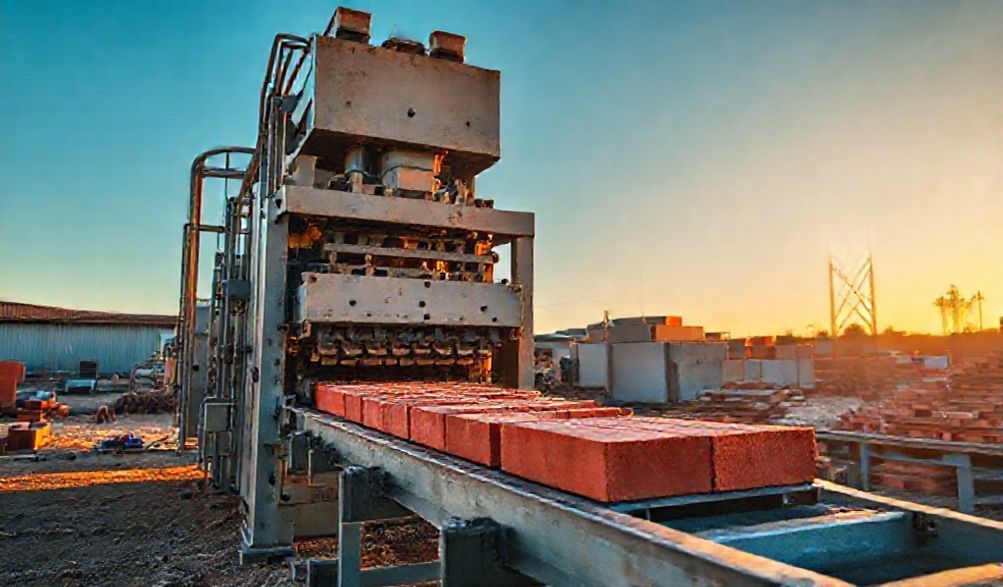
호주 벽돌 제조 기계 가격 2026: 완벽한 구매자 가이드
소개
이런 상황을 상상해 보세요: 조경 공사 한창이거나 소규모 개발을 계획 중인데 벽돌 견적서를 받아 또 한번 눈살을 찌푸리게 됩니다. 공급망 지연으로 일정이 늦어지고, 원자재 비용은 마치 움직이는 표적처럼 변동이 심합니다. 점점 더 많은 호주 건축업자, 계약자, 그리고 야심 찬 DIY 애호가들에게 현장에서 벽돌을 직접 생산한다는 아이디어는 이제 단순한 참신함을 넘어 진지하게 고려되는 선택지가 되었습니다.
그렇다면 어디서부터 시작해야 할까요? "호주 벽돌 제조 기계 가격"을 검색해보면 수천 달러에서 럭셔리 주택 가격에 이르기까지 다양한 옵션이 눈에 띕니다. 이 가이드는 그런 혼란을 해소해줍니다. 우리의 목표는 투명하고 상세하며 호주에 특화된 가격 분석을 제공하여, 여러분이 정말로 정보에 기반한 투자 결정을 내릴 수 있도록 돕는 것입니다. 이 정보는 현재 시장 데이터, 제조업체 사양, 그리고 호주만의 운영 및 규제 환경에 대한 깊은 이해를 바탕으로 구성되었습니다.
이 가이드를 마칠 때쯤이면, 기계 유형과 가격대, 비용을 결정하는 주요 요소, 자주 간과되는 '숨겨진' 비용, 그리고 공급업체 시장을 효과적으로 활용하는 실질적인 통찰력을 명확하게 이해하게 될 것입니다. 중요한 참고 사항: 2026년 예상치를 바탕으로 한 표시 가격 범위를 제공하지만, 비용은 통화 변동, 재료비, 공급망 요인에 따라 변동될 수 있습니다. 항상 직접적이고 세부 항목별 견적을 받으십시오. 가장 중요한 것은, 당사의 규정과 표준을 이해하고 준수하는 공급업체의 장비를 선택하는 것을 강조한다는 점입니다.호주 표준(AS)이는 선택 사항이 아닙니다. 안전, 품질 및 투자 수명 연장에 필수적입니다.
벽돌 제조 기계의 종류와 가격대 이해하기
시장은 자동화 수준에 따라 크게 세분화되며, 이는 생산량, 노동력 요구사항, 그리고 물론 가격과 직접적으로 연관됩니다. 이러한 범주를 이해하는 것이 실제 필요에 맞는 기계를 선택하는 첫 번째 단계입니다.
1. 수동 및 반자동 기계 (초급 및 소규모)
- 가격 범위:1,000 – 15,000 호주 달러
- 최적 대상:주택 소유자 프로젝트(예: 정원 벽, 파티오), 소규모 조경 작업, 부티크 또는 장인 벽돌 제조업체, 커뮤니티 워크숍.
- 주요 기능 및 예시:이 범위에는 벽돌을 현장에서 성형하는 인기 있는 "알 낳는" 스타일과 같은 단순한 수동 프레스와 소형 전기 또는 디젤 동력 진동기 기계가 포함됩니다. 이러한 기계들은 종종 재료 투입과 벽돌 제거를 수동으로 수행해야 합니다.
- 장점과 단점:
- 장점:초기 투자 비용이 매우 낮고, 휴대성이 뛰어나며, 최소한의 인프라만 필요하며, 에너지 소비량이 낮습니다.
- 단점:낮은 생산량(시간당 50-300개 벽돌), 육체적으로 힘든 작업, 조심스럽게 운영하지 않으면 품질이 일정하지 않음, 단순한 벽돌 및 포장재 디자인으로 제한됨.
2. 정지형 자동 기계 (중규모 생산)
- 가격 범위:15,000 – 80,000+ 호주 달러
- 최적 대상:중소기업, 기존 블록 야드, 전문 포장재 제조업체, 그리고 지속적이고 현장 공급이 필요한 주택 또는 인프라 프로젝트.
- 주요 기능 및 예시:이들은 자동 재료 공급을 위한 전용 호퍼가 있는 고정식 기계입니다. 통합된 진동 및 압축 시스템을 사용하며, 종종 완제품 이동을 위한 컨베이어 벨트나 스태커가 포함됩니다. 많은 기계가 일관된 작동을 위해 프로그래머블 로직 컨트롤러(PLC) 시스템을 갖추고 있습니다.
- 장점과 단점:
- 장점:생산량과 비용의 탁월한 균형, 생산성 현저히 향상(시간당 300~2,000개 이상 블록 생산 가능), 일관된 제품 품질, 생산 단위당 노동력 절감.
- 단점:영구적 또는 준영구적 설치가 필요하며 견고한 기초가 요구되고, 대부분의 경우 3상 전력이 필요하며, 수동 옵션보다 초기 비용이 더 높습니다.
3. 완전 자동화 식물 라인(대규모 산업용)
- 가격 범위: AUD $80,000 – $500,000+
- 최적 대상: Large commercial brick and block manufacturing plants, major suppliers to the construction industry, and government infrastructure projects.
- 주요 특징: These are complete systems, not just a single machine. They feature computerized touch-screen controls, robotic handling for raw materials and finished products, integrated curing racks or chambers, and automated palletizing and wrapping systems. Production is measured in thousands of blocks per hour.
- 장점과 단점:
- 장점: Maximum production efficiency, unparalleled consistency, minimal manual labour required, ability to produce a wide variety of complex products seamlessly.
- 단점: Very high capital investment, requires significant factory space and complex infrastructure (heavy power, water recycling systems), needs specialised technical staff for operation and maintenance.
Key Factors Influencing Brick Machine Prices in Australia
The price tag is a sum of its parts and capabilities. Here are the core engineering and commercial factors that determine where a machine falls within those broad ranges.
1. Production Capacity & Output
The single biggest price driver is output, measured in Bricks or Blocks Per Hour (BPH). A machine rated for 500 BPH will be priced significantly lower than one rated for 2,000 BPH, even from the same brand. It’s crucial to calculate your realistic needs:
* Project Basis: How many bricks do you need total, and over what timeframe?
* Business Basis: What are your daily/weekly sales targets? Always factor in a buffer for growth.
2. Machine Automation Level
Automation adds cost in tiers. Each step reduces labour but increases the machine’s complexity and price:
* Basic Vibration & Compression: Core function.
* Automatic Material Feeding: Adds conveyor or loader systems.
* PLC Control & Touchscreen Interface: Adds precision and repeatability.
* Robotic Palletizing & Handling: Adds significant cost for end-of-line automation.
3. Mold Types & Customization
The mold is what defines your final product. Costs vary accordingly:
* 표준 몰드: For common bricks, hollow blocks, or pavers are usually included.
* 커스텀 몰드: For interlocking blocks, special textures, or unique sizes are engineered to order and add $500 – $5,000+ per mold.
* 신속 교체 시스템: The ability to switch molds in minutes (vs. hours) is a premium feature that increases machine cost but boosts operational flexibility.
4. Brand & Country of Origin
- European Brands (e.g., Germany, Italy): Synonymous with high engineering quality, durability, and advanced technology. Command premium prices and often have established Australian distributors.
- Chinese Manufacturers: Offer the most competitive pricing. Quality can vary dramatically from exceptional to poor. The key is vetting the manufacturer rigorously.
- Local Australian Assemblers/Suppliers: Some businesses import key components and assemble or tailor machines locally. This can offer a good middle ground—competitive pricing with easier access to support.
The trade-off is between upfront cost and long-term reliability, parts availability, and technical support. A cheaper machine with no local support network can become a very expensive paperweight if it breaks down.
5. Power Source & Specifications
The required power supply directly impacts both machine cost and your setup expenses:
* 3-Phase Electrical: Most automatic machines require 3-phase power (415V). If your site only has single-phase (240V), you’ll need to factor in the cost of a phase converter or a generator, adding thousands to your project.
* Hydraulic vs. Electric Vibration: Hydraulic systems are powerful and robust but can be more expensive and require maintenance. All-electric systems are cleaner and can be more energy-efficient.
Beyond the Sticker Price: Calculating Total Cost of Ownership
The purchase price is just the entry fee. A savvy buyer budgets for the Total Cost of Ownership (TCO) to avoid nasty surprises.
1. Initial Purchase & Delivery
- For Imported Machines: The “FOB” price does not include:
- 국제 운송 및 보험.
- Australian import duties (varies by classification).
- Goods and Services Tax (GST).
- Port fees and customs brokerage charges.
- For Local Purchases: Always clarify if the quote includes GST and delivery to your site. On-site unloading may require a hired crane or forklift.
2. Setup & Infrastructure Costs
Your machine needs a proper home:
* 기반 A reinforced concrete slab is non-negotiable for stationary machines.
* Electrical Work: Getting 3-phase power to the location can involve significant cabling and electrician costs.
* Water Supply & Management: You need a reliable water source for mixing and may need a drainage or recycling system.
* Shelter/Shed: Protecting your investment from the sun and rain is essential for longevity.
3. Operational & Raw Material Costs
The ongoing expense of making each brick:
* 원자재 Cement, sand, aggregate, and any pigments. Prices fluctuate locally; source quotes from nearby suppliers.
* Utilities: Estimate electricity consumption (based on motor kW) and water usage.
* 노동당 Even for automatic machines, factor in costs for operation, raw material handling, and product removal.
4. Maintenance, Parts, & Long-Term Support
여기가 바로E-E-A-T (경험, 전문성, 권위성, 신뢰성) becomes critical in your supplier choice.
* A machine from a reputable supplier with a local warehouse for spare parts might have a 10-20% higher sticker price than a direct import.
* However, if the direct import machine breaks down and you wait 8 weeks for a $500 part, your lost production could cost tens of thousands.
* Key Questions: What is the warranty? What common wear parts (molds, vibrator motors, hydraulic seals) need replacing and how much do they cost? Is there a local technician, or do you rely on video calls overseas?
Where to Buy: Navigating the Australian Supplier Landscape
1. Local Australian Distributors & Dealers
- 장점: This is often the lowest-risk path. You get local warranty support, faster access to spare parts, and technicians who understand Australian conditions and standards (AS/NZS 4455 for masonry units). They handle import complexities for you.
- How to Vet Them: Check their business history. Ask for references from past clients, preferably in a similar industry. If possible, visit their showroom or a client’s site to see a machine in operation.
2. Direct Import from Overseas Manufacturers
- 장점: Potentially the lowest purchase price (ex-factory).
- Risks & Hidden Costs: You become the importer, responsible for shipping, customs, and compliance. Technical support can be delayed due to time zones. Ensure the machine is certified for Australian electrical standards (AS/NZS 3000). Due diligence is paramount: request factory audit reports, contact their other Australian clients, and verify international certifications (CE, ISO).
3. The Used & Second-Hand Market
- Can offer tremendous value but is “buyer beware.”
- Inspection Checklist:
- Total operational hours (like a car’s odometer).
- Condition of the mold cavity—wear here affects brick quality.
- Full service and maintenance history.
- Reason for sale.
- Crucially: Request a demonstration where you see it produce a batch of bricks under full load.
자주 묻는 질문 (FAQ)
Q1: What is the cheapest brick making machine available in Australia?
A: Basic manual presses can start as low as AUD $1,000 to $3,000. While affordable, be realistic about the physical labour required and the low output. They are tools for specific, small-scale tasks, not for commercial production.
Q2: Can I make bricks for my own house construction with these machines?
A: Yes, technically you can. However, for structural bricks, you must ensure they meet the relevant Australian Standards (AS/NZS 4455) for compressive strength, dimensions, and durability. Your local council will require certification and likely testing from a registered engineer. Always consult a structural engineer before proceeding.
Q3: Are Chinese brick making machines a good option for Australia?
A: Many are excellent and offer great value. The focus shouldn’t be on the country of origin, but on the manufacturer’s reputation. Choose a supplier with a proven export history to markets with high standards, clear international certifications, and who can provide references in Australia. Confirm electrical compliance for Australia.
Q4: How much can I save by making my own bricks vs. buying them?
A: Savings are not automatic and are scale-dependent. For a one-off garden wall, buying bricks is almost certainly cheaper. Savings become significant when you have ongoing, high-volume needs. You must calculate: (Machine Depreciation + Raw Materials + Labour + Utilities) vs. (Delivered Brick Cost x Quantity). The machine cost is amortised over thousands of bricks.
Q5: What is the most important thing to look for in a supplier?
A: After-sales service and local technical support. The machine will need maintenance and parts. A supplier who can provide a prompt, competent service response is worth a premium. Downtime in a production environment is your biggest cost.
결론
Navigating the brick making machine market in Australia reveals a spectrum of prices directly tied to scale, automation, and supplier provenance. From a $1,500 manual press for your backyard to a $300,000 fully-automated plant, the “right” machine is defined entirely by your specific project scope, output requirements, and total budget—including all those hidden setup and operational costs.
Our final recommendation is this: invest time before you invest money. Use this guide as a framework to clearly define your needs. Then, approach 3-4 reputable suppliers—prioritising those with a physical presence and service network in Australia—for detailed quotes. Ask them the tough questions about warranty response times, parts inventory, and compliance documentation.
Remember, you’re not just buying a machine; you’re investing in the quality, efficiency, and future of your building projects or business. Choosing a trustworthy partner who stands behind their equipment is the surest way to ensure that investment pays dividends for years to come.
<