
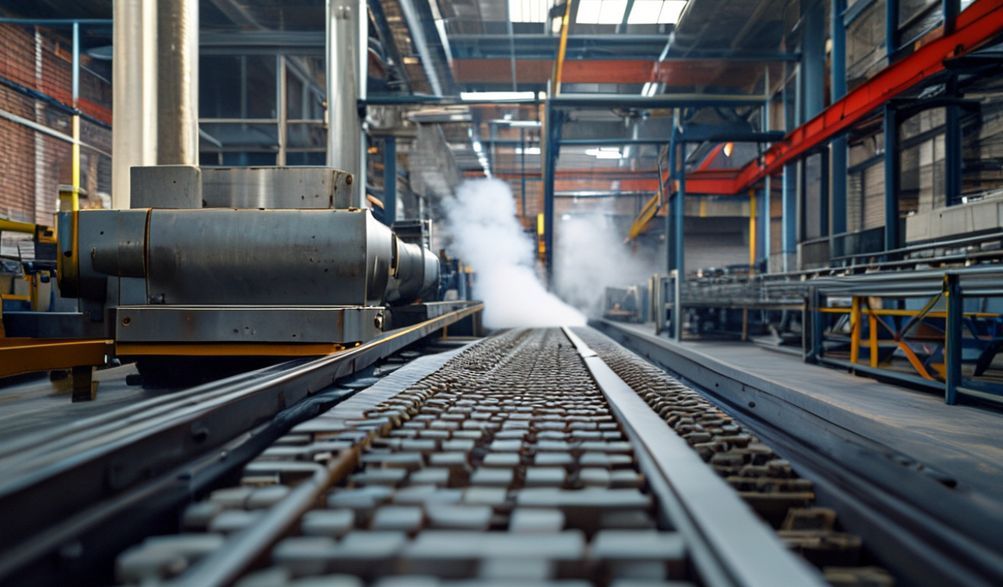
ਬਲਾਕ ਮੋਲਡਿੰਗ ਮਸ਼ੀਨਾਂ ਦੀ ਅੰਤਿਮ ਗਾਈਡ: ਇੱਕ ਆਧੁਨਿਕ ਇੱਟ ਬਣਾਉਣ ਦੇ ਕਾਰਖਾਨੇ ਦੇ ਅੰਦਰ
ਬਿਲਡਿੰਗ ਸਮੱਗਰੀ ਦੀ ਮੁਕਾਬਲੇਬਾਜ਼ ਦੁਨੀਆ ਵਿੱਚ, ਇੱਕ ਇੱਟ ਬਣਾਉਣ ਵਾਲੀ ਫੈਕਟਰੀ ਲਗਾਤਾਰ ਗੁਣਵੱਤਾ, ਉੱਚ ਉਤਪਾਦਨ ਅਤੇ ਲਾਭਦਾਇਕਤਾ ਨੂੰ ਕਿਵੇਂ ਯਕੀਨੀ ਬਣਾਉਂਦੀ ਹੈ? ਇਸਦਾ ਜਵਾਬ ਓਪਰੇਸ਼ਨ ਦੇ ਦਿਲ ਵਿੱਚ ਛੁਪਿਆ ਹੈ:ਬਲਾਕ ਮੋਲਡਿੰਗ ਮਸ਼ੀਨ.
ਇਹ ਗਾਈਡ ਬਲਾਕ ਮੋਲਡਿੰਗ ਤਕਨਾਲੋਜੀ ਨੂੰ ਸਮਝਣ ਲਈ ਦਹਾਕਿਆਂ ਦੇ ਉਦਯੋਗਿਕ ਗਿਆਨ 'ਤੇ ਆਧਾਰਿਤ ਹੈ। ਅਸੀਂ ਤੁਹਾਨੂੰ ਇੱਕ ਪੇਸ਼ੇਵਰ ਇੱਟ ਬਣਾਉਣ ਵਾਲੀ ਫੈਕਟਰੀ, ਜਿਵੇਂ ਕਿ ਫੁਡਾ, ਦੀਆਂ ਪ੍ਰਕਿਰਿਆਵਾਂ ਦੇ ਅੰਦਰ ਲੈ ਜਾਵਾਂਗੇ, ਤਾਂ ਜੋ ਤੁਹਾਨੂੰ ਦਿਖਾਇਆ ਜਾ ਸਕੇ ਕਿ ਇੱਕ ਕੁਸ਼ਲ ਅਤੇ ਭਰੋਸੇਯੋਗ ਉਤਪਾਦਨ ਲਾਈਨ ਕਿਵੇਂ ਬਣਦੀ ਹੈ।
ਭਾਵੇਂ ਤੁਸੀਂ ਠੇਕੇਦਾਰ ਹੋ, ਸਟਾਰਟਅੱਪ ਫੈਕਟਰੀ ਦੇ ਮਾਲਕ ਹੋ, ਜਾਂ ਉਦਯੋਗਿਕ ਪੇਸ਼ੇਵਰ, ਇਹ ਪੋਸਟ ਤੁਹਾਨੂੰ ਮਸ਼ੀਨਾਂ ਦੀਆਂ ਕਿਸਮਾਂ, ਮੁੱਖ ਵਿਸ਼ੇਸ਼ਤਾਵਾਂ, ਚੋਣ ਦੇ ਮਾਪਦੰਡ, ਅਤੇ ਕਾਰਜਸ਼ੀਲ ਸਰਵੋਤਮ ਅਭਿਆਸਾਂ ਨੂੰ ਸਮਝਣ ਵਿੱਚ ਮਦਦ ਕਰੇਗੀ। ਸਾਡਾ ਟੀਚਾ ਤੁਹਾਡੇ ਕਾਰੋਬਾਰ ਲਈ ਸੂਚਿਤ ਫੈਸਲੇ ਲੈਣ ਵਿੱਚ ਸਹਾਇਤਾ ਕਰਨ ਲਈ ਭਰੋਸੇਯੋਗ, ਕਾਰਗੁਜ਼ਾਰ ਜਾਣਕਾਰੀ ਪ੍ਰਦਾਨ ਕਰਨਾ ਹੈ।
ਸਹੀ ਨੂੰ ਸਮਝਣਾਬਲਾਕ ਮੋਲਡਿੰਗ ਮਸ਼ੀਨਕਿਸੇ ਵੀ ਸਫਲਤਾ ਲਈ ਇਹ ਜ਼ਰੂਰੀ ਹੈਇੱਟ ਬਣਾਉਣ ਦਾ ਕਾਰਖਾਨਾ.
ਬਲਾਕ ਮੋਲਡਿੰਗ ਮਸ਼ੀਨਾਂ ਦੀ ਸਮਝ: ਉਤਪਾਦਨ ਲਈ ਕੋਰ ਟੈਕਨਾਲੋਜੀ
ਫੈਕਟਰੀ ਦੇ ਫਲੋਰ ਦੀ ਜਾਂਚ ਕਰਨ ਤੋਂ ਪਹਿਲਾਂ, ਇਹ ਜ਼ਰੂਰੀ ਹੈ ਕਿ ਉਸ ਮਸ਼ੀਨ ਦੀਆਂ ਬੁਨਿਆਦੀ ਗੱਲਾਂ ਨੂੰ ਸਮਝ ਲਿਆ ਜਾਵੇ ਜੋ ਇਹ ਸਭ ਸੰਭਵ ਬਣਾਉਂਦੀ ਹੈ।
ਬਲਾਕ ਮੋਲਡਿੰਗ ਮਸ਼ੀਨ ਕੀ ਹੈ?
ਇੱਕ ਬਲਾਕ ਮੋਲਡਿੰਗ ਮਸ਼ੀਨ ਇੱਕ ਵਿਸ਼ੇਸ਼ ਔਦਯੋਗਿਕ ਉਪਕਰਨ ਹੈ ਜੋ ਕੰਕਰੀਟ ਬਲਾਕਾਂ, ਇੱਟਾਂ ਅਤੇ ਪੇਵਰਾਂ ਨੂੰ ਬਣਾਉਣ ਲਈ ਤਿਆਰ ਕੀਤੀ ਗਈ ਹੈ। ਇਸ ਦਾ ਮੁੱਖ ਕਾਰਜ ਸਿਧਾਂਤ ਉੱਚ ਦਬਾਅ ਅਤੇ ਕੰਬਣੀ ਦੇ ਅਧੀਨ ਇੱਕ ਮੋਲਡ (ਜਾਂ ਡਾਈ) ਵਿੱਚ ਅਰਧ-ਸੁੱਕੇ ਕੰਕਰੀਟ ਮਿਸ਼ਰਣ ਨੂੰ ਸੰਘਣਾ ਕਰਨਾ ਹੈ।
ਇਸ ਪ੍ਰਕਿਰਿਆ ਨਾਲ ਹਵਾ ਦੇ ਥੈਲੇ ਬਾਹਰ ਨਿਕਲ ਜਾਂਦੇ ਹਨ ਅਤੇ ਸਮੱਗਰੀ ਨੂੰ ਘਣਤਾ ਨਾਲ ਪੈਕ ਕੀਤਾ ਜਾਂਦਾ ਹੈ, ਜਿਸ ਨਾਲ ਇੱਕ ਬਲਾਕ ਬਣਦਾ ਹੈ ਜਿਸਦੀ ਆਕ੍ਰਿਤੀ, ਬਣਾਵਟ ਅਤੇ ਢਾਂਚਾਗਤ ਸਮਰੱਥਾ ਨਿਰਮਾਣ ਲਈ ਲੋੜੀਂਦੇ ਹੁੰਦੇ ਹਨ।
ਇੱਕ ਪੂਰੀ ਤਰ੍ਹਾਂ ਕੰਮ ਕਰ ਰਹੇ ਨਿਰਮਾਣ ਪਲਾਂਟ ਵਿੱਚ, ਬਲਾਕ ਮੋਲਡਿੰਗ ਮਸ਼ੀਨ ਕੇਂਦਰੀ ਘਟਕ ਹੁੰਦੀ ਹੈ। ਇਹ ਉਹ ਬਿੰਦੂ ਹੈ ਜਿੱਥੇ ਕੱਚੇ ਮਾਲ ਨੂੰ ਇੱਕ ਮਿਆਰੀ, ਵਿਕਣਯੋਗ ਉਤਪਾਦ ਵਿੱਚ ਬਦਲਿਆ ਜਾਂਦਾ ਹੈ, ਜੋ ਸਾਰੇ ਕਾਰਜ ਦੀ ਗਤੀ ਅਤੇ ਗੁਣਵੱਤਾ ਨੂੰ ਨਿਰਧਾਰਤ ਕਰਦਾ ਹੈ।
ਬਲਾਕ ਮੋਲਡਿੰਗ ਮਸ਼ੀਨਾਂ ਦੀਆਂ ਕਿਸਮਾਂ
ਸਾਰੀਆਂ ਮਸ਼ੀਨਾਂ ਇੱਕੋ ਜਾਂਗ ਦੀਆਂ ਨਹੀਂ ਹੁੰਦੀਆਂ। ਸਹੀ ਚੋਣ ਪੂਰੀ ਤਰ੍ਹਾਂ ਤੁਹਾਡੇ ਪੈਮਾਨੇ, ਬਜਟ, ਅਤੇ ਆਟੋਮੇਸ਼ਨ ਦੇ ਟੀਚਿਆਂ 'ਤੇ ਨਿਰਭਰ ਕਰਦੀ ਹੈ।
-
ਮੈਨੂਅਲ ਅਤੇ ਸੈਮੀ-ਆਟੋਮੈਟਿਕ ਮਸ਼ੀਨਾਂ:ਇਹ ਬਹੁਤ ਸਾਰੇ ਕਾਰੋਬਾਰਾਂ ਲਈ ਪ੍ਰਵੇਸ਼ ਦੁਆਰ ਹਨ।
- ਮੈਨੂਅਲ ਮਸ਼ੀਨਾਂਖੁਆਣ, ਸੰਘਣਾ ਕਰਨ ਅਤੇ ਬਲਾਕ ਹਟਾਉਣ ਲਈ ਇਹਨਾਂ ਨੂੰ ਮਹੱਤਵਪੂਰਨ ਮਨੁੱਖੀ ਮਿਹਨਤ ਦੀ ਲੋੜ ਹੁੰਦੀ ਹੈ। ਇਹ ਘੱਟ ਖਰਚੀਲੇ ਹਨ ਪਰ ਇਹਨਾਂ ਦਾ ਆਉਟਪੁੱਟ ਬਹੁਤ ਸੀਮਿਤ ਹੈ।
- ਸੈਮੀ-ਆਟੋਮੈਟਿਕ ਮਸ਼ੀਨਾਂਮਕੈਨੀਕਲ ਵਾਈਬ੍ਰੇਸ਼ਨ ਅਤੇ ਹਾਈਡ੍ਰੌਲਿਕ ਦਬਾਅ ਪੇਸ਼ ਕਰਦੇ ਹਨ, ਪਰ ਫਿਰ ਵੀ ਬਲਾਕਾਂ ਦੀ ਕਿਊਰਿੰਗ ਅਤੇ ਸਟੈਕਿੰਗ ਲਈ ਮੈਨੂਅਲ ਹੈਂਡਲਿੰਗ ਦੀ ਲੋੜ ਹੁੰਦੀ ਹੈ। ਇਹ ਛੋਟੇ ਪੱਧਰ ਦੀਆਂ ਪ੍ਰੋਜੈਕਟਾਂ, ਸਟਾਰਟਅੱਪਾਂ, ਜਾਂ ਵਿਸ਼ੇਸ਼, ਘੱਟ ਮਾਤਰਾ ਵਾਲੀਆਂ ਵਸਤੂਆਂ ਦੇ ਉਤਪਾਦਨ ਲਈ ਆਦਰਸ਼ ਹਨ।
-
ਪੂਰੀ ਤਰ੍ਹਾਂ ਆਟੋਮੈਟਿਕ ਬਲਾਕ ਬਣਾਉਣ ਵਾਲੀਆਂ ਮਸ਼ੀਨਾਂ:ਇਹ ਇੱਕ ਆਧੁਨਿਕ, ਉੱਚ-ਆਉਟਪੁੱਟ ਦੀ ਰੀੜ੍ਹ ਦੀ ਹੱਡੀ ਹੈ।ਇੱਟ ਬਣਾਉਣ ਦਾ ਕਾਰਖਾਨਾਇਹ ਸਿਸਟਮ ਸਾਰੀ ਪ੍ਰਕਿਰਿਆ ਨੂੰ ਇਕੱਤਰ ਕਰਦੇ ਹਨ:
- ਕਨਵੇਅਰ ਬੈਲਟਾਂ ਰਾਹੀਂ ਸਵੈਚਾਲਿਤ ਸਮੱਗਰੀ ਫੀਡਿੰਗ।
- ਪ੍ਰੋਗਰਾਮਯੋਗ ਮੋਲਡਿੰਗ ਚੱਕਰ ਜੋ ਨਿਰੰਤਰ ਦਬਾਅ/ਕੰਬਣ ਨਾਲ ਕੰਮ ਕਰਦੇ ਹਨ।
- Automatic block ejection and transfer to curing areas (via pallets or stackers).
- They maximize output, ensure uniform quality, and drastically reduce labor costs, offering the best long-term ROI for serious production.
-
Mobile vs. Stationary Block Machines:
- Mobile Block Machines are smaller, often towable units designed to produce blocks directly on a construction site, eliminating transport costs for the final product. They are perfect for large, remote projects.
- Stationary Block Machines are the fixed installations found in a ਇੱਟ ਬਣਾਉਣ ਦਾ ਕਾਰਖਾਨਾ. They are larger, more powerful, and designed for continuous, high-volume production in a controlled environment.
ਮੁੱਖ ਭਾਗ ਅਤੇ ਉਨ੍ਹਾਂ ਦੇ ਕਾਰਜ
The reliability of a block molding machine hinges on the quality of its core components:
- ਹੌਪਰ: The entry point for the prepared concrete mix. A well-designed hopper ensures consistent, uninterrupted material flow.
- ਕਨਵੇਅਰ ਸਿਸਟਮ: Transports the raw mix from the mixer to the machine hopper in automated lines.
- ਮੋਲਡ (ਡਾਈ) The heart of the machine. This high-strength steel component defines the block’s shape, size, and surface pattern. Interchangeable molds allow one machine to produce various products.
- ਵਾਈਬ੍ਰੇਸ਼ਨ ਸਿਸਟਮ: High-frequency vibrators pack the concrete mix into the mold, eliminating voids and creating a dense, strong block.
- ਹਾਈਡ੍ਰੌਲਿਕ ਸਿਸਟਮ: Provides the immense pressure needed to compact the material. The quality of hydraulic pumps, cylinders, and valves directly impacts machine durability and performance.
- ਕੰਟਰੋਲ ਪੈਨਲ: The “brain” of the machine, especially in automatic models. It allows operators to set parameters, monitor the cycle, and diagnose issues.
Investing in a machine with robust, well-engineered components from a reputable manufacturer minimizes downtime and ensures consistent product quality for years.
Inside a Professional Brick Making Factory: The FUDA Production Workflow
Let’s step inside the controlled, systematic environment of a professional operation like the FUDA brick making factory to see how theory translates into practice.
Raw Material Preparation: The Foundation of Quality
The journey of a perfect block begins long before the mix reaches the machine. Consistency here is non-negotiable.
- Materials Used: A typical mix includes cement (the binder), aggregates (sand, gravel, or crushed stone for bulk and strength), fly ash (an industrial by-product that enhances workability and sustainability), and pigments for colored blocks.
- The Mixing Process: Using a computerized batching system, raw materials are combined in precise ratios. The moisture content is critically controlled; a semi-dry mix is essential for the block to hold its shape immediately after molding.
The Molding Process: Where the Magic Happens
This is the core of the ਇੱਟ ਬਣਾਉਣ ਦਾ ਕਾਰਖਾਨਾ where the ਬਲਾਕ ਮੋਲਡਿੰਗ ਮਸ਼ੀਨ takes center stage.
- ਖੁਆਣਾ The prepared mix is conveyed into the machine’s feed hopper.
- ਭਰਨਾ The mix is distributed into the mold cavity.
- ਸੰਘਣਨ: The mold is subjected to intense hydraulic pressure and high-frequency vibration. This dual action compresses the material to its maximum density.
- ਬਾਹਰ ਕੱਢਣਾ The freshly molded, yet still “green,” block is gently pushed out of the mold onto a pallet or conveyor belt.
- Transfer: In an automated factory, blocks on their pallets are automatically moved to the curing area.
Curing and Drying: Achieving Maximum Strength
A newly molded block only has “green strength.” Curing develops its full structural potential.
- Steam Curing: Used in advanced factories, blocks are moved into climate-controlled chambers. Here, controlled heat and humidity accelerate the cement hydration process, allowing blocks to achieve market-ready strength in 24 hours or less.
- Water Curing & Natural Curing: Traditional methods involve sprinkling blocks with water or simply allowing them to cure under tarps. These methods are effective but much slower, taking 7-28 days.
Quality Control & Testing: Ensuring Every Brick Meets Standards
A trustworthy ਇੱਟ ਬਣਾਉਣ ਦਾ ਕਾਰਖਾਨਾ like FUDA embeds quality checks at every stage.
- ਇਨ-ਪ੍ਰੋਸੈਸ ਚੈੱਕਸ: Operators regularly verify block dimensions, weight, and visual appearance.
- Laboratory Testing: Samples from production batches are tested for:
- Compressive Strength: Crushing blocks in a press to ensure they meet or exceed ASTM or local building code standards.
- Water Absorption: Determining porosity, which affects durability and freeze-thaw resistance.
- ਡਾਇਮੈਨਸ਼ਨਲ ਸ਼ੁੱਧਤਾ: Ensuring consistency for easy, stable construction.
This rigorous commitment to standards is what separates professional suppliers from backyard operations.
How to Choose the Right Block Molding Machine for Your Needs
Selecting your machine is a pivotal investment. Here’s an expert framework for your decision.
Assessing Your Production Requirements
Start by answering these key questions:
- What is my required output (blocks per hour or 8-hour shift)?
- What block types and sizes do I need to produce? (Hollow blocks, solid blocks, pavers?)
- What is my available factory space and power supply (3-phase electricity)?
- What is my realistic budget, including installation, training, and initial spare parts?
Must-Check Features & Specifications
Look beyond the brochure. Scrutinize these details:
- ਉਤਪਾਦਨ ਸਮਰੱਥਾ: Ensure the stated output matches your needs for your most common block type.
- Power & Energy Consumption: Factor in long-term operational costs.
- ਆਟੋਮੇਸ਼ਨ ਪੱਧਰ: Balance higher upfront cost against long-term labor savings and consistency.
- ਮੋਲਡ ਦੀ ਬਹੁਪੱਖਤਾ: Can you easily source additional molds for new products?
- ਅਫਟਰ-ਸੇਲਜ਼ ਸਰਵਿਸ: This is arguably the most critical factor. What does the support package include?
Expert Tip: Always calculate the ਕੁੱਲ ਮਲਕੀਅਤ ਦੀ ਲਾਗਤ, not just the purchase price. A slightly more expensive, reliable machine with good support will cost less per block over 5 years than a cheap, problematic one.
Red Flags and Green Flags in a Supplier
Red Flags to Avoid:
* Vague or missing technical specifications.
* Inability or unwillingness to provide contactable customer references.
* A warranty that is unclear, very short, or excludes key components.
* Pressure to buy without allowing a factory visit or equipment demonstration.
Green Flags of a Trustworthy Partner:
* Transparency about their manufacturing facility and process.
* Offering comprehensive installation supervision and hands-on operator training.
* Maintaining a clear inventory of wear parts (like mold liners, vibration motors) for quick shipment.
* Providing genuine client testimonials and case studies.
Maximizing Efficiency and ROI in Your Brick Making Operation
Your machine is an asset. Proper operation and planning determine its return.
Operational Best Practices for Machine Longevity
- Daily: Clean the machine, especially the mold area, to prevent concrete buildup.
- Weekly: Check hydraulic fluid levels, inspect hoses for wear, and lubricate all moving parts as per the manual.
- Per Shift: Visually inspect molds for damage or excessive wear that could affect block quality.
Optimizing the Production Line Layout
Efficiency is about smooth material flow. A well-planned layout minimizes handling and delays.
- Position the raw material storage (cement silos, aggregate bays) for easy access to the mixer.
- Place the mixer to feed directly into the ਬਲਾਕ ਮੋਲਡਿੰਗ ਮਸ਼ੀਨ‘s conveyor.
- Ensure a clear, direct path from the machine to the curing area (racks or chambers).
- Designate ample space for post-curing storage and loading.
Calculating Your Return on Investment (ROI)
A simplified framework to estimate your payback period:
- Total Investment: Machine cost + Installation + Initial raw material stock.
- Monthly Operating Costs: Raw materials + Labor + Energy + Maintenance.
- Monthly Revenue: (Blocks produced per month) x (Selling price per block).
- Monthly Gross Profit: Monthly Revenue – Monthly Operating Costs.
- Simple Payback Period: Total Investment / Monthly Gross Profit.
Example: If your total investment is $100,000 and your monthly gross profit is $10,000, your payback period is approximately 10 months. After that, the profit contributes directly to your bottom line.
Frequently Asked Questions (FAQ) About Block Molding Machines
Q1: What is the average production capacity of a standard block molding machine?
A: Capacities vary widely. Small manual machines may produce 500-1000 blocks per 8-hour shift, while fully automatic lines in a large ਇੱਟ ਬਣਾਉਣ ਦਾ ਕਾਰਖਾਨਾ can produce over 10,000 blocks in the same time. The specific model and block size are determining factors.
Q2: Can one machine produce different types of blocks and pavers?
A: Yes, most machines are designed with interchangeable molds. A versatile ਬਲਾਕ ਮੋਲਡਿੰਗ ਮਸ਼ੀਨ can produce hollow blocks, solid blocks, interlocking pavers, curb stones, and more by simply changing the mold (die). Always confirm this capability with your supplier.
Q3: What kind of after-sales support should I expect from the manufacturer?
A: Reputable manufacturers offer installation supervision, operator training, a clear warranty (1+ years on core parts), and readily available technical support and spare parts. This support is crucial for minimizing downtime.
Q4: How important is the raw material mix for the final block quality?
A: Extremely important. The machine provides form and compaction, but the raw material mix determines the block’s strength, durability, and finish. A consistent, well-proportioned mix is non-negotiable for professional-grade results.
Conclusion
ਸਹੀ ਚੋਣ ਕਰਨਾਬਲਾਕ ਮੋਲਡਿੰਗ ਮਸ਼ੀਨ is the most critical decision for establishing or upgrading a ਇੱਟ ਬਣਾਉਣ ਦਾ ਕਾਰਖਾਨਾ. It affects everything from product quality and brand reputation to operational efficiency and long-term profitability.
Success is built on a triad of pillars: robust, well-engineered machinery (demonstrating ਮਾਹਰਤਾ), optimized and systematic factory processes (establishing ਅਧਿਕਾਰਤਾ), and an unwavering commitment to quality control and supplier reliability (building ਭਰੋਸੇਯੋਗਤਾ).
Use this guide as a framework for your research. Visit factories, ask detailed, technical questions of potential suppliers, and prioritize long-term partnership and support over the lowest initial price. With the right equipment and knowledge, your brick making operation can build a truly solid foundation for growth in the ever-evolving construction industry.
<