
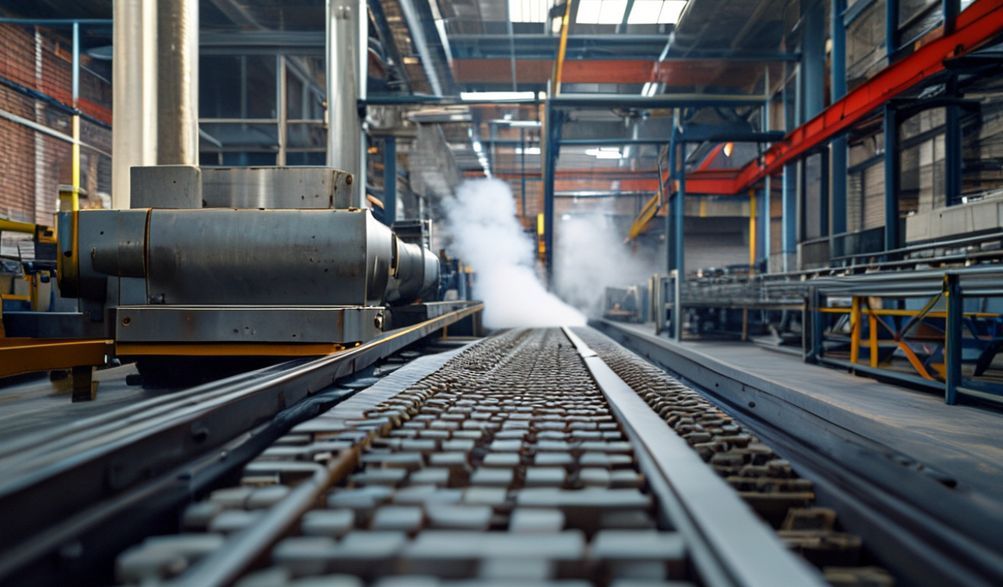
Остаточний посібник з блочно-формувальних машин: всередині сучасного цегляного заводу
У конкурентному світі будівельних матеріалів, як цегляний завод забезпечує стабільну якість, високі обсяги виробництва та прибутковість? Відповідь криється в самому серці операцій:машина для формування блоків.
Цей посібник ґрунтується на десятиліттях галузевих знань, щоб розкрити технологію блочного формування. Ми проведемо вас крізь процеси професійної фабрики з виробництва цегли, такої як FUDA, щоб показати, що робить виробничу лінію ефективною та надійною.
Чи ви підрядник, власник стартап-фабрики, чи професіонал у галузі, ця публікація допоможе вам зрозуміти типи машин, ключові характеристики, критерії вибору та найкращі практики експлуатації. Наша мета — надати достовірну, практичну інформацію, яка допоможе вам приймати обґрунтовані рішення для вашого бізнесу.
Розуміння правамашина для формування блоківє критично важливим для будь-якого успішногоцегельний завод.
Розуміння машин для формування блоків: ключова технологія для виробництва
Перш ніж досліджувати заводський цех, важливо зрозуміти основи машини, яка робить все це можливим.
Що таке блочно-формувальна машина?
Машина для формування блоків — це спеціалізоване промислове обладнання, призначене для виробництва бетонних блоків, цегли та бруківки. Її основний принцип роботи полягає в ущільненні напівсухої бетонної суміші в формі (або матриці) під високим тиском та вібрацією.
Цей процес видаляє повітряні кишені та щільно ущільнює матеріал, формуючи блок з точною формою, текстурою та структурною цілісністю, необхідною для будівництва.
У повністю обладнаному виробничому цеху, блок-формувальна машина є центральним компонентом. Це місце, де сировина перетворюється на стандартизований товар, готовий до продажу, що визначає темп і якість усієї операції.
Типи машин для формування блоків
Не всі машини створені рівними. Правильний вибір повністю залежить від вашого масштабу, бюджету та цілей автоматизації.
-
Ручні та напівавтоматичні машини:Це є вхідними точками для багатьох бізнесів.
- Ручні верстатипотребують значної людської праці для годування, ущільнення та вилучення блоків. Вони є низьковартісними, але мають дуже обмежену продуктивність.
- Напівавтоматичні машинивводять механічну вібрацію та гідравлічний тиск, але все ще вимагають ручного поводження з блоками для твердіння та укладання. Вони ідеально підходять для невеликих проектів, стартапів або виробництва спеціалізованих, малосерійних виробів.
-
Повністю автоматичні машини для виробництва блоків:Це основа сучасної високопродуктивноїцегельний заводЦі системи інтегрують весь процес:
- Автоматизована подача матеріалів за допомогою конвеєрних стрічок.
- Програмовані цикли формування з постійним тиском/вібрацією.
- Автоматичне виштовхування блоків та переміщення до зон тверднення (за допомогою палет або штабелерів).
- Вони максимізують випуск продукції, забезпечують єдину якість та значно знижують витрати на працю, пропонуючи найкращу довгострокову окупність інвестицій для серйозного виробництва.
-
Mobile vs. Stationary Block Machines:
- Мобільні блокові машини are smaller, often towable units designed to produce blocks directly on a construction site, eliminating transport costs for the final product. They are perfect for large, remote projects.
- Stationary Block Machines are the fixed installations found in a цегельний завод. They are larger, more powerful, and designed for continuous, high-volume production in a controlled environment.
Ключові компоненти та їх функції
The reliability of a block molding machine hinges on the quality of its core components:
- Хоппер: The entry point for the prepared concrete mix. A well-designed hopper ensures consistent, uninterrupted material flow.
- Система конвеєрів: Transports the raw mix from the mixer to the machine hopper in automated lines.
- Форма (Штамп): The heart of the machine. This high-strength steel component defines the block’s shape, size, and surface pattern. Interchangeable molds allow one machine to produce various products.
- Вібраційна система: High-frequency vibrators pack the concrete mix into the mold, eliminating voids and creating a dense, strong block.
- Гідравлічна система: Provides the immense pressure needed to compact the material. The quality of hydraulic pumps, cylinders, and valves directly impacts machine durability and performance.
- Панель керування: The “brain” of the machine, especially in automatic models. It allows operators to set parameters, monitor the cycle, and diagnose issues.
Investing in a machine with robust, well-engineered components from a reputable manufacturer minimizes downtime and ensures consistent product quality for years.
Inside a Professional Brick Making Factory: The FUDA Production Workflow
Let’s step inside the controlled, systematic environment of a professional operation like the FUDA brick making factory to see how theory translates into practice.
Raw Material Preparation: The Foundation of Quality
The journey of a perfect block begins long before the mix reaches the machine. Consistency here is non-negotiable.
- Materials Used: A typical mix includes cement (the binder), aggregates (sand, gravel, or crushed stone for bulk and strength), fly ash (an industrial by-product that enhances workability and sustainability), and pigments for colored blocks.
- The Mixing Process: Using a computerized batching system, raw materials are combined in precise ratios. The moisture content is critically controlled; a semi-dry mix is essential for the block to hold its shape immediately after molding.
The Molding Process: Where the Magic Happens
This is the core of the цегельний завод where the машина для формування блоків takes center stage.
- Годування: The prepared mix is conveyed into the machine’s feed hopper.
- Наповнення: The mix is distributed into the mold cavity.
- Ущільнення: The mold is subjected to intense hydraulic pressure and high-frequency vibration. This dual action compresses the material to its maximum density.
- Викид: The freshly molded, yet still “green,” block is gently pushed out of the mold onto a pallet or conveyor belt.
- Переказ: In an automated factory, blocks on their pallets are automatically moved to the curing area.
Curing and Drying: Achieving Maximum Strength
A newly molded block only has “green strength.” Curing develops its full structural potential.
- Steam Curing: Used in advanced factories, blocks are moved into climate-controlled chambers. Here, controlled heat and humidity accelerate the cement hydration process, allowing blocks to achieve market-ready strength in 24 hours or less.
- Water Curing & Natural Curing: Traditional methods involve sprinkling blocks with water or simply allowing them to cure under tarps. These methods are effective but much slower, taking 7-28 days.
Quality Control & Testing: Ensuring Every Brick Meets Standards
A trustworthy цегельний завод like FUDA embeds quality checks at every stage.
- Перевірки в процесі: Operators regularly verify block dimensions, weight, and visual appearance.
- Laboratory Testing: Samples from production batches are tested for:
- Міцність на стискання: Crushing blocks in a press to ensure they meet or exceed ASTM or local building code standards.
- Водопоглинання: Determining porosity, which affects durability and freeze-thaw resistance.
- Точність розмірів: Ensuring consistency for easy, stable construction.
This rigorous commitment to standards is what separates professional suppliers from backyard operations.
How to Choose the Right Block Molding Machine for Your Needs
Selecting your machine is a pivotal investment. Here’s an expert framework for your decision.
Оцінка ваших виробничих потреб
Start by answering these key questions:
- What is my required output (blocks per hour or 8-hour shift)?
- What block types and sizes do I need to produce? (Hollow blocks, solid blocks, pavers?)
- What is my available factory space and power supply (3-phase electricity)?
- What is my realistic budget, including installation, training, and initial spare parts?
Must-Check Features & Specifications
Look beyond the brochure. Scrutinize these details:
- Виробнича потужність: Ensure the stated output matches your needs for your most common block type.
- Power & Energy Consumption: Factor in long-term operational costs.
- Рівень автоматизації: Balance higher upfront cost against long-term labor savings and consistency.
- Універсальність форми: Can you easily source additional molds for new products?
- Післяпродажне обслуговування: This is arguably the most critical factor. What does the support package include?
Expert Tip: Always calculate the Загальна вартість володіння, not just the purchase price. A slightly more expensive, reliable machine with good support will cost less per block over 5 years than a cheap, problematic one.
Red Flags and Green Flags in a Supplier
Red Flags to Avoid:
* Vague or missing technical specifications.
* Inability or unwillingness to provide contactable customer references.
* A warranty that is unclear, very short, or excludes key components.
* Pressure to buy without allowing a factory visit or equipment demonstration.
Green Flags of a Trustworthy Partner:
* Transparency about their manufacturing facility and process.
* Offering comprehensive installation supervision and hands-on operator training.
* Maintaining a clear inventory of wear parts (like mold liners, vibration motors) for quick shipment.
* Providing genuine client testimonials and case studies.
Maximizing Efficiency and ROI in Your Brick Making Operation
Your machine is an asset. Proper operation and planning determine its return.
Operational Best Practices for Machine Longevity
- Daily: Clean the machine, especially the mold area, to prevent concrete buildup.
- Weekly: Check hydraulic fluid levels, inspect hoses for wear, and lubricate all moving parts as per the manual.
- Per Shift: Visually inspect molds for damage or excessive wear that could affect block quality.
Optimizing the Production Line Layout
Efficiency is about smooth material flow. A well-planned layout minimizes handling and delays.
- Position the raw material storage (cement silos, aggregate bays) for easy access to the mixer.
- Place the mixer to feed directly into the машина для формування блоків‘s conveyor.
- Ensure a clear, direct path from the machine to the curing area (racks or chambers).
- Designate ample space for post-curing storage and loading.
Calculating Your Return on Investment (ROI)
A simplified framework to estimate your payback period:
- Total Investment: Machine cost + Installation + Initial raw material stock.
- Monthly Operating Costs: Raw materials + Labor + Energy + Maintenance.
- Monthly Revenue: (Blocks produced per month) x (Selling price per block).
- Monthly Gross Profit: Monthly Revenue – Monthly Operating Costs.
- Simple Payback Period: Total Investment / Monthly Gross Profit.
Приклад: If your total investment is $100,000 and your monthly gross profit is $10,000, your payback period is approximately 10 months. After that, the profit contributes directly to your bottom line.
Frequently Asked Questions (FAQ) About Block Molding Machines
Q1: What is the average production capacity of a standard block molding machine?
A: Capacities vary widely. Small manual machines may produce 500-1000 blocks per 8-hour shift, while fully automatic lines in a large цегельний завод can produce over 10,000 blocks in the same time. The specific model and block size are determining factors.
Q2: Can one machine produce different types of blocks and pavers?
A: Yes, most machines are designed with interchangeable molds. A versatile машина для формування блоків can produce hollow blocks, solid blocks, interlocking pavers, curb stones, and more by simply changing the mold (die). Always confirm this capability with your supplier.
Q3: What kind of after-sales support should I expect from the manufacturer?
A: Reputable manufacturers offer installation supervision, operator training, a clear warranty (1+ years on core parts), and readily available technical support and spare parts. This support is crucial for minimizing downtime.
Q4: How important is the raw material mix for the final block quality?
A: Extremely important. The machine provides form and compaction, but the raw material mix determines the block’s strength, durability, and finish. A consistent, well-proportioned mix is non-negotiable for professional-grade results.
Висновок
Вибір правильногомашина для формування блоків is the most critical decision for establishing or upgrading a цегельний завод. It affects everything from product quality and brand reputation to operational efficiency and long-term profitability.
Success is built on a triad of pillars: robust, well-engineered machinery (demonstrating Експертиза), optimized and systematic factory processes (establishing Авторитетність), and an unwavering commitment to quality control and supplier reliability (building Надійність).
Use this guide as a framework for your research. Visit factories, ask detailed, technical questions of potential suppliers, and prioritize long-term partnership and support over the lowest initial price. With the right equipment and knowledge, your brick making operation can build a truly solid foundation for growth in the ever-evolving construction industry.
<