
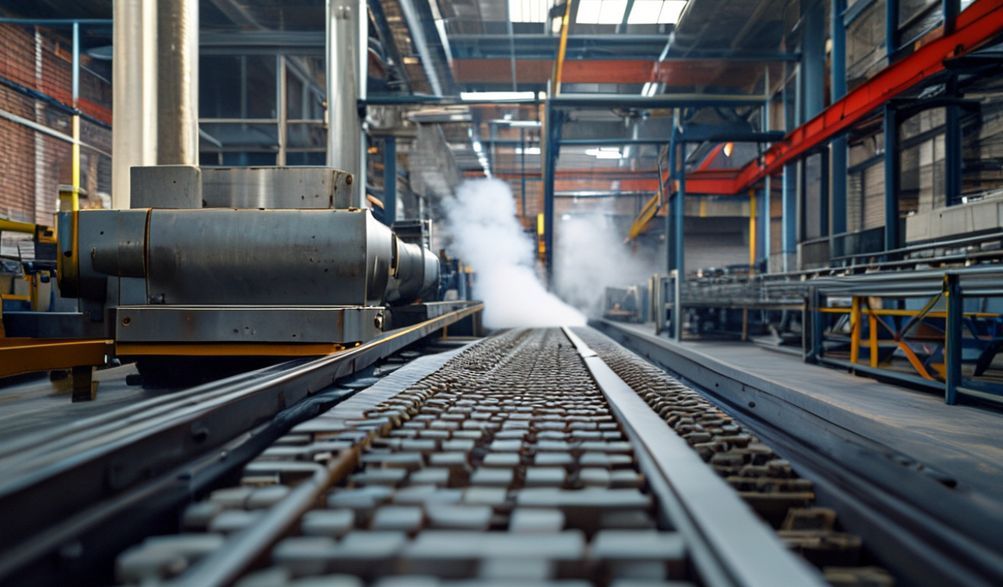
Hướng Dẫn Toàn Diện Về Máy Đúc Khối: Bên Trong Nhà Máy Sản Xuất Gạch Hiện Đại
Trong thế giới cạnh tranh của vật liệu xây dựng, làm thế nào một nhà máy sản xuất gạch đảm bảo chất lượng ổn định, sản lượng cao và khả năng sinh lời? Câu trả lời nằm ở trọng tâm của hoạt động:máy đúc khối.
Hướng dẫn này kế thừa kiến thức nhiều thập kỷ của ngành để giải mã công nghệ đúc khối. Chúng tôi sẽ đưa bạn tham quan quy trình sản xuất tại một nhà máy chuyên nghiệp như FUDA, để minh họa yếu tố tạo nên một dây chuyền sản xuất hiệu quả và đáng tin cậy.
Dù bạn là nhà thầu, chủ xưởng khởi nghiệp hay chuyên gia trong ngành, bài viết này sẽ giúp bạn hiểu rõ các loại máy móc, tính năng chính, tiêu chí lựa chọn và phương pháp vận hành tối ưu. Mục tiêu của chúng tôi là cung cấp thông tin đáng tin cậy và có tính ứng dụng cao, hỗ trợ bạn đưa ra quyết định sáng suốt cho doanh nghiệp của mình.
Hiểu đúng về quyềnmáy đúc khốilà yếu tố quan trọng đối với mọi thành côngnhà máy sản xuất gạch.
Hiểu về Máy Đúc Khuôn Khối: Công Nghệ Cốt Lõi cho Sản Xuất
Trước khi khám phá khu vực sản xuất của nhà máy, việc nắm vững nguyên lý cơ bản của máy móc vận hành mọi thứ là điều tối quan trọng.
Máy Đúc Khối là gì?
Máy đúc khối là một thiết bị công nghiệp chuyên dụng được thiết kế để sản xuất các khối bê tông, gạch và đá lát. Nguyên lý hoạt động cốt lõi của nó bao gồm việc nén hỗn hợp bê tông bán khô trong khuôn (hay khuôn đúc) dưới áp suất cao và rung động.
Quá trình này đẩy các túi khí ra ngoài và nén chặt vật liệu, tạo thành khối có hình dạng, kết cấu và độ vững chắc cấu trúc chính xác theo yêu cầu xây dựng.
Trong một nhà máy sản xuất hoàn chỉnh, máy đúc khối là thành phần trung tâm. Đây là điểm mà nguyên liệu thô được chuyển hóa thành sản phẩm tiêu chuẩn hóa, có thể bán được, quyết định tốc độ và chất lượng của toàn bộ quy trình vận hành.
Các Loại Máy Đúc Khối
Không phải tất cả máy móc đều được tạo ra như nhau. Lựa chọn phù hợp hoàn toàn phụ thuộc vào quy mô, ngân sách và mục tiêu tự động hóa của bạn.
-
Máy Thủ Công & Bán Tự ĐộngĐây là điểm khởi đầu cho nhiều doanh nghiệp.
- Máy móc thủ công require significant human labor for feeding, compacting, and block removal. They are low-cost but have very limited output.
- Máy bán tự động introduce mechanical vibration and hydraulic pressure but still require manual handling of blocks for curing and stacking. They are ideal for small-scale projects, startups, or producing specialized, low-volume items.
-
Máy Làm Gạch Tự Động Hoàn Toàn: This is the backbone of a modern, high-output nhà máy sản xuất gạch. These systems integrate the entire process:
- Automated material feeding via conveyor belts.
- Programmable molding cycles with consistent pressure/vibration.
- Automatic block ejection and transfer to curing areas (via pallets or stackers).
- They maximize output, ensure uniform quality, and drastically reduce labor costs, offering the best long-term ROI for serious production.
-
Mobile vs. Stationary Block Machines:
- Máy Đúc Khối Di Động are smaller, often towable units designed to produce blocks directly on a construction site, eliminating transport costs for the final product. They are perfect for large, remote projects.
- Stationary Block Machines are the fixed installations found in a nhà máy sản xuất gạch. They are larger, more powerful, and designed for continuous, high-volume production in a controlled environment.
Các Thành Phần Chính và Chức Năng của Chúng
The reliability of a block molding machine hinges on the quality of its core components:
- Hopper: The entry point for the prepared concrete mix. A well-designed hopper ensures consistent, uninterrupted material flow.
- Hệ thống băng tải: Transports the raw mix from the mixer to the machine hopper in automated lines.
- Khuôn (Khuôn đúc): The heart of the machine. This high-strength steel component defines the block’s shape, size, and surface pattern. Interchangeable molds allow one machine to produce various products.
- Hệ thống Rung High-frequency vibrators pack the concrete mix into the mold, eliminating voids and creating a dense, strong block.
- Hệ thống thủy lực: Provides the immense pressure needed to compact the material. The quality of hydraulic pumps, cylinders, and valves directly impacts machine durability and performance.
- Bảng điều khiển: The “brain” of the machine, especially in automatic models. It allows operators to set parameters, monitor the cycle, and diagnose issues.
Investing in a machine with robust, well-engineered components from a reputable manufacturer minimizes downtime and ensures consistent product quality for years.
Inside a Professional Brick Making Factory: The FUDA Production Workflow
Let’s step inside the controlled, systematic environment of a professional operation like the FUDA brick making factory to see how theory translates into practice.
Raw Material Preparation: The Foundation of Quality
The journey of a perfect block begins long before the mix reaches the machine. Consistency here is non-negotiable.
- Materials Used: A typical mix includes cement (the binder), aggregates (sand, gravel, or crushed stone for bulk and strength), fly ash (an industrial by-product that enhances workability and sustainability), and pigments for colored blocks.
- The Mixing Process: Using a computerized batching system, raw materials are combined in precise ratios. The moisture content is critically controlled; a semi-dry mix is essential for the block to hold its shape immediately after molding.
The Molding Process: Where the Magic Happens
This is the core of the nhà máy sản xuất gạch where the máy đúc khối takes center stage.
- Cho ăn: The prepared mix is conveyed into the machine’s feed hopper.
- Nhân The mix is distributed into the mold cavity.
- Nén chặt: The mold is subjected to intense hydraulic pressure and high-frequency vibration. This dual action compresses the material to its maximum density.
- Đẩy ra: The freshly molded, yet still “green,” block is gently pushed out of the mold onto a pallet or conveyor belt.
- Chuyển tiền: In an automated factory, blocks on their pallets are automatically moved to the curing area.
Curing and Drying: Achieving Maximum Strength
A newly molded block only has “green strength.” Curing develops its full structural potential.
- Steam Curing: Used in advanced factories, blocks are moved into climate-controlled chambers. Here, controlled heat and humidity accelerate the cement hydration process, allowing blocks to achieve market-ready strength in 24 hours or less.
- Water Curing & Natural Curing: Traditional methods involve sprinkling blocks with water or simply allowing them to cure under tarps. These methods are effective but much slower, taking 7-28 days.
Quality Control & Testing: Ensuring Every Brick Meets Standards
A trustworthy nhà máy sản xuất gạch like FUDA embeds quality checks at every stage.
- Kiểm Tra Trong Quy Trình Operators regularly verify block dimensions, weight, and visual appearance.
- Laboratory Testing: Samples from production batches are tested for:
- Cường độ nén: Crushing blocks in a press to ensure they meet or exceed ASTM or local building code standards.
- Khả năng hấp thụ nước: Determining porosity, which affects durability and freeze-thaw resistance.
- Độ chính xác kích thước: Ensuring consistency for easy, stable construction.
This rigorous commitment to standards is what separates professional suppliers from backyard operations.
How to Choose the Right Block Molding Machine for Your Needs
Selecting your machine is a pivotal investment. Here’s an expert framework for your decision.
Đánh Giá Yêu Cầu Sản Xuất Của Bạn
Start by answering these key questions:
- What is my required output (blocks per hour or 8-hour shift)?
- What block types and sizes do I need to produce? (Hollow blocks, solid blocks, pavers?)
- What is my available factory space and power supply (3-phase electricity)?
- What is my realistic budget, including installation, training, and initial spare parts?
Must-Check Features & Specifications
Look beyond the brochure. Scrutinize these details:
- Năng lực sản xuất: Ensure the stated output matches your needs for your most common block type.
- Power & Energy Consumption: Factor in long-term operational costs.
- Mức độ Tự động hóa: Balance higher upfront cost against long-term labor savings and consistency.
- Tính Linh Hoạt của Khuôn Mẫu: Can you easily source additional molds for new products?
- Dịch vụ hậu mãi: This is arguably the most critical factor. What does the support package include?
Expert Tip: Always calculate the Tổng Chi Phí Sở Hữu, not just the purchase price. A slightly more expensive, reliable machine with good support will cost less per block over 5 years than a cheap, problematic one.
Red Flags and Green Flags in a Supplier
Red Flags to Avoid:
* Vague or missing technical specifications.
* Inability or unwillingness to provide contactable customer references.
* A warranty that is unclear, very short, or excludes key components.
* Pressure to buy without allowing a factory visit or equipment demonstration.
Green Flags of a Trustworthy Partner:
* Transparency about their manufacturing facility and process.
* Offering comprehensive installation supervision and hands-on operator training.
* Maintaining a clear inventory of wear parts (like mold liners, vibration motors) for quick shipment.
* Providing genuine client testimonials and case studies.
Maximizing Efficiency and ROI in Your Brick Making Operation
Your machine is an asset. Proper operation and planning determine its return.
Operational Best Practices for Machine Longevity
- Hàng ngày: Clean the machine, especially the mold area, to prevent concrete buildup.
- Hàng tuần: Check hydraulic fluid levels, inspect hoses for wear, and lubricate all moving parts as per the manual.
- Per Shift: Visually inspect molds for damage or excessive wear that could affect block quality.
Optimizing the Production Line Layout
Efficiency is about smooth material flow. A well-planned layout minimizes handling and delays.
- Position the raw material storage (cement silos, aggregate bays) for easy access to the mixer.
- Place the mixer to feed directly into the máy đúc khối‘s conveyor.
- Ensure a clear, direct path from the machine to the curing area (racks or chambers).
- Designate ample space for post-curing storage and loading.
Calculating Your Return on Investment (ROI)
A simplified framework to estimate your payback period:
- Total Investment: Machine cost + Installation + Initial raw material stock.
- Monthly Operating Costs: Raw materials + Labor + Energy + Maintenance.
- Monthly Revenue: (Blocks produced per month) x (Selling price per block).
- Monthly Gross Profit: Monthly Revenue – Monthly Operating Costs.
- Simple Payback Period: Total Investment / Monthly Gross Profit.
Ví dụ: If your total investment is $100,000 and your monthly gross profit is $10,000, your payback period is approximately 10 months. After that, the profit contributes directly to your bottom line.
Frequently Asked Questions (FAQ) About Block Molding Machines
Q1: What is the average production capacity of a standard block molding machine?
A: Capacities vary widely. Small manual machines may produce 500-1000 blocks per 8-hour shift, while fully automatic lines in a large nhà máy sản xuất gạch can produce over 10,000 blocks in the same time. The specific model and block size are determining factors.
Q2: Can one machine produce different types of blocks and pavers?
A: Yes, most machines are designed with interchangeable molds. A versatile máy đúc khối can produce hollow blocks, solid blocks, interlocking pavers, curb stones, and more by simply changing the mold (die). Always confirm this capability with your supplier.
Q3: What kind of after-sales support should I expect from the manufacturer?
A: Reputable manufacturers offer installation supervision, operator training, a clear warranty (1+ years on core parts), and readily available technical support and spare parts. This support is crucial for minimizing downtime.
Q4: How important is the raw material mix for the final block quality?
A: Extremely important. The machine provides form and compaction, but the raw material mix determines the block’s strength, durability, and finish. A consistent, well-proportioned mix is non-negotiable for professional-grade results.
Conclusion
Chọn đúngmáy đúc khối is the most critical decision for establishing or upgrading a nhà máy sản xuất gạch. It affects everything from product quality and brand reputation to operational efficiency and long-term profitability.
Success is built on a triad of pillars: robust, well-engineered machinery (demonstrating Chuyên môn), optimized and systematic factory processes (establishing Tính thẩm quyền), and an unwavering commitment to quality control and supplier reliability (building Đáng tin cậy).
Use this guide as a framework for your research. Visit factories, ask detailed, technical questions of potential suppliers, and prioritize long-term partnership and support over the lowest initial price. With the right equipment and knowledge, your brick making operation can build a truly solid foundation for growth in the ever-evolving construction industry.
<