
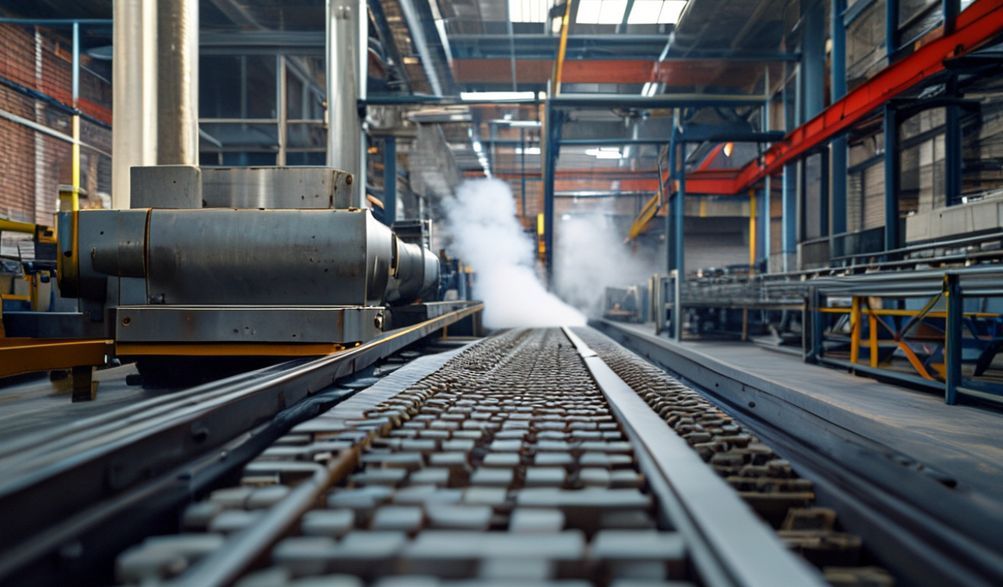
Hagaha Ugu Wanaagsan ee Makiinadaha Qalabka Dhismaha: Gudaheeda Warshadda Casriyadeed ee Sameynta Lebiska
Dunida tartamiga ah ee qalabka dhismaha, sidee baabuurka dhisidda lebbiska u hubiyaa tayo joogto ah, soo saar sare, iyo faa'iido? Jawaabtu waxay ku taal qalbiga hawlgalka:makiinada sameynta blookada.
Hagahan waxay ku tiirsan tahay aqoonti sanadaha badan ee warshadaha si loo caddeeyo farsamada qaab-dhismeedka. Waxaan kuu soo bandhigi doonaa gudaha hababka warshadka u gaarka ah ee sameynta libaaxa, sida FUDA, si aan kuu tusno waxa ka dhigga khadka soo saarista oo kaamil ah, aamin ah.
Haddii aad tahay qandaraasayaal, mulkiile badaneeyo cusub, ama khabiirka warshadeed, qoraalkan wuxuu ku caawin doonaa inaad fahamto noocyada makiinadaha, sifooyinka muhiimka ah, meelaha xulashada, iyo hababka ugu fiican ee hawlgalka. Ujeeddadeena waa inaan siinno macluumaad lagu kalsoonaan karo oo la fulin karo, si aad ugu go'aansato go'aanno ku salaysan macluumaad wanaagsan oo ganacsigaaga.
Fahamka xaqamakiinada sameynta blookadawaa muhiim ah mid kasta oo guul lehwarshad sameyska lebi.
Fahamka Makiinadaha Qalabka Isku-dhafka: Farsamada Aasaasiga ah ee Wax-soo-saarka
Kahor inta aadan saxiixa dhismaha warshadda la galin, waxaa muhiim ah inaad fahanto aasaaska makiinada ka dhigaysa wax kasta oo suurto gal ah.
Waa maxay Makiinada Qalabka Block-ka?
Makiinada qalabka dhagaxa waa qalab gaar ah oo loogu talagalay warshadaha kaas oo loo isticmaalo samaynta dhagaxa simenti, libaaxyo, iyo dhagaxa waddooyinka. Qaabka shaqada aasaasiga ah ee ay ku shaqayso waa adkeysiga xabagga simenti ee qalabka dhagaxa (ama qalabka dhagaxa) gudihiisa marka la siiyo cadaadis sare iyo gariir.
Habkani wuxuu ku qasbaa hawada oo si qoto dheer u dhigaa walxaha, isagoo sameynaya buloog leh qaab sax ah, dhogorta, iyo qaab dhismeedka loo baahan yahay dhismaha.
Waxaa laga heli karaa warshad dhamaystiran oo wax soo saarta, makiinada qalabka dhismaha ee buulka waa qaybta dhexe. Waa meesha ay khariidadda hore loogu beddelo alaab caalami ah oo iibsi karto, taasoo go'aaminaysa xawaaraha iyo tayada hawsha oo dhan.
Noocyada Makinadaha Qalabka Isku-dhafka
Ma dhammaan makiinadaha lama abuuro isla mid ah. Doorashada saxda ah waxay ku tiirsan tahay si buuxda miisaankaaga, miisaaniyaddaaga, iyo ujeeddooyinkaaga otomaatiga ah.
-
Qalabka Gacanta iyo Kuwo Nus-otomaatik ah:Tani waa meesha ay ku soo galaan ganacsato badan.
- Makiinadaha gacantawaxay u baahan yihiin shaqo aad u tiro badan oo qofeed ah oo loogu talagalay quudinta, isku dhufashada, iyo ka saarista bulookada. Waxay yihiin qiimo jaban laakiin wax soo saarkoodu waa mid aad u yar.
- Makiinado nus-awtomaatig ahwaxaa lagu daraa gariirka makaanikada iyo cadaadiska hydraulics-ka, laakiin weli waa lagama maarmaan in la qabto gacanta qaybaha loo kaydiyo iyo isku dhajinta. Waxay ku habboon yihiin mashruucyada yar-yar, bilowga, ama soo saarista sheyada gaar ah ee tira yar.
-
Makiinadaha Balaastariga ee Si Toos ah u Shaqeeya:Tani waa laf-dhabarta nidaamka casriga ah ee soo saarka sare.warshad sameyska lebiNidaamyadan waxay isku darsadaan dhammaan talaabada:
- Qalabka ugu dhaqsiyaha ah ee la siiyo alaabta iyadoo la adeegsanayo suunka isweydaarsiga.
- Hababka qalabka loo habeeyo ee leh cadaadis/isqarxin joogto ah.
- Qaadista otomaatiga ah iyo wareejinta goobaha daboolka (iyadoo la adeegsanayo baaldiyada ama isku-dhafyada).
- Waxay ku kordhiyaan soo saarka, waxay hubiyaan tayada isku mid ah, waxayna hoos u dhigaan qiimaha shaqada si aad ah, iyagoo bixiyaa saamiga ugu fiican ee lacagta la soo celiyo ee muddada dheer ee wax soo saarka oo jiritaanka ah.
-
Mobiilka iyo Makinadaha Blokada ee Goobta ah:
- Mashiinada Xannuunka Guura are smaller, often towable units designed to produce blocks directly on a construction site, eliminating transport costs for the final product. They are perfect for large, remote projects.
- Stationary Block Machines are the fixed installations found in a warshad sameyska lebi. They are larger, more powerful, and designed for continuous, high-volume production in a controlled environment.
Qaybaha Muhiimka ah iyo Hawlaha Ay Qabanayaan
The reliability of a block molding machine hinges on the quality of its core components:
- Hopper: The entry point for the prepared concrete mix. A well-designed hopper ensures consistent, uninterrupted material flow.
- Nidaamka Qaadista Transports the raw mix from the mixer to the machine hopper in automated lines.
- Qolof (Dhismaha): The heart of the machine. This high-strength steel component defines the block’s shape, size, and surface pattern. Interchangeable molds allow one machine to produce various products.
- Nidaamka Gariirka: High-frequency vibrators pack the concrete mix into the mold, eliminating voids and creating a dense, strong block.
- Nidaamka Hydraulic: Provides the immense pressure needed to compact the material. The quality of hydraulic pumps, cylinders, and valves directly impacts machine durability and performance.
- Qaybta Maamulka: The “brain” of the machine, especially in automatic models. It allows operators to set parameters, monitor the cycle, and diagnose issues.
Investing in a machine with robust, well-engineered components from a reputable manufacturer minimizes downtime and ensures consistent product quality for years.
Inside a Professional Brick Making Factory: The FUDA Production Workflow
Let’s step inside the controlled, systematic environment of a professional operation like the FUDA brick making factory to see how theory translates into practice.
Raw Material Preparation: The Foundation of Quality
The journey of a perfect block begins long before the mix reaches the machine. Consistency here is non-negotiable.
- Materials Used: A typical mix includes cement (the binder), aggregates (sand, gravel, or crushed stone for bulk and strength), fly ash (an industrial by-product that enhances workability and sustainability), and pigments for colored blocks.
- The Mixing Process: Using a computerized batching system, raw materials are combined in precise ratios. The moisture content is critically controlled; a semi-dry mix is essential for the block to hold its shape immediately after molding.
The Molding Process: Where the Magic Happens
This is the core of the warshad sameyska lebi where the makiinada sameynta blookada takes center stage.
- Cunto-siin: The prepared mix is conveyed into the machine’s feed hopper.
- Buuxinta: The mix is distributed into the mold cavity.
- Qabashada: The mold is subjected to intense hydraulic pressure and high-frequency vibration. This dual action compresses the material to its maximum density.
- Ku bixid: The freshly molded, yet still “green,” block is gently pushed out of the mold onto a pallet or conveyor belt.
- Transfer: In an automated factory, blocks on their pallets are automatically moved to the curing area.
Curing and Drying: Achieving Maximum Strength
A newly molded block only has “green strength.” Curing develops its full structural potential.
- Steam Curing: Used in advanced factories, blocks are moved into climate-controlled chambers. Here, controlled heat and humidity accelerate the cement hydration process, allowing blocks to achieve market-ready strength in 24 hours or less.
- Water Curing & Natural Curing: Traditional methods involve sprinkling blocks with water or simply allowing them to cure under tarps. These methods are effective but much slower, taking 7-28 days.
Quality Control & Testing: Ensuring Every Brick Meets Standards
A trustworthy warshad sameyska lebi like FUDA embeds quality checks at every stage.
- Hagaajinta Dhexdhexaad ah: Operators regularly verify block dimensions, weight, and visual appearance.
- Laboratory Testing: Samples from production batches are tested for:
- Xoogga Culeysga Crushing blocks in a press to ensure they meet or exceed ASTM or local building code standards.
- Water Absorption: Determining porosity, which affects durability and freeze-thaw resistance.
- Qeybinta Cabbirka: Ensuring consistency for easy, stable construction.
This rigorous commitment to standards is what separates professional suppliers from backyard operations.
How to Choose the Right Block Molding Machine for Your Needs
Selecting your machine is a pivotal investment. Here’s an expert framework for your decision.
Qiimeynta Shuruudaha Wax-soo-saarkaaga
Start by answering these key questions:
- What is my required output (blocks per hour or 8-hour shift)?
- What block types and sizes do I need to produce? (Hollow blocks, solid blocks, pavers?)
- What is my available factory space and power supply (3-phase electricity)?
- What is my realistic budget, including installation, training, and initial spare parts?
Must-Check Features & Specifications
Look beyond the brochure. Scrutinize these details:
- Wax Soo Saarka Ensure the stated output matches your needs for your most common block type.
- Power & Energy Consumption: Factor in long-term operational costs.
- Heerka Automationka: Balance higher upfront cost against long-term labor savings and consistency.
- Kala duwanaanta Qaabka Can you easily source additional molds for new products?
- Adeegy Ka Dib Iibka: This is arguably the most critical factor. What does the support package include?
Expert Tip: Always calculate the Qiimaha Guud ee La Iska Leeyahay, not just the purchase price. A slightly more expensive, reliable machine with good support will cost less per block over 5 years than a cheap, problematic one.
Red Flags and Green Flags in a Supplier
Red Flags to Avoid:
* Vague or missing technical specifications.
* Inability or unwillingness to provide contactable customer references.
* A warranty that is unclear, very short, or excludes key components.
* Pressure to buy without allowing a factory visit or equipment demonstration.
Green Flags of a Trustworthy Partner:
* Transparency about their manufacturing facility and process.
* Offering comprehensive installation supervision and hands-on operator training.
* Maintaining a clear inventory of wear parts (like mold liners, vibration motors) for quick shipment.
* Providing genuine client testimonials and case studies.
Maximizing Efficiency and ROI in Your Brick Making Operation
Your machine is an asset. Proper operation and planning determine its return.
Operational Best Practices for Machine Longevity
- Daily: Clean the machine, especially the mold area, to prevent concrete buildup.
- Weekly: Check hydraulic fluid levels, inspect hoses for wear, and lubricate all moving parts as per the manual.
- Per Shift: Visually inspect molds for damage or excessive wear that could affect block quality.
Optimizing the Production Line Layout
Efficiency is about smooth material flow. A well-planned layout minimizes handling and delays.
- Position the raw material storage (cement silos, aggregate bays) for easy access to the mixer.
- Place the mixer to feed directly into the makiinada sameynta blookada‘s conveyor.
- Ensure a clear, direct path from the machine to the curing area (racks or chambers).
- Designate ample space for post-curing storage and loading.
Calculating Your Return on Investment (ROI)
A simplified framework to estimate your payback period:
- Total Investment: Machine cost + Installation + Initial raw material stock.
- Monthly Operating Costs: Raw materials + Labor + Energy + Maintenance.
- Monthly Revenue: (Blocks produced per month) x (Selling price per block).
- Monthly Gross Profit: Monthly Revenue – Monthly Operating Costs.
- Simple Payback Period: Total Investment / Monthly Gross Profit.
Tusaale: If your total investment is $100,000 and your monthly gross profit is $10,000, your payback period is approximately 10 months. After that, the profit contributes directly to your bottom line.
Frequently Asked Questions (FAQ) About Block Molding Machines
Q1: What is the average production capacity of a standard block molding machine?
A: Capacities vary widely. Small manual machines may produce 500-1000 blocks per 8-hour shift, while fully automatic lines in a large warshad sameyska lebi can produce over 10,000 blocks in the same time. The specific model and block size are determining factors.
Q2: Can one machine produce different types of blocks and pavers?
A: Yes, most machines are designed with interchangeable molds. A versatile makiinada sameynta blookada can produce hollow blocks, solid blocks, interlocking pavers, curb stones, and more by simply changing the mold (die). Always confirm this capability with your supplier.
Q3: What kind of after-sales support should I expect from the manufacturer?
A: Reputable manufacturers offer installation supervision, operator training, a clear warranty (1+ years on core parts), and readily available technical support and spare parts. This support is crucial for minimizing downtime.
Q4: How important is the raw material mix for the final block quality?
A: Extremely important. The machine provides form and compaction, but the raw material mix determines the block’s strength, durability, and finish. A consistent, well-proportioned mix is non-negotiable for professional-grade results.
Gabagabo
Doorashada midka saxda ahmakiinada sameynta blookada is the most critical decision for establishing or upgrading a warshad sameyska lebi. It affects everything from product quality and brand reputation to operational efficiency and long-term profitability.
Success is built on a triad of pillars: robust, well-engineered machinery (demonstrating Khibrad), optimized and systematic factory processes (establishing Awoodda), and an unwavering commitment to quality control and supplier reliability (building Aamin).
Use this guide as a framework for your research. Visit factories, ask detailed, technical questions of potential suppliers, and prioritize long-term partnership and support over the lowest initial price. With the right equipment and knowledge, your brick making operation can build a truly solid foundation for growth in the ever-evolving construction industry.
<