
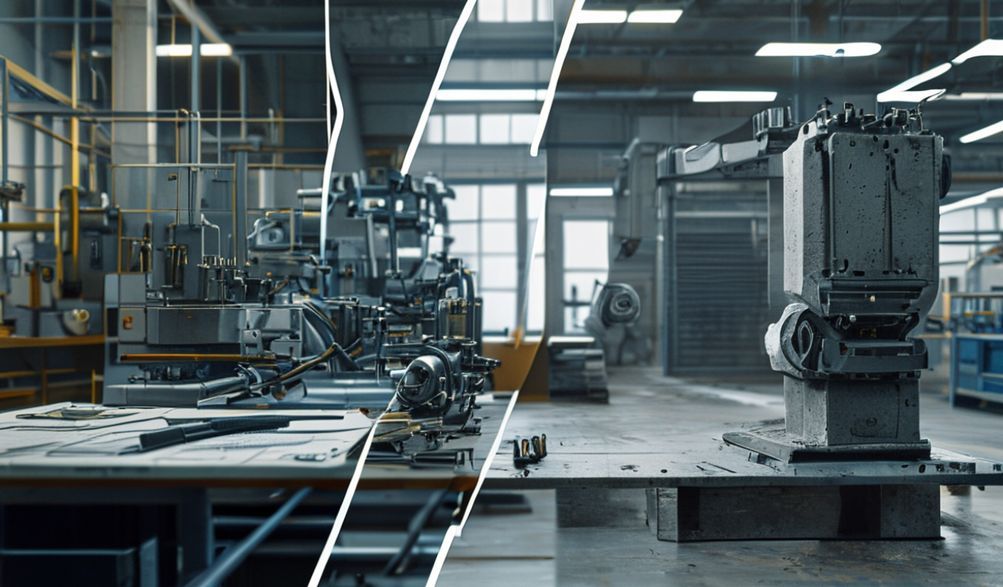
Ваше полное руководство по чертежам станков для производства бетонных блоков и преимущества завода FUDA
Глобальный спрос на доступное, долговечное и устойчивое строительство пробудил интерес к мощному решению: самостоятельному изготовлению бетонных блоков. Будь вы владелец усадьбы, планирующий построить садовую стену, разработчик сообщества, стремящийся снизить затраты, или предприниматель, увидевший бизнес-возможность, эта концепция привлекательна. Однако путь от сырья до готовых блоков резко расходится. Один маршрут пролегает через детальный, практический мир...планы машины для изготовления бетонных блоковДругой путь ведет к высокоэффективной, промышленно-масштабной сфере профессиональных производителей, олицетворяемой такими отраслевыми эталонами, какФабрика по производству блоков FUDA.
Это всеобъемлющее руководство призвано стать вашим надежным планом действий. Основанное на отраслевом анализе, технических исследованиях и понимании устоявшихся производственных принципов, оно позволит детально разобрать оба подхода. Наша цель — вооружить вас знаниями для принятия взвешенного решения, будь то небольшой проект своими руками или запуск коммерческого предприятия по производству блоков. Мы исследуем, что требуется для создания машины с нуля, и используем профессиональные стандарты завода, такого как FUDA, как призму для понимания, что представляет собой настоящая промышленная мощность.
Понимание производства бетонных блоков: от самостоятельного изготовления до промышленных масштабов
Прежде чем вкладывать время или капитал, крайне важно понять основы производства блоков. Основной принцип обманчиво прост: спрессовать полусухую бетонную смесь в форме под высоким давлением, а затем извлечь сформированный блок для отверждения. Однако методы достижения этого варьируются от полностью ручных до полностью автоматизированных систем.
Что такое станок для производства бетонных блоков? Основные принципы работы
В основе своей, машина для производства блоков - это устройство, которое применяет механическую силу для уплотнения бетона. Ключом к созданию прочного и долговечного блока является удаление воздушных пустот и равномерное уплотнение заполнителя. В самодельных машинах часто используют рычажный пресс или вибростол. Промышленные машины, такие как от компании FUDA, используют высоконапорные гидравлические системы, которые обеспечивают стабильное, воспроизводимое усилие, измеряемое в тоннах на квадратный дюйм. Это давление является обязательным условием для достижения плотности, необходимой для изготовления несущих строительных блоков.
Основные области применения: от домашних садов до крупных строительных площадок
Масштаб вашего проекта определяет, какая машина вам нужна.
* Сделай сам/Для домашнего использования:Подпорные стенки для сада, небольшие сараи, патио, дорожки и декоративные ландшафтные проекты.
* Малый бизнес/Общественные проекты:Инициативы по строительству доступного жилья, небольшие коммерческие здания, ограждение периметра для ферм или территорий.
* Промышленное/Коммерческое Производство:Поставка блоков для крупномасштабных жилых застроек, проектов гражданской инфраструктуры и коммерческого строительства, требующих тысячи одинаковых блоков ежедневно.
Экономическое обоснование: анализ затрат и выгод от самостоятельного изготовления блоков
Основным мотивом для самостоятельного изготовления планов является ожидаемая экономия средств. Закупая материалы на месте (цемент, песок, заполнитель) и самостоятельно изготавливая оборудование, вы избегаете наценок при покупке готовых блоков. Для разового проекта это может быть существенно. Однако реальная стоимость включает ваш труд, доступ или аренду инструментов, возможные отходы материалов и нестабильность качества конечного продукта. Для постоянных и крупносерийных потребностей экономическая целесообразность смещается в сторону эффективности профессионального оборудования.
Планирование использования станков для производства бетонных блоков
Для опытного энтузиаста или целеустремленного мастера готовые чертежи для самостоятельной сборки представляют собой доступную отправную точку. Однако успех полностью зависит от качества этих планов и их исполнения.
На что обращать внимание в качественных чертежах для самостоятельной сборки станков
Не все планы созданы равными. Надежный набор планов должен представлять собой всеобъемлющий проект-чертеж.
- Material Lists (Specificity and Availability): A good plan provides a detailed bill of materials, including exact dimensions, steel grades, bolt sizes, and specifications for any purchased components (like motors or vibrators). Vague terms like “heavy-duty steel” are a red flag.
- Diagram and Blueprint Clarity: Look for clear, dimensioned orthographic drawings (front, side, top views) and isometric projections. Critical weld points and tolerances should be explicitly called out.
- Step-by-Step Assembly Instructions: The guide should logically progress from frame fabrication to assembly of the pressing/vibrating mechanism and mold installation. It should anticipate tricky steps.
- Safety Protocols and Warnings: Responsible plans emphasize safety—warning about the dangers of crushing points, flying debris during welding, and electrical hazards if a motor is involved.
Common Types of Machines You Can Build from Plans
Most DIY plans fall into two categories:
- Ручные прессы: Often used for producing interlocking soil-stabilized or concrete bricks. They use a lever system to apply pressure. Output is low (50-100 blocks per day), and physical effort is high, but they are simple and cheap to build.
- Simple Vibrating Table Machines: These involve a motor with an eccentric weight mounted under a steel table that holds the mold. The vibration consolidates the concrete. These can be semi-automated with a manual mold feed and ejection.
Limitations of DIY Plans: It’s vital to manage expectations. DIY machines typically struggle with output rateиblock consistency. Achieving the uniform density and perfect dimensions required for commercial construction is extremely challenging without precise, automated pressure control.
Sourcing Reliable Plans: A Trustworthiness Checklist
To avoid wasted time and money, vet your sources rigorously.
- Verify Source Credentials: Prefer plans created by practicing mechanical engineers, experienced fabricators, or DIYers with documented, successful builds.
- Seek User Reviews and Build Logs: Search for forum threads or video series where others have attempted the build. Their challenges and modifications are invaluable.
- Avoid Vague or Overpromising Schematics: Be wary of plans that promise “industrial output” with “simple tools.” If it sounds too good to be true, it likely is.
The Professional Benchmark: Inside the FUDA Block Making Factory
When your needs scale beyond hobbyist levels, the conversation shifts to professional machinery manufacturers. While specific details for FUDA are proprietary, analyzing the hallmarks of a top-tier factory like FUDA reveals the industry standard for commercial block production.
Who is FUDA? An Overview of a Professional Machinery Manufacturer
A company like FUDA represents the industrial end of the spectrum. Such manufacturers specialize in designing, engineering, and building robust block making machines and complete production lines. They serve clients ranging from medium-sized block yards to large-scale construction material suppliers, providing not just machinery but often technical support, training, and mold customization. Their reputation is built on machine durability, output reliability, and consistent product quality.
Key Features of Industrial Block Making Machines (The “FUDA” Standard)
What separates a factory machine from a DIY build is the integration of systems designed for relentless, precise operation.
- Гидравлические системы высокого давления: This is the core. Industrial machines use precisely calibrated hydraulic cylinders to apply immense, repeatable pressure (often 100+ tons), ensuring every block has identical density and strength.
- Automated Feeding and Mixing Systems: Integrated conveyors and pan mixers deliver a consistent volume and mix of concrete to the mold box every cycle, removing human error.
- Programmable Logic Controllers (PLC): The brain of the machine. A PLC automates the entire cycle—feed, compress, vibrate, eject—with millisecond accuracy, guaranteeing uniformity and allowing easy adjustment of cycle times.
- Robust Steel Frames and Long-Lasting Molds: Built from heavy-duty steel to withstand years of vibration and stress. Molds are precision-machined from hardened steel to produce thousands of blocks before requiring refurbishment.
From Raw Material to Finished Block: The Factory Process Flow
A professional setup is a synchronized system:
1. Пакетирование: Aggregates, sand, and cement are measured by weight for perfect mix design.
2. Смешивание: A central mixer creates a homogeneous semi-dry concrete.
3. Кормление: The mix is conveyed to the block machine’s hopper.
4. Формование и прессование: The PLC-controlled machine fills, vibrates, and applies high pressure.
5. Выгрузка и паллетирование: Fresh blocks are ejected onto pallets.
6. Курение: Pallets are moved to a controlled curing chamber (often steam-fed) for rapid strength gain.
7. Storage & Dispatch: Blocks are stacked and stored for delivery.
Output Comparison: DIY Machine vs. Factory Machine
| Feature | DIY Machine (From Plans) | Factory Machine (e.g., FUDA Standard) |
| :— | :— | :— |
| Производственная мощность | 50 – 200 blocks per 8-hour day | 1,000 – 5,000+ blocks per 8-hour shift |
| Block Uniformity | Variable; depends on operator skill | Extremely high; controlled by PLC and hydraulics |
| Требуемая рабочая сила | High (manual operation) | Low to moderate (machine operation and supervision) |
| Первоначальные инвестиции | Low (materials & tools) | High (machine cost, shipping, installation) |
| Operational Scale | Hobbyist, small personal projects | Small business to large industrial production |
Making the Right Choice: Plans vs. Purchasing a Machine
This is the critical decision point. Your choice should be dictated by objective criteria, not just initial cost.
Decision Matrix: When DIY Plans Make Perfect Sense
Choose the DIY route if:
* Budget is severely constrained and your labor has a low opportunity cost.
* Theproject is small, one-time, or for personal use (e.g., a garden feature).
* You are a high-skill enthusiast who enjoys the build process as much as the end product.
* You have access to a well-equipped workshop and welding skills.
When to Consider Investing in a Professional Machine (Like from FUDA)
Start contacting manufacturers like FUDA when:
* You are launching a business venture to sell blocks.
* There is steady, high demand from a construction project or market.
* Standardized quality and dimensions are non-negotiable for your clients.
* Your time and labor are better spent on production and sales than on machine troubleshooting.
Cost Analysis: Hidden Expenses in Both Paths
-
The DIY Path:
- Tooling: You may need to rent or buy a welder, angle grinder, drill press, etc.
- Материальные отходы: Learning curves lead to miscuts and errors.
- Time Cost: Dozens to hundreds of hours spent building, testing, and adjusting.
- Potential for Error: A flawed machine produces unusable blocks, wasting all input materials.
-
The Professional Path:
- Shipping & Import Duties: For large machinery, this can be a significant line item.
- Installation & Foundation: Machines often require a leveled concrete pad and professional setup.
- Maintenance & Spares: Budget for routine maintenance and a stock of wear parts (like mold liners).
- Обучение операторов: Ensuring your team can run and perform basic maintenance safely.
Safety and Best Practices for Block Production
Safety and proper technique are universal, regardless of your machine’s origin.
Essential Safety Gear for Operating Any Block Machine
- Eye Protection: Safety glasses or a face shield to guard against concrete dust and flying particles.
- Hearing Protection: Industrial machines and vibrators generate significant noise.
- Sturdy Gloves & Steel-Toe Boots: Protect hands from abrasion and feet from heavy molds or dropped blocks.
- Respirator/Dust Mask: Essential when handling dry cement or during mixing.
Proper Concrete Mix Design for Strong, Durable Blocks
A common failure point is an incorrect mix. For semi-dry press methods, a typical mix is 1 part cement, 3-6 parts sharp sand/aggregate blend, with just enough water for cohesion. The mix should hold its shape when squeezed but not be sloppy. Test small batches first.
Curing and Storage: The Final, Critical Steps
Blocks gain strength through a chemical process that requires moisture. After ejection, blocks must be kept damp (covered with plastic sheeting and sprinkled with water) for at least 7 days. They should not be exposed to direct sun and wind immediately. Proper curing can more than double the final block strength.
Frequently Asked Questions (FAQ)
Q1: Can I really build a functional block making machine from online plans?
А: Yes, for basic manual or vibrating table models. Success is highly dependent on the quality of the plans, your mechanical skill, and access to proper tools. Manage your expectations regarding output rate and the consistency of the finished blocks.
Q2: What is the typical production capacity of a factory machine from a manufacturer like FUDA?
А: Capacity varies widely by model. Small stationary machines might produce 800-1,500 blocks per 8-hour shift. Large, fully automated lines from manufacturers like FUDA can produce 5,000 to 10,000+ blocks in the same period, depending on block size and machine cycle time.
Q3: What is the most common mistake beginners make with DIY block machine plans?
А: Underestimating the precision required in fabrication, especially in ensuring the mold box is perfectly square and the pressing plate or vibration table is perfectly level. Even minor misalignments lead to stuck blocks, uneven pressure, and inconsistent quality.
Q4: Are blocks made from a DIY machine as strong as commercially produced ones?
А: They can achieve comparable strength if the mix design is perfect and compaction is thorough. However, achieving that strength consistently in every block is the true challenge. Industrial machines apply calibrated, high pressure that is nearly impossible to replicate manually or with simple vibrators.
Q5: Where can I find reputable reviews of block making machine plans or manufacturers?
А: For DIY plans, seek detailed build logs on engineering forums (like Practical Machinist) or dedicated homesteading/DIY platforms. For manufacturers, look for industry trade publications, third-party business directories (e.g., Thomasnet), and long-term user testimonials on video platforms. Always cross-reference; be skeptical of reviews only found on the seller’s own website.
Заключение
The journey into concrete block production clearly divides into two distinct paths: the accessible, hands-on world of планы машины для изготовления бетонных блоков and the efficient, high-output realm of professional manufacturers like the Фабрика по производству блоков FUDA. The former empowers the skilled individual for specific projects; the latter enables commercial ventures and large-scale construction.
The optimal choice is not about which is “better,” but which is right for your specific scale, budget, and intent. For the hobbyist, the key is meticulous research to find clear, well-reviewed plans. For the aspiring business owner, the imperative is direct consultation with reputable manufacturers to match a machine to your market demand.
By understanding the capabilities, limitations, and true costs of both approaches, you are empowered to make a strategic investment—whether that investment is your time and sweat or significant capital—to reliably produce the building blocks of your project, or your business.
<