
Sizning Beton Blok Tayyorlash Mashinasi Rejalari va FUDA Zavodining Afzalliklari Bo'yicha Yakuniy Qo'llanmangiz
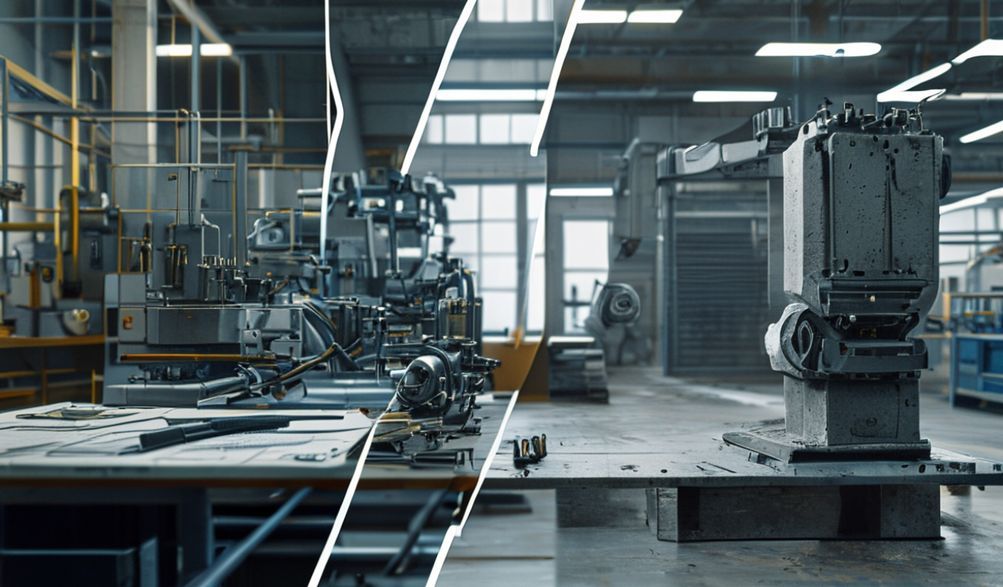
Arzon, bardoshli va barqaror qurilish uchun global talab kuchli yechimga qiziqishni oshirdi: o'z beton bloklaringizni tayyorlash. Bog' devori qurmoqchi bo'lgan fermer, xarajatlarni kamaytirishni maqsad qilgan hamkorlik rivojlantiruvchisi yoki biznes imkoniyatini ko'rgan tadbirkor bo'ling, konsept jozibalidir. Ammo xom ashyodan tayyor bloklarga bo'lgan yo'l keskin farqlanadi. Bir yo'l batafsil, amaliy dunyoga olib boradi.beton blok yasash mashinasi rejalariBoshqasi esa yuqori samaradorlikka ega bo‘lgan, sanoat miqyosidagi professional ishlab chiqaruvchilar sohasiga olib boradi, buning namunalari sanoat standartlari hisoblanganФУДА блок ишлаб чиқариш заводи.
Ushbu qamrovli qo‘llanma sizning ishonchli yo‘l xaritangiz bo‘lib xizmat qilishi uchun mo‘ljallangan. Sanoat tahlillari, texnik chuqur o‘rganishlar va o‘rnatilgan ishlab chiqarish tamoyillariga o‘rinli tushunchalar asosida tuzilgan holda, biz ikkala yondashuvni ham tahli qilamiz. Maqsadimiz – kichik o‘z-o‘ziga qilish loyihangizmi yoki tijorat blok ishlab chiqarish korxonangizmi, qat’iy qaror qabul qilish uchun sizni bilim bilan qurollantirish. Biz mashinani noldan qurish nimani talab qilishini o‘rganamiz va FUDA kabi zavodning professional standartlaridan ko‘zgu sifatida foydalanib, haqiqiy sanoat quvvatining qanday ko‘rinishini tushunamiz.
Beton blok ishlab chiqarishni tushunish: DIYdan sanoaviy miqyosgacha
Vaqt yoki kapital sarmoya kiritishdan oldin, blok ishlab chiqarishning asosiy tamoyillarini tushunish juda muhimdir. Asosiy printsip soddagina ko'rinadi: yarim quruq beton aralashmasini yuqori bosim ostida qoliplash, shakllangan blokni chiqarib olish va quritish. Biroq, buni amalga oshirish usullari to'liq qo'lda ishlashdan tortib to to'liq avtomatlashtirilgan tizimlargacha bo'lgan keng spektrni qamrab oladi.
Betonga blok yasash mashinasi nima? Asosiy tamoyillari tushuntirildi
Uning mohiyatida, blok yasash mashinasi betonni zichlash uchun mexanik kuch qo'llaydigan qurilmadir. Mustahkam va bardoshli blokning kaliti havo bo'shliqlarini yo'q qilish va agregatni bir xil darajada siqishdir. O'z-o'zidan qilish (DIY) mashinalari ko'pincha dastakli press yoki tebranish stolidan foydalanadi. FUDA kabi sanoat mashinalari esa kvadrat dyuymga tonnalarda o'lchanadigan barqaror va takrorlanuvchi kuchni ta'minlaydigan yuqori bosimli gidravlik tizimlardan foydalanadi. Uskunachilik qurilish bloklari uchun talab qilinadigan zichlikka erishishda bu bosim muhim ahamiyatga ega.
Asosiy Qo'llanilishi: Uy Bog'laridan Tortib Katta Qurilish Maydonchalarigacha
Loyihangizning hajmi sizga kerakli mashinani belgilaydi.
* Uy ishlari/O'z-o'ziga qilish:Bog' saqlash devorlari, kichik omborxonalar, ayvonlar, piyoda yo'llari va dekorativ landshaft loyihalari.
* Kichik biznes/hamjamiyat loyihalari:Arzon uy-joy loyihalari, kichik tijorat binolari, fermalar yoki hovlilar uchun perimetr to'siqlari.
* Sanoat/Savdo ishlab chiqarish:Katta hajmdagi turar-joy majmualari, fuqarolik infratuzilma loyihalari va tijorat qurilishlari uchun kuniga minglab bir xil bloklarni ta'minlash.
Iqtisodiy Jihat: O'zingizning Bloklaringizni Yaratishning Xarajat-Foyda Tahlili
DIY rejalar asosiy sababi xarajatlarni tejash hisoblanadi. Mahalliy materiallar (sement, qum, to'ldiruvchi)ni o'zingiz ta'minlab, mashinani o'zingiz yasash orqali siz tijorat bloklariga qo'shilgan qo'shimcha narxlardan qochasiz. Bir martalik loyihalar uchun bu sezilarli farq qilishi mumkin. Biroq, haqiqiy xarajatlarga mehnat, asbob-uskunalarga kirish/ijaraga olish, materiallar isrof bo'lishi ehtimoli va yakuniy mahsulot sifatidagi o'zgarishlar kiradi. Izchil va yuqori hajmdagi ehtiyojlar uchun iqtisodiy samaradorlik professional uskunalar tomonga o'tadi.
Beton blok yasash mashinalari rejalarini o'rganish
Malakali hobbi yoki qat'iyatli quruvchi uchun, "o'zingiz qiling" rejalari kirish nuqtasini ochib beradi. Biroq, muvaffaqiyat butunlay rejalar sifati va ularni amalga oshirishingizga bog'liq.
Yuqori sifatli "O'zingiz qiling" mashina loyihalari uchun nimalarga e'tibor berish kerak?
Barcha rejalar bir xil yaratilmaydi. Ishonchli rejalar to'plami har tomonlama loyiha rejasi bo'lishi kerak.
- Material Lists (Specificity and Availability): A good plan provides a detailed bill of materials, including exact dimensions, steel grades, bolt sizes, and specifications for any purchased components (like motors or vibrators). Vague terms like “heavy-duty steel” are a red flag.
- Diagram and Blueprint Clarity: Look for clear, dimensioned orthographic drawings (front, side, top views) and isometric projections. Critical weld points and tolerances should be explicitly called out.
- Step-by-Step Assembly Instructions: The guide should logically progress from frame fabrication to assembly of the pressing/vibrating mechanism and mold installation. It should anticipate tricky steps.
- Safety Protocols and Warnings: Responsible plans emphasize safety—warning about the dangers of crushing points, flying debris during welding, and electrical hazards if a motor is involved.
Common Types of Machines You Can Build from Plans
Most DIY plans fall into two categories:
- Qo'lda Bostirish Mashinalari: Often used for producing interlocking soil-stabilized or concrete bricks. They use a lever system to apply pressure. Output is low (50-100 blocks per day), and physical effort is high, but they are simple and cheap to build.
- Simple Vibrating Table Machines: These involve a motor with an eccentric weight mounted under a steel table that holds the mold. The vibration consolidates the concrete. These can be semi-automated with a manual mold feed and ejection.
Limitations of DIY Plans: It’s vital to manage expectations. DIY machines typically struggle with output rateваblock consistency. Achieving the uniform density and perfect dimensions required for commercial construction is extremely challenging without precise, automated pressure control.
Sourcing Reliable Plans: A Trustworthiness Checklist
To avoid wasted time and money, vet your sources rigorously.
- Verify Source Credentials: Prefer plans created by practicing mechanical engineers, experienced fabricators, or DIYers with documented, successful builds.
- Seek User Reviews and Build Logs: Search for forum threads or video series where others have attempted the build. Their challenges and modifications are invaluable.
- Avoid Vague or Overpromising Schematics: Be wary of plans that promise “industrial output” with “simple tools.” If it sounds too good to be true, it likely is.
The Professional Benchmark: Inside the FUDA Block Making Factory
When your needs scale beyond hobbyist levels, the conversation shifts to professional machinery manufacturers. While specific details for FUDA are proprietary, analyzing the hallmarks of a top-tier factory like FUDA reveals the industry standard for commercial block production.
Who is FUDA? An Overview of a Professional Machinery Manufacturer
A company like FUDA represents the industrial end of the spectrum. Such manufacturers specialize in designing, engineering, and building robust block making machines and complete production lines. They serve clients ranging from medium-sized block yards to large-scale construction material suppliers, providing not just machinery but often technical support, training, and mold customization. Their reputation is built on machine durability, output reliability, and consistent product quality.
Key Features of Industrial Block Making Machines (The “FUDA” Standard)
What separates a factory machine from a DIY build is the integration of systems designed for relentless, precise operation.
- Yuqori Bosimli Gidravlik Tizimlar: This is the core. Industrial machines use precisely calibrated hydraulic cylinders to apply immense, repeatable pressure (often 100+ tons), ensuring every block has identical density and strength.
- Automated Feeding and Mixing Systems: Integrated conveyors and pan mixers deliver a consistent volume and mix of concrete to the mold box every cycle, removing human error.
- Programmable Logic Controllers (PLC): The brain of the machine. A PLC automates the entire cycle—feed, compress, vibrate, eject—with millisecond accuracy, guaranteeing uniformity and allowing easy adjustment of cycle times.
- Robust Steel Frames and Long-Lasting Molds: Built from heavy-duty steel to withstand years of vibration and stress. Molds are precision-machined from hardened steel to produce thousands of blocks before requiring refurbishment.
From Raw Material to Finished Block: The Factory Process Flow
A professional setup is a synchronized system:
1. Batching: Aggregates, sand, and cement are measured by weight for perfect mix design.
2. Aralash: A central mixer creates a homogeneous semi-dry concrete.
3. Oziqlantirish: The mix is conveyed to the block machine’s hopper.
4. Molding & Compression: The PLC-controlled machine fills, vibrates, and applies high pressure.
5. Chiqarish va Paletlash: Fresh blocks are ejected onto pallets.
6. Davolash: Pallets are moved to a controlled curing chamber (often steam-fed) for rapid strength gain.
7. Storage & Dispatch: Blocks are stacked and stored for delivery.
Output Comparison: DIY Machine vs. Factory Machine
| Feature | DIY Machine (From Plans) | Factory Machine (e.g., FUDA Standard) |
| :— | :— | :— |
| Ishlab chiqarish quvvati | 50 – 200 blocks per 8-hour day | 1,000 – 5,000+ blocks per 8-hour shift |
| Block Uniformity | Variable; depends on operator skill | Extremely high; controlled by PLC and hydraulics |
| Mehnat talab qilinadi | High (manual operation) | Low to moderate (machine operation and supervision) |
| Dastlabki investitsiya | Low (materials & tools) | High (machine cost, shipping, installation) |
| Operational Scale | Hobbyist, small personal projects | Small business to large industrial production |
Making the Right Choice: Plans vs. Purchasing a Machine
This is the critical decision point. Your choice should be dictated by objective criteria, not just initial cost.
Decision Matrix: When DIY Plans Make Perfect Sense
Choose the DIY route if:
* Budget is severely constrained and your labor has a low opportunity cost.
* Theproject is small, one-time, or for personal use (e.g., a garden feature).
* You are a high-skill enthusiast who enjoys the build process as much as the end product.
* You have access to a well-equipped workshop and welding skills.
When to Consider Investing in a Professional Machine (Like from FUDA)
Start contacting manufacturers like FUDA when:
* You are launching a business venture to sell blocks.
* There is steady, high demand from a construction project or market.
* Standardized quality and dimensions are non-negotiable for your clients.
* Your time and labor are better spent on production and sales than on machine troubleshooting.
Cost Analysis: Hidden Expenses in Both Paths
-
The DIY Path:
- Tooling: You may need to rent or buy a welder, angle grinder, drill press, etc.
- Material chiqindilari: Learning curves lead to miscuts and errors.
- Time Cost: Dozens to hundreds of hours spent building, testing, and adjusting.
- Potential for Error: A flawed machine produces unusable blocks, wasting all input materials.
-
The Professional Path:
- Shipping & Import Duties: For large machinery, this can be a significant line item.
- Installation & Foundation: Machines often require a leveled concrete pad and professional setup.
- Maintenance & Spares: Budget for routine maintenance and a stock of wear parts (like mold liners).
- Operator tayyorlash: Ensuring your team can run and perform basic maintenance safely.
Safety and Best Practices for Block Production
Safety and proper technique are universal, regardless of your machine’s origin.
Essential Safety Gear for Operating Any Block Machine
- Eye Protection: Safety glasses or a face shield to guard against concrete dust and flying particles.
- Hearing Protection: Industrial machines and vibrators generate significant noise.
- Sturdy Gloves & Steel-Toe Boots: Protect hands from abrasion and feet from heavy molds or dropped blocks.
- Respirator/Dust Mask: Essential when handling dry cement or during mixing.
Proper Concrete Mix Design for Strong, Durable Blocks
A common failure point is an incorrect mix. For semi-dry press methods, a typical mix is 1 part cement, 3-6 parts sharp sand/aggregate blend, with just enough water for cohesion. The mix should hold its shape when squeezed but not be sloppy. Test small batches first.
Curing and Storage: The Final, Critical Steps
Blocks gain strength through a chemical process that requires moisture. After ejection, blocks must be kept damp (covered with plastic sheeting and sprinkled with water) for at least 7 days. They should not be exposed to direct sun and wind immediately. Proper curing can more than double the final block strength.
Tez-tez so'raladigan savollar (FAQ)
Q1: Can I really build a functional block making machine from online plans?
A: Yes, for basic manual or vibrating table models. Success is highly dependent on the quality of the plans, your mechanical skill, and access to proper tools. Manage your expectations regarding output rate and the consistency of the finished blocks.
Q2: What is the typical production capacity of a factory machine from a manufacturer like FUDA?
A: Capacity varies widely by model. Small stationary machines might produce 800-1,500 blocks per 8-hour shift. Large, fully automated lines from manufacturers like FUDA can produce 5,000 to 10,000+ blocks in the same period, depending on block size and machine cycle time.
Q3: What is the most common mistake beginners make with DIY block machine plans?
A: Underestimating the precision required in fabrication, especially in ensuring the mold box is perfectly square and the pressing plate or vibration table is perfectly level. Even minor misalignments lead to stuck blocks, uneven pressure, and inconsistent quality.
Q4: Are blocks made from a DIY machine as strong as commercially produced ones?
A: They can achieve comparable strength if the mix design is perfect and compaction is thorough. However, achieving that strength consistently in every block is the true challenge. Industrial machines apply calibrated, high pressure that is nearly impossible to replicate manually or with simple vibrators.
Q5: Where can I find reputable reviews of block making machine plans or manufacturers?
A: For DIY plans, seek detailed build logs on engineering forums (like Practical Machinist) or dedicated homesteading/DIY platforms. For manufacturers, look for industry trade publications, third-party business directories (e.g., Thomasnet), and long-term user testimonials on video platforms. Always cross-reference; be skeptical of reviews only found on the seller’s own website.
Xulosa
The journey into concrete block production clearly divides into two distinct paths: the accessible, hands-on world of beton blok yasash mashinasi rejalari and the efficient, high-output realm of professional manufacturers like the ФУДА блок ишлаб чиқариш заводи. The former empowers the skilled individual for specific projects; the latter enables commercial ventures and large-scale construction.
The optimal choice is not about which is “better,” but which is right for your specific scale, budget, and intent. For the hobbyist, the key is meticulous research to find clear, well-reviewed plans. For the aspiring business owner, the imperative is direct consultation with reputable manufacturers to match a machine to your market demand.
By understanding the capabilities, limitations, and true costs of both approaches, you are empowered to make a strategic investment—whether that investment is your time and sweat or significant capital—to reliably produce the building blocks of your project, or your business.
<