
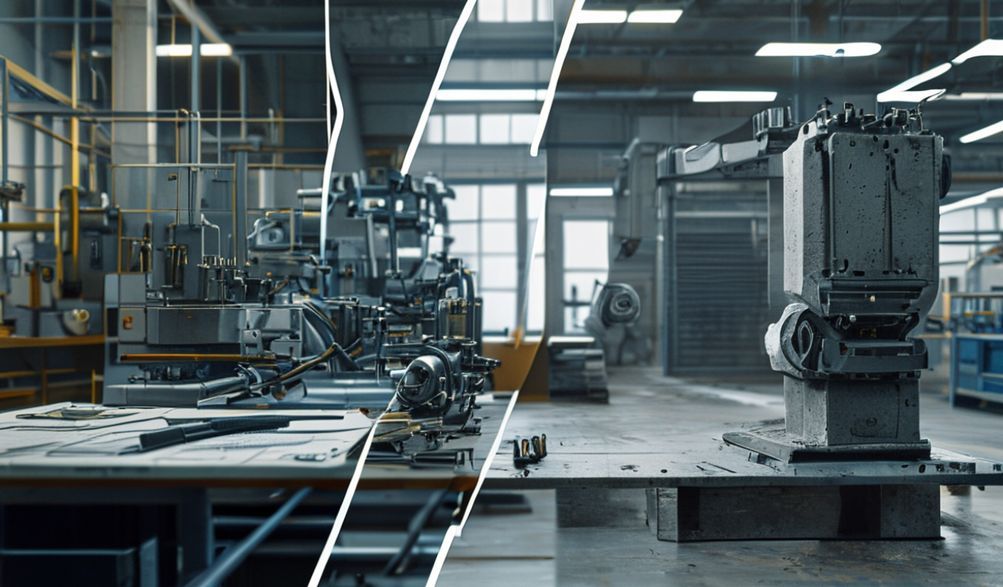
คู่มือขั้นสุดยอดสำหรับแผนการสร้างเครื่องผลิตบล็อกคอนกรีตและข้อได้เปรียบของโรงงานฟู่ดา
การผลักดันระดับโลกเพื่อการก่อสร้างที่ราคาไม่แพง ทนทาน และยั่งยืน ได้จุดประกายความสนใจในทางออกอันทรงพลัง นั่นคือ การผลิตบล็อกคอนกรีตใช้เอง ไม่ว่าคุณจะเป็นผู้อยู่อาศัยในพื้นที่ชนบทที่ต้องการสร้างกำแพงสวน นักพัฒนาชุมชนที่มุ่งลดต้นทุน หรือผู้ประกอบการที่มองเห็นโอกาสทางธุรกิจ แนวคิดนี้ก็น่าสนใจอย่างยิ่ง แต่เส้นทางจากวัสดุดิบสู่บล็อกสำเร็จรูปนั้นแยกออกเป็นสองทางอย่างชัดเจน ทางหนึ่งคดเคี้ยวผ่านโลกแห่งการลงมือทำจริงที่ละเอียดอ่อนแผนเครื่องทำบล็อกคอนกรีตอีกเส้นทางหนึ่งนำไปสู่ขอบเขตการผลิตระดับอุตสาหกรรมที่มีประสิทธิภาพสูงของผู้ผลิตมืออาชีพ ซึ่งเป็นแบบอย่างที่เห็นได้จากมาตรฐานอุตสาหกรรมเช่นโรงงานผลิตบล็อกฟูดา.
คู่มือฉบับสมบูรณ์นี้ถูกออกแบบมาเพื่อเป็นแผนที่นำทางที่คุณวางใจได้ รวบรวมจากการวิเคราะห์อุตสาหกรรม การเจาะลึกด้านเทคนิค และความเข้าใจในหลักการผลิตที่ได้รับการยอมรับ เราจะวิเคราะห์ทั้งสองแนวทางอย่างละเอียด เป้าหมายของเราคือการมอบความรู้ที่จำเป็นเพื่อให้คุณตัดสินใจได้อย่างรอบคอบ ไม่ว่าความฝันของคุณจะเป็นการเริ่มต้นโครงการ DIY ขนาดเล็ก หรือการเปิดธุรกิจผลิตบล็อกเชิงพาณิชย์ เราจะสำรวจสิ่งที่ต้องมีในการสร้างเครื่องจักรตั้งแต่เริ่มต้น และใช้มาตรฐานระดับมืออาชีพของโรงงานอย่าง FUDA เป็นกรอบเพื่อทำความเข้าใจว่าศักยภาพอุตสาหกรรมที่แท้จริงมีหน้าตาเป็นอย่างไร
ทำความเข้าใจการผลิตบล็อกคอนกรีต: ตั้งแต่ระดับ DIY ไปจนถึงระดับอุตสาหกรรม
ก่อนจะลงทุนเวลาและเงินทุน สิ่งสำคัญคือต้องเข้าใจพื้นฐานของการผลิตบล็อกคอนกรีต หลักการพื้นฐานนั้นเรียบง่ายแต่ซ่อนความซับซ้อน: อัดส่วนผสมคอนกรีตกึ่งแห้งลงในแม่พิมพ์ภายใต้แรงกดสูง จากนั้นจึงปล่อยบล็อกที่ขึ้นรูปแล้วออกมาเพื่อบ่มรักษา อย่างไรก็ตาม วิธีการเพื่อให้บรรลุเป้าหมายนี้มีตั้งแต่ระบบที่ใช้แรงงานคนล้วนไปจนถึงระบบอัตโนมัติเต็มรูปแบบ
เครื่องจักรผลิตบล็อกคอนกรีตคืออะไร? หลักการทำงานพื้นฐานอธิบาย
หัวใจสำคัญของเครื่องทำบล็อกคืออุปกรณ์ที่ใช้แรงกลเพื่ออัดคอนกรีตให้แน่น กุญแจสู่บล็อกที่แข็งแรงและทนทานอยู่ที่การขจัดช่องว่างอากาศและการอัดแน่นของมวลรวมอย่างสม่ำเสมอ เครื่องมือแบบทำเองมักใช้เครื่องอัดแบบคันโยกหรือโต๊ะสั่น ในขณะที่เครื่องจักรอุตสาหกรรม เช่น จากฟูด้า ใช้ระบบไฮดรอลิกความดันสูงที่ให้แรงอัดสม่ำเสมอและทำซ้ำได้ ซึ่งวัดเป็นตันต่อตารางนิ้ว แรงดันระดับนี้เป็นปัจจัยขาดไม่ได้ในการสร้างความหนาแน่นที่จำเป็นสำหรับบล็อกคอนกรีตรับน้ำหนัก
การใช้งานหลัก: ตั้งแต่สวนในบ้านไปจนถึงสถานที่ก่อสร้างขนาดใหญ่
ขนาดโครงการของคุณกำหนดเครื่องจักรที่คุณต้องการ
* DIY/ใช้ในบ้านกำแพงกันดินในสวน โรงเก็บของขนาดเล็ก ลานบ้าน ทางเดิน และโครงการจัดสวนตกแต่ง
* ธุรกิจขนาดเล็ก/โครงการชุมชนโครงการที่อยู่อาศัยราคาประหยัด อาคารพาณิชย์ขนาดเล็ก รั้วรอบขอบชิดสำหรับฟาร์มหรือบริเวณที่ดิน
* การผลิตอุตสาหกรรม/พาณิชยกรรมจัดหาบล็อกสำหรับโครงการพัฒนาที่อยู่อาศัยขนาดใหญ่ โครงสร้างพื้นฐานสาธารณะ และการก่อสร้างเชิงพาณิชย์ ซึ่งต้องการบล็อกที่เหมือนกันหลายพันชิ้นต่อวัน
กรณีทางเศรษฐกิจ: การวิเคราะห์ต้นทุนและผลประโยชน์ของการผลิตบล็อกด้วยตนเอง
แรงผลักดันหลักสำหรับแผนการทำเองคือการมองเห็นถึงการประหยัดต้นทุน ด้วยการจัดหาวัสดุในท้องถิ่น (ปูนซีเมนต์ ทราย หินผุ) และการประกอบเครื่องจักรด้วยตัวเอง คุณจะหลีกเลี่ยงการถูกคิดราคาเพิ่มจากการซื้อบล็อกสำเร็จรูป สำหรับโครงการที่ทำครั้งเดียว ประโยชน์นี้อาจมีนัยสำคัญ อย่างไรก็ตาม ต้นทุนที่แท้จริงรวมถึงค่าแรงของคุณ การเข้าถึง/การเช่าเครื่องมือ ความเป็นไปได้ของวัสดุที่สูญเปล่า และความแปรผันของคุณภาพของผลิตภัณฑ์สุดท้าย สำหรับความต้องการที่สม่ำเสมอและมีปริมาณมาก เศรษฐศาสตร์จะเปลี่ยนไปสู่ประสิทธิภาพของอุปกรณ์ระดับมืออาชีพ
การนำทางแผนสำหรับเครื่องผลิตบล็อกคอนกรีต
สำหรับนักสร้างสรรค์งานอดิเรกผู้เชี่ยวชาญหรือผู้สร้างที่มุ่งมั่น แผนการทำด้วยตัวเอง (DIY) นำเสนอจุดเริ่มต้นที่เข้าถึงได้ อย่างไรก็ตาม ความสำเร็จขึ้นอยู่กับคุณภาพของแผนและการปฏิบัติตามอย่างเคร่งครัด
สิ่งที่ควรมองหาในแผนการสร้างเครื่องจักร DIY คุณภาพสูง
ไม่ใช่ทุกแผนที่ถูกสร้างขึ้นมาเท่าเทียมกัน แผนที่เชื่อถือได้ควรเป็นพิมพ์เขียวโครงการที่ครอบคลุม
- Material Lists (Specificity and Availability): A good plan provides a detailed bill of materials, including exact dimensions, steel grades, bolt sizes, and specifications for any purchased components (like motors or vibrators). Vague terms like “heavy-duty steel” are a red flag.
- Diagram and Blueprint Clarity: Look for clear, dimensioned orthographic drawings (front, side, top views) and isometric projections. Critical weld points and tolerances should be explicitly called out.
- Step-by-Step Assembly Instructions: The guide should logically progress from frame fabrication to assembly of the pressing/vibrating mechanism and mold installation. It should anticipate tricky steps.
- Safety Protocols and Warnings: Responsible plans emphasize safety—warning about the dangers of crushing points, flying debris during welding, and electrical hazards if a motor is involved.
Common Types of Machines You Can Build from Plans
Most DIY plans fall into two categories:
- เครื่องอัดแบบใช้มือ Often used for producing interlocking soil-stabilized or concrete bricks. They use a lever system to apply pressure. Output is low (50-100 blocks per day), and physical effort is high, but they are simple and cheap to build.
- Simple Vibrating Table Machines: These involve a motor with an eccentric weight mounted under a steel table that holds the mold. The vibration consolidates the concrete. These can be semi-automated with a manual mold feed and ejection.
Limitations of DIY Plans: It’s vital to manage expectations. DIY machines typically struggle with output rateและblock consistency. Achieving the uniform density and perfect dimensions required for commercial construction is extremely challenging without precise, automated pressure control.
Sourcing Reliable Plans: A Trustworthiness Checklist
To avoid wasted time and money, vet your sources rigorously.
- Verify Source Credentials: Prefer plans created by practicing mechanical engineers, experienced fabricators, or DIYers with documented, successful builds.
- Seek User Reviews and Build Logs: Search for forum threads or video series where others have attempted the build. Their challenges and modifications are invaluable.
- Avoid Vague or Overpromising Schematics: Be wary of plans that promise “industrial output” with “simple tools.” If it sounds too good to be true, it likely is.
The Professional Benchmark: Inside the FUDA Block Making Factory
When your needs scale beyond hobbyist levels, the conversation shifts to professional machinery manufacturers. While specific details for FUDA are proprietary, analyzing the hallmarks of a top-tier factory like FUDA reveals the industry standard for commercial block production.
Who is FUDA? An Overview of a Professional Machinery Manufacturer
A company like FUDA represents the industrial end of the spectrum. Such manufacturers specialize in designing, engineering, and building robust block making machines and complete production lines. They serve clients ranging from medium-sized block yards to large-scale construction material suppliers, providing not just machinery but often technical support, training, and mold customization. Their reputation is built on machine durability, output reliability, and consistent product quality.
Key Features of Industrial Block Making Machines (The “FUDA” Standard)
What separates a factory machine from a DIY build is the integration of systems designed for relentless, precise operation.
- ระบบไฮดรอลิกความดันสูง: This is the core. Industrial machines use precisely calibrated hydraulic cylinders to apply immense, repeatable pressure (often 100+ tons), ensuring every block has identical density and strength.
- Automated Feeding and Mixing Systems: Integrated conveyors and pan mixers deliver a consistent volume and mix of concrete to the mold box every cycle, removing human error.
- Programmable Logic Controllers (PLC): The brain of the machine. A PLC automates the entire cycle—feed, compress, vibrate, eject—with millisecond accuracy, guaranteeing uniformity and allowing easy adjustment of cycle times.
- Robust Steel Frames and Long-Lasting Molds: Built from heavy-duty steel to withstand years of vibration and stress. Molds are precision-machined from hardened steel to produce thousands of blocks before requiring refurbishment.
From Raw Material to Finished Block: The Factory Process Flow
A professional setup is a synchronized system:
1. Batching: Aggregates, sand, and cement are measured by weight for perfect mix design.
2. การผสม A central mixer creates a homogeneous semi-dry concrete.
3. การให้อาหาร The mix is conveyed to the block machine’s hopper.
4. Molding & Compression: The PLC-controlled machine fills, vibrates, and applies high pressure.
5. การปลดออกและการจัดเรียงบนพาเลท Fresh blocks are ejected onto pallets.
6. การบ่ม Pallets are moved to a controlled curing chamber (often steam-fed) for rapid strength gain.
7. Storage & Dispatch: Blocks are stacked and stored for delivery.
Output Comparison: DIY Machine vs. Factory Machine
| Feature | DIY Machine (From Plans) | Factory Machine (e.g., FUDA Standard) |
| :— | :— | :— |
| กำลังการผลิต | 50 – 200 blocks per 8-hour day | 1,000 – 5,000+ blocks per 8-hour shift |
| Block Uniformity | Variable; depends on operator skill | Extremely high; controlled by PLC and hydraulics |
| แรงงานที่ต้องการ | High (manual operation) | Low to moderate (machine operation and supervision) |
| เงินลงทุนเริ่มแรก | Low (materials & tools) | High (machine cost, shipping, installation) |
| Operational Scale | Hobbyist, small personal projects | Small business to large industrial production |
Making the Right Choice: Plans vs. Purchasing a Machine
This is the critical decision point. Your choice should be dictated by objective criteria, not just initial cost.
Decision Matrix: When DIY Plans Make Perfect Sense
Choose the DIY route if:
* Budget is severely constrained and your labor has a low opportunity cost.
*project is small, one-time, or for personal use (e.g., a garden feature).
* You are a high-skill enthusiast who enjoys the build process as much as the end product.
* You have access to a well-equipped workshop and welding skills.
When to Consider Investing in a Professional Machine (Like from FUDA)
Start contacting manufacturers like FUDA when:
* You are launching a business venture to sell blocks.
* There is steady, high demand from a construction project or market.
* Standardized quality and dimensions are non-negotiable for your clients.
* Your time and labor are better spent on production and sales than on machine troubleshooting.
Cost Analysis: Hidden Expenses in Both Paths
-
The DIY Path:
- Tooling: You may need to rent or buy a welder, angle grinder, drill press, etc.
- ของเสียจากวัสดุ Learning curves lead to miscuts and errors.
- Time Cost: Dozens to hundreds of hours spent building, testing, and adjusting.
- Potential for Error: A flawed machine produces unusable blocks, wasting all input materials.
-
The Professional Path:
- Shipping & Import Duties: For large machinery, this can be a significant line item.
- Installation & Foundation: Machines often require a leveled concrete pad and professional setup.
- Maintenance & Spares: Budget for routine maintenance and a stock of wear parts (like mold liners).
- Operator Training: Ensuring your team can run and perform basic maintenance safely.
Safety and Best Practices for Block Production
Safety and proper technique are universal, regardless of your machine’s origin.
Essential Safety Gear for Operating Any Block Machine
- Eye Protection: Safety glasses or a face shield to guard against concrete dust and flying particles.
- Hearing Protection: Industrial machines and vibrators generate significant noise.
- Sturdy Gloves & Steel-Toe Boots: Protect hands from abrasion and feet from heavy molds or dropped blocks.
- Respirator/Dust Mask: Essential when handling dry cement or during mixing.
Proper Concrete Mix Design for Strong, Durable Blocks
A common failure point is an incorrect mix. For semi-dry press methods, a typical mix is 1 part cement, 3-6 parts sharp sand/aggregate blend, with just enough water for cohesion. The mix should hold its shape when squeezed but not be sloppy. Test small batches first.
Curing and Storage: The Final, Critical Steps
Blocks gain strength through a chemical process that requires moisture. After ejection, blocks must be kept damp (covered with plastic sheeting and sprinkled with water) for at least 7 days. They should not be exposed to direct sun and wind immediately. Proper curing can more than double the final block strength.
คำถามที่พบบ่อย (FAQ)
Q1: Can I really build a functional block making machine from online plans?
ก Yes, for basic manual or vibrating table models. Success is highly dependent on the quality of the plans, your mechanical skill, and access to proper tools. Manage your expectations regarding output rate and the consistency of the finished blocks.
Q2: What is the typical production capacity of a factory machine from a manufacturer like FUDA?
ก Capacity varies widely by model. Small stationary machines might produce 800-1,500 blocks per 8-hour shift. Large, fully automated lines from manufacturers like FUDA can produce 5,000 to 10,000+ blocks in the same period, depending on block size and machine cycle time.
Q3: What is the most common mistake beginners make with DIY block machine plans?
ก Underestimating the precision required in fabrication, especially in ensuring the mold box is perfectly square and the pressing plate or vibration table is perfectly level. Even minor misalignments lead to stuck blocks, uneven pressure, and inconsistent quality.
Q4: Are blocks made from a DIY machine as strong as commercially produced ones?
ก They can achieve comparable strength if the mix design is perfect and compaction is thorough. However, achieving that strength consistently in every block is the true challenge. Industrial machines apply calibrated, high pressure that is nearly impossible to replicate manually or with simple vibrators.
Q5: Where can I find reputable reviews of block making machine plans or manufacturers?
ก For DIY plans, seek detailed build logs on engineering forums (like Practical Machinist) or dedicated homesteading/DIY platforms. For manufacturers, look for industry trade publications, third-party business directories (e.g., Thomasnet), and long-term user testimonials on video platforms. Always cross-reference; be skeptical of reviews only found on the seller’s own website.
สรุป
The journey into concrete block production clearly divides into two distinct paths: the accessible, hands-on world of แผนเครื่องทำบล็อกคอนกรีต and the efficient, high-output realm of professional manufacturers like the โรงงานผลิตบล็อกฟูดา. The former empowers the skilled individual for specific projects; the latter enables commercial ventures and large-scale construction.
The optimal choice is not about which is “better,” but which is right for your specific scale, budget, and intent. For the hobbyist, the key is meticulous research to find clear, well-reviewed plans. For the aspiring business owner, the imperative is direct consultation with reputable manufacturers to match a machine to your market demand.
By understanding the capabilities, limitations, and true costs of both approaches, you are empowered to make a strategic investment—whether that investment is your time and sweat or significant capital—to reliably produce the building blocks of your project, or your business.
<