
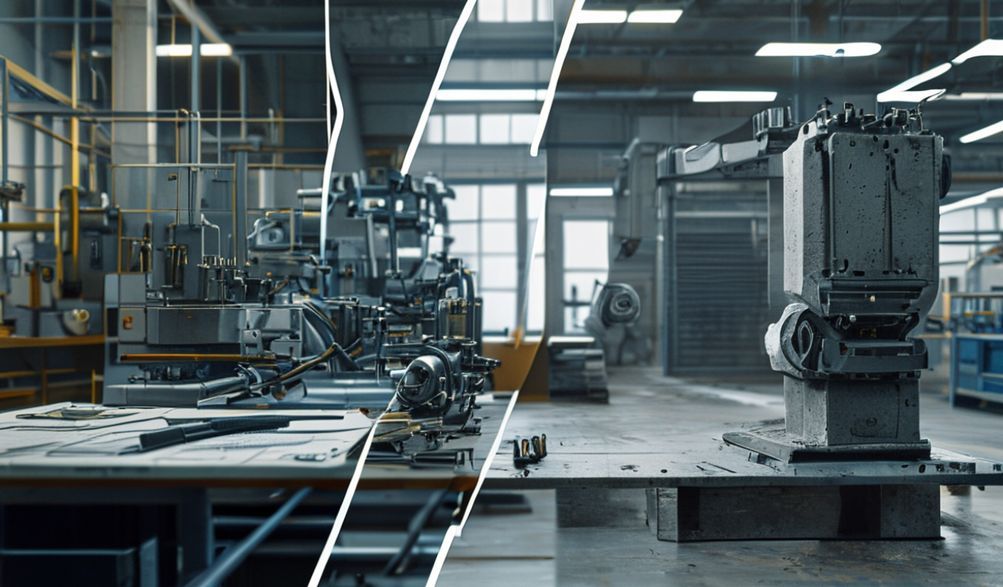
Hướng Dẫn Toàn Diện Về Bản Vẽ Máy Sản Xuất Gạch Bê Tông & Lợi Thế Nhà Máy FUDA
Phong trào toàn cầu hướng tới xây dựng với chi phí hợp lý, độ bền cao và tính bền vững đã thổi bùng sự quan tâm đến một giải pháp mạnh mẽ: tự sản xuất gạch bê tông. Dù bạn là người muốn xây tường vườn, nhà phát triển cộng đồng nhằm giảm chi phí, hay doanh nhân đang tìm kiếm cơ hội kinh doanh, ý tưởng này đều rất hấp dẫn. Nhưng con đường từ nguyên liệu thô đến những viên gạch hoàn thiện lại phân nhánh rõ rệt. Một hướng đi uốn lượn qua thế giới thực hành chi tiết, tỉ mỉ củakế hoạch máy làm khối bê tôngCòn lại dẫn đến lĩnh vực sản xuất quy mô công nghiệp hiệu suất cao của các nhà sản xuất chuyên nghiệp, được tiêu biểu bởi các chuẩn mực ngành nhưNhà máy sản xuất khối FUDA.
Hướng dẫn toàn diện này được thiết kế để trở thành lộ trình đáng tin cậy của bạn. Được tổng hợp từ phân tích ngành, nghiên cứu chuyên sâu kỹ thuật và những hiểu biết về nguyên tắc sản xuất đã được kiểm chứng, chúng tôi sẽ phân tích kỹ lưỡng cả hai hướng tiếp cận. Mục tiêu của chúng tôi là trang bị cho bạn kiến thức để đưa ra quyết định sáng suốt - dù tham vọng của bạn là một dự án tự làm quy mô nhỏ hay khởi nghiệp sản xuất gạch thương mại. Chúng ta sẽ cùng khám phá những yêu cầu để chế tạo máy từ đầu, đồng thời sử dụng tiêu chuẩn chuyên nghiệp của một nhà máy như FUDA làm thước đo để hiểu rõ năng lực công nghiệp thực thụ trông như thế nào.
Tìm hiểu về sản xuất gạch bê tông: Từ quy mô tự làm đến công nghiệp
Trước khi đầu tư thời gian hay vốn liếng, việc nắm vững nguyên lý cơ bản của sản xuất gạch block là cực kỳ quan trọng. Nguyên tắc cốt lõi nghe thì đơn giản: nén hỗn hợp bê tông khô vừa vào khuôn dưới áp lực lớn, sau đó đẩy viên gạch đã định hình ra để bảo dưỡng. Tuy nhiên, các phương pháp để đạt được điều này dao động từ thủ công thuần túy đến hệ thống tự động hoàn toàn.
Máy Sản Xuất Gạch Bê Tông Là Gì? Giải Thích Nguyên Lý Hoạt Động Cốt Lõi
Cốt lõi, máy làm gạch là một thiết bị sử dụng lực cơ học để nén chặt bê tông. Chìa khóa để tạo ra viên gạch chắc bền là loại bỏ các lỗ rỗng khí và đầm nén đều cốt liệu. Máy tự chế thường dùng cơ cấu ép bằng đòn bẩy hoặc bàn rung. Trong khi đó, máy công nghiệp, như các dòng từ FUDA, sử dụng hệ thống thủy lực áp suất cao, tạo ra lực đồng nhất và lặp lại được, đo bằng tấn trên inch vuông. Áp lực này là yếu tố bắt buộc để đạt được độ đặc chắc cần thiết cho các loại gạch xây chịu lực.
Ứng Dụng Chính: Từ Vườn Nhà Đến Các Công Trình Xây Dựng Lớn
Quy mô dự án của bạn quyết định loại máy móc bạn cần.
* Tự làm/Tự sử dụng tại nhà:Tường chắn vườn, nhà kho nhỏ, sân hiên, lối đi và các dự án cảnh quan trang trí.
* Doanh nghiệp Nhỏ/Dự án Cộng đồngCác sáng kiến nhà ở giá rẻ, các tòa nhà thương mại nhỏ, hàng rào bao quanh trang trại hoặc khuôn viên.
* Sản xuất Công nghiệp/Thương mại:Cung cấp khối xây cho các dự án phát triển nhà ở quy mô lớn, dự án hạ tầng dân dụng và xây dựng thương mại, yêu cầu hàng nghìn khối giống hệt nhau mỗi ngày.
Lập Luận Kinh Tế: Phân Tích Chi Phí - Lợi Ích của Việc Tự Làm Gạch
Động lực chính cho các kế hoạch tự làm là nhận thức về việc tiết kiệm chi phí. Bằng cách tìm nguồn nguyên vật liệu địa phương (xi măng, cát, cốt liệu) và tự chế tạo máy móc, bạn tránh được khoản phụ phí trên các khối mua sẵn thương mại. Đối với một dự án chỉ làm một lần, điều này có thể rất đáng kể. Tuy nhiên, chi phí thực tế bao gồm lao động của bạn, việc tiếp cận/thuê dụng cụ, khả năng lãng phí nguyên vật liệu và sự chênh lệch chất lượng của sản phẩm cuối cùng. Đối với nhu cầu sản xuất ổn định với khối lượng lớn, tính kinh tế sẽ chuyển dịch về phía hiệu quả của thiết bị chuyên nghiệp.
Hướng Dẫn Lựa Chọn Kế Hoạch Máy Sản Xuất Gạch Bê Tông
Đối với những người có sở thích lành nghề hoặc người xây dựng quyết tâm, bản vẽ tự làm cung cấp một điểm khởi đầu dễ tiếp cận. Tuy nhiên, thành công hoàn toàn phụ thuộc vào chất lượng của bản vẽ và cách bạn thực hiện.
Những Điểm Cần Lưu Ý Khi Chọn Bản Vẽ Tự Chế Máy Chất Lượng Cao
Không phải mọi bộ kế hoạch đều được tạo ra như nhau. Một bộ kế hoạch đáng tin cậy cần phải là một bản thiết kế tổng thể toàn diện cho dự án.
- Material Lists (Specificity and Availability): A good plan provides a detailed bill of materials, including exact dimensions, steel grades, bolt sizes, and specifications for any purchased components (like motors or vibrators). Vague terms like “heavy-duty steel” are a red flag.
- Diagram and Blueprint Clarity: Look for clear, dimensioned orthographic drawings (front, side, top views) and isometric projections. Critical weld points and tolerances should be explicitly called out.
- Step-by-Step Assembly Instructions: The guide should logically progress from frame fabrication to assembly of the pressing/vibrating mechanism and mold installation. It should anticipate tricky steps.
- Safety Protocols and Warnings: Responsible plans emphasize safety—warning about the dangers of crushing points, flying debris during welding, and electrical hazards if a motor is involved.
Common Types of Machines You Can Build from Plans
Most DIY plans fall into two categories:
- Máy Ép Thủ Công: Often used for producing interlocking soil-stabilized or concrete bricks. They use a lever system to apply pressure. Output is low (50-100 blocks per day), and physical effort is high, but they are simple and cheap to build.
- Simple Vibrating Table Machines: These involve a motor with an eccentric weight mounted under a steel table that holds the mold. The vibration consolidates the concrete. These can be semi-automated with a manual mold feed and ejection.
Limitations of DIY Plans: It’s vital to manage expectations. DIY machines typically struggle with output ratevàblock consistency. Achieving the uniform density and perfect dimensions required for commercial construction is extremely challenging without precise, automated pressure control.
Sourcing Reliable Plans: A Trustworthiness Checklist
To avoid wasted time and money, vet your sources rigorously.
- Verify Source Credentials: Prefer plans created by practicing mechanical engineers, experienced fabricators, or DIYers with documented, successful builds.
- Seek User Reviews and Build Logs: Search for forum threads or video series where others have attempted the build. Their challenges and modifications are invaluable.
- Avoid Vague or Overpromising Schematics: Be wary of plans that promise “industrial output” with “simple tools.” If it sounds too good to be true, it likely is.
The Professional Benchmark: Inside the FUDA Block Making Factory
When your needs scale beyond hobbyist levels, the conversation shifts to professional machinery manufacturers. While specific details for FUDA are proprietary, analyzing the hallmarks of a top-tier factory like FUDA reveals the industry standard for commercial block production.
Who is FUDA? An Overview of a Professional Machinery Manufacturer
A company like FUDA represents the industrial end of the spectrum. Such manufacturers specialize in designing, engineering, and building robust block making machines and complete production lines. They serve clients ranging from medium-sized block yards to large-scale construction material suppliers, providing not just machinery but often technical support, training, and mold customization. Their reputation is built on machine durability, output reliability, and consistent product quality.
Key Features of Industrial Block Making Machines (The “FUDA” Standard)
What separates a factory machine from a DIY build is the integration of systems designed for relentless, precise operation.
- Hệ thống thủy lực áp suất cao: This is the core. Industrial machines use precisely calibrated hydraulic cylinders to apply immense, repeatable pressure (often 100+ tons), ensuring every block has identical density and strength.
- Automated Feeding and Mixing Systems: Integrated conveyors and pan mixers deliver a consistent volume and mix of concrete to the mold box every cycle, removing human error.
- Programmable Logic Controllers (PLC): The brain of the machine. A PLC automates the entire cycle—feed, compress, vibrate, eject—with millisecond accuracy, guaranteeing uniformity and allowing easy adjustment of cycle times.
- Robust Steel Frames and Long-Lasting Molds: Built from heavy-duty steel to withstand years of vibration and stress. Molds are precision-machined from hardened steel to produce thousands of blocks before requiring refurbishment.
From Raw Material to Finished Block: The Factory Process Flow
A professional setup is a synchronized system:
1. Batching: Aggregates, sand, and cement are measured by weight for perfect mix design.
2. Pha trộn: A central mixer creates a homogeneous semi-dry concrete.
3. Cho ăn: The mix is conveyed to the block machine’s hopper.
4. Molding & Compression: The PLC-controlled machine fills, vibrates, and applies high pressure.
5. Đẩy & Xếp Pallet Fresh blocks are ejected onto pallets.
6. Chữa bệnh: Pallets are moved to a controlled curing chamber (often steam-fed) for rapid strength gain.
7. Storage & Dispatch: Blocks are stacked and stored for delivery.
Output Comparison: DIY Machine vs. Factory Machine
| Feature | DIY Machine (From Plans) | Factory Machine (e.g., FUDA Standard) |
| :— | :— | :— |
| Năng lực sản xuất | 50 – 200 blocks per 8-hour day | 1,000 – 5,000+ blocks per 8-hour shift |
| Block Uniformity | Variable; depends on operator skill | Extremely high; controlled by PLC and hydraulics |
| Lao động cần thiết | High (manual operation) | Low to moderate (machine operation and supervision) |
| Đầu tư ban đầu | Low (materials & tools) | High (machine cost, shipping, installation) |
| Operational Scale | Hobbyist, small personal projects | Small business to large industrial production |
Making the Right Choice: Plans vs. Purchasing a Machine
This is the critical decision point. Your choice should be dictated by objective criteria, not just initial cost.
Decision Matrix: When DIY Plans Make Perfect Sense
Choose the DIY route if:
* Budget is severely constrained and your labor has a low opportunity cost.
* Cácproject is small, one-time, or for personal use (e.g., a garden feature).
* You are a high-skill enthusiast who enjoys the build process as much as the end product.
* You have access to a well-equipped workshop and welding skills.
When to Consider Investing in a Professional Machine (Like from FUDA)
Start contacting manufacturers like FUDA when:
* You are launching a business venture to sell blocks.
* There is steady, high demand from a construction project or market.
* Standardized quality and dimensions are non-negotiable for your clients.
* Your time and labor are better spent on production and sales than on machine troubleshooting.
Cost Analysis: Hidden Expenses in Both Paths
-
The DIY Path:
- Tooling: You may need to rent or buy a welder, angle grinder, drill press, etc.
- Chất thải vật liệu: Learning curves lead to miscuts and errors.
- Time Cost: Dozens to hundreds of hours spent building, testing, and adjusting.
- Potential for Error: A flawed machine produces unusable blocks, wasting all input materials.
-
The Professional Path:
- Shipping & Import Duties: For large machinery, this can be a significant line item.
- Installation & Foundation: Machines often require a leveled concrete pad and professional setup.
- Maintenance & Spares: Budget for routine maintenance and a stock of wear parts (like mold liners).
- Operator Training: Ensuring your team can run and perform basic maintenance safely.
Safety and Best Practices for Block Production
Safety and proper technique are universal, regardless of your machine’s origin.
Essential Safety Gear for Operating Any Block Machine
- Eye Protection: Safety glasses or a face shield to guard against concrete dust and flying particles.
- Hearing Protection: Industrial machines and vibrators generate significant noise.
- Sturdy Gloves & Steel-Toe Boots: Protect hands from abrasion and feet from heavy molds or dropped blocks.
- Respirator/Dust Mask: Essential when handling dry cement or during mixing.
Proper Concrete Mix Design for Strong, Durable Blocks
A common failure point is an incorrect mix. For semi-dry press methods, a typical mix is 1 part cement, 3-6 parts sharp sand/aggregate blend, with just enough water for cohesion. The mix should hold its shape when squeezed but not be sloppy. Test small batches first.
Curing and Storage: The Final, Critical Steps
Blocks gain strength through a chemical process that requires moisture. After ejection, blocks must be kept damp (covered with plastic sheeting and sprinkled with water) for at least 7 days. They should not be exposed to direct sun and wind immediately. Proper curing can more than double the final block strength.
Các Câu Hỏi Thường Gặp (FAQ)
Q1: Can I really build a functional block making machine from online plans?
A: Yes, for basic manual or vibrating table models. Success is highly dependent on the quality of the plans, your mechanical skill, and access to proper tools. Manage your expectations regarding output rate and the consistency of the finished blocks.
Q2: What is the typical production capacity of a factory machine from a manufacturer like FUDA?
A: Capacity varies widely by model. Small stationary machines might produce 800-1,500 blocks per 8-hour shift. Large, fully automated lines from manufacturers like FUDA can produce 5,000 to 10,000+ blocks in the same period, depending on block size and machine cycle time.
Q3: What is the most common mistake beginners make with DIY block machine plans?
A: Underestimating the precision required in fabrication, especially in ensuring the mold box is perfectly square and the pressing plate or vibration table is perfectly level. Even minor misalignments lead to stuck blocks, uneven pressure, and inconsistent quality.
Q4: Are blocks made from a DIY machine as strong as commercially produced ones?
A: They can achieve comparable strength if the mix design is perfect and compaction is thorough. However, achieving that strength consistently in every block is the true challenge. Industrial machines apply calibrated, high pressure that is nearly impossible to replicate manually or with simple vibrators.
Q5: Where can I find reputable reviews of block making machine plans or manufacturers?
A: For DIY plans, seek detailed build logs on engineering forums (like Practical Machinist) or dedicated homesteading/DIY platforms. For manufacturers, look for industry trade publications, third-party business directories (e.g., Thomasnet), and long-term user testimonials on video platforms. Always cross-reference; be skeptical of reviews only found on the seller’s own website.
Conclusion
The journey into concrete block production clearly divides into two distinct paths: the accessible, hands-on world of kế hoạch máy làm khối bê tông and the efficient, high-output realm of professional manufacturers like the Nhà máy sản xuất khối FUDA. The former empowers the skilled individual for specific projects; the latter enables commercial ventures and large-scale construction.
The optimal choice is not about which is “better,” but which is right for your specific scale, budget, and intent. For the hobbyist, the key is meticulous research to find clear, well-reviewed plans. For the aspiring business owner, the imperative is direct consultation with reputable manufacturers to match a machine to your market demand.
By understanding the capabilities, limitations, and true costs of both approaches, you are empowered to make a strategic investment—whether that investment is your time and sweat or significant capital—to reliably produce the building blocks of your project, or your business.
<