
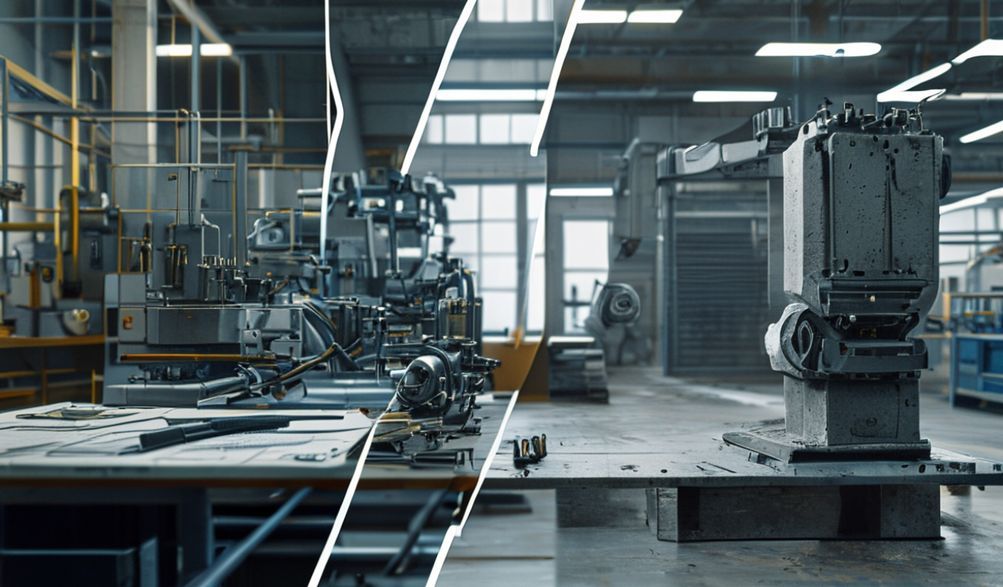
Ang Iyong Komprehensibong Gabay sa Mga Plano ng Makina ng Paggawa ng Kongkretong Bloke at Ang Kahigitan ng Pabrikang FUDA
Ang pandaigdigang pagtutulak para sa abot-kayang, matibay, at napapanatiling konstruksiyon ay nagpaningas ng interes sa isang makapangyarihang solusyon: ang paggawa ng sariling mga bloke ng kongkreto. Maging ikaw ay isang homesteader na naghahangad na magtayo ng pader sa hardin, isang tagapagpaunlad ng komunidad na naglalayong bawasan ang gastos, o isang negosyante na nakakita ng oportunidad sa negosyo, ang konsepto ay nakakahimok. Ngunit ang landas mula sa mga hilaw na materyales hanggang sa mga tapos na bloke ay biglang naghihiwalay. Ang isang ruta ay dumadaan sa detalyado at praktikal na mundo ng—plano ng makina para sa paggawa ng kongkretong blokeAng isa naman ay humahantong sa mataas na kahusayan, pang-industriyang saklaw ng mga propesyonal na tagagawa, na pinapakita ng mga pamantayan sa industriya tulad ngPabrika ng paggawa ng bloke ng FUDA.
Ang komprehensibong gabay na ito ay inilaan upang maging iyong mapagkakatiwalaang mapa. Buhat sa pagsusuri ng industriya, malalimang pagtalakay sa teknikal, at mga pananaw sa itinatag na mga prinsipyo ng pagmamanupaktura, susuriin natin ang parehong pamamaraan. Ang layunin namin ay bigyan ka ng kaalaman upang makagawa ng isang maalam na desisyon—maging ang iyong hangarin ay isang maliit na proyektong DIY o paglulunsad ng isang komersyal na negosyo sa paggawa ng bloke. Tuklasin natin ang mga kinakailangan upang makabuo ng isang makina mula sa simula at gamitin ang mga propesyonal na pamantayan ng isang pabrika tulad ng FUDA bilang lente upang maunawaan kung ano ang tunay na kapasidad ng industriya.
Pag-unawa sa Paggawa ng Kongkretong Bloke: Mula sa DIY hanggang sa Pang-industriyang Sukat
Bago maglaan ng oras o puhunan, mahalagang maunawaan ang mga pangunahing kaalaman sa paggawa ng bloke. Ang pangunahing prinsipyo ay tila simple: i-compact ang bahagyang tuyong kongkretong halo sa isang molde sa ilalim ng malaking presyon, pagkatapos ay ilabas ang nabuong bloke upang patigasin. Gayunpaman, ang mga pamamaraan upang makamit ito ay mula sa ganap na manwal hanggang sa ganap na awtomatikong mga sistema.
Ano ang isang Makina ng Paggawa ng Concrete Block? Ipinaliwanag ang mga Pangunahing Prinsipyo
Sa puso nito, ang isang block making machine ay isang aparatong naglalapat ng mekanikal na puwersa upang patigasin ang kongkreto. Ang susi sa isang matibay at pangmatagalang bloke ay ang pag-aalis ng mga puwang na may hangin at ang pantay na pagpapatigas ng mga agregado. Ang mga DIY machine ay kadalasang gumagamit ng pindutang pinapagana ng lever o isang vibrating table. Ang mga pang-industriyang machine, tulad ng mga galing sa FUDA, ay gumagamit ng mga sistemang haydroliko na may mataas na presyon na nagbibigay ng tuluy-tuloy at maulit-ulit na puwersang sinusukat sa tonelada bawat pulgadang parisukat. Ang presyur na ito ay hindi maikakaila para makamit ang densidad na kinakailangan para sa mga bloke sa konstruksiyon na nagdadala ng bigat.
Pangunahing Aplikasyon: Mula sa Mga Hardin sa Tahanan Hanggang sa Malalaking Lugar ng Konstruksiyon
Ang sukat ng iyong proyekto ang nagtatakda ng makina na kailangan mo.
* DIY/Pang-tahanang Paggamit:Mga pader na pangharang sa hardin, maliliit na kubol, mga patio, daanan, at mga proyektong pandekorasyon sa landscaping.
* Maliit na Negosyo/Proyekto sa Komunidad:Mga inisyatiba sa murang pabahay, maliliit na gusaling pangkomersyo, bakod para sa mga bukid o bakuran.
* Produksyong Pang-industriya/Pang-komersiyo:Pagbibigay ng mga bloke para sa malalaking residential developments, mga proyektong pang-imprastruktura ng sibil, at komersyal na konstruksyon, na nangangailangan ng libu-libong magkakatulad na bloke araw-araw.
Ang Kaso sa Ekonomiya: Pagsusuri sa Gastos at Benepisyo ng Paggawa ng Sariling Bloke
Ang pangunahing motibasyon sa paggawa ng sariling plano ay ang nakikitang pagtitipid. Sa pamamagitan ng pagkuha ng mga materyales sa lokal (semento, buhangin, graba) at paggawa ng makina nang sarili, maiiwasan mo ang patong na halaga sa mga komersiyal na binibiling bloke. Para sa isang proyektong isang beses lamang, maaaring malaki ang matitipid. Gayunpaman, ang tunay na halaga ay sumasaklaw sa iyong paggawa, pag-access/pag-upa ng mga kasangkapan, posibilidad ng pagkasayang ng materyales, at pagkakaiba-iba ng kalidad ng panghuling produkto. Para sa tuluy-tuloy at malakihang pangangailangan, ang ekonomiya ay umiikot na sa kahusayan ng mga propesyonal na kagamitan.
Pag-navigate sa mga Plano ng Makina ng Paggawa ng Bloke ng Kongkreto
Para sa bihasang hobbyist o determinado manggagawa, ang mga plano sa DIY ay nag-aalok ng isang madaling pasukang daan. Subalit, ang tagumpay ay lubos na nakasalalay sa kalidad ng mga plano at sa iyong pagpapatupad.
Ano ang Dapat Hanapin sa Mataas na Kalidad na Plano ng DIY Machine
Hindi lahat ng plano ay pantay-pantay. Ang isang mapagkakatiwalaang hanay ng mga plano ay dapat na isang komprehensibong blueprint ng proyekto.
- Material Lists (Specificity and Availability): A good plan provides a detailed bill of materials, including exact dimensions, steel grades, bolt sizes, and specifications for any purchased components (like motors or vibrators). Vague terms like “heavy-duty steel” are a red flag.
- Diagram and Blueprint Clarity: Look for clear, dimensioned orthographic drawings (front, side, top views) and isometric projections. Critical weld points and tolerances should be explicitly called out.
- Step-by-Step Assembly Instructions: The guide should logically progress from frame fabrication to assembly of the pressing/vibrating mechanism and mold installation. It should anticipate tricky steps.
- Safety Protocols and Warnings: Responsible plans emphasize safety—warning about the dangers of crushing points, flying debris during welding, and electrical hazards if a motor is involved.
Common Types of Machines You Can Build from Plans
Most DIY plans fall into two categories:
- Mga Makina ng Manual na Pagpindot: Often used for producing interlocking soil-stabilized or concrete bricks. They use a lever system to apply pressure. Output is low (50-100 blocks per day), and physical effort is high, but they are simple and cheap to build.
- Simple Vibrating Table Machines: These involve a motor with an eccentric weight mounted under a steel table that holds the mold. The vibration consolidates the concrete. These can be semi-automated with a manual mold feed and ejection.
Limitations of DIY Plans: It’s vital to manage expectations. DIY machines typically struggle with output rateatblock consistency. Achieving the uniform density and perfect dimensions required for commercial construction is extremely challenging without precise, automated pressure control.
Sourcing Reliable Plans: A Trustworthiness Checklist
To avoid wasted time and money, vet your sources rigorously.
- Verify Source Credentials: Prefer plans created by practicing mechanical engineers, experienced fabricators, or DIYers with documented, successful builds.
- Seek User Reviews and Build Logs: Search for forum threads or video series where others have attempted the build. Their challenges and modifications are invaluable.
- Avoid Vague or Overpromising Schematics: Be wary of plans that promise “industrial output” with “simple tools.” If it sounds too good to be true, it likely is.
The Professional Benchmark: Inside the FUDA Block Making Factory
When your needs scale beyond hobbyist levels, the conversation shifts to professional machinery manufacturers. While specific details for FUDA are proprietary, analyzing the hallmarks of a top-tier factory like FUDA reveals the industry standard for commercial block production.
Who is FUDA? An Overview of a Professional Machinery Manufacturer
A company like FUDA represents the industrial end of the spectrum. Such manufacturers specialize in designing, engineering, and building robust block making machines and complete production lines. They serve clients ranging from medium-sized block yards to large-scale construction material suppliers, providing not just machinery but often technical support, training, and mold customization. Their reputation is built on machine durability, output reliability, and consistent product quality.
Key Features of Industrial Block Making Machines (The “FUDA” Standard)
What separates a factory machine from a DIY build is the integration of systems designed for relentless, precise operation.
- Mataas na Presyur na Sistemang Haydroliko: This is the core. Industrial machines use precisely calibrated hydraulic cylinders to apply immense, repeatable pressure (often 100+ tons), ensuring every block has identical density and strength.
- Automated Feeding and Mixing Systems: Integrated conveyors and pan mixers deliver a consistent volume and mix of concrete to the mold box every cycle, removing human error.
- Programmable Logic Controllers (PLC): The brain of the machine. A PLC automates the entire cycle—feed, compress, vibrate, eject—with millisecond accuracy, guaranteeing uniformity and allowing easy adjustment of cycle times.
- Robust Steel Frames and Long-Lasting Molds: Built from heavy-duty steel to withstand years of vibration and stress. Molds are precision-machined from hardened steel to produce thousands of blocks before requiring refurbishment.
From Raw Material to Finished Block: The Factory Process Flow
A professional setup is a synchronized system:
1. Pagbabatch: Aggregates, sand, and cement are measured by weight for perfect mix design.
2. Paghahalo: A central mixer creates a homogeneous semi-dry concrete.
3. Pagpapakain: The mix is conveyed to the block machine’s hopper.
4. Molding & Compression: The PLC-controlled machine fills, vibrates, and applies high pressure.
5. Pag-e-eject at Pagpapalete Fresh blocks are ejected onto pallets.
6. Pagpapagaling: Pallets are moved to a controlled curing chamber (often steam-fed) for rapid strength gain.
7. Storage & Dispatch: Blocks are stacked and stored for delivery.
Output Comparison: DIY Machine vs. Factory Machine
| Feature | DIY Machine (From Plans) | Factory Machine (e.g., FUDA Standard) |
| :— | :— | :— |
| Kapasidad sa Produksyon | 50 – 200 blocks per 8-hour day | 1,000 – 5,000+ blocks per 8-hour shift |
| Block Uniformity | Variable; depends on operator skill | Extremely high; controlled by PLC and hydraulics |
| Lakas-Paggawa na Kailangan | High (manual operation) | Low to moderate (machine operation and supervision) |
| Paunang Puhunan | Low (materials & tools) | High (machine cost, shipping, installation) |
| Operational Scale | Hobbyist, small personal projects | Small business to large industrial production |
Making the Right Choice: Plans vs. Purchasing a Machine
This is the critical decision point. Your choice should be dictated by objective criteria, not just initial cost.
Decision Matrix: When DIY Plans Make Perfect Sense
Choose the DIY route if:
* Budget is severely constrained and your labor has a low opportunity cost.
* Angproject is small, one-time, or for personal use (e.g., a garden feature).
* You are a high-skill enthusiast who enjoys the build process as much as the end product.
* You have access to a well-equipped workshop and welding skills.
When to Consider Investing in a Professional Machine (Like from FUDA)
Start contacting manufacturers like FUDA when:
* You are launching a business venture to sell blocks.
* There is steady, high demand from a construction project or market.
* Standardized quality and dimensions are non-negotiable for your clients.
* Your time and labor are better spent on production and sales than on machine troubleshooting.
Cost Analysis: Hidden Expenses in Both Paths
-
The DIY Path:
- Tooling: You may need to rent or buy a welder, angle grinder, drill press, etc.
- Basura ng Materyal: Learning curves lead to miscuts and errors.
- Time Cost: Dozens to hundreds of hours spent building, testing, and adjusting.
- Potential for Error: A flawed machine produces unusable blocks, wasting all input materials.
-
The Professional Path:
- Shipping & Import Duties: For large machinery, this can be a significant line item.
- Installation & Foundation: Machines often require a leveled concrete pad and professional setup.
- Maintenance & Spares: Budget for routine maintenance and a stock of wear parts (like mold liners).
- Pagsasanay sa Operator Ensuring your team can run and perform basic maintenance safely.
Safety and Best Practices for Block Production
Safety and proper technique are universal, regardless of your machine’s origin.
Essential Safety Gear for Operating Any Block Machine
- Eye Protection: Safety glasses or a face shield to guard against concrete dust and flying particles.
- Hearing Protection: Industrial machines and vibrators generate significant noise.
- Sturdy Gloves & Steel-Toe Boots: Protect hands from abrasion and feet from heavy molds or dropped blocks.
- Respirator/Dust Mask: Essential when handling dry cement or during mixing.
Proper Concrete Mix Design for Strong, Durable Blocks
A common failure point is an incorrect mix. For semi-dry press methods, a typical mix is 1 part cement, 3-6 parts sharp sand/aggregate blend, with just enough water for cohesion. The mix should hold its shape when squeezed but not be sloppy. Test small batches first.
Curing and Storage: The Final, Critical Steps
Blocks gain strength through a chemical process that requires moisture. After ejection, blocks must be kept damp (covered with plastic sheeting and sprinkled with water) for at least 7 days. They should not be exposed to direct sun and wind immediately. Proper curing can more than double the final block strength.
Mga Madalas Itanong (FAQ)
Q1: Can I really build a functional block making machine from online plans?
Isalin ang teksto sa Filipino. I-output LAMANG ang isinalin na teksto. Yes, for basic manual or vibrating table models. Success is highly dependent on the quality of the plans, your mechanical skill, and access to proper tools. Manage your expectations regarding output rate and the consistency of the finished blocks.
Q2: What is the typical production capacity of a factory machine from a manufacturer like FUDA?
Isalin ang teksto sa Filipino. I-output LAMANG ang isinalin na teksto. Capacity varies widely by model. Small stationary machines might produce 800-1,500 blocks per 8-hour shift. Large, fully automated lines from manufacturers like FUDA can produce 5,000 to 10,000+ blocks in the same period, depending on block size and machine cycle time.
Q3: What is the most common mistake beginners make with DIY block machine plans?
Isalin ang teksto sa Filipino. I-output LAMANG ang isinalin na teksto. Underestimating the precision required in fabrication, especially in ensuring the mold box is perfectly square and the pressing plate or vibration table is perfectly level. Even minor misalignments lead to stuck blocks, uneven pressure, and inconsistent quality.
Q4: Are blocks made from a DIY machine as strong as commercially produced ones?
Isalin ang teksto sa Filipino. I-output LAMANG ang isinalin na teksto. They can achieve comparable strength if the mix design is perfect and compaction is thorough. However, achieving that strength consistently in every block is the true challenge. Industrial machines apply calibrated, high pressure that is nearly impossible to replicate manually or with simple vibrators.
Q5: Where can I find reputable reviews of block making machine plans or manufacturers?
Isalin ang teksto sa Filipino. I-output LAMANG ang isinalin na teksto. For DIY plans, seek detailed build logs on engineering forums (like Practical Machinist) or dedicated homesteading/DIY platforms. For manufacturers, look for industry trade publications, third-party business directories (e.g., Thomasnet), and long-term user testimonials on video platforms. Always cross-reference; be skeptical of reviews only found on the seller’s own website.
Konklusyon
The journey into concrete block production clearly divides into two distinct paths: the accessible, hands-on world of plano ng makina para sa paggawa ng kongkretong bloke and the efficient, high-output realm of professional manufacturers like the Pabrika ng paggawa ng bloke ng FUDA. The former empowers the skilled individual for specific projects; the latter enables commercial ventures and large-scale construction.
The optimal choice is not about which is “better,” but which is right for your specific scale, budget, and intent. For the hobbyist, the key is meticulous research to find clear, well-reviewed plans. For the aspiring business owner, the imperative is direct consultation with reputable manufacturers to match a machine to your market demand.
By understanding the capabilities, limitations, and true costs of both approaches, you are empowered to make a strategic investment—whether that investment is your time and sweat or significant capital—to reliably produce the building blocks of your project, or your business.
<