
Hagaha Ugu Wanaagsan ee Makiinadaha Sameynta Balaastarrada Waddooyinka: Noocyada, Qiimaha & Sida Loo Xulo
Hordhac
Ma aadan raadinayn mashiin kaliya; waxaad raadinaysaa shaqaale aamin ah oo aad ku dhisayso ganacsigaaga. Haddii aad tahay qandaraas ujeedkiisu yahay inuu soo saarida gudaha keeno, ganacsade bilowaya dhismaha goobka wax soo saarka boolooyinka, ama qorsheeye magaalo oo raadinaya qalab, dunida mashiinnada sameynta boolooyinka waddooyinka waxay noqon kartaa mid adag oo ka buuxdo caddaymo iska hor imaad ah. Hageegan wuxuu loogu talagalay inuu kala jaro qaylo dheeraadkaas.
Barahaagga waddooyinka—laga bilaabo barahaaga isku xirxira ee quruxda badan ilaa dhagaxyada xariirka ee xoogga leh—ayaa ahaan kara xididka dhismayaasha casriga ah, waddooyinka gawaarida, iyo qaabeynta magaalooyinka. Makiinadaha soo saara waxa ay yihiin makiinada hawlgalka wax soo saarka ee faa'iido iyo wax ku ool leh. Laakiin doorashada makiinada qaldan waxay keeni kartaa joogitaanka hawlgalka oo burburayo, tayada aan joogto ahayn, iyo culeyska maaliyadeed.
Waxaa laga soo saaray aragtiyo ganacsi iyo aqoon waxtar leh, hannaan guudan waxay noqon doontaa ilo aad ku kalsoon tahay. Waxaan ka sii dhaafi doonnaa waraaqooyinka iibka si aan u sharaxno hawlahooda aasaasiga ah, aan u kala soocno kharashyada dhabta ah, oo aan siinno qaab cad ee go'aansashada. Ujeeddadeena waa inaan kuu siinno khibradaha loo baahan yahay si aad u sameyso maalgelin kalsooni leh oo og, oo ku habboon ujeeddooyinka wax soo saarka iyo miisaaniyaddaada.
Waa maxay Makiinada Sameynta Baraha Lafoorka? Shaqada Aasaasiga ah ee La Sharaxay
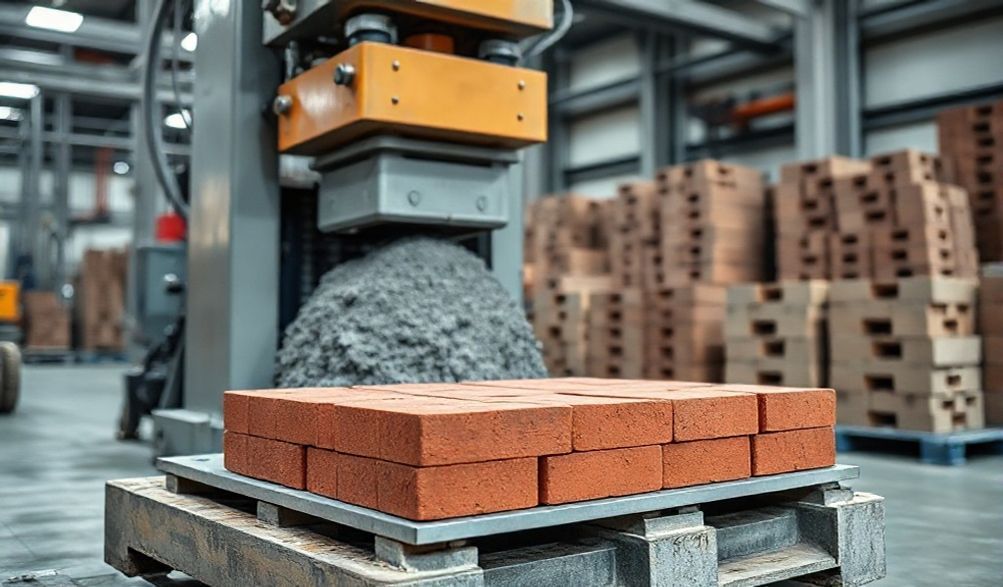
Qalbigeeda, makiinada sameynta boolooyinka waddooyinka waa qalab ku beddelaya isku dheellitirka simento ee dabiiciga ah, qalalan, boolo adag oo qaab sax ah iyadoo loo marayo hab adkeyn iyo gariir. Waxay otomaataysaa iyadoo u samaysa heer qaadash waxa noqon lahaa shaqo murugo badan oo aan joogto ahayn oo gacanta lagu sameeyo, taasoo hubinaysa in bool kasta uu buuxiyo xoogga gaarka ah iyo saamaynta cabbirka.
Aasaaska Hawlgal ee Shaqada
Habka, inkastoo uu si farsameysan loo fuliyo, wuxuu raacaa taxane macquul ah:
1. Isku Dhafka & Quudinta:Qalabka waxaa lagu shubaa isku-dhafka hore ee siman, xabagta (ciid, dhagaxa dhagaxa), iyo midabka (hadii midab leh).
2. Miisaaminta & Qaabaynta:Qiyaas la qiyaasiyay oo ka mid ah isku-darkaan waxaa loo dhiibay godka qolofka (qaabka la doonayo block-gaaga) ee ku yaal pallet bir ah oo adag.
3. Qalabka Dhismaha & Gariirka:Tani waa heerka muhiimka ah. Madaxa riixidda haydhiroolig ah ayaa hoos ugu soo degaya isku-darka halka iyo goobta la isku daro gariir joogto ah oo sare. Tallaabada laba-geesoodka ah ayaa ku qasba hawada iyo xoogaa burburka, abuurista boolo adag oo xoog leh.
4. Demoolin & Bixinta:Madaxa hydraulic-ka ayaa dib ugu laabmaa, qolofka wuxuu kor u kacaa, isagoo ka tagaya baraha cusub ee la sameeyay palletka.
5. Daweynta:Gundhigga, oo weli ku yaal palletkiisa, waa la sii daayaa meel lagu qalajiyo. Halkan, wuxuu sii xoogaa maalmaha ku xiga iyadoo la iska ilaaliyo qoynta iyo heerkulka, hab ka duwan mashiinka laakiin muhiim u ah tayada ugu dambeysa.
Qaybaha Muhiimka ah iyo Doorkooda
Understanding the machine’s anatomy helps in evaluating quality and troubleshooting:
* Hopper:Waxaa laga soo galo isku darka alaabta ee dabiiciga ah. Cabbirkeedu wuxuu go'aamiya inta jeer ay u baahan tahay in la buuxiyo.
* Mold: The interchangeable heart of the machine. It defines the block’s shape, size, and surface pattern (e.g., cobblestone, slate).
* Miiska Gariirka: The platform that holds the mold and pallet. It houses the vibrator motors that provide the essential compaction energy.
* Nidaamka Hydraulic: The powerhouse. It provides the immense pressure for the press head and controls the mold’s movement. The quality of pumps, valves, and cylinders is paramount.
* Qaybta Maamulka: The brain. In semi and fully automatic models, this PLC-based system manages the cycle sequence, vibration time, and pressure settings for consistent output.
Types of Pavement Block Making Machines: Finding Your Perfect Fit
Your choice here fundamentally dictates your production scale, labor model, and business potential. There is no “best” type, only the best fit for your current situation.
Makiinada Dhismo Laamaha Gacanta
Kuwan waa makinaadka caadiga ah ee ugu fudud, kuwa ay dadku gacan ka galiyaan.
* Soo saar Very low, typically 200-500 blocks per 8-hour shift, depending on worker stamina.
* Shaqo: Highly labor-intensive. Requires 2-3 operators for constant filling, pressing, and block removal.
* Applications & Ideal For: Ultra-small startups with minimal capital, community projects, remote locations with no power, or producing specialty, low-volume blocks.
* Fikradda Muhiimsan: While cheap to acquire, the cost-per-block in terms of human labor is the highest. They are a stepping stone, not a long-term growth solution.
Makiinada Yar-Awtoomaatig ah
This category offers the best balance for most small to medium-sized enterprises (SMEs). The core compaction cycle (feed, vibrate, press, lift mold) is automated, but an operator is needed to initiate the cycle, retrieve the filled pallet, and often feed raw material.
* Soo saar Significantly higher than manual, ranging from 800 to 2,500 blocks per 8-hour shift, depending on model and block size.
* Shaqo: Requires 1-2 attentive operators. Their role shifts from brute force to machine supervision and material handling.
* Applications & Ideal For: Growing block yards, contractors supplying local projects, and businesses with variable order sizes. They offer excellent flexibility.
* Fikradda Muhiimsan: The most common “sweet spot” for businesses serious about block manufacturing. They provide automation where it counts most (quality and consistency) while keeping the initial investment manageable.
Makiinada Buug Block Oo Si Toos ah U Sawirta
These are production lines, not just machines. They integrate automatic raw material feeding, pallet circulation, block stacking, and sometimes curing.
* Soo saar High-volume, from 4,000 to over 15,000 blocks per 8-hour shift.
* Shaqo: Minimal. Often just 1-2 operators for monitoring, quality checks, and managing the input/output flow.
* Applications & Ideal For: Large-scale commercial plants supplying city projects, distributors, and markets with constant, high demand.
* Fikradda Muhiimsan: The investment is substantial, not just in the machine but in the plant infrastructure (strong concrete foundation, material silos, large curing area). The ROI is based on massive, consistent volume.
Machinada Goobta ah vs. Kuwa La Wareeji Karo
- Makiinad Joogto ah: The standard. They are installed on a solid foundation in a factory or yard. All semi- and fully-automatic machines are stationary. They offer higher stability, precision, and capacity.
- Mashiinada Mobilka: These are smaller, trailer-mounted units designed for on-site production. They eliminate transport costs for large projects (e.g., paving a remote parking lot) but sacrifice output and block variety. They are niche tools for specific contracting scenarios.
Faa'iidooyinka Muhiimka ah ee Loo Baahan Yahay Ka Hor Intaadan Iibsan
Look beyond the glossy catalog. These factors determine your long-term satisfaction and profitability.
Awoodda Wax Soo Saarka (Buundooyinka Saacadii/Maalin Kasta)
Never buy based on the manufacturer’s peak theoretical output. Ask for the proven output for the specific block type you want to make. A machine may make 1,000 small pavers per hour but only 200 large curbstones.
* Matching to Goals: Calculate your current and projected market demand. A common mistake is overbuying—a massive, underutilized machine is a financial drain. It’s often wiser to start with a capacity you can reliably use and sell, then scale up.
Block Types, Sizes, and Designs
Versatility equals market agility.
* Nidaamka Qalabka Qoriyaha Investigate how easily molds are changed. A quick-change system allows you to switch from producing interlocking pavers to garden edging in under an hour, letting you fulfill diverse orders.
* Cadaad & Gariir Ensure the machine has sufficient hydraulic pressure and vibration force (measured in kN and Hz) to produce thicker, heavier blocks like retaining wall units or solid concrete blocks, even if you start with pavers.
Qalabka Asalka ah ee La Isku Dhalin Karo
The machine only compacts what you feed it. The mix design is 50% of the quality equation.
* Standard Mixes: Most machines are designed for conventional mixes of cement, sand, and 6-10mm aggregates.
* Alternative Materials: If you plan to use fly ash, slag, or even processed plastic waste, discuss this explicitly with the manufacturer. Some machines may require liners or modified hoppers to handle different material flow characteristics. The right vibration frequency is also crucial for non-standard mixes.
Power Requirements and Operational Costs
The sticker price is just the beginning.
* Electrical Load: A semi-automatic machine may require a robust 3-phase connection (e.g., 15-25 HP). Verify your site’s power availability. Inconsistent power can damage electronic controls.
* Cost-Per-Block Analysis: Factor in electricity, wear parts (like mold liners and hydraulic oil), and labor. A slightly more expensive but energy-efficient and reliable machine will often have a lower operational cost per block, which is the true measure of efficiency.
After-Sales Support and Service
This is the most critical, yet most overlooked, factor. A machine is a long-term asset.
* Supplier Reputation: Research the manufacturer’s history. How long have they been in business? Look for client testimonials and, if possible, visit an existing installation.
* La Helitaanka Qaybaha Gadaal Are common wear parts (hydraulic seals, vibrator motors, control relays) readily available locally or through quick shipping? Downtime waiting for a part flown in from overseas can bankrupt a project.
* Technical Training & Warranty: Does the purchase include comprehensive training for your operators on setup, daily operation, and basic troubleshooting? What does the warranty actually cover, and for how long?
Understanding the Investment: Pavement Block Machine Price Range
Prices vary wildly based on automation level, build quality, brand, and region. The figures below are broad, illustrative brackets. Always get multiple, detailed quotations.
Cost Breakdown by Machine Type
| Machine Type | Approximate Price Range (USD) | Key Determinants of Price |
| :— | :— | :— |
| Qoraal | $1,000 – $4,000 | Build quality, material (steel grade), and press mechanism. |
| Nus-awtomaatig ah | $15,000 – $50,000+ | Capacity, level of automation (e.g., auto feeder), hydraulic system brand, control panel sophistication. |
| Oo Dhammeeyad Ah | $60,000 – $250,000+ | Degree of integration (pallet return, robotic stacker), output speed, and brand prestige. |
Crucial Caveat: A $20,000 machine from an unknown supplier is not equivalent to a $25,000 machine from an established brand with local support. The latter is almost always the wiser investment.
Beyond the Sticker Price: Hidden and Recurring Costs
- Initial Hidden Costs: Molds ($500-$2,000 each), spare pallets ($100-$300 each), raw material handling equipment (concrete mixer, loader), installation, and foundation work.
- Recurring Costs: Electricity, regular maintenance supplies (grease, oil), wear parts, and labor.
Calculating Your Return on Investment (ROI)
Use this simplified framework:
1. Total Investment: Machine price + initial hidden costs.
2. Monthly Operating Cost: (Electricity + Labor + Maintenance + Raw Materials) per month.
3. Monthly Revenue: (Number of blocks produced per month) x (Selling price per block in your market).
4. Monthly Gross Profit: Monthly Revenue – Monthly Operating Cost.
5. Simple Payback Period: Total Investment / Monthly Gross Profit.
Tusaale: If your total investment is $30,000 and your monthly gross profit is $3,000, your payback period is approximately 10 months. This is a healthy target for the industry.
Best Practices for Operation and Maintenance
Treat your machine like a prized asset. Proper care prevents 90% of major breakdowns.
Daily and Weekly Maintenance Checklists
Daily (Before/After Shift):
* Lubricate all moving joints and guide rods as per manual.
* Check hydraulic oil level and look for leaks.
* Clean the mold, hopper, and press head of hardened concrete.
* Inspect electrical connections for tightness.
* Check pallets for warping or damage.
Weekly:
* Thoroughly clean the entire machine, including under the vibration table.
* Check the tension of drive belts (if any).
* Inspect mold liners for excessive wear.
* Test safety interlocks and emergency stop functions.
Troubleshooting Common Issues
- Block Breakage (Low Strength): Usually a raw material issue (too much water, poor sand quality, incorrect cement ratio) or insufficient compaction (check vibration motor function and vibration time setting).
- Poor Surface Finish/Sticking in Mold: Caused by a worn mold liner, insufficient mold release agent, or an overly wet mix. Polish or replace the mold liner.
- Slow or Erratic Cycling: Often related to the hydraulic system. Check oil temperature (overheating), filter clogs, or pressure settings. For electronic issues, consult the manual for error codes.
Safety Protocols for Operators
- Lockout/Tagout: Always disconnect power before performing any maintenance or clearing a jam.
- Qalabka Ilaalinta Shakhsi ahaaneed (PPE): Safety glasses, hearing protection (vibration is loud), steel-toe boots, and gloves are mandatory.
- Never Bypass Guards or Safety Interlocks. These are there for a reason.
- Keep Hands Clear: Never reach into the mold area or under the press head while the machine is powered on, even if it appears stopped.
The Future of Pavement Block Production
The industry is moving towards greater efficiency and sustainability.
Trends in Automation and Smart Controls
The next generation of machines features IoT (Internet of Things) sensors that monitor production data in real-time: blocks counted, cycle times, hydraulic pressure, and motor health. This data can be accessed via smartphone, allowing for predictive maintenance (fixing a problem before it causes downtime) and optimizing production flow from anywhere.
Sustainable Practices and Eco-Friendly Machines
The push for green construction is driving innovation:
* Water Recycling Systems: Closed-loop systems that recycle water used for curing and cleaning, drastically reducing consumption.
* Horumarka Qalabka Machines are being adapted to efficiently use high percentages of recycled aggregates, industrial by-products like fly ash, and even post-consumer plastic waste, creating eco-pavers.
* Waxsoorka Tamarta: Variable-frequency drives (VFDs) on motors and pumps are becoming standard, reducing energy consumption by matching power to the actual load.
FAQ Section
Q1: What is the average lifespan of a pavement block making machine?
With proper maintenance and operation, a well-built machine from a reputable manufacturer can last 15-20 years. Key components like the hydraulic system and vibration table may require overhaul or replacement during this time.
Q2: Can one machine produce different block designs?
Absolutely. This is one of the key advantages. By changing the mold (the cavity that shapes the block), the same machine can produce hundreds of different paver patterns, curbstones, and landscaping blocks. Invest in a machine with a user-friendly mold change system.
Q3: How much space is required to install a semi-automatic machine?
As a general rule, you need a clear, covered area of at least 500-800 sq. ft. (approx. 50-75 sq. meters). This accommodates the machine itself, space for pallet movement, a raw material staging area, and a curing area for fresh blocks. Always consult the specific machine’s layout diagram.
Q4: What is the most common reason for block defects, and how can I fix it?
The most common culprit is an inconsistent or incorrect raw material mix. Too much water causes weakness and sticking; poor-quality sand leads to crumbling; incorrect cement ratio affects strength. The fix is to rigorously standardize your mix design and source quality materials. The machine can only compact what you give it.
Q5: Are there financing options available for these machines?
Yes, many established manufacturers and their dealers offer financing plans or can connect you with industrial equipment lenders. Banks may also provide business loans for capital equipment. Be prepared to present a solid business plan.
Q6: How do I find a reputable supplier or manufacturer?
* Industry References: Ask other block manufacturers in non-competing regions for their recommendations.
* Trade Shows: Visit construction equipment expos to see machines in action and talk to engineers.
* Due Diligence: Ask for a list of past clients and actually contact them. Inquire about after-sales service responsiveness. Search online for the company’s name alongside keywords like “reviews” or “complaints.”
* Avoid Red Flags: Extreme low-ball pricing, pressure to pay upfront, and vague warranty terms are major warnings.
Gabagabo
Choosing the right pavement block making machine is a strategic decision that hinges on aligning technology with your business reality. Remember to match the machine type—manual, semi-automatic, or fully automatic—to your true production scale and growth trajectory. Look beyond the initial purchase price to the total cost of ownership, where factors like energy efficiency, maintenance needs, and operational cost-per-block define long-term profitability.
Above all, prioritize the intangible asset of supplier support. A reliable partner for training, spare parts, and technical advice is invaluable insurance for your investment. Use the framework and questions in this guide as your checklist when evaluating options. By investing in the right equipment and knowledge, you’re not just buying a machine; you’re laying the foundation for a durable and successful enterprise in the vital construction materials industry.
<