
الدليل الشامل لآلات صنع بلاط الأرصفة: الأنواع، التكاليف، وكيفية الاختيار
مقدمة
أنت لا تبحث فقط عن آلة؛ بل تبحث عن شريك موثوق لبناء عملك. سواء كنت مقاولًا تهدف إلى إنتاج البلاط داخليًا، أو رائد أعمال تطلق ورشة لتصنيع البلوك، أو مخططًا بلديًا يبحث عن معدات، فإن عالم آلات صنع بلاط الأرصفة يمكن أن يكون معقدًا ومليئًا بالادعاءات المتضاربة. صُمم هذا الدليل لاختراق تلك الضوضاء.
البلاطات الرصيفية - من البلاطات المتشابكة الأنيقة إلى أحجار الرصيف المتينة - تشكل العمود الفقري للمشاهد الطبيعية الحديثة والممرات والبنية التحتية الحضرية. والآلات التي تنتجها هي محرك عملية مربحة وفعالة. لكن اختيار الآلة الخاطئة يمكن أن يؤدي إلى توقف مدمر، وجودة غير متسقة، وضغوط مالية.
صُمِّم هذا الدليل الشامل من رؤى صناعية ومعرفة عملية ليكون مصدرك الموثوق. سنتجاوز كتيبات المبيعات لنشرح الوظائف الأساسية، نحلل التكاليف الحقيقية، ونوفر إطاراً واضحاً لاتخاذ القرار. هدفنا هو تجهيزك بالخبرة اللازمة لاتخاذ استثمار واثق ومستنير يتوافق مع أهدافك الإنتاجية وميزانيتك.
ما هي آلة صنع بلاط الأرصفة؟ شرح الوظيفة الأساسية
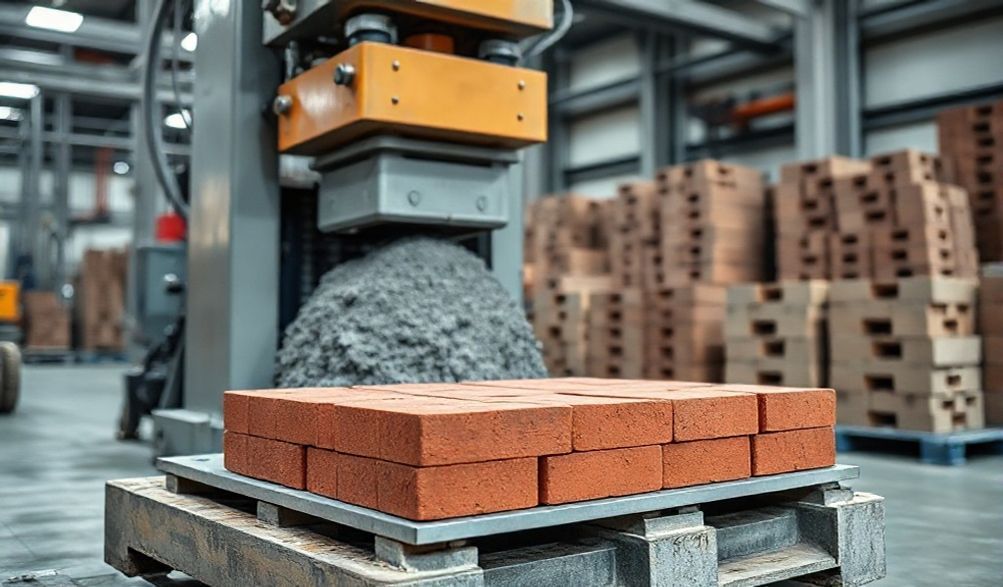
في جوهره، فإن آلة صنع بلاط الأرصفة هي جهاز يحول خليط الخرسانة الجاف الخام إلى بلاطة كثيفة الشكل بدقة من خلال عملية الضغط والاهتزاز. فهي تؤتمت وتوحّد ما كان سيكون مهمة يدوية شاقة وغير متسقة، مما يضمن استيفاء كل بلاطة لمواصفات القوة والتسامحات الأبعاد المحددة.
المبدأ الأساسي للعمل
العملية، رغم تعقيدها في التنفيذ، تتبع تسلسلاً منطقياً:
1. الخلط والتغذية:يتم تحميل مزيج مُعد مسبقاً من الأسمنت والركام (الرمل، قطع الحجر) والصبغة (إذا كان ملوناً) في قادوس الآلة.
2. القياس والتشكيل:يتم تغذية كمية محددة من هذا الخليط في تجويف القالب (شكل الكتلة المطلوبة) الموضوعة على منصة فولاذية متينة.
3. الدمك والاهتزاز:هذه هي المرحلة الحرجة. ينزل رأس المكبس الهيدروليكي على الخليط بينما يتم تطبيق اهتزاز عالي التردد في الوقت نفسه. هذا الفعل المزدوج يطرد جيوب الهواء ويضغط الجزيئات، مما يخلق كتلة كثيفة وقوية.
4. إزالة القالب والطرد:يتراجع الرأس الهيدروليكي، ويرتفع القالب، تاركًا البلوكة الطازجة التشكيل على المنصة.
5. التداوييتم نقل الكتلة، التي لا تزال على منصة النقل، إلى منطقة المعالجة. هنا تكتسب القوة على مدار أيام من خلال التحكم في الرطوبة ودرجة الحرارة، وهي عملية منفصلة عن الآلة ولكنها ضرورية للجودة النهائية.
المكونات الرئيسية وأدوارها
فهم تشريح الآلة يساعد في تقييم الجودة وحل المشكلات.
* هوبر:نقطة دخول خليط المواد الخام. حجمها يحدد عدد مرات إعادة تعبئتها.
* عفن:القلب القابل للتبادل في الآلة. فهو يحدد شكل الكتلة، وحجمها، ونمط سطحها (مثل حصاة الرصف، أو الأردواز).
* طاولة الاهتزاز:المنصة التي تحمل القالب والمنصة الخشبية. وهي تضم محركات الاهتزاز التي توفر طاقة الدك الأساسية.
* النظام الهيدروليكي:محطة الطاقة. توفر الضغط الهائل لرأس المكبس وتتحكم في حركة القالب. جودة المضخات والصمامات والأسطوانات أمر بالغ الأهمية.
* لوحة التحكم:الدماغ. في النماذج شبه الآلية والكاملة الآلية، يدير نظام التحكم المنطقي القابل للبرمجة (PLC) هذا تسلسل الدورة، ووقت الاهتزاز، وإعدادات الضغط لضمان إنتاج متسق.
أنواع آلات صناعة بلاط الأرصفة: إيجاد الأنسب لك
اختيارك هنا يحدد بشكل أساسي حجم إنتاجك، ونموذج العمل، والإمكانات التجارية. لا يوجد نوع "أفضل"، بل الأنسب لوضعك الحالي.
آلات صناعة الطوب اليدوية
هذه هي المكابس الأكثر أساسية، والتي تعمل بالطاقة البشرية.
* الإخراج:منخفض جداً، عادةً 200-500 قطعة لكل وردية عمل مدتها 8 ساعات، اعتماداً على قدرة تحمل العامل.
* العمل Highly labor-intensive. Requires 2-3 operators for constant filling, pressing, and block removal.
* Applications & Ideal For: Ultra-small startups with minimal capital, community projects, remote locations with no power, or producing specialty, low-volume blocks.
* الفكرة الرئيسية: While cheap to acquire, the cost-per-block in terms of human labor is the highest. They are a stepping stone, not a long-term growth solution.
آلات شبه آلية
This category offers the best balance for most small to medium-sized enterprises (SMEs). The core compaction cycle (feed, vibrate, press, lift mold) is automated, but an operator is needed to initiate the cycle, retrieve the filled pallet, and often feed raw material.
* الإخراج: Significantly higher than manual, ranging from 800 to 2,500 blocks per 8-hour shift, depending on model and block size.
* العمل Requires 1-2 attentive operators. Their role shifts from brute force to machine supervision and material handling.
* Applications & Ideal For: Growing block yards, contractors supplying local projects, and businesses with variable order sizes. They offer excellent flexibility.
* الفكرة الرئيسية: The most common “sweet spot” for businesses serious about block manufacturing. They provide automation where it counts most (quality and consistency) while keeping the initial investment manageable.
آلات صناعة البلوك الآلية بالكامل
These are production lines, not just machines. They integrate automatic raw material feeding, pallet circulation, block stacking, and sometimes curing.
* الإخراج: High-volume, from 4,000 to over 15,000 blocks per 8-hour shift.
* العمل Minimal. Often just 1-2 operators for monitoring, quality checks, and managing the input/output flow.
* Applications & Ideal For: Large-scale commercial plants supplying city projects, distributors, and markets with constant, high demand.
* الفكرة الرئيسية: The investment is substantial, not just in the machine but in the plant infrastructure (strong concrete foundation, material silos, large curing area). The ROI is based on massive, consistent volume.
آلات البلوك الثابتة مقابل آلات البلوك المتنقلة
- الآلات الثابتة: The standard. They are installed on a solid foundation in a factory or yard. All semi- and fully-automatic machines are stationary. They offer higher stability, precision, and capacity.
- الآلات المتنقلة: These are smaller, trailer-mounted units designed for on-site production. They eliminate transport costs for large projects (e.g., paving a remote parking lot) but sacrifice output and block variety. They are niche tools for specific contracting scenarios.
عوامل حاسمة يجب مراعاتها قبل الشراء
Look beyond the glossy catalog. These factors determine your long-term satisfaction and profitability.
القدرة الإنتاجية (الكتل في الساعة / اليوم)
Never buy based on the manufacturer’s peak theoretical output. Ask for the proven output for the specific block type you want to make. A machine may make 1,000 small pavers per hour but only 200 large curbstones.
* مطابقة للأهداف: Calculate your current and projected market demand. A common mistake is overbuying—a massive, underutilized machine is a financial drain. It’s often wiser to start with a capacity you can reliably use and sell, then scale up.
Block Types, Sizes, and Designs
Versatility equals market agility.
* نظام القالب Investigate how easily molds are changed. A quick-change system allows you to switch from producing interlocking pavers to garden edging in under an hour, letting you fulfill diverse orders.
* الضغط والاهتزاز: Ensure the machine has sufficient hydraulic pressure and vibration force (measured in kN and Hz) to produce thicker, heavier blocks like retaining wall units or solid concrete blocks, even if you start with pavers.
توافق المواد الخام
The machine only compacts what you feed it. The mix design is 50% of the quality equation.
* Standard Mixes: Most machines are designed for conventional mixes of cement, sand, and 6-10mm aggregates.
* Alternative Materials: If you plan to use fly ash, slag, or even processed plastic waste, discuss this explicitly with the manufacturer. Some machines may require liners or modified hoppers to handle different material flow characteristics. The right vibration frequency is also crucial for non-standard mixes.
متطلبات الطاقة وتكاليف التشغيل
The sticker price is just the beginning.
* Electrical Load: A semi-automatic machine may require a robust 3-phase connection (e.g., 15-25 HP). Verify your site’s power availability. Inconsistent power can damage electronic controls.
* Cost-Per-Block Analysis: Factor in electricity, wear parts (like mold liners and hydraulic oil), and labor. A slightly more expensive but energy-efficient and reliable machine will often have a lower operational cost per block, which is the true measure of efficiency.
After-Sales Support and Service
This is the most critical, yet most overlooked, factor. A machine is a long-term asset.
* Supplier Reputation: Research the manufacturer’s history. How long have they been in business? Look for client testimonials and, if possible, visit an existing installation.
* توفر قطع الغيار Are common wear parts (hydraulic seals, vibrator motors, control relays) readily available locally or through quick shipping? Downtime waiting for a part flown in from overseas can bankrupt a project.
* Technical Training & Warranty: Does the purchase include comprehensive training for your operators on setup, daily operation, and basic troubleshooting? What does the warranty actually cover, and for how long?
Understanding the Investment: Pavement Block Machine Price Range
Prices vary wildly based on automation level, build quality, brand, and region. The figures below are broad, illustrative brackets. Always get multiple, detailed quotations.
Cost Breakdown by Machine Type
| Machine Type | Approximate Price Range (USD) | Key Determinants of Price |
| :— | :— | :— |
| يدوي | $1,000 – $4,000 | Build quality, material (steel grade), and press mechanism. |
| شبه آلي | $15,000 – $50,000+ | Capacity, level of automation (e.g., auto feeder), hydraulic system brand, control panel sophistication. |
| تلقائي بالكامل | $60,000 – $250,000+ | Degree of integration (pallet return, robotic stacker), output speed, and brand prestige. |
Crucial Caveat: A $20,000 machine from an unknown supplier is not equivalent to a $25,000 machine from an established brand with local support. The latter is almost always the wiser investment.
Beyond the Sticker Price: Hidden and Recurring Costs
- Initial Hidden Costs: Molds ($500-$2,000 each), spare pallets ($100-$300 each), raw material handling equipment (concrete mixer, loader), installation, and foundation work.
- Recurring Costs: Electricity, regular maintenance supplies (grease, oil), wear parts, and labor.
Calculating Your Return on Investment (ROI)
Use this simplified framework:
1. Total Investment: Machine price + initial hidden costs.
2. Monthly Operating Cost: (Electricity + Labor + Maintenance + Raw Materials) per month.
3. Monthly Revenue: (Number of blocks produced per month) x (Selling price per block in your market).
4. Monthly Gross Profit: Monthly Revenue – Monthly Operating Cost.
5. Simple Payback Period: Total Investment / Monthly Gross Profit.
مثال: If your total investment is $30,000 and your monthly gross profit is $3,000, your payback period is approximately 10 months. This is a healthy target for the industry.
Best Practices for Operation and Maintenance
Treat your machine like a prized asset. Proper care prevents 90% of major breakdowns.
Daily and Weekly Maintenance Checklists
Daily (Before/After Shift):
* Lubricate all moving joints and guide rods as per manual.
* Check hydraulic oil level and look for leaks.
* Clean the mold, hopper, and press head of hardened concrete.
* Inspect electrical connections for tightness.
* Check pallets for warping or damage.
Weekly:
* Thoroughly clean the entire machine, including under the vibration table.
* Check the tension of drive belts (if any).
* Inspect mold liners for excessive wear.
* Test safety interlocks and emergency stop functions.
Troubleshooting Common Issues
- Block Breakage (Low Strength): Usually a raw material issue (too much water, poor sand quality, incorrect cement ratio) or insufficient compaction (check vibration motor function and vibration time setting).
- Poor Surface Finish/Sticking in Mold: Caused by a worn mold liner, insufficient mold release agent, or an overly wet mix. Polish or replace the mold liner.
- Slow or Erratic Cycling: Often related to the hydraulic system. Check oil temperature (overheating), filter clogs, or pressure settings. For electronic issues, consult the manual for error codes.
Safety Protocols for Operators
- Lockout/Tagout: Always disconnect power before performing any maintenance or clearing a jam.
- معدات الحماية الشخصية (PPE): Safety glasses, hearing protection (vibration is loud), steel-toe boots, and gloves are mandatory.
- Never Bypass Guards or Safety Interlocks. These are there for a reason.
- Keep Hands Clear: Never reach into the mold area or under the press head while the machine is powered on, even if it appears stopped.
The Future of Pavement Block Production
The industry is moving towards greater efficiency and sustainability.
Trends in Automation and Smart Controls
The next generation of machines features IoT (Internet of Things) sensors that monitor production data in real-time: blocks counted, cycle times, hydraulic pressure, and motor health. This data can be accessed via smartphone, allowing for predictive maintenance (fixing a problem before it causes downtime) and optimizing production flow from anywhere.
Sustainable Practices and Eco-Friendly Machines
The push for green construction is driving innovation:
* Water Recycling Systems: Closed-loop systems that recycle water used for curing and cleaning, drastically reducing consumption.
* الابتكار في المواد: Machines are being adapted to efficiently use high percentages of recycled aggregates, industrial by-products like fly ash, and even post-consumer plastic waste, creating eco-pavers.
* كفاءة الطاقة: Variable-frequency drives (VFDs) on motors and pumps are becoming standard, reducing energy consumption by matching power to the actual load.
FAQ Section
Q1: What is the average lifespan of a pavement block making machine?
With proper maintenance and operation, a well-built machine from a reputable manufacturer can last 15-20 years. Key components like the hydraulic system and vibration table may require overhaul or replacement during this time.
Q2: Can one machine produce different block designs?
Absolutely. This is one of the key advantages. By changing the mold (the cavity that shapes the block), the same machine can produce hundreds of different paver patterns, curbstones, and landscaping blocks. Invest in a machine with a user-friendly mold change system.
Q3: How much space is required to install a semi-automatic machine?
As a general rule, you need a clear, covered area of at least 500-800 sq. ft. (approx. 50-75 sq. meters). This accommodates the machine itself, space for pallet movement, a raw material staging area, and a curing area for fresh blocks. Always consult the specific machine’s layout diagram.
Q4: What is the most common reason for block defects, and how can I fix it?
The most common culprit is an inconsistent or incorrect raw material mix. Too much water causes weakness and sticking; poor-quality sand leads to crumbling; incorrect cement ratio affects strength. The fix is to rigorously standardize your mix design and source quality materials. The machine can only compact what you give it.
Q5: Are there financing options available for these machines?
Yes, many established manufacturers and their dealers offer financing plans or can connect you with industrial equipment lenders. Banks may also provide business loans for capital equipment. Be prepared to present a solid business plan.
Q6: How do I find a reputable supplier or manufacturer?
* Industry References: Ask other block manufacturers in non-competing regions for their recommendations.
* Trade Shows: Visit construction equipment expos to see machines in action and talk to engineers.
* Due Diligence: Ask for a list of past clients and actually contact them. Inquire about after-sales service responsiveness. Search online for the company’s name alongside keywords like “reviews” or “complaints.”
* Avoid Red Flags: Extreme low-ball pricing, pressure to pay upfront, and vague warranty terms are major warnings.
خاتمة
Choosing the right pavement block making machine is a strategic decision that hinges on aligning technology with your business reality. Remember to match the machine type—manual, semi-automatic, or fully automatic—to your true production scale and growth trajectory. Look beyond the initial purchase price to the total cost of ownership, where factors like energy efficiency, maintenance needs, and operational cost-per-block define long-term profitability.
Above all, prioritize the intangible asset of supplier support. A reliable partner for training, spare parts, and technical advice is invaluable insurance for your investment. Use the framework and questions in this guide as your checklist when evaluating options. By investing in the right equipment and knowledge, you’re not just buying a machine; you’re laying the foundation for a durable and successful enterprise in the vital construction materials industry.
<