
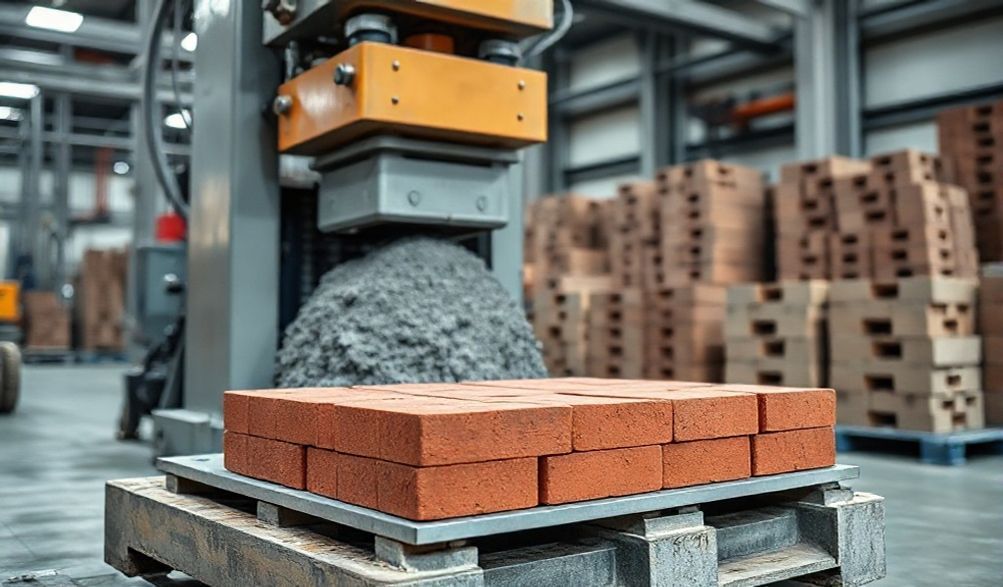
포장 블록 제조 기계의 궁극적인 가이드: 종류, 비용 및 선택 방법
소개
당신은 단순히 기계를 찾는 것이 아니라, 사업을 구축할 신뢰할 수 있는 파트너를 찾고 있습니다. 계약업체로서 생산을 사내로 가져오려는 목적이든, 블록 제조 공장을 시작하려는 기업가이든, 장비를 조달하는 시정 계획가이든, 포장 블록 제조 기계의 세계는 복잡하고 상충되는 주장들로 가득할 수 있습니다. 이 가이드는 그런 혼란을 뚫고 나가도록 설계되었습니다.
포장 블록—우아한 인터록킹 포장석부터 튼튼한 연석까지—는 현대적 경관, 진입로, 도시 인프라의 중추를 형성합니다. 이들을 생산하는 기계는 수익성 있고 효율적인 운영의 엔진과 같습니다. 그러나 잘못된 기계를 선택하면 치명적인 가동 중단, 일관성 없는 품질, 재정적 압박으로 이어질 수 있습니다.
업계 통찰력과 실무 지식을 바탕으로 제작된 이 포괄적인 가이드는 신뢰할 수 있는 정보원으로 여러분을 안내합니다. 판매 브로셔를 넘어 핵심 기능을 설명하고, 실제 비용을 세분화하며, 의사 결정을 위한 명확한 틀을 제공할 것입니다. 우리의 목표는 생산 목표와 예산에 부합하는 확신에 찬, 정보에 기반한 투자를 할 수 있도록 필요한 전문 지식을 갖추게 하는 것입니다.
포장 블록 제조 기계란 무엇인가? 핵심 기능 설명
그 핵심에서, 포장 블록 제작 기계는 압축과 진동 과정을 통해 원료인 건조 콘크리트 혼합물을 조밀하고 정밀하게 성형된 블록으로 변환하는 장치입니다. 이 기계는 노동 집약적이고 일관성 없는 수작업을 자동화하고 표준화하여 각 블록이 특정 강도와 치수 허용 오차를 충족하도록 보장합니다.
기본 작동 원리
이 과정은 실행에 있어 정교하지만, 논리적인 순서를 따릅니다.
1. 혼합 및 급여시멘트, 골재(모래, 돌 조각), 그리고 색소(색상이 있는 경우)가 미리 혼합된 조합물이 기계의 호퍼에 적재됩니다.
2. 미터링 및 성형:이 혼합물의 정량된 양이 튼튼한 강철 팔레트 위에 위치한 금형 캐비티(원하는 블록의 모양)로 공급됩니다.
3. 압축 및 진동:이것이 결정적인 단계입니다. 유압 프레스 헤드가 혼합물 위로 내려오는 동시에 고주파 진동이 가해집니다. 이 이중 작용은 공기 주머니를 제거하고 입자를 압축하여, 밀도 높고 강력한 블록을 만들어냅니다.
4. 탈형 및 이젝션:유압 헤드가 후퇴하고, 몰드가 상승하여 새로 성형된 블록을 팔레트 위에 남깁니다.
5. 치유:블록은 여전히 팔레트 위에 놓인 채 경화 구역으로 이동됩니다. 여기서 블록은 수분과 온도를 통제된 상태로 유지하며 수일 동안 강도를 얻는데, 이 과정은 기계와는 별개이지만 최종 품질에 필수적입니다.
주요 구성 요소와 그 역할
기계의 구조를 이해하면 품질 평가와 문제 해결에 도움이 됩니다.
* 호퍼:원료 혼합물의 투입구입니다. 크기에 따라 재충전 빈도가 결정됩니다.
* 곰팡이기계의 교체 가능한 심장. 그것은 블록의 모양, 크기, 그리고 표면 패턴(예: 조약돌, 슬레이트)을 정의합니다.
* 진동 테이블:몰드와 팔레트를 고정하는 플랫폼입니다. 여기에는 필수적인 다짐 에너지를 제공하는 진동기 모터가 장착되어 있습니다.
* 유압 시스템:파워하우스. 프레스 헤드에 막대한 압력을 제공하고 금형의 움직임을 제어합니다. 펌프, 밸브, 실린더의 품질이 가장 중요합니다.
* 제어판두뇌. 반자동 및 완전 자동 모델에서 이 PLC 기반 시스템은 일관된 출력을 위해 사이클 순서, 진동 시간 및 압력 설정을 관리합니다.
포장 블록 제조 기계의 종류: 당신에게 딱 맞는 기계 찾기
여기서의 선택은 근본적으로 생산 규모, 노동 모델, 그리고 사업 잠재력을 결정짓습니다. "최고"의 유형은 없으며, 오직 현재 상황에 가장 적합한 것만 있을 뿐입니다.
수동 블록 제조 기계
이것들은 가장 기본적인, 인력으로 작동하는 압착기입니다.
* 출력:매우 낮음, 일반적으로 근로자의 체력에 따라 8시간 교대당 200~500 블록입니다.
* 노동매우 노동 집약적입니다. 지속적인 충전, 압착 및 블록 제거를 위해 2~3명의 작업자가 필요합니다.
* 응용 분야 및 이상적인 용도: Ultra-small startups with minimal capital, community projects, remote locations with no power, or producing specialty, low-volume blocks.
* 핵심 통찰: While cheap to acquire, the cost-per-block in terms of human labor is the highest. They are a stepping stone, not a long-term growth solution.
반자동 기계
This category offers the best balance for most small to medium-sized enterprises (SMEs). The core compaction cycle (feed, vibrate, press, lift mold) is automated, but an operator is needed to initiate the cycle, retrieve the filled pallet, and often feed raw material.
* 출력: Significantly higher than manual, ranging from 800 to 2,500 blocks per 8-hour shift, depending on model and block size.
* 노동 Requires 1-2 attentive operators. Their role shifts from brute force to machine supervision and material handling.
* 응용 분야 및 이상적인 용도: Growing block yards, contractors supplying local projects, and businesses with variable order sizes. They offer excellent flexibility.
* 핵심 통찰: The most common “sweet spot” for businesses serious about block manufacturing. They provide automation where it counts most (quality and consistency) while keeping the initial investment manageable.
완전 자동 블록 제작 기계
These are production lines, not just machines. They integrate automatic raw material feeding, pallet circulation, block stacking, and sometimes curing.
* 출력: High-volume, from 4,000 to over 15,000 blocks per 8-hour shift.
* 노동 Minimal. Often just 1-2 operators for monitoring, quality checks, and managing the input/output flow.
* 응용 분야 및 이상적인 용도: Large-scale commercial plants supplying city projects, distributors, and markets with constant, high demand.
* 핵심 통찰: The investment is substantial, not just in the machine but in the plant infrastructure (strong concrete foundation, material silos, large curing area). The ROI is based on massive, consistent volume.
고정식 vs 이동식 블록 기계
- 고정식 기계 The standard. They are installed on a solid foundation in a factory or yard. All semi- and fully-automatic machines are stationary. They offer higher stability, precision, and capacity.
- 모바일 머신: These are smaller, trailer-mounted units designed for on-site production. They eliminate transport costs for large projects (e.g., paving a remote parking lot) but sacrifice output and block variety. They are niche tools for specific contracting scenarios.
구매하기 전에 고려해야 할 핵심 요소들
Look beyond the glossy catalog. These factors determine your long-term satisfaction and profitability.
생산 능력 (시간당/일당 블록 수)
Never buy based on the manufacturer’s peak theoretical output. Ask for the proven output for the specific block type you want to make. A machine may make 1,000 small pavers per hour but only 200 large curbstones.
* 목표에 맞추기 Calculate your current and projected market demand. A common mistake is overbuying—a massive, underutilized machine is a financial drain. It’s often wiser to start with a capacity you can reliably use and sell, then scale up.
Block Types, Sizes, and Designs
Versatility equals market agility.
* 금형 시스템: Investigate how easily molds are changed. A quick-change system allows you to switch from producing interlocking pavers to garden edging in under an hour, letting you fulfill diverse orders.
* 압력과 진동: Ensure the machine has sufficient hydraulic pressure and vibration force (measured in kN and Hz) to produce thicker, heavier blocks like retaining wall units or solid concrete blocks, even if you start with pavers.
원자재 호환성
The machine only compacts what you feed it. The mix design is 50% of the quality equation.
* Standard Mixes: Most machines are designed for conventional mixes of cement, sand, and 6-10mm aggregates.
* Alternative Materials: If you plan to use fly ash, slag, or even processed plastic waste, discuss this explicitly with the manufacturer. Some machines may require liners or modified hoppers to handle different material flow characteristics. The right vibration frequency is also crucial for non-standard mixes.
전력 요구 사항 및 운영 비용
The sticker price is just the beginning.
* Electrical Load: A semi-automatic machine may require a robust 3-phase connection (e.g., 15-25 HP). Verify your site’s power availability. Inconsistent power can damage electronic controls.
* Cost-Per-Block Analysis: Factor in electricity, wear parts (like mold liners and hydraulic oil), and labor. A slightly more expensive but energy-efficient and reliable machine will often have a lower operational cost per block, which is the true measure of efficiency.
After-Sales Support and Service
This is the most critical, yet most overlooked, factor. A machine is a long-term asset.
* Supplier Reputation: Research the manufacturer’s history. How long have they been in business? Look for client testimonials and, if possible, visit an existing installation.
* 예비 부품 가용성: Are common wear parts (hydraulic seals, vibrator motors, control relays) readily available locally or through quick shipping? Downtime waiting for a part flown in from overseas can bankrupt a project.
* Technical Training & Warranty: Does the purchase include comprehensive training for your operators on setup, daily operation, and basic troubleshooting? What does the warranty actually cover, and for how long?
Understanding the Investment: Pavement Block Machine Price Range
Prices vary wildly based on automation level, build quality, brand, and region. The figures below are broad, illustrative brackets. Always get multiple, detailed quotations.
Cost Breakdown by Machine Type
| Machine Type | Approximate Price Range (USD) | Key Determinants of Price |
| :— | :— | :— |
| 매뉴얼 | $1,000 – $4,000 | Build quality, material (steel grade), and press mechanism. |
| 반자동 | $15,000 – $50,000+ | Capacity, level of automation (e.g., auto feeder), hydraulic system brand, control panel sophistication. |
| 완전 자동 | $60,000 – $250,000+ | Degree of integration (pallet return, robotic stacker), output speed, and brand prestige. |
Crucial Caveat: A $20,000 machine from an unknown supplier is not equivalent to a $25,000 machine from an established brand with local support. The latter is almost always the wiser investment.
Beyond the Sticker Price: Hidden and Recurring Costs
- Initial Hidden Costs: Molds ($500-$2,000 each), spare pallets ($100-$300 each), raw material handling equipment (concrete mixer, loader), installation, and foundation work.
- Recurring Costs: Electricity, regular maintenance supplies (grease, oil), wear parts, and labor.
Calculating Your Return on Investment (ROI)
Use this simplified framework:
1. Total Investment: Machine price + initial hidden costs.
2. Monthly Operating Cost: (Electricity + Labor + Maintenance + Raw Materials) per month.
3. Monthly Revenue: (Number of blocks produced per month) x (Selling price per block in your market).
4. Monthly Gross Profit: Monthly Revenue – Monthly Operating Cost.
5. Simple Payback Period: Total Investment / Monthly Gross Profit.
예시: If your total investment is $30,000 and your monthly gross profit is $3,000, your payback period is approximately 10 months. This is a healthy target for the industry.
Best Practices for Operation and Maintenance
Treat your machine like a prized asset. Proper care prevents 90% of major breakdowns.
Daily and Weekly Maintenance Checklists
Daily (Before/After Shift):
* Lubricate all moving joints and guide rods as per manual.
* Check hydraulic oil level and look for leaks.
* Clean the mold, hopper, and press head of hardened concrete.
* Inspect electrical connections for tightness.
* Check pallets for warping or damage.
Weekly:
* Thoroughly clean the entire machine, including under the vibration table.
* Check the tension of drive belts (if any).
* Inspect mold liners for excessive wear.
* Test safety interlocks and emergency stop functions.
Troubleshooting Common Issues
- Block Breakage (Low Strength): Usually a raw material issue (too much water, poor sand quality, incorrect cement ratio) or insufficient compaction (check vibration motor function and vibration time setting).
- Poor Surface Finish/Sticking in Mold: Caused by a worn mold liner, insufficient mold release agent, or an overly wet mix. Polish or replace the mold liner.
- Slow or Erratic Cycling: Often related to the hydraulic system. Check oil temperature (overheating), filter clogs, or pressure settings. For electronic issues, consult the manual for error codes.
Safety Protocols for Operators
- Lockout/Tagout: Always disconnect power before performing any maintenance or clearing a jam.
- 개인보호장비(PPE) Safety glasses, hearing protection (vibration is loud), steel-toe boots, and gloves are mandatory.
- Never Bypass Guards or Safety Interlocks. These are there for a reason.
- Keep Hands Clear: Never reach into the mold area or under the press head while the machine is powered on, even if it appears stopped.
The Future of Pavement Block Production
The industry is moving towards greater efficiency and sustainability.
Trends in Automation and Smart Controls
The next generation of machines features IoT (Internet of Things) sensors that monitor production data in real-time: blocks counted, cycle times, hydraulic pressure, and motor health. This data can be accessed via smartphone, allowing for predictive maintenance (fixing a problem before it causes downtime) and optimizing production flow from anywhere.
Sustainable Practices and Eco-Friendly Machines
The push for green construction is driving innovation:
* Water Recycling Systems: Closed-loop systems that recycle water used for curing and cleaning, drastically reducing consumption.
* 소재 혁신: Machines are being adapted to efficiently use high percentages of recycled aggregates, industrial by-products like fly ash, and even post-consumer plastic waste, creating eco-pavers.
* 에너지 효율 Variable-frequency drives (VFDs) on motors and pumps are becoming standard, reducing energy consumption by matching power to the actual load.
FAQ Section
Q1: What is the average lifespan of a pavement block making machine?
With proper maintenance and operation, a well-built machine from a reputable manufacturer can last 15-20 years. Key components like the hydraulic system and vibration table may require overhaul or replacement during this time.
Q2: Can one machine produce different block designs?
Absolutely. This is one of the key advantages. By changing the mold (the cavity that shapes the block), the same machine can produce hundreds of different paver patterns, curbstones, and landscaping blocks. Invest in a machine with a user-friendly mold change system.
Q3: How much space is required to install a semi-automatic machine?
As a general rule, you need a clear, covered area of at least 500-800 sq. ft. (approx. 50-75 sq. meters). This accommodates the machine itself, space for pallet movement, a raw material staging area, and a curing area for fresh blocks. Always consult the specific machine’s layout diagram.
Q4: What is the most common reason for block defects, and how can I fix it?
The most common culprit is an inconsistent or incorrect raw material mix. Too much water causes weakness and sticking; poor-quality sand leads to crumbling; incorrect cement ratio affects strength. The fix is to rigorously standardize your mix design and source quality materials. The machine can only compact what you give it.
Q5: Are there financing options available for these machines?
Yes, many established manufacturers and their dealers offer financing plans or can connect you with industrial equipment lenders. Banks may also provide business loans for capital equipment. Be prepared to present a solid business plan.
Q6: How do I find a reputable supplier or manufacturer?
* Industry References: Ask other block manufacturers in non-competing regions for their recommendations.
* Trade Shows: Visit construction equipment expos to see machines in action and talk to engineers.
* Due Diligence: Ask for a list of past clients and actually contact them. Inquire about after-sales service responsiveness. Search online for the company’s name alongside keywords like “reviews” or “complaints.”
* Avoid Red Flags: Extreme low-ball pricing, pressure to pay upfront, and vague warranty terms are major warnings.
결론
Choosing the right pavement block making machine is a strategic decision that hinges on aligning technology with your business reality. Remember to match the machine type—manual, semi-automatic, or fully automatic—to your true production scale and growth trajectory. Look beyond the initial purchase price to the total cost of ownership, where factors like energy efficiency, maintenance needs, and operational cost-per-block define long-term profitability.
Above all, prioritize the intangible asset of supplier support. A reliable partner for training, spare parts, and technical advice is invaluable insurance for your investment. Use the framework and questions in this guide as your checklist when evaluating options. By investing in the right equipment and knowledge, you’re not just buying a machine; you’re laying the foundation for a durable and successful enterprise in the vital construction materials industry.
<