
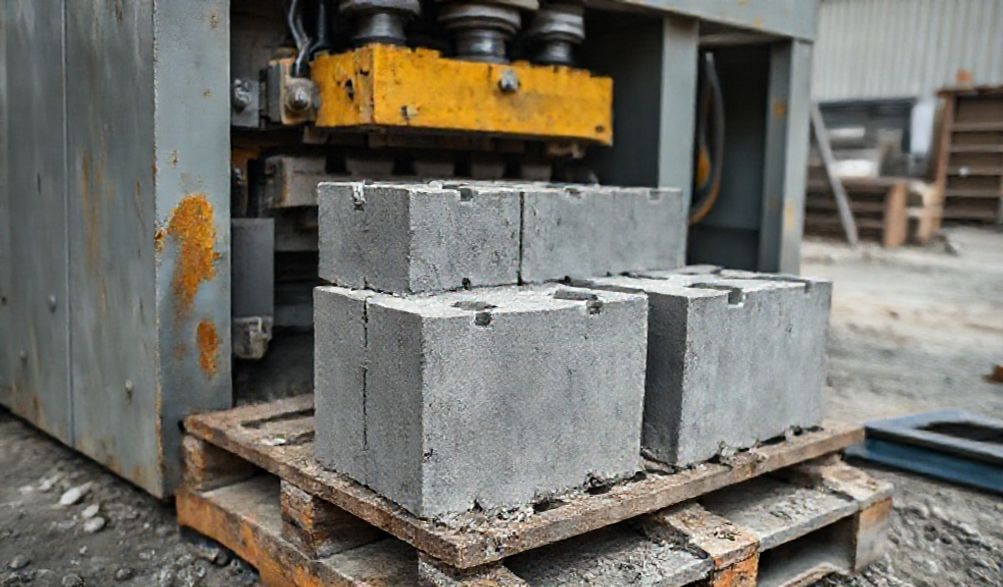
Синдер блокларын ясагч машиналар боюнча акыркы гулдрук: түрлери, баасы жана кантип тандоо кереклиги
Gurluşyk kompaniýalary, pudakçylar ýa-da gurluş materiallary pudagynda işe başlamak isleýän telekeçiler üçin, şlak bloklarynyň bahasy we üpjünçiligi uly kynçylyk bolup biler. Ýokary hilli bloklary talap boýunça öndürip, üpjünçilik zynjyryny dolandyryp, täze girdeji çeşmelerini açyp bilseňiz nähili bolardy?
Bu gollanma, onlarca ýyllyk senagat tejribesine daýanyp, şlak blok ýasama maşynlarynyň syrlaryny aýdyňlaşdyrýar. Biz marketing terminologiýasyny geçip, size ygtybarly we amaly maglumatlary berip, bilimli maýa goýum etmegiňize kömek ederis.
Siz maşynlaryň dürli görnüşleri (el bilen işleýäninden doly awtomatiklerine çenli), önümçilik kuwwaty we blok görnüşleri ýaly esasy faktorlar, real baha düzümi we öz ýörite taslamanyzy ýa-da iş maksatlaryňyzy üçin ideal maşyny saýlamak üçin ädim-ädim gollanma barada öwrenersiňiz.
Siz araşdırýaňyzdaКирпич ясаý станокларыkiçi daýhan hojalygy ýa-da uly öndürijilik desgasy üçin bolsun, bu gollanma siziň başlangyç nokadyňyzdyr.
Sinder blok ýasama maşyny näme? Esasy funksiýasy we peýdalary
Esasynda, şlak blok ýasama maşyny, sement we agrega goşundysyndan yzygiderli we berk gurluş birliklerini düzüp taýýarlamak prosesini awtomatlaşdyrýan enjamdyr. Amalda, "şlak blok" diýen at köplenç "beton blok" diýen at bilen çalyşylýar, şonda-da geleneksel şlaklar (uçýan kül) şu günlerde daş ýa-da çägel agrega goşundylaryndan az duş gelýär.
Bu enjamlaryň nädip işleýändigini we olaryň peýdalaryny düşünmek, akylly satyn almagyň ilkinji ädimidir.
Esasy Işleýiş Prinsipi
Bu proses, awtomatlaşdyryş derejesine görä üýtgese-de, yzygiderli mehaniki prinsip boýunça amala aşyrylýar:
- Gatnaşdyrmak:Sement, agregatlar (mysal üçin, gum, çakyl ýa-da döwülen daş) we suw birleşdirilip, ýary-gurak beton goşundy emele getirilýär. Düzümiň takyk gatnaşygy güýjüň üçin ähmiýetlidir.
- Galyplama:Бул аралашма блоктың формасын (мисалы, ичі бош, массив) анықлай турган калып көңдөйүне салынат.
- Ыкдырыш (Титреме):Ýokary tezlikli titreme ulanylýar. Bu moldyň içinde howa boşluklaryny aýyryp, materialy ýygy-ýygydan we güýçli görnüşe çykmak üçin möhüm ädimdir.
- Гызылдырышдан айыруу жана бекитмек:Täze emele gelen ýa-da “ýaşyl” blok galyptan çykarylýar. Soňra ol, köplenç aýratyn gowşatma kamerasyna ýa-da dolaşa ýerleşdirilip, kontrol edilýän çyglylyk we temperatura arkaly güýjüni günler boýy alýan gowşatma prosesinden geçýär.
Ыкмятда блок Өндүришиниң Баш Артыклыклары
Öz öndürijilik ukybynyza maýa goýmak aýdyň peýdalary berýär:
- Ыкдырдың ыңгайлы болушы:Uly toplumly taslamalar üçin, bloklary öz içinde öndürmek, üpjünçileriň goşmaça bahasyny aýyrýar we ýerli bahalaryna baglylykda material çykdajylaryny 30-50% azaltmaga mümkinçilik berýär.
- Dolyamly ýöriteşdirmeli üpjünçilik zynjyry:Tedarikçi ýetmezçiligi ýa-da ýetirip bermek meselesi sebäpli taslama gecikmelerine ýol bermäň. Hemaýat edeniňizde, zerur bolan zatlaryňyzy düýbünden öndüriň.
- Özelleşdirme Ýönekeýligi:Standart däl blok ölçeglerini döredip bilersiňiz, reňkli bloklar üçin ýörite pigmentleri birleşdirip bilersiňiz ýa-da belirli güýç ýa-da izolýasiýa aýratynlyklary üçin garyndylary sazlap bilersiňiz.
- Materiýal çöpleriniň azalmagy:Partlaryňyz bilen gabat gelýän toplumlary öndüriň, zyýanly ýetirijiliklerden ýa-da artykmaç sargytdan bolýan çyglylygy azaltmak. Käbir amallar ýerli ýa-da ýerli materiallary hem ulanyp bilýär.
- Açık Biznes Mümkinçiligi:Ygtyýarly maşyn özüniň ýerindäki beýleki pudakçylara, gurluşçylara ýa-da satyjylara bloklar üpjün edip, özi-de girdeji merkezine öwrülip biler.
Синдер блокларының дүзуш машиналарының түрлери: Колдан дүзушден толук автоматлашдырылан дүзуше чейин
Bazar, awtomatlaşdyryş derejesi, önümçilik we maýa goýum boýunça bölünen maşynlaryň dürli görnüşlerini hödürleýär. Dogry görnüşi saýlamak, siziň edjek iň möhüm kararyňyzdyr.
Elli ýa-da Gol Bilen Dolandyrylýan Maşynlar
- Düşündiriş:Bular diňe mehaniki, düwmeli gurşawy bolan enjamlardyr. Hemme hereketler—galyby doldurmak, gol presi arkaly gysyp ýerleşdirmek we galybdan çykarmak—adam zähmeti bilen amala aşyrylýar.
- Iň Gowy:Örän kiçi ölçegli, az gýyjytly taslamalar, mysal üçin, şahsy bakça diwary, kiçi ammar ýa-da elektrik energiýasy bolmadyk daşky ýerlerde ulanylmak üçin. Olar söwda öndürişi üçin ýaramly däl.
- Çykaryş kuwwaty:Adaty günde 100-den 500 bloka çenli, operatoruň ýagdaýyna gaty bagly.
- Ekspert Kömegi:Arzan bahasy bolsa-da, fiziki zähmet agyr we ylalaşykly bloklaryň dykyzlygyny we hilini üpjün etmek kyn. Olar dar, ýöne möhüm rol oýnaýarlar.
Ýary-awtomatik Maşynlar
- Düşündiriş:Бу, kiçi we orta işewürlikler üçin iň meşhur kategoriýadyr. Olar peýdaly ýygnaýyş üçin titreme ulgamy işletmek üçin elektrik motoruny ulanýarlar. Emma, çyg malzemeleri ibermek we taýýar bloklary aýyrmak el bilen amala aşyrylýar. Köplüginde galyby hereketlendirmek üçin ýönekeý gidrawliki ulgam bar.
- Iň Gowy: Startup block manufacturing businesses, contractors undertaking several projects a year, and medium-scale housing developments. They offer an excellent balance of productivity and affordability.
- Çykaryş kuwwaty: A robust semi-automatic machine can produce between 800 to 3,000+ standard blocks in an 8-hour shift, depending on model and crew efficiency.
- Ekspert Kömegi: Based on operational data, this tier offers the best return on investment for new entrants. The key is to ensure the vibration motor and frame are robust enough for continuous use.
Doly Awtomatik Maşynlar
- Düşündiriş: These are industrial production lines. They integrate computerized control panels, automatic material batching and feeding systems, conveyor belts, robotic stackers, and palletizers. Human intervention is primarily for monitoring and maintenance.
- Iň Gowy: Large-scale commercial block manufacturing plants supplying regional markets, or major infrastructure projects with colossal, predictable demand.
- Çykaryş kuwwaty: Production is measured in shifts, with outputs ranging from 10,000 to over 30,000 blocks per 8-hour shift.
- Ekspert Kömegi: The capital investment is substantial, and they require significant space, stable high-power electrical connections, and skilled technicians. The payoff is unmatched volume and lower per-unit labor cost.
Mobil Blok Ýasama Maşynlary
- Düşündiriş: These are production units (often semi- or fully-automatic) mounted on a trailer or truck bed. They can be towed directly to a large job site.
- Iň Gowy: Massive infrastructure projects like dams, highways, or remote large-scale construction where transporting thousands of finished blocks would be logistically complex and expensive.
- Çykaryş kuwwaty: Varies, but designed for high-volume on-site production.
- Ekspert Kömegi: A common challenge we see is underestimating the site preparation needed—you still require a flat, stable base and access to bulk raw materials and power/water.
Satyn almakdan öň göz öňünde tutmaly ähmiýetli amiller
Beyond just the machine type, several technical and commercial factors will determine your long-term success. This is where due diligence separates a wise investment from an expensive mistake.
Önümçilik Kuwwaty we Önüm Çykyşy Talaby
Don’t guess. Calculate.
1. Estimate your average daily or weekly block consumption based on project pipelines.
2. Add a 20-30% buffer for growth or unexpected demand.
3. Match this number to a machine’s realistic output, not its theoretical maximum. A machine rated for 2000 blocks/day might average 1600 after accounting for breaks, maintenance, and material loading.
Block Types and Sizes
- Köpýönlilik: Can the machine produce hollow blocks, solid blocks, paving stones, and interlocking blocks with simple mold changes? Mold versatility future-proofs your business.
- Mold Changeover Time: How quickly and easily can molds be swapped? In semi-automatic machines, this process should take less than 30 minutes.
- Standard vs. Custom: Ensure the machine can produce blocks meeting relevant regional standards (e.g., ASTM in the US, IS in India) for commercial sales.
Machine Power Source and Specifications
- Electric vs. Diesel/Hydraulic: Electric is most common for stationary plants. Diesel/hydraulic options are vital for sites without grid power.
- Güýç talap edýän zatlar: A semi-automatic machine may require a robust 3-phase electrical connection. Verify your site’s capabilities before purchasing.
- Logistics: Consider the machine’s footprint, weight, and required ancillary space for raw material storage, mixing, and block curing.
Quality of Construction and Key Components
The machine’s build quality dictates its lifespan and uptime. Prioritize:
* Çerçeve: Heavy-duty steel welding that resists the constant stress of vibration.
* Titreşim Sistemi: The heart of the machine. Look for reputable, branded vibration motors with adjustable frequency. Enclosed motors last longer in dusty environments.
* Göwreler: Hardened, precision-machined steel molds produce smooth, dimensionally accurate blocks and resist wear.
* Warning Sign: Excessively thin steel, poor welds, unmounted or generic “no-name” vibration motors, and loosely fitting molds are red flags for imminent breakdowns.
After-Sales Support: The Deal-Breaker
This factor is non-negotiable. A machine without support is a paperweight.
* Ehtiyat Bölümleri: Are wear-and-tear parts (mold liners, springs, bolts) readily available? What is the lead time?
* Техникалық қолдау Does the supplier offer installation guidance, troubleshooting, and operational training? Is there a service hotline?
* Documentation: Clear, illustrated operation and maintenance manuals in your language are essential.
Understanding the Costs: Investment, Operation, and ROI
Being trustworthy means being transparent about money. Here’s a realistic breakdown.
Initial Purchase Price Ranges
- Elderly Machines: $1,000 – $4,000 USD.
- Ýary-awtomatik maşynlar: $5,000 – $25,000+ USD. Price scales with capacity, build quality, and level of hydraulic assistance.
- Doly Awtomatik Maşynlar: $50,000 – $300,000+ USD, depending on complexity and degree of automation.
- Mobil Maşynlar: $30,000 – $150,000+ USD.
Note: Country of manufacture, brand reputation, and shipping/import duties significantly affect final cost.
Operational and Raw Material Costs
Your ongoing costs per block will include:
* Çig mal. Cement, sand, aggregate. A rough estimate is that raw materials constitute 60-70% of the production cost of a single block.
* Emegeý For semi-auto machines, a crew of 2-4 is typical.
* Energy: Electricity for the mixer, vibrator, and (if applicable) hydraulic power pack.
* Maintenance: A small but essential budget for replacing wear parts and routine servicing.
Calculating Potential Return on Investment (ROI)
Use this simplified framework:
1. Calculate your total cost per finished, cured block (Materials + Labor + Energy + Maintenance + Machine Depreciation).
2. Research the prevailing market price for a similar quality block in your area.
3. Your gross profit per block is: Market Price - Your Cost.
4. ROI Timeframe: Divide the total machine investment cost by your estimated monthly gross profit from block sales.
Mysal: If you invest $15,000 in a semi-auto machine and profit $0.20 per block, you need to sell 75,000 blocks to break even on the machine. At 2,000 blocks/month, that’s a 37.5-month (just over 3-year) ROI, excluding other business expenses. Volume is key.
Step-by-Step Guide to Choosing the Right Machine
Follow this actionable, expert-guided checklist to navigate your purchase confidently.
Step 1: Precisely Define Your Project Scope and Goals.
Are you supplying a single project, starting a side business, or launching a full-scale plant? Write down clear, measurable objectives for the first 12-24 months.
Step 2: Set a Realistic Budget (Including Hidden Costs).
Account for the machine, shipping, import duties, site preparation (foundation, power hookup), initial raw material stock, and a 10-15% contingency fund.
Step 3: Research and Shortlist Reputable Manufacturers/Suppliers.
Look for companies with a long track record, verifiable customer lists, and a strong online presence of working machines. Industry forums and trade associations are good resources.
Step 4: Request Detailed Quotes and Specifications.
Ask for a comprehensive spec sheet, not just a price. Compare vibration motor power, cycle time, hydraulic pressure, and warranty terms line-by-line.
Step 5: Seek References and, If Possible, Visit a Working Installation.
Talking to an existing user provides unparalleled insight into real-world output, reliability, and support quality. If a supplier discourages this, be wary.
Step 6: Finalize Support and Warranty Terms.
Get all support promises in writing. What does the warranty cover (parts, labor, duration)? How are spare parts priced? Clarify this before the final payment.
Frequently Asked Questions (FAQ) About Cinder Block Machines
What is the difference between a concrete block and a cinder block?
Historically, “cinder blocks” used fly ash or coal cinders as the primary aggregate, making them lighter and less strong. Modern “concrete blocks” use sand, gravel, or crushed stone, offering superior strength and durability. Today, the terms are often used interchangeably, but the material is almost always concrete.
Can I start a business with just one semi-automatic machine?
Absolutely. Many successful block yards began with a single robust semi-automatic machine. It allows you to validate demand, refine your process, and generate revenue to reinvest in scaling up. Focus on quality and reliability in your local market.
What is the curing process, and how long does it take?
Curing is the process where the cement hydrates and gains strength. Blocks must be kept moist and at a stable temperature for a minimum of 7 days to achieve sufficient strength. Full strength (28-day strength) is typically reached after 28 days under proper conditions. Steam curing chambers in automatic plants accelerate this to 24 hours or less.
How much space do I need for a small block-making operation?
For a semi-automatic setup, you need space for:
* The machine itself (~ 10′ x 10′ area).
* Raw material storage (sand, stone piles or silos).
* A mixing area.
* A large, level area for block curing and storage (can be several thousand square feet).
* Plan for at least 5,000 to 10,000 sq. ft. as a starting point.
Are there any safety precautions I should know about?
Yes. Always:
* Wear appropriate PPE: safety glasses, hearing protection (vibration is loud), gloves, and steel-toe boots.
* Ensure all machine guards are in place.
* Lock out/tag out power before performing any maintenance or clearing jams.
* Train all operators on safe material handling (cement dust, heavy molds).
Conclusion and Final Recommendations
Choosing a cinder block making machine is a significant decision that hinges on aligning the machine’s capabilities with your specific scale, budget, and long-term goals.
To reiterate the core principle: prioritize quality machinery and unparalleled after-sales support over the lowest initial price. Your long-term productivity and profitability depend on reliability and uptime.
As a final piece of expert advice: for most first-time buyers and small-to-medium business entrants, a robust, well-supported semi-automatic machine represents the optimal balance of affordability, controllable output, and operational simplicity to successfully launch and grow your venture.
Ready to take the next step? Use the step-by-step checklist in Section 5 to systematically evaluate your options. For personalized guidance, consider consulting with an independent industry expert or reaching out to shortlisted manufacturers with your specific project details and capacity requirements.
<