
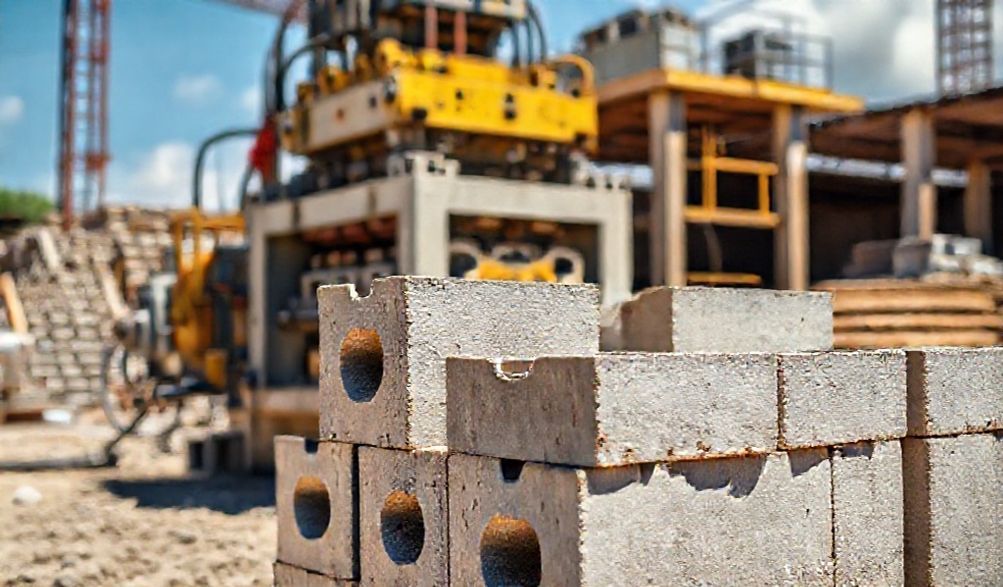
Hollow Block Machine Prys in die Filippyne (2024 Gids): Koste, Tipes & Kooptips
Inleiding
Jy is 'n kontrakteur wat die begroting vir 'n nuwe onderverdeling finaliseer. Of miskien is jy 'n entrepreneur in Cebu of Davao, wat 'n geleentheid sien in die groeiende plaaslike konstruksiemark. Jou navorsing het jou na een kritieke toestel gelei: die holblokmasjien. Maar 'n vinnige aanlynsoektog laat jou meer verward as selfversekerd. Pryse skyn te wissel van 'n paar duisend peso tot etlike miljoene. Hoe kan jy moontlik hierdeur navigeer, 'n slim belegging maak en 'n duur fout vermy wat jou projek of besigheid strem?
Jy het die regte gids gevind. Die uitdaging om 'n betroubare masjien teen 'n billike prys in die Filippynse mark te vind, is werklik. Pryse wissel aansienlik op grond van tipe, kapasiteit en oorsprong, en die goedkoopste opsie kan dikwels op die lang termyn die duurste word as gevolg van stilstand en herstelkoste.
Hierdie omvattende 2024-gids is ontwerp om deur die geraas te sny. Ons sal u duidelike, kundige-ondersteunde inligting verskaf oor huidige prysreekse, die verskillende soorte masjiene en hul toepassings verduidelik, en die sleutelfaktore wat koste beïnvloed, uiteensit. Meer belangrik, ons gaan verder as die prysplaatjie om totale eienaarskapskoste te bespreek en praktiese aankoopwenke aan te bied wat by die Filippynse konteks pas.
Die insigte hier is saamgestel uit bedryfsdata, konsultasies met plaaslike verskaffers en vervaardigers, en praktiese kennis van die konstruksielandskap regoor Luzon, Visayas en Mindanao. Ons doel is om jou toe te rus met die kennis om 'n ingeligte besluit te neem wat jou begroting, kwaliteitsverwagtinge en produksiebehoeftes perfek balanseer.
Verstaan Holblokmasjiene: Tipes en Toepassings
Voordat ons oor getalle praat, is dit noodsaaklik om te verstaan wat jy koop. Die regte masjientipe vir jou buurman se projek kan heeltemal verkeerd wees vir joune. Kom ons breek die algemene masjiene wat in die Filippynse mark beskikbaar is, af.
Handmatige Holblokmasjiene
- Beskrywing:Dit is die mees basiese tipe, wat volledig deur menslike krag bedryf word met 'n handhefboom om die betonmengsel in 'n vorm te druk. Hulle benodig geen elektrisiteit of enjin nie, wat hulle suiwer meganies maak.
- Ideaal Vir:Baie kleinskaalse projekte (soos die bou van 'n enkele huis), agterplaasbesighede in gebiede met onstabiele kragtoevoer, of afgeleë barangays. Dit is ook 'n lae-risiko manier om die waters van blokproduksie te toets.
- Tipiese Uitsetvermoë:Produksie is stadig en arbeidsintensief. Uitset kan wissel van80 tot 200 blokke per 8-uur dagswaar afhanklik van operateur uithouvermoë.
Semi-Automatiese Holblokmasjiene
- Beskrywing:Dit is die gewildste kategorie vir klein tot medium ondernemings. Hierdie masjiene gebruik 'n elektriese motor om 'n vibrator aan te dryf wat die beton verdig en 'n hidrouliese of meganiese stelsel vir kompressie. Die sleutel "semi-outomatiese" onderskeiding is dat die voer van die rou mengsel in die vorm en die verwydering van die voltooide blokke handmatig gedoen word.
- Ideaal Vir:Om 'n toegewyde blokvervaardigingsbesigheid (BVB) te begin, wat blokke verskaf vir plaaslike konstruksieprojekte, of vir konstruksiemaatskappye wat 'n bestendige, beheerde voorraad benodig. Dit bied 'n uitstekende balans tussen bekostigbaarheid en verbeterde produktiwiteit.
- Tipiese Uitsetvermoë:Wissel aansienlik volgens model. 'n Enkelblokmasjien kan dalk produseer200-400 blokke per uurterwyl 'n multi-blok (bv., 3-6 blokke per siklus) semi-outomatiese masjien kan vervaardig800-1,500 blokke per 8-uur skof.
Volledige Outomatiese Holblokmasjiene
- Beskrywing:Dit is die kragbronne van blokproduksie. Hulle word dikwels deur 'n Programmeerbare Logiese Beheerder (PLC) beheer en outomatiseer die hele proses: afmeting, vermenging, vervoer van die beton na die vorm, persing, uitharding, en selfs die stapel van die voltooide blokke op pallette. Hulle vorm dikwels 'n volledige produksielyn.
- Ideaal Vir:Grootskaalse kommersiële blokvervaardigers (soos gevestigde aanlegte in Bulacan of Cavite), groot infrastruktuurprojekte, of ontwikkelaars wat massiewe, konstante produksie benodig. Die belegging is hoog, maar arbeidskoste is minimaal en produksie word gemaksimeer.
- Tipiese Uitsetvermoë:Produksie word gemeet in blokke per uur. 'n Standaard volautomatiese lyn kan maklik produseer2,000 tot 10,000+ blokke per 8-uur skofafhangende van sy konfigurasie en blokgrootte.
Mobiele Holblokmasjiene
- Beskrywing:Hierdie is tipies semi-outomatiese of ten volle outomatiese masjiene wat op 'n robuuste sleepwa-onderstel gemonteer is, wat die hele opstelling in staat stel om direk na 'n konstruksieterrein gesleep te word.
- Ideaal Vir:Groot bouterreine, padprojekte of regeringsbehuisingsprojekte waar die vervoer van duisende voltooide blokke vanaf 'n afgeleë aanleg logisties uitdagend en duur is. Produksie vind op die perseel plaas, wat vervoerkoste en blokskade aansienlik verminder.
- Tipiese Uitsetvermoë:Soortgelyk aan hul stilstaande semi- of volautomatiese eweknieë, maar ontwerp vir robuuste, tydelike terreintoestande.
Hollow Block Machine Price Ranges in the Philippines (2024)
Now, let’s address the core question. The following price ranges are estimates for 2024, based on market research. Remember, these are ranges—the final price depends on the specific factors we’ll discuss next.
Price Breakdown by Machine Type
-
Handmatige Holblokmasjiene: This is your entry-level price point.
- Price Range: ₱15,000 – ₱70,000.
- The lower end gets you a basic, single-block mold machine. Prices climb for machines with multiple mold configurations (allowing different block sizes) or those made with more durable steel frames.
-
Semi-Automatiese Holblokmasjiene: This is where the market is most active and varied.
- Price Range: ₱80,000 – ₱800,000.
- A basic, single-block vibrator machine might start around ₱80,000. The price increases substantially for models with hydraulic compression and multi-block molds (producing 3, 4, 6, or even 10 blocks per cycle). Brand, motor power (HP), and build quality are major differentiators here.
-
Fully Automatic Hollow Block Machines: This is a major capital investment.
- Price Range: ₱1,000,000 – ₱5,000,000+.
- A basic automatic stationary machine might start around ₱1 million. For a complete, high-output production line with automatic mixer, conveyor, and stacker, prices can easily reach ₱3-5 million or more. Imported European brands command a premium at the very top end.
-
Mobile Hollow Block Machines:
- Price Range: ₱500,000 – ₱2,500,000+.
- You are essentially paying for a semi or fully automatic machine plus the mobility package (heavy-duty trailer, axle, sometimes a generator). Prices align with the automation level of the core machine.
Key Factors That Influence the Price
Why is there such a wide range? Here are the main drivers:
- Produksiekapasiteit: This is the #1 factor. A machine that makes 500 blocks per hour will cost less than one that makes 2,000 blocks per hour. Be realistic about your needs.
- Outomatiseringsvlak: Each step of automation (from manual lever to hydraulic press to PLC control) adds cost but also reduces long-term labor costs and increases consistency.
- Brand & Country of Origin:
- Local Philippine Brands: Often offer competitive pricing and the huge advantage of readily available spare parts and technical support within the country.
- Imported Brands (e.g., China): Can offer very attractive upfront prices. However, it’s critical to choose a supplier with a strong local warehouse and service team. The cheapest import with no local support is a high-risk purchase.
- Imported Brands (e.g., Germany, Italy): Represent the premium tier with exceptional engineering and durability, reflected in a significantly higher price.
- Machine Build Quality: The grade of steel, the quality of the hydraulic pumps and valves, the power of the vibrator motors, and the precision of the welding all affect both price and longevity. A thicker, reinforced frame costs more but will withstand years of tough use.
- After-Sales Service & Warranty: Never underestimate this. A machine priced 10% lower but with no reliable service network can become a worthless pile of metal if a key component fails. A reputable supplier offering a 1-year warranty on parts and labor, with technicians a phone call away, provides immense value and peace of mind.
Beyond the Sticker Price: Total Cost of Ownership
A savvy buyer looks beyond the initial quote. The true cost of owning a hollow block machine includes several ongoing expenses.
Initial Investment Breakdown
- Machine Cost: The base price from the supplier.
- Delivery and Installation: Freight costs from the supplier’s warehouse to your site, especially important for large machines or those shipped from overseas. Some suppliers include basic installation and setup.
- Initial Spare Parts and Tools: It’s wise to purchase an initial set of common wear parts (like extra mold liners, gaskets, or vibration mounts) and necessary tools.
Operational Costs
- Electricity Consumption: Semi and fully automatic machines are power-hungry. A 10-15 HP motor running 8 hours a day will significantly impact your monthly electricity bill. Factor this into your production cost per block.
- Rou Materiaal: This is your largest recurring cost—cement, sand, and gravel. Their price and quality consistency directly affect your block quality and profit margin.
- Arbeidskoste: A manual machine requires strong, dedicated labor. A semi-automatic machine needs 2-3 operators. A fully automatic line may only need 1-2 people to monitor the process. Calculate wages into your overhead.
- Maintenance and Repair Costs: Regular lubrication, cleaning, and part replacement (like hydraulic seals or vibrator bearings) are essential. Budget for periodic maintenance and unexpected repairs.
The Importance of After-Sales Support
In the Philippine setting, this cannot be overstated.
- Plaaslike Tegniese Ondersteuning: Is there a hotline? How quickly can a technician arrive if your machine breaks down? Downtime is lost production and lost income.
- Onderdele Beskikbaarheid: Does the supplier stock common parts in a local warehouse, or do they need to be ordered from abroad with a 2-month lead time?
- Warranty Coverage: Read the fine print. What is covered (parts? labor?) and for how long? A clear warranty is a sign of a confident supplier.
- Opleiding: Does the supplier provide hands-on training for your operators on proper use, daily maintenance, and basic troubleshooting? This is invaluable for preventing costly mistakes and extending machine life.
How to Choose the Right Machine for Your Needs & Budget
Armed with knowledge on types and costs, follow this actionable framework to make your decision.
Assess Your Production Requirements
Vra jouself hierdie vrae:
* What is my average daily or weekly block requirement? (Be realistic about current needs and near-future growth).
* What standard block sizes (4”, 5”, 6”, CHB) does my market demand?
* Will I be producing on a fixed site or moving between multiple locations?
* What is the reliable power supply at my location?
Your answers will point you clearly to a machine type and capacity range.
Evaluate Your Budget Realistically
- Separate Capital: Distinguish your initial capital (for the machine, delivery, site preparation) from your working capital (for raw materials, labor, utilities, and marketing).
- Explore Financing: Don’t assume you must pay cash. Many reputable equipment suppliers offer in-house installment plans. Banks also have SME loan programs for capital equipment purchases. A good financing plan can allow you to acquire a more productive machine sooner.
Research and Vet Suppliers Thoroughly
This step is your primary risk mitigation strategy.
* Physical Presence: Prefer suppliers with an actual office, showroom, or factory you can visit in the Philippines (e.g., in Metro Manila, Cebu, or Davao).
* Business Credentials: Check their SEC registration, business permits, and membership in industry associations.
* The Ultimate Test – Customer References: Any trustworthy supplier will gladly provide contact details of previous customers. Call them. Ask about machine performance, reliability, and most importantly, the quality of after-sales support. Check Google and Facebook for genuine reviews.
Request a Demo and Detailed Quotation
- See It Run: If possible, visit the supplier or a customer’s site to see the exact model running. Observe the build quality, noise level, and ease of operation.
- Get a Detailed Quote: Your quotation should be itemized and include: Machine Model & Specifications, FOB Price, Delivery Charges, Any Taxes (VAT), Warranty Terms, and Training Offered. This prevents hidden costs from appearing later.
Frequently Asked Questions (FAQ)
Q: What is the cheapest type of hollow block machine available?
A: Manual machines have the lowest upfront cost, starting around ₱15,000. However, factor in high labor costs and very low output. For any sustained production, a semi-automatic machine often offers a better long-term value.
Q: Are imported machines from China better than local Philippine brands?
A: It’s not a simple “yes” or “no.” Many quality machines are manufactured in China. The critical factor is the verskaffer, not just the origin. Choose an importer with a proven track record, local technical staff, and a spare parts inventory in the Philippines. A reliable local brand often provides faster service and support.
Q: Can I get a loan or financing for a hollow block machine?
A: Yes. Many equipment dealers offer installment plans directly. Additionally, banks like Landbank, DBP, and private banks have business loan programs for purchasing machinery. Prepare a simple business plan to support your application.
Q: How much profit can I make from a hollow block business?
A: Profitability varies widely based on location, efficiency, material costs, and selling price. As a rough example, a small semi-automatic operation can have a gross margin of 20-30% per block after accounting for materials, labor, and overhead. Market demand in your area is the key driver.
Q: What maintenance does a hollow block machine require?
A: Daily: Clean excess concrete from the mold and platform. Weekly: Lubricate all moving parts (pivots, bearings). Monthly: Check hydraulic oil levels and cleanliness; inspect vibrator mounts and electrical connections. Follow the specific schedule in your machine’s manual.
Conclusion
Finding the right hollow block machine price in the Philippines isn’t about hunting for the absolute lowest number. It’s about finding the regte waarde—a machine whose cost aligns with its long-term reliability, output capacity, and the quality of support behind it.
Your journey should be guided by a clear understanding of your own production needs, a realistic budget that includes operational costs, and, above all, thorough due diligence on your supplier. The trustworthiness and service capability of the company you buy from are often more important than the brand stamped on the machine.
Arm yourself with the knowledge from this guide, take the time to visit trusted suppliers, inspect their machines, and speak to their past customers. By doing so, you won’t just be buying a piece of equipment; you’ll be making a strategic investment that builds the literal foundation for your construction project or business success.
<