
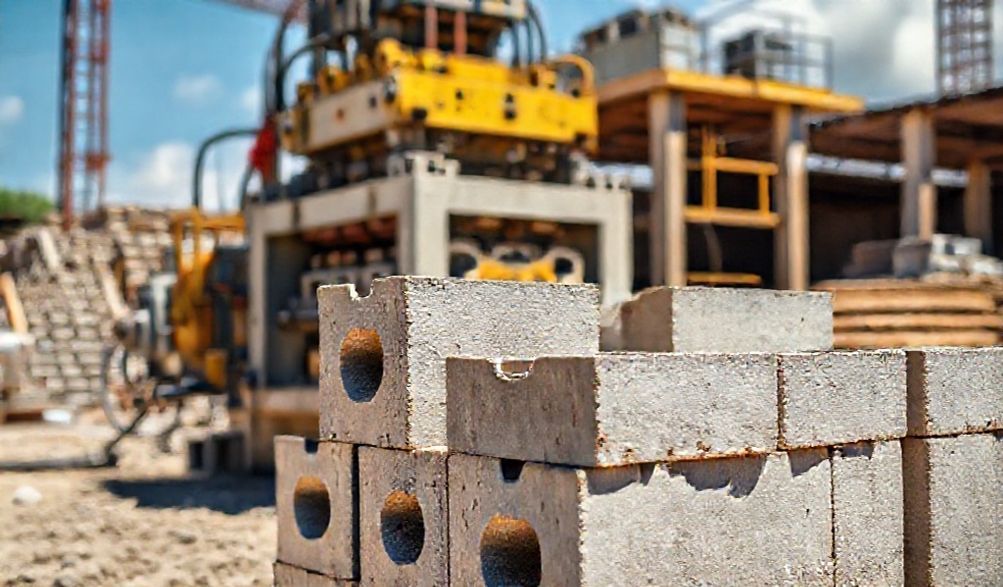
Presyo ng Hollow Block Machine sa Pilipinas (Gabay para sa 2024): Gastos, Mga Uri at Mga Tip sa Pagbili
Pengenalan
Anda seorang kontraktor yang sedang memuktamadkan bajet untuk subbahagian perumahan baru. Atau mungkin anda seorang usahawan di Cebu atau Davao, yang melihat peluang dalam pasaran pembinaan tempatan yang pesat berkembang. Penyelidikan anda membawa anda kepada satu peralatan kritikal: mesin blok berongga. Tetapi carian pantas dalam talian meninggalkan anda lebih keliru daripada yakin. Harga kelihatan berubah-ubah dari beberapa ribu peso sehingga beberapa juta. Bagaimana anda mungkin boleh mengemudi situasi ini, membuat pelaburan yang bijak, dan mengelakkan kesilapan mahal yang menggantung projek atau perniagaan anda?
Anda telah menemui panduan yang tepat. Cabaran untuk mencari mesin yang boleh dipercayai dengan harga yang berpatutan di pasaran Filipina adalah satu kenyataan. Harga berbeza-beza dengan ketara berdasarkan jenis, kapasiti, dan asal usul, dan pilihan yang paling murah seringkali boleh menjadi yang paling mahal dalam jangka panjang disebabkan oleh masa henti dan kos pembaikan.
Panduan komprehensif 2024 ini direka untuk memotong segala kekeliruan. Kami akan memberikan maklumat jelas yang disokong pakar mengenai julat harga semasa, menerangkan pelbagai jenis mesin beserta aplikasinya, dan memecahkan faktor utama yang mempengaruhi kos. Lebih penting lagi, kami akan melangkah melebihi harga permukaan untuk membincangkan kos pemilikan menyeluruh dan menawarkan tip pembelian praktikal yang disesuaikan dengan konteks Filipina.
Wawasan ini disusun daripada data industri, perundingan dengan pembekal dan pengeluar tempatan, serta pengetahuan praktikal mengenai landskap pembinaan di seluruh Luzon, Visayas, dan Mindanao. Matlamat kami adalah untuk melengkapkan anda dengan pengetahuan untuk membuat keputusan yang tepat yang mengimbangi bajet, jangkaan kualiti, dan keperluan pengeluaran anda dengan sempurna.
Memahami Mesin Blok Berongga: Jenis dan Aplikasi
Sebelum kita bercakap tentang angka, adalah penting untuk memahami apa yang anda beli. Jenis mesin yang sesuai untuk projek jiran anda mungkin langsung tidak sesuai untuk anda. Mari kita pecahkan jenis mesin biasa yang terdapat di pasaran Filipina.
Mesin Blok Berongga Manual
- Penerangan:Ini adalah jenis yang paling asas, dikendalikan sepenuhnya oleh tenaga manusia menggunakan tuas tangan untuk memampatkan campuran konkrit ke dalam acuan. Ia tidak memerlukan elektrik atau enjin, menjadikannya semata-mata mekanikal.
- Sesuai Untuk:Projek berskala sangat kecil (seperti membina sebuah rumah tunggal), perniagaan belakang rumah di kawasan dengan bekalan elektrik tidak stabil, atau barangay terpencil. Ia juga merupakan cara berisiko rendah untuk menguji perairan penghasilan blok.
- Kapasiti Output Biasa:Pengeluaran adalah perlahan dan intensif buruh. Output mungkin berjulat dari80 hingga 200 blok setiap hari 8 jamsangat bergantung pada stamina pengendali.
Mesin Blok Berongga Semi-Automatik
- Penerangan:Ini adalah kategori paling popular untuk perniagaan kecil dan sederhana. Mesin-mesin ini menggunakan motor elektrik untuk menggerakkan penggetar yang memadatkan konkrit dan sistem hidraulik atau mekanikal untuk mampatan. Perbezaan utama "semi-automatik" ialah pengisian campuran bahan mentah ke dalam acuan dan pengeluaran blok siap dilakukan secara manual.
- Sesuai Untuk:Memulakan perniagaan pembuatan blok khusus (BMB), membekalkan blok untuk projek pembinaan tempatan, atau untuk firma pembinaan yang memerlukan bekalan yang stabil dan terkawal. Mereka menawarkan keseimbangan yang baik antara kemampuan harga dan peningkatan produktiviti.
- Kapasiti Output Biasa:Berbeza dengan ketara mengikut model. Mesin satu blok mungkin menghasilkan200-400 blok sejammanakala mesin separa automatik berbilang blok (contohnya, 3-6 blok setiap kitaran) mampu menghasilkan800-1,500 blok setiap syif 8 jam.
Mesin Blok Berongga Sepenuhnya Automatik
- Penerangan:Ini adalah pusat kuasa bagi penghasilan blok. Biasanya dikawal oleh Pengawal Logik Boleh Aturcara (PLC), ia mengautomasikan keseluruhan proses: pembatchan, pengadunan, penghantaran konkrit ke acuan, penekanan, pematangan, dan juga penyusunan blok siap di atas palet. Ia sering membentuk satu barisan pengeluaran yang lengkap.
- Sesuai Untuk:Pengilang blok komersial berskala besar (seperti kilang yang mantap di Bulacan atau Cavite), projek infrastruktur utama, atau pemaju yang memerlukan output yang sangat besar dan konsisten. Pelaburannya tinggi, tetapi kos buruh adalah minimum dan output dimaksimumkan.
- Kapasiti Output Biasa:Output diukur dalam blok per jam. Sebuah barisan automatik penuh standard dapat dengan mudah menghasilkan2,000 hingga 10,000+ blok setiap syif 8 jambergantung pada konfigurasi dan saiz bloknya.
Mesin Blok Berongga Mudah Alih
- Penerangan:Ini biasanya merupakan mesin separa automatik atau automatik sepenuhnya yang dipasang pada casis treler yang kukuh, membolehkan keseluruhan persediaan ditarik terus ke tapak pembinaan.
- Sesuai Untuk:Tapak pembinaan besar, projek jalan raya, atau projek perumahan kerajaan di mana pengangkutan beribu-ribu blok siap dari kilang yang jauh adalah mencabar dari segi logistik dan mahal. Pengeluaran berlaku di tapak, mengurangkan kos pengangkutan dan kerosakan blok dengan ketara.
- Kapasiti Output Biasa:Serupa dengan rakan separa atau automatik penuh pegun mereka, tetapi direka untuk keadaan tapak sementara yang lasak.
Mga Saklaw ng Presyo ng Hollow Block Machine sa Pilipinas (2024)
Sekarang, mari kita tangani soalan teras. Julat harga berikut adalah anggaran untuk tahun 2024, berdasarkan penyelidikan pasaran. Ingat, ini hanyalahjulat—the final price depends on the specific factors we’ll discuss next.
Price Breakdown by Machine Type
-
Mesin Blok Berongga Manual: This is your entry-level price point.
- Price Range: ₱15,000 – ₱70,000.
- The lower end gets you a basic, single-block mold machine. Prices climb for machines with multiple mold configurations (allowing different block sizes) or those made with more durable steel frames.
-
Mesin Blok Berongga Semi-Automatik: This is where the market is most active and varied.
- Price Range: ₱80,000 – ₱800,000.
- A basic, single-block vibrator machine might start around ₱80,000. The price increases substantially for models with hydraulic compression and multi-block molds (producing 3, 4, 6, or even 10 blocks per cycle). Brand, motor power (HP), and build quality are major differentiators here.
-
Fully Automatic Hollow Block Machines: This is a major capital investment.
- Price Range: ₱1,000,000 – ₱5,000,000+.
- A basic automatic stationary machine might start around ₱1 million. For a complete, high-output production line with automatic mixer, conveyor, and stacker, prices can easily reach ₱3-5 million or more. Imported European brands command a premium at the very top end.
-
Mobile Hollow Block Machines:
- Price Range: ₱500,000 – ₱2,500,000+.
- You are essentially paying for a semi or fully automatic machine plus the mobility package (heavy-duty trailer, axle, sometimes a generator). Prices align with the automation level of the core machine.
Key Factors That Influence the Price
Why is there such a wide range? Here are the main drivers:
- Kapasiti Pengeluaran: This is the #1 factor. A machine that makes 500 blocks per hour will cost less than one that makes 2,000 blocks per hour. Be realistic about your needs.
- Tahap Automasi: Each step of automation (from manual lever to hydraulic press to PLC control) adds cost but also reduces long-term labor costs and increases consistency.
- Brand & Country of Origin:
- Local Philippine Brands: Often offer competitive pricing and the huge advantage of readily available spare parts and technical support within the country.
- Imported Brands (e.g., China): Can offer very attractive upfront prices. However, it’s critical to choose a supplier with a strong local warehouse and service team. The cheapest import with no local support is a high-risk purchase.
- Imported Brands (e.g., Germany, Italy): Represent the premium tier with exceptional engineering and durability, reflected in a significantly higher price.
- Machine Build Quality: The grade of steel, the quality of the hydraulic pumps and valves, the power of the vibrator motors, and the precision of the welding all affect both price and longevity. A thicker, reinforced frame costs more but will withstand years of tough use.
- After-Sales Service & Warranty: Never underestimate this. A machine priced 10% lower but with no reliable service network can become a worthless pile of metal if a key component fails. A reputable supplier offering a 1-year warranty on parts and labor, with technicians a phone call away, provides immense value and peace of mind.
Beyond the Sticker Price: Total Cost of Ownership
A savvy buyer looks beyond the initial quote. The true cost of owning a hollow block machine includes several ongoing expenses.
Initial Investment Breakdown
- Machine Cost: The base price from the supplier.
- Delivery and Installation: Freight costs from the supplier’s warehouse to your site, especially important for large machines or those shipped from overseas. Some suppliers include basic installation and setup.
- Initial Spare Parts and Tools: It’s wise to purchase an initial set of common wear parts (like extra mold liners, gaskets, or vibration mounts) and necessary tools.
Operational Costs
- Electricity Consumption: Semi and fully automatic machines are power-hungry. A 10-15 HP motor running 8 hours a day will significantly impact your monthly electricity bill. Factor this into your production cost per block.
- Bahan Mentah: This is your largest recurring cost—cement, sand, and gravel. Their price and quality consistency directly affect your block quality and profit margin.
- Kos Buruh: A manual machine requires strong, dedicated labor. A semi-automatic machine needs 2-3 operators. A fully automatic line may only need 1-2 people to monitor the process. Calculate wages into your overhead.
- Maintenance and Repair Costs: Regular lubrication, cleaning, and part replacement (like hydraulic seals or vibrator bearings) are essential. Budget for periodic maintenance and unexpected repairs.
The Importance of After-Sales Support
In the Philippine setting, this cannot be overstated.
- Sokongan Teknikal Tempatan: Is there a hotline? How quickly can a technician arrive if your machine breaks down? Downtime is lost production and lost income.
- Ketersediaan Alat Ganti: Does the supplier stock common parts in a local warehouse, or do they need to be ordered from abroad with a 2-month lead time?
- Warranty Coverage: Read the fine print. What is covered (parts? labor?) and for how long? A clear warranty is a sign of a confident supplier.
- Latihan: Does the supplier provide hands-on training for your operators on proper use, daily maintenance, and basic troubleshooting? This is invaluable for preventing costly mistakes and extending machine life.
How to Choose the Right Machine for Your Needs & Budget
Armed with knowledge on types and costs, follow this actionable framework to make your decision.
Assess Your Production Requirements
Tanyakan diri anda soalan-soalan ini:
* What is my average daily or weekly block requirement? (Be realistic about current needs and near-future growth).
* What standard block sizes (4”, 5”, 6”, CHB) does my market demand?
* Will I be producing on a fixed site or moving between multiple locations?
* What is the reliable power supply at my location?
Your answers will point you clearly to a machine type and capacity range.
Evaluate Your Budget Realistically
- Separate Capital: Distinguish your initial capital (for the machine, delivery, site preparation) from your working capital (for raw materials, labor, utilities, and marketing).
- Explore Financing: Don’t assume you must pay cash. Many reputable equipment suppliers offer in-house installment plans. Banks also have SME loan programs for capital equipment purchases. A good financing plan can allow you to acquire a more productive machine sooner.
Research and Vet Suppliers Thoroughly
This step is your primary risk mitigation strategy.
* Kehadiran Fizikal: Prefer suppliers with an actual office, showroom, or factory you can visit in the Philippines (e.g., in Metro Manila, Cebu, or Davao).
* Business Credentials: Check their SEC registration, business permits, and membership in industry associations.
* The Ultimate Test – Customer References: Any trustworthy supplier will gladly provide contact details of previous customers. Call them. Ask about machine performance, reliability, and most importantly, the quality of after-sales support. Check Google and Facebook for genuine reviews.
Request a Demo and Detailed Quotation
- See It Run: If possible, visit the supplier or a customer’s site to see the exact model running. Observe the build quality, noise level, and ease of operation.
- Get a Detailed Quote: Your quotation should be itemized and include: Machine Model & Specifications, FOB Price, Delivery Charges, Any Taxes (VAT), Warranty Terms, and Training Offered. This prevents hidden costs from appearing later.
Soalan Lazim (FAQ)
Q: What is the cheapest type of hollow block machine available?
A: Manual machines have the lowest upfront cost, starting around ₱15,000. However, factor in high labor costs and very low output. For any sustained production, a semi-automatic machine often offers a better long-term value.
Q: Are imported machines from China better than local Philippine brands?
A: It’s not a simple “yes” or “no.” Many quality machines are manufactured in China. The critical factor is the pembekal, not just the origin. Choose an importer with a proven track record, local technical staff, and a spare parts inventory in the Philippines. A reliable local brand often provides faster service and support.
Q: Can I get a loan or financing for a hollow block machine?
A: Yes. Many equipment dealers offer installment plans directly. Additionally, banks like Landbank, DBP, and private banks have business loan programs for purchasing machinery. Prepare a simple business plan to support your application.
Q: How much profit can I make from a hollow block business?
A: Profitability varies widely based on location, efficiency, material costs, and selling price. As a rough example, a small semi-automatic operation can have a gross margin of 20-30% per block after accounting for materials, labor, and overhead. Market demand in your area is the key driver.
Q: What maintenance does a hollow block machine require?
A: Daily: Clean excess concrete from the mold and platform. Weekly: Lubricate all moving parts (pivots, bearings). Monthly: Check hydraulic oil levels and cleanliness; inspect vibrator mounts and electrical connections. Follow the specific schedule in your machine’s manual.
Kesimpulan
Finding the right hollow block machine price in the Philippines isn’t about hunting for the absolute lowest number. It’s about finding the nilai yang betul—a machine whose cost aligns with its long-term reliability, output capacity, and the quality of support behind it.
Your journey should be guided by a clear understanding of your own production needs, a realistic budget that includes operational costs, and, above all, thorough due diligence on your supplier. The trustworthiness and service capability of the company you buy from are often more important than the brand stamped on the machine.
Arm yourself with the knowledge from this guide, take the time to visit trusted suppliers, inspect their machines, and speak to their past customers. By doing so, you won’t just be buying a piece of equipment; you’ll be making a strategic investment that builds the literal foundation for your construction project or business success.
<