
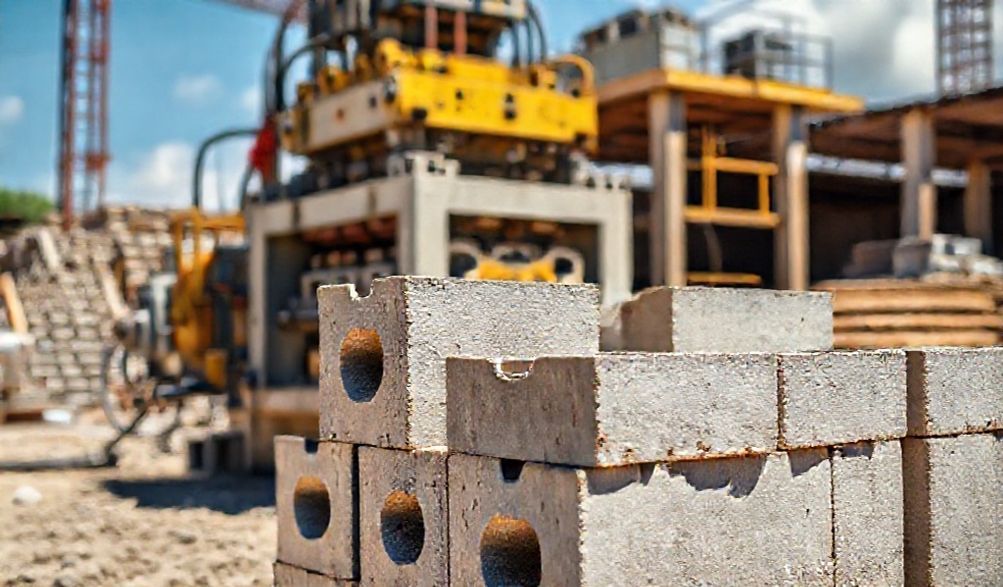
Machina ad Lateres Cavos Pretium in Philippinis (Dux 2024): Sumptus, Genera et Consilia Emendi
Introductio
Tu redemptor es qui sumptus pro nova subdivisione perficis. Vel fortasse inceptor in Cebu vel Davao es, occasionem in florente mercatu aedificationis loci nanciscens. Investigatio tua te ad unum instrumentum capitale perduxit: machinam lateris cavi. Sed celer inquisitio interretialis te magis perplexum quam confidentem relinquit. Pretia a paucis milibus pisorum ad plura milia decies centena milia fluctuare videntur. Quomodo hoc iter facere, prudentem collocationem facere, et damnosum errorem vitare potes qui opus tuum vel negotium moratur?
Rectum ducem invenisti. Provocatio certae machinae iusto pretio in mercatu Philippinensi reperiendi vera est. Pretia late variantur secundum genus, capacitatem, et originem, et optio vilissima saepe longinquo cursu cara evadere potest ob intermissionem et sumptus reparationis.
Hoc plenum ductorium anni MMXXIV ad tumultum secandum comparatum est. Praebebimus tibi perspicuam, peritorum testimonio confirmatam informationem de hodiernis pretiorum spatiis, varias machinarum species eorumque usus explicabimus, et factores principales qui sumptum movent disseremus. Quod maius est, ultra pretium inscriptum procedemus ut sumptus totales dominii tractemus et consilia emptionis utilia, ad condicionem Philippinarum accommodata, offeramus.
Hae perspicientiae ex industriae notitiis collectae sunt, ex consultationibus cum localibus provisoribus et fabricatoribus, et ex practica cognitione condicionum aedificationis per Luzonem, Visayas, et Mindanaum. Propositum nostrum est vos instruere scientia ut consilium informatum capiatis quod aequaliter perpendit rationes tuas pecuniarias, exspectationes qualitatis, et necessitates productionis.
Intellectus Machinarum Caementiciorum Cavorum: Genera et Usus
Priusquam de numeris loquamur, necesse est intellegere quid emas. Machina quae vicini tuo operi apta est, tuo fortasse prorsus inutilis sit. Communes machinas in mercatu Philippinarum praesto sitas persequamur.
Machinae Manuales Laterum Cavorum
- Descriptio:Hoc genus simplicissimum est, quod totum vi humana administratur, manubrio adhibito ut mixtura caementi in formam comprimatur. Electricitate aut machina non egent, unde mere mechanica sunt.
- Idoneum Ad:Minima opera (ut aedificare unam domum), negotia domestica in locis instabili vi electrica, vel remotae barangayae. Sunt etiam via humilis periculi ad explorandas aquas productionis truncorum.
- Typica Output Capacitas:Productio tarda et laboriosa est. Outputus aLXXX ad CC caudices per diem octo horarummaxime pendens ab viribus operatoris.
Machinae Semi-Automaticae Laterum Cavorum
- Descriptio:Haec est celeberrima categoria parvis ad mediis negotiis. Hae machinae motorem electricum adhibent ad vibratorem movendum, qui concretum condensat, et systema hydraulicum vel mechanicum ad compressionem. Discrimen praecipuum "semiautomaticum" est quod mixturam rudem in formam inferre et structos confectos removere manu fiunt.
- Idoneum Ad:Inceptio negotii fabricandi lateres (BMB), praebens lateres pro operibus localibus aedificandis, vel pro societatibus aedificantibus quae constantem et moderatam copiam requirunt. Magnum aequilibrium inter parsimoniam et auctam efficacitatem praebent.
- Typica Output Capacitas:Multum variat pro exemplari. Machina unius operis fortasse efficitCC-CL per horamdum machina semi-automatica multi-cuneata (exempli gratia, 3-6 cuneos per cyclum) efficere potestDCCC ad MD usque per vicesimam partem diei octo horarum..
Machinae Plenae Automatae Laterum Cavorum
- Descriptio:Hae sunt potentiae officinae productionis laterum. Saepe a Moderatore Logico Programmandi (PLC) reguntur, totum processum automatum reddunt: materias componunt, miscent, concretum ad formam deferunt, premunt, durant, atque etiam perfectos lateres in paletas componunt. Saepe integram seriem productionis efficiunt.
- Idoneum Ad:Magni fabricatores commerciales laterum (sicut institutae officinae in Bulacan vel Cavite), magna opera infrastructurae, vel excultores qui ingentem constantemque productionem requirunt. Impensae altae sunt, sed sumptus laboris minimi sunt et productio maxima efficitur.
- Typica Output Capacitas:Productio mensuratur in caudicibus per horam. Linea plene automatizata normalis facile efficere potest.MM ad X milia+ caudices per octo horarum vicemsecundum eius conformationem et magnitudinem frusti.
Machinae Mobilae Laterum Cavorum
- Descriptio: These are typically semi-automatic or fully automatic machines mounted on a robust trailer chassis, allowing the entire setup to be towed directly to a construction site.
- Idoneum Ad: Large building sites, road projects, or government housing projects where transporting thousands of finished blocks from a remote plant is logistically challenging and expensive. Production happens on-site, drastically cutting transport costs and block damage.
- Typica Output Capacitas: Similar to their stationary semi or fully automatic counterparts, but designed for rugged, temporary site conditions.
Hollow Block Machine Price Ranges in the Philippines (2024)
Now, let’s address the core question. The following price ranges are estimates for 2024, based on market research. Remember, these are ranges—the final price depends on the specific factors we’ll discuss next.
Price Breakdown by Machine Type
-
Machinae Manuales Laterum Cavorum This is your entry-level price point.
- Price Range: ₱15,000 – ₱70,000.
- The lower end gets you a basic, single-block mold machine. Prices climb for machines with multiple mold configurations (allowing different block sizes) or those made with more durable steel frames.
-
Machinae Semi-Automatice ad Lateres Cavos Faciendos: This is where the market is most active and varied.
- Price Range: ₱80,000 – ₱800,000.
- A basic, single-block vibrator machine might start around ₱80,000. The price increases substantially for models with hydraulic compression and multi-block molds (producing 3, 4, 6, or even 10 blocks per cycle). Brand, motor power (HP), and build quality are major differentiators here.
-
Plene Automata Foramina Laterum Machinae: This is a major capital investment.
- Price Range: ₱1,000,000 – ₱5,000,000+.
- A basic automatic stationary machine might start around ₱1 million. For a complete, high-output production line with automatic mixer, conveyor, and stacker, prices can easily reach ₱3-5 million or more. Imported European brands command a premium at the very top end.
-
Mobile Hollow Block Machines:
- Price Range: ₱500,000 – ₱2,500,000+.
- You are essentially paying for a semi or fully automatic machine plus the mobility package (heavy-duty trailer, axle, sometimes a generator). Prices align with the automation level of the core machine.
Claves Quae Pretium Moderantur
Why is there such a wide range? Here are the main drivers:
- Productio Capacitas: This is the #1 factor. A machine that makes 500 blocks per hour will cost less than one that makes 2,000 blocks per hour. Be realistic about your needs.
- Automationis Gradus: Each step of automation (from manual lever to hydraulic press to PLC control) adds cost but also reduces long-term labor costs and increases consistency.
- Brand & Country of Origin:
- Local Philippine Brands: Often offer competitive pricing and the huge advantage of readily available spare parts and technical support within the country.
- Imported Brands (e.g., China): Can offer very attractive upfront prices. However, it’s critical to choose a supplier with a strong local warehouse and service team. The cheapest import with no local support is a high-risk purchase.
- Imported Brands (e.g., Germany, Italy): Represent the premium tier with exceptional engineering and durability, reflected in a significantly higher price.
- Machine Build Quality: The grade of steel, the quality of the hydraulic pumps and valves, the power of the vibrator motors, and the precision of the welding all affect both price and longevity. A thicker, reinforced frame costs more but will withstand years of tough use.
- Post-Venditio Servitium & Cautio: Never underestimate this. A machine priced 10% lower but with no reliable service network can become a worthless pile of metal if a key component fails. A reputable supplier offering a 1-year warranty on parts and labor, with technicians a phone call away, provides immense value and peace of mind.
Beyond the Sticker Price: Total Cost of Ownership
A savvy buyer looks beyond the initial quote. The true cost of owning a hollow block machine includes several ongoing expenses.
Initial Investment Breakdown
- Machinae Pretium: The base price from the supplier.
- Delivery and Installation: Freight costs from the supplier’s warehouse to your site, especially important for large machines or those shipped from overseas. Some suppliers include basic installation and setup.
- Initial Spare Parts and Tools: It’s wise to purchase an initial set of common wear parts (like extra mold liners, gaskets, or vibration mounts) and necessary tools.
Operational Costs
- Electricity Consumption: Semi and fully automatic machines are power-hungry. A 10-15 HP motor running 8 hours a day will significantly impact your monthly electricity bill. Factor this into your production cost per block.
- Materiae Crudae This is your largest recurring cost—cement, sand, and gravel. Their price and quality consistency directly affect your block quality and profit margin.
- Laboris Impendia: A manual machine requires strong, dedicated labor. A semi-automatic machine needs 2-3 operators. A fully automatic line may only need 1-2 people to monitor the process. Calculate wages into your overhead.
- Maintenance and Repair Costs: Regular lubrication, cleaning, and part replacement (like hydraulic seals or vibrator bearings) are essential. Budget for periodic maintenance and unexpected repairs.
Momentum Post-Venditionis Auxilii Momentum
In the Philippine setting, this cannot be overstated.
- Localis Subsidium Technicum Is there a hotline? How quickly can a technician arrive if your machine breaks down? Downtime is lost production and lost income.
- Partes Subsidiae Praesto: Does the supplier stock common parts in a local warehouse, or do they need to be ordered from abroad with a 2-month lead time?
- Praeceptum Cautionis: Read the fine print. What is covered (parts? labor?) and for how long? A clear warranty is a sign of a confident supplier.
- Exercitatio. Does the supplier provide hands-on training for your operators on proper use, daily maintenance, and basic troubleshooting? This is invaluable for preventing costly mistakes and extending machine life.
How to Choose the Right Machine for Your Needs & Budget
Armed with knowledge on types and costs, follow this actionable framework to make your decision.
Assess Your Production Requirements
Interroga te ipsum his quaestionibus:
* What is my average daily or weekly block requirement? (Be realistic about current needs and near-future growth).
* What standard block sizes (4”, 5”, 6”, CHB) does my market demand?
* Will I be producing on a fixed site or moving between multiple locations?
* What is the reliable power supply at my location?
Your answers will point you clearly to a machine type and capacity range.
Evaluate Your Budget Realistically
- Separate Capital: Distinguish your initial capital (for the machine, delivery, site preparation) from your working capital (for raw materials, labor, utilities, and marketing).
- Explore Financing: Don’t assume you must pay cash. Many reputable equipment suppliers offer in-house installment plans. Banks also have SME loan programs for capital equipment purchases. A good financing plan can allow you to acquire a more productive machine sooner.
Research and Vet Suppliers Thoroughly
This step is your primary risk mitigation strategy.
* Physical Presence: Prefer suppliers with an actual office, showroom, or factory you can visit in the Philippines (e.g., in Metro Manila, Cebu, or Davao).
* Business Credentials: Check their SEC registration, business permits, and membership in industry associations.
* The Ultimate Test – Customer References: Any trustworthy supplier will gladly provide contact details of previous customers. Call them. Ask about machine performance, reliability, and most importantly, the quality of after-sales support. Check Google and Facebook for genuine reviews.
Request a Demo and Detailed Quotation
- See It Run: If possible, visit the supplier or a customer’s site to see the exact model running. Observe the build quality, noise level, and ease of operation.
- Get a Detailed Quote: Your quotation should be itemized and include: Machine Model & Specifications, FOB Price, Delivery Charges, Any Taxes (VAT), Warranty Terms, and Training Offered. This prevents hidden costs from appearing later.
Interrogationes Saepius Petitae (ISP)
Q: What is the cheapest type of hollow block machine available?
A: Manual machines have the lowest upfront cost, starting around ₱15,000. However, factor in high labor costs and very low output. For any sustained production, a semi-automatic machine often offers a better long-term value.
Q: Are imported machines from China better than local Philippine brands?
A: It’s not a simple “yes” or “no.” Many quality machines are manufactured in China. The critical factor is the supplator, not just the origin. Choose an importer with a proven track record, local technical staff, and a spare parts inventory in the Philippines. A reliable local brand often provides faster service and support.
Q: Can I get a loan or financing for a hollow block machine?
A: Yes. Many equipment dealers offer installment plans directly. Additionally, banks like Landbank, DBP, and private banks have business loan programs for purchasing machinery. Prepare a simple business plan to support your application.
Q: How much profit can I make from a hollow block business?
A: Profitability varies widely based on location, efficiency, material costs, and selling price. As a rough example, a small semi-automatic operation can have a gross margin of 20-30% per block after accounting for materials, labor, and overhead. Market demand in your area is the key driver.
Q: What maintenance does a hollow block machine require?
A: Daily: Clean excess concrete from the mold and platform. Weekly: Lubricate all moving parts (pivots, bearings). Monthly: Check hydraulic oil levels and cleanliness; inspect vibrator mounts and electrical connections. Follow the specific schedule in your machine’s manual.
Conclusio.
Finding the right hollow block machine price in the Philippines isn’t about hunting for the absolute lowest number. It’s about finding the rectus valor—a machine whose cost aligns with its long-term reliability, output capacity, and the quality of support behind it.
Your journey should be guided by a clear understanding of your own production needs, a realistic budget that includes operational costs, and, above all, thorough due diligence on your supplier. The trustworthiness and service capability of the company you buy from are often more important than the brand stamped on the machine.
Arm yourself with the knowledge from this guide, take the time to visit trusted suppliers, inspect their machines, and speak to their past customers. By doing so, you won’t just be buying a piece of equipment; you’ll be making a strategic investment that builds the literal foundation for your construction project or business success.
<