
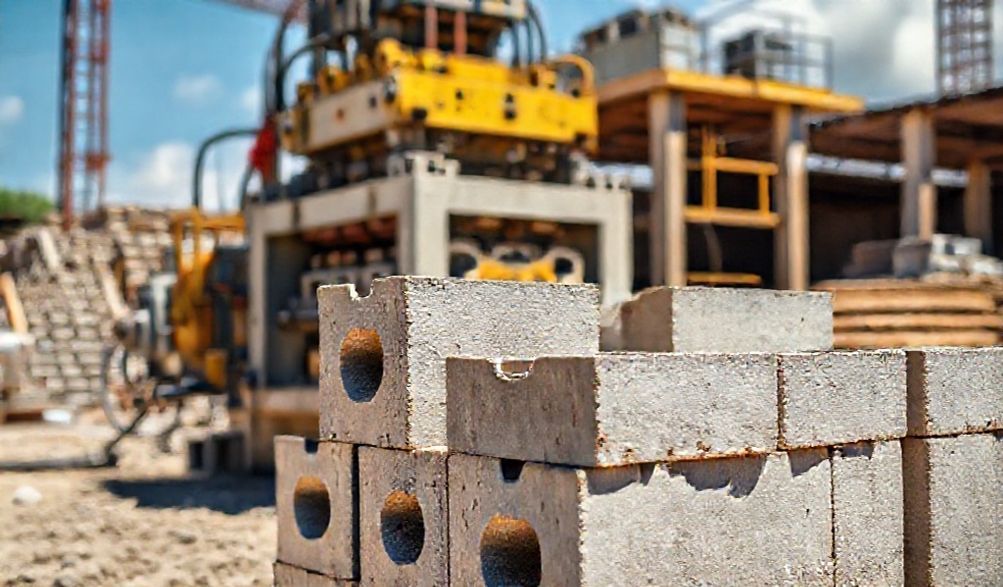
Presyo ng Hollow Block Machine sa Pilipinas (Gabay para sa 2024): Halaga, Mga Uri, at Mga Tip sa Pagbili
Panimula
Ikaw ay isang kontratista na nagtatapos sa badyet para sa isang bagong subdibisyon. O marahil ikaw ay isang negosyante sa Cebu o Davao, na nakakita ng oportunidad sa umuusbong na lokal na merkado ng konstruksyon. Ang iyong pananaliksik ay nagtungo sa isang kritikal na kagamitan: ang makina ng hollow block. Ngunit ang isang mabilis na online na paghahanap ay nag-iiwan sa iyo ng higit na pagkalito kaysa kumpiyansa. Ang mga presyo ay tila nagbabago mula sa ilang libong piso hanggang sa ilang milyon. Paano mo mapaglalabanan ito, gumawa ng isang matalinong pamumuhunan, at maiwasan ang isang magastos na pagkakamali na makapagpapahinto sa iyong proyekto o negosyo?
Nahanap mo ang tamang gabay. Ang hamon ng paghahanap ng maaasahang makina sa patas na presyo sa merkado ng Pilipinas ay totoo. Ang mga presyo ay lubhang nag-iiba batay sa uri, kapasidad, at pinagmulan, at ang pinakamurang opsyon ay maaaring maging pinakamahal sa katagalan dahil sa downtime at gastos sa pag-aayos.
Ang komprehensibong gabay na ito para sa 2024 ay idinisenyo upang magbigay-linaw sa lahat ng impormasyon. Bibigyan ka namin ng malinaw at dalubhasang impormasyon tungkol sa kasalukuyang mga saklaw ng presyo, ipapaliwanag ang iba't ibang uri ng makina at ang kanilang mga gamit, at ibabahagi ang mga pangunahing salik na nakakaapekto sa gastos. Higit sa lahat, tatalakayin namin ang kabuuang halaga ng pagmamay-ari bukod sa nakasulat na presyo at magbibigay ng praktikal na mga tip sa pagbili na angkop sa konteksto ng Pilipinas.
Ang mga insight dito ay pinagsama-sama mula sa datos ng industriya, konsultasyon sa mga lokal na supplier at manufacturer, at praktikal na kaalaman sa kalagayan ng konstruksyon sa buong Luzon, Visayas, at Mindanao. Ang layunin namin ay bigyan ka ng kaalaman upang makagawa ng isang maalam na desisyon na ganap na nababalanse ang iyong badyet, inaasahang kalidad, at pangangailangan sa produksyon.
Pag-unawa sa Hollow Block Machines: Mga Uri at Gamit
Bago natin pag-usapan ang mga numero, mahalagang maunawaan kung ano ang iyong binibili. Ang tamang uri ng makina para sa proyekto ng iyong kapitbahay ay maaaring lubos na hindi angkop para sa iyo. Suriin natin ang mga karaniwang makina na available sa merkado ng Pilipinas.
Mga Makina ng Manwal na Hollow Block
- Paglalarawan:Ang mga ito ang pinakabasikong uri, na ganap na pinatatakbo ng lakas ng tao gamit ang isang hand lever upang pindutin ang pinaghalong kongkreto sa isang molde. Hindi nangangailangan ng kuryente o makina, na ginagawa itong purong mekanikal.
- Angkop Para Sa:Napakaliit na proyekto (tulad ng pagtatayo ng isang bahay), mga negosyong bakuran sa mga lugar na may hindi matatag na suplay ng kuryente, o malalayong barangay. Isa rin itong mababang-risgong paraan upang subukan ang paggawa ng bloke.
- Karaniwang Kakayahang Mag-output:Mabagal at matrabaho ang produksyon. Ang output ay maaaring umabot mula sa80 hanggang 200 bloke bawat 8-oras na arawlabis na umaasa sa tibay ng operator.
Mga Semi-Awtomatikong Makina ng Hollow Block
- Paglalarawan:Ito ang pinakasikat na kategorya para sa maliliit hanggang katamtamang negosyo. Ang mga makina ay gumagamit ng motor na de-kuryente upang pagana ang isang vibrator na nagpapatigas ng kongkreto at isang sistema na haydroliko o mekanikal para sa kompresyon. Ang pangunahing pagkakaibang "semi-awtomatiko" ay ang paglalagay ng hilaw na timpla sa molde at ang pag-alis ng tapos na bloke ay ginagawa nang manu-mano.
- Angkop Para Sa:Ang pagtatatag ng isang dedikadong negosyo sa paggawa ng bloke (BMB), na nagbibigay ng mga bloke para sa mga lokal na proyekto sa konstruksiyon, o para sa mga kumpanya ng konstruksiyon na nangangailangan ng tuluy-tuloy at kontroladong suplay. Nag-aalok ang mga ito ng mahusay na balanse sa pagitan ng abot-kayang halaga at pinahusay na produktibidad.
- Karaniwang Kakayahang Mag-output:Iba-iba nang malaki depende sa modelo. Ang isang single-block machine ay maaaring makagawa ng200-400 bloke kada orasHabang ang isang multi-block (halimbawa, 3-6 bloke bawat ikot) na semi-awtomatikong makina ay maaaring gumawa800-1,500 bloke bawat 8-oras na turno.
Ganap na Awtomatikong Makina ng Hollow Block
- Paglalarawan:Ang mga ito ang mga pangunahing tagagawa ng mga bloke. Kadalasang kontrolado ng isang Programmable Logic Controller (PLC), awtomatiko nitong pinapatakbo ang buong proseso: paghahalo ng mga sangkap, paghahalo ng kongkreto, pagdadala nito sa hulma, pagpindot, pagpapatigas, at maging ang pagtatambak ng mga natapos na bloke sa mga palyete. Kadalasan, bumubuo ang mga ito ng isang kumpletong linya ng produksyon.
- Angkop Para Sa:Ang mga malalaking tagagawa ng bloke para sa komersyo (tulad ng mga naitatag na planta sa Bulacan o Cavite), mga pangunahing proyekto sa imprastruktura, o mga developer na nangangailangan ng malawakan at tuloy-tuloy na produksyon. Mataas ang puhunan, ngunit minimal ang gastos sa paggawa at napapakinabangan nang husto ang output.
- Karaniwang Kakayahang Mag-output:Ang output ay sinusukat sa mga bloke bawat oras. Ang isang karaniwang ganap na awtomatikong linya ay madaling makagawa ng2,000 hanggang 10,000+ bloke bawat 8-oras na turnodepende sa kanyang pagsasaayos at laki ng bloke.
Mobile Hollow Block Machines
- Paglalarawan: These are typically semi-automatic or fully automatic machines mounted on a robust trailer chassis, allowing the entire setup to be towed directly to a construction site.
- Angkop Para Sa: Large building sites, road projects, or government housing projects where transporting thousands of finished blocks from a remote plant is logistically challenging and expensive. Production happens on-site, drastically cutting transport costs and block damage.
- Karaniwang Kakayahang Mag-output: Similar to their stationary semi or fully automatic counterparts, but designed for rugged, temporary site conditions.
Hollow Block Machine Price Ranges in the Philippines (2024)
Now, let’s address the core question. The following price ranges are estimates for 2024, based on market research. Remember, these are ranges—the final price depends on the specific factors we’ll discuss next.
Price Breakdown by Machine Type
-
Mga Makina ng Manual Hollow Block: This is your entry-level price point.
- Price Range: ₱15,000 – ₱70,000.
- The lower end gets you a basic, single-block mold machine. Prices climb for machines with multiple mold configurations (allowing different block sizes) or those made with more durable steel frames.
-
Mga Makina ng Semi-Automatic na Hollow Block: This is where the market is most active and varied.
- Price Range: ₱80,000 – ₱800,000.
- A basic, single-block vibrator machine might start around ₱80,000. The price increases substantially for models with hydraulic compression and multi-block molds (producing 3, 4, 6, or even 10 blocks per cycle). Brand, motor power (HP), and build quality are major differentiators here.
-
Fully Automatic Hollow Block Machines: This is a major capital investment.
- Price Range: ₱1,000,000 – ₱5,000,000+.
- A basic automatic stationary machine might start around ₱1 million. For a complete, high-output production line with automatic mixer, conveyor, and stacker, prices can easily reach ₱3-5 million or more. Imported European brands command a premium at the very top end.
-
Mobile Hollow Block Machines:
- Price Range: ₱500,000 – ₱2,500,000+.
- You are essentially paying for a semi or fully automatic machine plus the mobility package (heavy-duty trailer, axle, sometimes a generator). Prices align with the automation level of the core machine.
Key Factors That Influence the Price
Why is there such a wide range? Here are the main drivers:
- Kapasidad sa Produksiyon: This is the #1 factor. A machine that makes 500 blocks per hour will cost less than one that makes 2,000 blocks per hour. Be realistic about your needs.
- Antas ng Automation: Each step of automation (from manual lever to hydraulic press to PLC control) adds cost but also reduces long-term labor costs and increases consistency.
- Brand & Country of Origin:
- Local Philippine Brands: Often offer competitive pricing and the huge advantage of readily available spare parts and technical support within the country.
- Imported Brands (e.g., China): Can offer very attractive upfront prices. However, it’s critical to choose a supplier with a strong local warehouse and service team. The cheapest import with no local support is a high-risk purchase.
- Imported Brands (e.g., Germany, Italy): Represent the premium tier with exceptional engineering and durability, reflected in a significantly higher price.
- Machine Build Quality: The grade of steel, the quality of the hydraulic pumps and valves, the power of the vibrator motors, and the precision of the welding all affect both price and longevity. A thicker, reinforced frame costs more but will withstand years of tough use.
- After-Sales Service & Warranty: Never underestimate this. A machine priced 10% lower but with no reliable service network can become a worthless pile of metal if a key component fails. A reputable supplier offering a 1-year warranty on parts and labor, with technicians a phone call away, provides immense value and peace of mind.
Beyond the Sticker Price: Total Cost of Ownership
A savvy buyer looks beyond the initial quote. The true cost of owning a hollow block machine includes several ongoing expenses.
Initial Investment Breakdown
- Machine Cost: The base price from the supplier.
- Delivery and Installation: Freight costs from the supplier’s warehouse to your site, especially important for large machines or those shipped from overseas. Some suppliers include basic installation and setup.
- Initial Spare Parts and Tools: It’s wise to purchase an initial set of common wear parts (like extra mold liners, gaskets, or vibration mounts) and necessary tools.
Operational Costs
- Electricity Consumption: Semi and fully automatic machines are power-hungry. A 10-15 HP motor running 8 hours a day will significantly impact your monthly electricity bill. Factor this into your production cost per block.
- Mga Hilaw na Materyales: This is your largest recurring cost—cement, sand, and gravel. Their price and quality consistency directly affect your block quality and profit margin.
- Gastos sa Paggawa: A manual machine requires strong, dedicated labor. A semi-automatic machine needs 2-3 operators. A fully automatic line may only need 1-2 people to monitor the process. Calculate wages into your overhead.
- Maintenance and Repair Costs: Regular lubrication, cleaning, and part replacement (like hydraulic seals or vibrator bearings) are essential. Budget for periodic maintenance and unexpected repairs.
The Importance of After-Sales Support
In the Philippine setting, this cannot be overstated.
- Lokal na Teknikal na Suporta: Is there a hotline? How quickly can a technician arrive if your machine breaks down? Downtime is lost production and lost income.
- Kagamitan sa Pagkukumpuni: Does the supplier stock common parts in a local warehouse, or do they need to be ordered from abroad with a 2-month lead time?
- Warranty Coverage: Read the fine print. What is covered (parts? labor?) and for how long? A clear warranty is a sign of a confident supplier.
- Pagsasanay: Does the supplier provide hands-on training for your operators on proper use, daily maintenance, and basic troubleshooting? This is invaluable for preventing costly mistakes and extending machine life.
How to Choose the Right Machine for Your Needs & Budget
Armed with knowledge on types and costs, follow this actionable framework to make your decision.
Assess Your Production Requirements
Tanungin mo ang iyong sarili sa mga tanong na ito:
* What is my average daily or weekly block requirement? (Be realistic about current needs and near-future growth).
* What standard block sizes (4”, 5”, 6”, CHB) does my market demand?
* Will I be producing on a fixed site or moving between multiple locations?
* What is the reliable power supply at my location?
Your answers will point you clearly to a machine type and capacity range.
Evaluate Your Budget Realistically
- Separate Capital: Distinguish your initial capital (for the machine, delivery, site preparation) from your working capital (for raw materials, labor, utilities, and marketing).
- Explore Financing: Don’t assume you must pay cash. Many reputable equipment suppliers offer in-house installment plans. Banks also have SME loan programs for capital equipment purchases. A good financing plan can allow you to acquire a more productive machine sooner.
Research and Vet Suppliers Thoroughly
This step is your primary risk mitigation strategy.
* Pisikal na Presensya: Prefer suppliers with an actual office, showroom, or factory you can visit in the Philippines (e.g., in Metro Manila, Cebu, or Davao).
* Business Credentials: Check their SEC registration, business permits, and membership in industry associations.
* The Ultimate Test – Customer References: Any trustworthy supplier will gladly provide contact details of previous customers. Call them. Ask about machine performance, reliability, and most importantly, the quality of after-sales support. Check Google and Facebook for genuine reviews.
Request a Demo and Detailed Quotation
- See It Run: If possible, visit the supplier or a customer’s site to see the exact model running. Observe the build quality, noise level, and ease of operation.
- Get a Detailed Quote: Your quotation should be itemized and include: Machine Model & Specifications, FOB Price, Delivery Charges, Any Taxes (VAT), Warranty Terms, and Training Offered. This prevents hidden costs from appearing later.
Mga Madalas Itanong (FAQ)
Q: What is the cheapest type of hollow block machine available?
Isalin ang teksto sa Filipino. I-output LAMANG ang isinalin na teksto. Manual machines have the lowest upfront cost, starting around ₱15,000. However, factor in high labor costs and very low output. For any sustained production, a semi-automatic machine often offers a better long-term value.
Q: Are imported machines from China better than local Philippine brands?
Isalin ang teksto sa Filipino. I-output LAMANG ang isinalin na teksto. It’s not a simple “yes” or “no.” Many quality machines are manufactured in China. The critical factor is the tagapagtustos, not just the origin. Choose an importer with a proven track record, local technical staff, and a spare parts inventory in the Philippines. A reliable local brand often provides faster service and support.
Q: Can I get a loan or financing for a hollow block machine?
Isalin ang teksto sa Filipino. I-output LAMANG ang isinalin na teksto. Yes. Many equipment dealers offer installment plans directly. Additionally, banks like Landbank, DBP, and private banks have business loan programs for purchasing machinery. Prepare a simple business plan to support your application.
Q: How much profit can I make from a hollow block business?
Isalin ang teksto sa Filipino. I-output LAMANG ang isinalin na teksto. Profitability varies widely based on location, efficiency, material costs, and selling price. As a rough example, a small semi-automatic operation can have a gross margin of 20-30% per block after accounting for materials, labor, and overhead. Market demand in your area is the key driver.
Q: What maintenance does a hollow block machine require?
Isalin ang teksto sa Filipino. I-output LAMANG ang isinalin na teksto. Daily: Clean excess concrete from the mold and platform. Weekly: Lubricate all moving parts (pivots, bearings). Monthly: Check hydraulic oil levels and cleanliness; inspect vibrator mounts and electrical connections. Follow the specific schedule in your machine’s manual.
Konklusyon
Finding the right hollow block machine price in the Philippines isn’t about hunting for the absolute lowest number. It’s about finding the tamang halaga—a machine whose cost aligns with its long-term reliability, output capacity, and the quality of support behind it.
Your journey should be guided by a clear understanding of your own production needs, a realistic budget that includes operational costs, and, above all, thorough due diligence on your supplier. The trustworthiness and service capability of the company you buy from are often more important than the brand stamped on the machine.
Arm yourself with the knowledge from this guide, take the time to visit trusted suppliers, inspect their machines, and speak to their past customers. By doing so, you won’t just be buying a piece of equipment; you’ll be making a strategic investment that builds the literal foundation for your construction project or business success.
<