
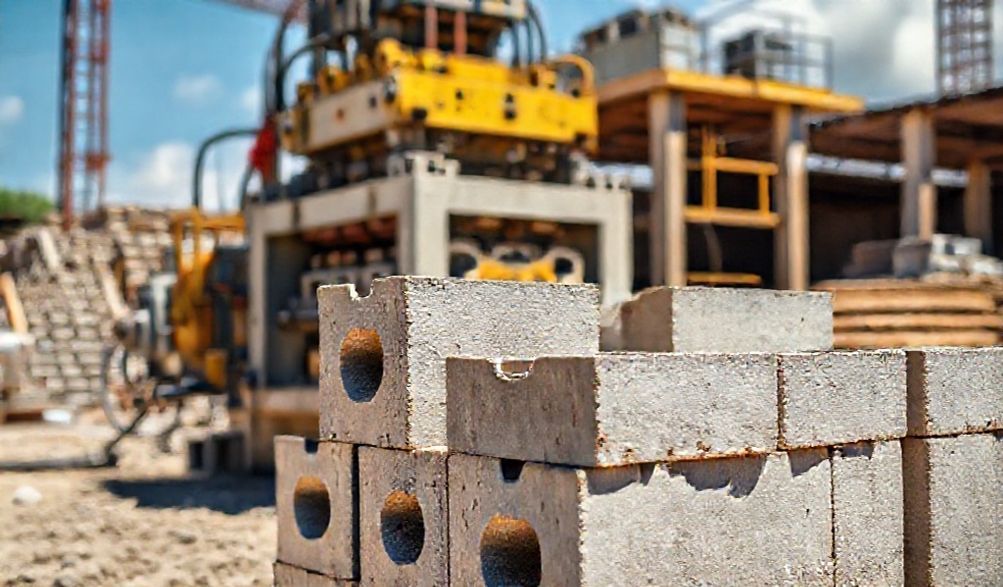
Цена на станок для производства пустотелых блоков на Филиппинах (руководство на 2024 год): стоимость, типы и советы по покупке
Введение
Вы подрядчик, завершающий составление бюджета для нового микрорайона. Или, возможно, вы предприниматель из Себу или Давао, заметивший возможность на растущем местном строительном рынке. Ваше исследование привело вас к одному критически важному оборудованию: машине для производства пустотелых блоков. Но быстрый поиск в интернете оставляет вас скорее растерянным, чем уверенным. Цены, кажется, колеблются от нескольких тысяч песо до нескольких миллионов. Как же вам разобраться в этом, сделать разумные инвестиции и избежать дорогостоящей ошибки, которая затормозит ваш проект или бизнес?
Вы нашли нужное руководство. Проблема поиска надежного оборудования по справедливой цене на филиппинском рынке действительно существует. Цены сильно разнятся в зависимости от типа, мощности и происхождения, а самый дешевый вариант часто может оказаться самым дорогим в долгосрочной перспективе из-за простоев и затрат на ремонт.
Это всеобъемлющее руководство 2024 года создано, чтобы отделить важное от второстепенного. Мы предоставим вам четкую, экспертно подтвержденную информацию о текущих ценовых диапазонах, объясним различные типы машин и их применение, а также разберем ключевые факторы, влияющие на стоимость. Что еще важнее, мы выйдем за рамки начальной цены, чтобы обсудить совокупные расходы на владение и предложим практические советы по покупке, адаптированные к условиям Филиппин.
Представленные выводы основаны на отраслевых данных, консультациях с местными поставщиками и производителями, а также практическом знании строительной сферы на Лусоне, Висайских островах и Минданао. Наша цель — вооружить вас знаниями для принятия взвешенного решения, которое идеально сбалансирует ваш бюджет, требования к качеству и производственные потребности.
Понимание машин для производства пустотелых блоков: типы и применение
Прежде чем говорить о цифрах, важно понять, что именно вы покупаете. Машина, идеально подходящая для проекта вашего соседа, может оказаться совершенно неподходящей для вашего. Давайте разберем распространенные типы техники, доступные на рынке Филиппин.
Ручные станки для производства пустотелых блоков
- Описание:Это самый простой тип, полностью управляемый человеческой силой с помощью ручного рычага для уплотнения бетонной смеси в форме. Они не требуют электричества или двигателя, что делает их чисто механическими.
- Идеально подходит для:Крайне маломасштабные проекты (например, строительство отдельного дома), небольшие домашние предприятия в районах с нестабильным электроснабжением или удаленные баррио. Они также представляют собой низкорисковый способ испытать возможности производства блоков.
- Типичная выходная мощность:Производство идет медленно и требует больших трудозатрат. Выпуск продукции может варьироваться отОт 80 до 200 блоков за 8-часовой рабочий деньсильно зависит от выносливости оператора.
Полуавтоматические станки для производства пустотелых блоков
- Описание:Это самая популярная категория для малых и средних предприятий. В этих машинах используется электродвигатель для привода вибратора, уплотняющего бетон, и гидравлическая или механическая система для прессования. Ключевое отличие «полуавтоматических» моделей заключается в том, что загрузка сырой смеси в форму и извлечение готовых блоков выполняются вручную.
- Идеально подходит для:Начать специализированный бизнес по производству строительных блоков (BMB), поставляя блоки для местных строительных проектов или для строительных компаний, которым необходим стабильный и контролируемый объем поставок. Это обеспечивает отличный баланс между доступной ценой и повышенной производительностью.
- Типичная выходная мощность:Сильно варьируется в зависимости от модели. Односекционная машина может производить200-400 блоков в часВ то время как полуавтоматическая машина с несколькими блоками (например, 3-6 блоков за цикл) может производить800-1,500 блоков за 8-часовую смену.
Полностью автоматические станки для производства пустотелых блоков
- Описание:Это силовые установки для производства блоков. Часто управляемые программируемым логическим контроллером (ПЛК), они автоматизируют весь процесс: дозирование, смешивание, транспортировку бетона к форме, прессование, отверждение и даже укладку готовых блоков на поддоны. Они часто образуют полную производственную линию.
- Идеально подходит для:Крупные производители коммерческих блоков (например, устоявшиеся заводы в Булакане или Кавите), масштабные инфраструктурные проекты или застройщики, которым требуется огромный и стабильный объем продукции. Инвестиции высоки, но затраты на труд минимальны, а выпуск продукции максимален.
- Типичная выходная мощность:Производительность измеряется в блоках в час. Стандартная полностью автоматическая линия может легко производитьОт 2 000 до 10 000+ блоков за 8-часовую сменув зависимости от его конфигурации и размера блока.
Mobile Hollow Block Machines
- Описание: These are typically semi-automatic or fully automatic machines mounted on a robust trailer chassis, allowing the entire setup to be towed directly to a construction site.
- Идеально подходит для: Large building sites, road projects, or government housing projects where transporting thousands of finished blocks from a remote plant is logistically challenging and expensive. Production happens on-site, drastically cutting transport costs and block damage.
- Типичная выходная мощность: Similar to their stationary semi or fully automatic counterparts, but designed for rugged, temporary site conditions.
Hollow Block Machine Price Ranges in the Philippines (2024)
Now, let’s address the core question. The following price ranges are estimates for 2024, based on market research. Remember, these are ranges—the final price depends on the specific factors we’ll discuss next.
Price Breakdown by Machine Type
-
Ручные станки для производства пустотелых блоков: This is your entry-level price point.
- Price Range: ₱15,000 – ₱70,000.
- The lower end gets you a basic, single-block mold machine. Prices climb for machines with multiple mold configurations (allowing different block sizes) or those made with more durable steel frames.
-
Полуавтоматические станки для производства пустотелых блоков: This is where the market is most active and varied.
- Price Range: ₱80,000 – ₱800,000.
- A basic, single-block vibrator machine might start around ₱80,000. The price increases substantially for models with hydraulic compression and multi-block molds (producing 3, 4, 6, or even 10 blocks per cycle). Brand, motor power (HP), and build quality are major differentiators here.
-
Полностью автоматические станки для производства пустотелых блоков: This is a major capital investment.
- Price Range: ₱1,000,000 – ₱5,000,000+.
- A basic automatic stationary machine might start around ₱1 million. For a complete, high-output production line with automatic mixer, conveyor, and stacker, prices can easily reach ₱3-5 million or more. Imported European brands command a premium at the very top end.
-
Mobile Hollow Block Machines:
- Price Range: ₱500,000 – ₱2,500,000+.
- You are essentially paying for a semi or fully automatic machine plus the mobility package (heavy-duty trailer, axle, sometimes a generator). Prices align with the automation level of the core machine.
Key Factors That Influence the Price
Why is there such a wide range? Here are the main drivers:
- Производственные мощности: This is the #1 factor. A machine that makes 500 blocks per hour will cost less than one that makes 2,000 blocks per hour. Be realistic about your needs.
- Уровень автоматизации: Each step of automation (from manual lever to hydraulic press to PLC control) adds cost but also reduces long-term labor costs and increases consistency.
- Бренд и страна происхождения:
- Local Philippine Brands: Often offer competitive pricing and the huge advantage of readily available spare parts and technical support within the country.
- Imported Brands (e.g., China): Can offer very attractive upfront prices. However, it’s critical to choose a supplier with a strong local warehouse and service team. The cheapest import with no local support is a high-risk purchase.
- Imported Brands (e.g., Germany, Italy): Represent the premium tier with exceptional engineering and durability, reflected in a significantly higher price.
- Machine Build Quality: The grade of steel, the quality of the hydraulic pumps and valves, the power of the vibrator motors, and the precision of the welding all affect both price and longevity. A thicker, reinforced frame costs more but will withstand years of tough use.
- After-Sales Service & Warranty: Never underestimate this. A machine priced 10% lower but with no reliable service network can become a worthless pile of metal if a key component fails. A reputable supplier offering a 1-year warranty on parts and labor, with technicians a phone call away, provides immense value and peace of mind.
Beyond the Sticker Price: Total Cost of Ownership
A savvy buyer looks beyond the initial quote. The true cost of owning a hollow block machine includes several ongoing expenses.
Initial Investment Breakdown
- Machine Cost: The base price from the supplier.
- Delivery and Installation: Freight costs from the supplier’s warehouse to your site, especially important for large machines or those shipped from overseas. Some suppliers include basic installation and setup.
- Initial Spare Parts and Tools: It’s wise to purchase an initial set of common wear parts (like extra mold liners, gaskets, or vibration mounts) and necessary tools.
Operational Costs
- Electricity Consumption: Semi and fully automatic machines are power-hungry. A 10-15 HP motor running 8 hours a day will significantly impact your monthly electricity bill. Factor this into your production cost per block.
- Сырье: This is your largest recurring cost—cement, sand, and gravel. Their price and quality consistency directly affect your block quality and profit margin.
- Трудовые затраты: A manual machine requires strong, dedicated labor. A semi-automatic machine needs 2-3 operators. A fully automatic line may only need 1-2 people to monitor the process. Calculate wages into your overhead.
- Maintenance and Repair Costs: Regular lubrication, cleaning, and part replacement (like hydraulic seals or vibrator bearings) are essential. Budget for periodic maintenance and unexpected repairs.
The Importance of After-Sales Support
In the Philippine setting, this cannot be overstated.
- Локальная техническая поддержка: Is there a hotline? How quickly can a technician arrive if your machine breaks down? Downtime is lost production and lost income.
- Наличие запасных частей: Does the supplier stock common parts in a local warehouse, or do they need to be ordered from abroad with a 2-month lead time?
- Гарантийное покрытие: Read the fine print. What is covered (parts? labor?) and for how long? A clear warranty is a sign of a confident supplier.
- Обучение: Does the supplier provide hands-on training for your operators on proper use, daily maintenance, and basic troubleshooting? This is invaluable for preventing costly mistakes and extending machine life.
How to Choose the Right Machine for Your Needs & Budget
Armed with knowledge on types and costs, follow this actionable framework to make your decision.
Assess Your Production Requirements
Задайте себе эти вопросы:
* What is my average daily or weekly block requirement? (Be realistic about current needs and near-future growth).
* What standard block sizes (4”, 5”, 6”, CHB) does my market demand?
* Will I be producing on a fixed site or moving between multiple locations?
* What is the reliable power supply at my location?
Your answers will point you clearly to a machine type and capacity range.
Evaluate Your Budget Realistically
- Separate Capital: Distinguish your initial capital (for the machine, delivery, site preparation) from your working capital (for raw materials, labor, utilities, and marketing).
- Explore Financing: Don’t assume you must pay cash. Many reputable equipment suppliers offer in-house installment plans. Banks also have SME loan programs for capital equipment purchases. A good financing plan can allow you to acquire a more productive machine sooner.
Research and Vet Suppliers Thoroughly
This step is your primary risk mitigation strategy.
* Physical Presence: Prefer suppliers with an actual office, showroom, or factory you can visit in the Philippines (e.g., in Metro Manila, Cebu, or Davao).
* Business Credentials: Check their SEC registration, business permits, and membership in industry associations.
* The Ultimate Test – Customer References: Any trustworthy supplier will gladly provide contact details of previous customers. Call them. Ask about machine performance, reliability, and most importantly, the quality of after-sales support. Check Google and Facebook for genuine reviews.
Request a Demo and Detailed Quotation
- See It Run: If possible, visit the supplier or a customer’s site to see the exact model running. Observe the build quality, noise level, and ease of operation.
- Get a Detailed Quote: Your quotation should be itemized and include: Machine Model & Specifications, FOB Price, Delivery Charges, Any Taxes (VAT), Warranty Terms, and Training Offered. This prevents hidden costs from appearing later.
Frequently Asked Questions (FAQ)
Q: What is the cheapest type of hollow block machine available?
А: Manual machines have the lowest upfront cost, starting around ₱15,000. However, factor in high labor costs and very low output. For any sustained production, a semi-automatic machine often offers a better long-term value.
Q: Are imported machines from China better than local Philippine brands?
А: It’s not a simple “yes” or “no.” Many quality machines are manufactured in China. The critical factor is the поставщик, not just the origin. Choose an importer with a proven track record, local technical staff, and a spare parts inventory in the Philippines. A reliable local brand often provides faster service and support.
Q: Can I get a loan or financing for a hollow block machine?
А: Yes. Many equipment dealers offer installment plans directly. Additionally, banks like Landbank, DBP, and private banks have business loan programs for purchasing machinery. Prepare a simple business plan to support your application.
Q: How much profit can I make from a hollow block business?
А: Profitability varies widely based on location, efficiency, material costs, and selling price. As a rough example, a small semi-automatic operation can have a gross margin of 20-30% per block after accounting for materials, labor, and overhead. Market demand in your area is the key driver.
Q: What maintenance does a hollow block machine require?
А: Daily: Clean excess concrete from the mold and platform. Weekly: Lubricate all moving parts (pivots, bearings). Monthly: Check hydraulic oil levels and cleanliness; inspect vibrator mounts and electrical connections. Follow the specific schedule in your machine’s manual.
Заключение
Finding the right hollow block machine price in the Philippines isn’t about hunting for the absolute lowest number. It’s about finding the правильное значение—a machine whose cost aligns with its long-term reliability, output capacity, and the quality of support behind it.
Your journey should be guided by a clear understanding of your own production needs, a realistic budget that includes operational costs, and, above all, thorough due diligence on your supplier. The trustworthiness and service capability of the company you buy from are often more important than the brand stamped on the machine.
Arm yourself with the knowledge from this guide, take the time to visit trusted suppliers, inspect their machines, and speak to their past customers. By doing so, you won’t just be buying a piece of equipment; you’ll be making a strategic investment that builds the literal foundation for your construction project or business success.
<