
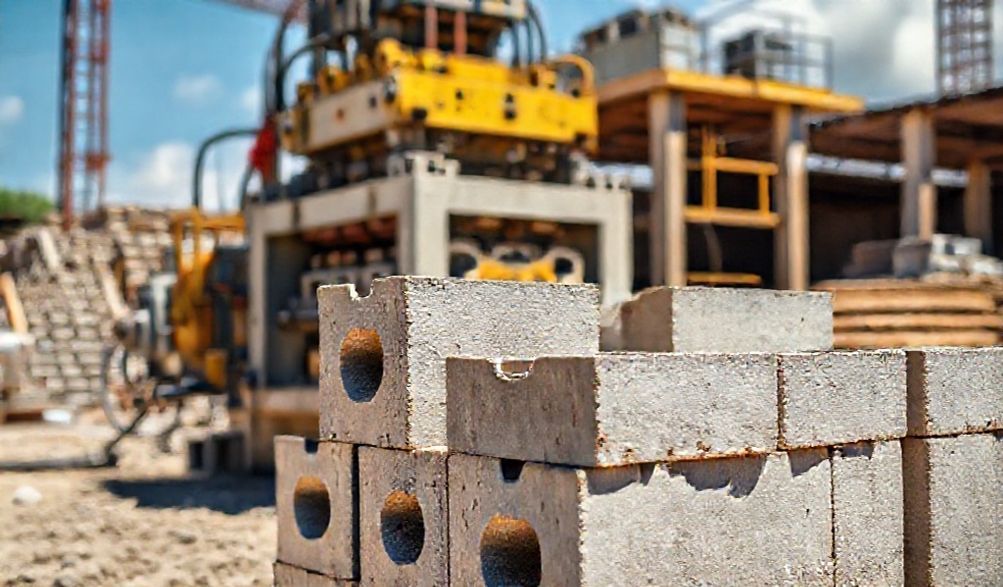
سعر ماكينة البلوك المجوف في الفلبين (دليل 2024): التكلفة، الأنواع ونصائح الشراء
مقدمة
أنت مقاول تضع اللمسات الأخيرة على ميزانية لتقسيم فرعي جديد. أو ربما أنت رائد أعمال في سيبو أو دافاو، تكتشف فرصة في سوق البناء المحلي المزدهر. قادك بحثك إلى قطعة حاسمة من المعدات: ماكينة صنع البلوك المجوف. لكن بحثًا سريعًا على الإنترنت يتركك في حيرة أكبر من الثقة. تبدو الأسعار متأرجحة من بضعة آلاف بيسو إلى عدة ملايين. كيف يمكنك على الأرجح اجتياز هذا، واتخاذ استثمار ذكي، وتجنب خطأ مكلف يعيق مشروعك أو عملك؟
لقد وجدت الدليل المناسب. إن تحدي العثور على آلة موثوقة بسعر عادل في السوق الفلبينية حقيقي. تتفاوت الأسعار بشكل كبير بناءً على النوع، السعة، والمنشأ، وغالباً ما تصبح الخيار الأرخص هو الأكثر تكلفة على المدى الطويل بسبب وقت التوقف وتكاليف الإصلاح.
هذا الدليل الشامل لعام 2024 مصمم لاختراق الضجيج. سنزودك بمعلومات واضحة مدعومة من الخبراء حول نطاقات الأسعار الحالية، ونشرح الأنواع المختلفة من الآلات وتطبيقاتها، ونفصل العوامل الرئيسية التي تؤثر على التكلفة. والأهم من ذلك، سنتجاوز سعر الملصق لمناقشة تكاليف الملكية الإجمالية ونقدم نصائح شراء عملية مخصصة للسياق الفلبيني.
تم تجميع الرؤى هنا من بيانات الصناعة، ومشاورات مع الموردين والمصنعين المحليين، والمعرفة العملية بمشهد البناء في جميع أنحاء لوزون، وبيسايا، ومينداناو. هدفنا هو تزويدك بالمعرفة اللازمة لاتخاذ قرار مستنير يوازن بشكل مثالي بين ميزانيتك، وتوقعات الجودة، واحتياجات الإنتاج.
فهم آلات الطوب المجوف: الأنواع والتطبيقات
قبل أن نتحدث عن الأرقام، من الضروري فهم ما تشتريه. نوع الجهاز المناسب لمشروع جارك قد يكون خاطئًا تمامًا لمشروعك. دعنا نحلل الآلات الشائعة المتاحة في السوق الفلبينية.
آلات البلوك اليدوية المجوفة
- الوصف:هذه هي النوع الأساسي الأكثر شيوعًا، تعمل بالكامل بالقوة البشرية باستخدام ذراع يدوي لضغط خليط الخرسانة في القالب. لا تتطلب كهرباء أو محرك، مما يجعلها ميكانيكية بحتة.
- مثالي لـ:المشاريع متناهية الصغر (مثل بناء منزل واحد)، والمشاريع الصغيرة في المناطق ذات إمدادات الطاقة غير المستقرة، أو المناطق النائية. كما أنها طريقة منخفضة المخاطر لاختبار إنتاج الكتل.
- السعة الإنتاجية النموذجية:الإنتاج بطيء ويتطلب كثافة عمالية. قد يتراوح الناتج من80 إلى 200 كتلة في اليوم الواحد المكون من 8 ساعاتتعتمد بشكل كبير على قدرة التحمل لدى المشغل.
آلات الطوب المجوف شبه الأوتوماتيكية
- الوصف:هذه الفئة هي الأكثر شيوعًا للشركات الصغيرة والمتوسطة. تستخدم هذه الآلات محركًا كهربائيًا لتشغيل هزاز يقوم بدمج الخرسانة ونظام هيدروليكي أو ميكانيكي للضغط. التمييز الرئيسي "شبه الآلي" هو أن تغذية الخليط الخام في القالب وإزالة البلوكات النهائية يتم يدويًا.
- مثالي لـ:بدء عمل تجاري مخصص لصناعة البلوك (BMB)، وتوريد البلوك لمشاريع البناء المحلية، أو لشركات البناء التي تحتاج إلى إمداد منتظم ومُتحكم فيه. فهي توفر توازنًا رائعًا بين القدرة على تحمل التكلفة وتحسين الإنتاجية.
- السعة الإنتاجية النموذجية:يختلف بشكل كبير حسب الموديل. قد تنتج آلة ذات كتلة واحدة200-400 كتلة في الساعةبينما يمكن لآلة شبه آلية متعددة الكتل (على سبيل المثال، 3-6 كتل لكل دورة) أن تنتج800-1500 كتلة لكل نوبة عمل مدتها 8 ساعات.
آلات صناعة الطوب المجوف الأوتوماتيكية بالكامل
- الوصف:هذه هي محطات توليد إنتاج البلوك. غالبًا ما يتم التحكم فيها بواسطة وحدة تحكم منطقية قابلة للبرمجة (PLC)، حيث تؤتمت العملية بأكملها: الخلط، والجمع، ونقل الخرسانة إلى القالب، والضغط، والمعالجة، وحتى تكديس البلوك النهائي على المنصات. غالبًا ما تشكل خط إنتاج كاملًا.
- مثالي لـ:مصنعو الكتل التجارية واسعة النطاق (مثل المصانع الراسخة في بولاكان أو كافيت)، أو مشاريع البنية التحتية الكبرى، أو المطورون الذين يحتاجون إلى إنتاج هائل ومستمر. الاستثمار مرتفع، لكن تكاليف العمالة ضئيلة والإنتاج في أقصى حدوده.
- السعة الإنتاجية النموذجية:يتم قياس الإنتاجية بالكتل في الساعة. يمكن للخط الآلي القياسي الكامل إنتاجها بسهولة2000 إلى 10000+ قطعة لكل وردية عمل مدتها 8 ساعات, depending on its configuration and block size.
Mobile Hollow Block Machines
- الوصف: These are typically semi-automatic or fully automatic machines mounted on a robust trailer chassis, allowing the entire setup to be towed directly to a construction site.
- مثالي لـ: Large building sites, road projects, or government housing projects where transporting thousands of finished blocks from a remote plant is logistically challenging and expensive. Production happens on-site, drastically cutting transport costs and block damage.
- السعة الإنتاجية النموذجية: Similar to their stationary semi or fully automatic counterparts, but designed for rugged, temporary site conditions.
Hollow Block Machine Price Ranges in the Philippines (2024)
Now, let’s address the core question. The following price ranges are estimates for 2024, based on market research. Remember, these are ranges—the final price depends on the specific factors we’ll discuss next.
Price Breakdown by Machine Type
-
ماكينات الطوب المجوفة اليدوية: This is your entry-level price point.
- Price Range: ₱15,000 – ₱70,000.
- The lower end gets you a basic, single-block mold machine. Prices climb for machines with multiple mold configurations (allowing different block sizes) or those made with more durable steel frames.
-
آلات الطوب المجوف شبه الأوتوماتيكية: This is where the market is most active and varied.
- Price Range: ₱80,000 – ₱800,000.
- A basic, single-block vibrator machine might start around ₱80,000. The price increases substantially for models with hydraulic compression and multi-block molds (producing 3, 4, 6, or even 10 blocks per cycle). Brand, motor power (HP), and build quality are major differentiators here.
-
آلات البلوك المجوف الأوتوماتيكية بالكامل: This is a major capital investment.
- Price Range: ₱1,000,000 – ₱5,000,000+.
- A basic automatic stationary machine might start around ₱1 million. For a complete, high-output production line with automatic mixer, conveyor, and stacker, prices can easily reach ₱3-5 million or more. Imported European brands command a premium at the very top end.
-
Mobile Hollow Block Machines:
- Price Range: ₱500,000 – ₱2,500,000+.
- You are essentially paying for a semi or fully automatic machine plus the mobility package (heavy-duty trailer, axle, sometimes a generator). Prices align with the automation level of the core machine.
Key Factors That Influence the Price
Why is there such a wide range? Here are the main drivers:
- القدرة الإنتاجية: This is the #1 factor. A machine that makes 500 blocks per hour will cost less than one that makes 2,000 blocks per hour. Be realistic about your needs.
- مستوى الأتمتة: Each step of automation (from manual lever to hydraulic press to PLC control) adds cost but also reduces long-term labor costs and increases consistency.
- Brand & Country of Origin:
- Local Philippine Brands: Often offer competitive pricing and the huge advantage of readily available spare parts and technical support within the country.
- Imported Brands (e.g., China): Can offer very attractive upfront prices. However, it’s critical to choose a supplier with a strong local warehouse and service team. The cheapest import with no local support is a high-risk purchase.
- Imported Brands (e.g., Germany, Italy): Represent the premium tier with exceptional engineering and durability, reflected in a significantly higher price.
- Machine Build Quality: The grade of steel, the quality of the hydraulic pumps and valves, the power of the vibrator motors, and the precision of the welding all affect both price and longevity. A thicker, reinforced frame costs more but will withstand years of tough use.
- After-Sales Service & Warranty: Never underestimate this. A machine priced 10% lower but with no reliable service network can become a worthless pile of metal if a key component fails. A reputable supplier offering a 1-year warranty on parts and labor, with technicians a phone call away, provides immense value and peace of mind.
Beyond the Sticker Price: Total Cost of Ownership
A savvy buyer looks beyond the initial quote. The true cost of owning a hollow block machine includes several ongoing expenses.
Initial Investment Breakdown
- Machine Cost: The base price from the supplier.
- Delivery and Installation: Freight costs from the supplier’s warehouse to your site, especially important for large machines or those shipped from overseas. Some suppliers include basic installation and setup.
- Initial Spare Parts and Tools: It’s wise to purchase an initial set of common wear parts (like extra mold liners, gaskets, or vibration mounts) and necessary tools.
Operational Costs
- Electricity Consumption: Semi and fully automatic machines are power-hungry. A 10-15 HP motor running 8 hours a day will significantly impact your monthly electricity bill. Factor this into your production cost per block.
- المواد الخام: This is your largest recurring cost—cement, sand, and gravel. Their price and quality consistency directly affect your block quality and profit margin.
- تكاليف العمالة A manual machine requires strong, dedicated labor. A semi-automatic machine needs 2-3 operators. A fully automatic line may only need 1-2 people to monitor the process. Calculate wages into your overhead.
- Maintenance and Repair Costs: Regular lubrication, cleaning, and part replacement (like hydraulic seals or vibrator bearings) are essential. Budget for periodic maintenance and unexpected repairs.
The Importance of After-Sales Support
In the Philippine setting, this cannot be overstated.
- الدعم الفني المحلي: Is there a hotline? How quickly can a technician arrive if your machine breaks down? Downtime is lost production and lost income.
- توفر قطع الغيار Does the supplier stock common parts in a local warehouse, or do they need to be ordered from abroad with a 2-month lead time?
- Warranty Coverage: Read the fine print. What is covered (parts? labor?) and for how long? A clear warranty is a sign of a confident supplier.
- تدريب Does the supplier provide hands-on training for your operators on proper use, daily maintenance, and basic troubleshooting? This is invaluable for preventing costly mistakes and extending machine life.
How to Choose the Right Machine for Your Needs & Budget
Armed with knowledge on types and costs, follow this actionable framework to make your decision.
Assess Your Production Requirements
اسأل نفسك هذه الأسئلة:
* What is my average daily or weekly block requirement? (Be realistic about current needs and near-future growth).
* ماذاstandard block sizes (4”, 5”, 6”, CHB) does my market demand?
* Will I be producing on a fixed site or moving between multiple locations?
* ما هوreliable power supply at my location?
Your answers will point you clearly to a machine type and capacity range.
Evaluate Your Budget Realistically
- Separate Capital: Distinguish your initial capital (for the machine, delivery, site preparation) from your working capital (for raw materials, labor, utilities, and marketing).
- Explore Financing: Don’t assume you must pay cash. Many reputable equipment suppliers offer in-house installment plans. Banks also have SME loan programs for capital equipment purchases. A good financing plan can allow you to acquire a more productive machine sooner.
Research and Vet Suppliers Thoroughly
This step is your primary risk mitigation strategy.
* Physical Presence: Prefer suppliers with an actual office, showroom, or factory you can visit in the Philippines (e.g., in Metro Manila, Cebu, or Davao).
* Business Credentials: Check their SEC registration, business permits, and membership in industry associations.
* The Ultimate Test – Customer References: Any trustworthy supplier will gladly provide contact details of previous customers. Call them. Ask about machine performance, reliability, and most importantly, the quality of after-sales support. Check Google and Facebook for genuine reviews.
Request a Demo and Detailed Quotation
- See It Run: If possible, visit the supplier or a customer’s site to see the exact model running. Observe the build quality, noise level, and ease of operation.
- Get a Detailed Quote: Your quotation should be itemized and include: Machine Model & Specifications, FOB Price, Delivery Charges, Any Taxes (VAT), Warranty Terms, and Training Offered. This prevents hidden costs from appearing later.
الأسئلة الشائعة (FAQ)
Q: What is the cheapest type of hollow block machine available?
أ: Manual machines have the lowest upfront cost, starting around ₱15,000. However, factor in high labor costs and very low output. For any sustained production, a semi-automatic machine often offers a better long-term value.
Q: Are imported machines from China better than local Philippine brands?
أ: It’s not a simple “yes” or “no.” Many quality machines are manufactured in China. The critical factor is the مُوَرِّد, not just the origin. Choose an importer with a proven track record, local technical staff, and a spare parts inventory in the Philippines. A reliable local brand often provides faster service and support.
Q: Can I get a loan or financing for a hollow block machine?
أ: Yes. Many equipment dealers offer installment plans directly. Additionally, banks like Landbank, DBP, and private banks have business loan programs for purchasing machinery. Prepare a simple business plan to support your application.
Q: How much profit can I make from a hollow block business?
أ: Profitability varies widely based on location, efficiency, material costs, and selling price. As a rough example, a small semi-automatic operation can have a gross margin of 20-30% per block after accounting for materials, labor, and overhead. Market demand in your area is the key driver.
Q: What maintenance does a hollow block machine require?
أ: Daily: Clean excess concrete from the mold and platform. Weekly: Lubricate all moving parts (pivots, bearings). Monthly: Check hydraulic oil levels and cleanliness; inspect vibrator mounts and electrical connections. Follow the specific schedule in your machine’s manual.
خاتمة
Finding the right hollow block machine price in the Philippines isn’t about hunting for the absolute lowest number. It’s about finding the right value—a machine whose cost aligns with its long-term reliability, output capacity, and the quality of support behind it.
Your journey should be guided by a clear understanding of your own production needs, a realistic budget that includes operational costs, and, above all, thorough due diligence on your supplier. The trustworthiness and service capability of the company you buy from are often more important than the brand stamped on the machine.
Arm yourself with the knowledge from this guide, take the time to visit trusted suppliers, inspect their machines, and speak to their past customers. By doing so, you won’t just be buying a piece of equipment; you’ll be making a strategic investment that builds the literal foundation for your construction project or business success.
<