
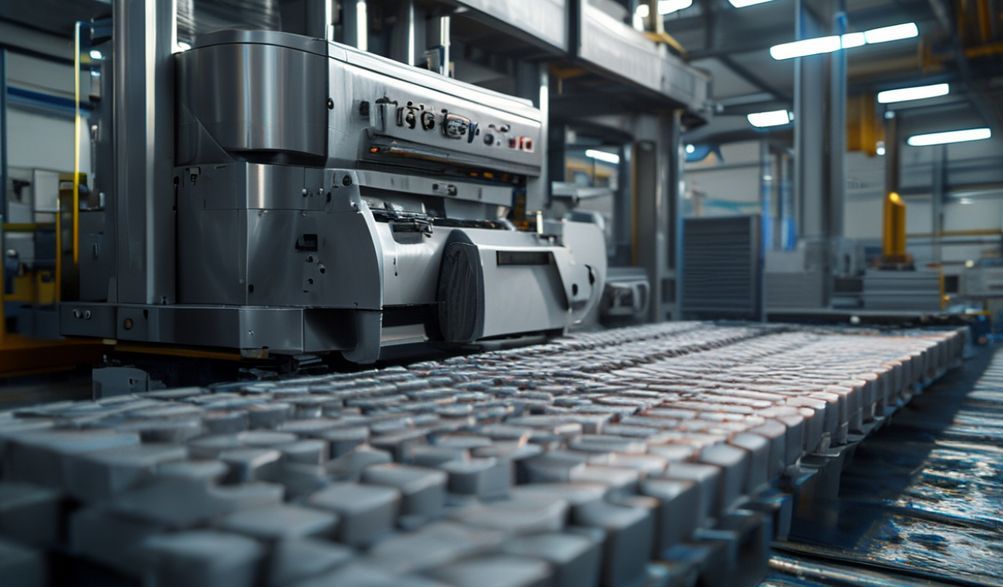
دليلك إلى آلة صنع بلوكات الأسمنت عالية الجودة | رؤى مصنع فودا
مقدمة
في عالم البناء والتصنيع، هناك تحديات قليلة تعتبر عالمية وحرجة مثل الحصول على معدات موثوقة وفعالة ومنخفضة التكلفة. غالبًا ما يتوقف نجاح مشروعك، ومتانة هياكلك، وصحة أرباحك على هذا القرار الوحيد. عندما يتعلق الأمر بإنتاج اللبنات الأساسية للبنية التحتية الحديثة، تكون المخاطر أعلى. لذا، يجب أن نسأل: ما الذي يحدد حقًا ماكينة جيدة لصنع كتل الأسمنت، وكيف تجد مصنعًا يمكنك الوثوق به؟
كتل الأسمنت هي العمود الفقري لعدد لا يحصى من المشاريع، من المنازل السكنية إلى المشاريع التجارية واسعة النطاق. الآلة التي تنتجها ليست مجرد شراء؛ بل هي شريك طويل الأمد في إنتاجيتك. جودتها تحدد بشكل مباشر الجداول الزمنية لمشروعك، واتساق المواد، والسلامة الهيكلية، والربحية العامة.
يستند هذا الدليل الشامل إلى مبادئ هندسية أساسية وخبرة صناعية راسخة. سنقوم بتشريح هيكل الآلة المتفوقة ونقدم إطاراً واضحاً للتقييم. وسنستشهد طوال الوقت بالمعايير والممارسات التي ترتبط ارتباطاً وثيقاً بالشركات المصنعة الراسخة التي تركز على الجودة، مثلمصنع فودا لصناعة الطوبلتعمل كمعيار ملموس.
بنهاية هذه المقالة، سيكون لديك قائمة مراجعة واضحة للميزات غير القابلة للتفاوض في آلة عالية الجودة، وطريقة مجربة لتقييم المصنّعين تتجاوز الكتيبات البرّاقة، والأسئلة الحاسمة التي يجب أن تطرحها قبل استثمار سيُشكّل عملك لسنوات قادمة.
ما الذي يُحدد آلة صنع كتل الأسمنت "ذات الجودة الجيدة"؟
تتجاوز الجودة الحقيقية في آلة صنع الطوب مجرد المصطلحات التسويقية الجذابة، فهي مزيج قابل للقياس من الهندسة المتينة، والتصنيع الدقيق، والتصميم المدروس. وهذا هو ما يميز الأصل قصير الأجل عن العملاق طويل الأمد.
الهندسة الأساسية والنزاهة الهيكلية
هيكل الآلة يحدد عمرها الافتراضي واستقرارها تحت الأحمال المستمرة والقاسية.
- بناء الإطار:هذا هو الأساس. ابحث عن هياكل فولاذية متينة ومعززة، مصنوعة عادةً من عوارض H أو مقاطع عالية القوة مماثلة. يجب أن تكون اللحامات نظيفة ومتجانسة ومُنفذة بتقنيات احترافية لمنع التشقق تحت الاهتزاز المستمر. الهيكل الهش سوف يتشوه، مما يؤدي إلى اختلال المحاذاة، وجودة كتل غير متسقة، وفشل مبكر.
- نظام الطاقةيجب أن يكون جوهر العملية موثوقًا. بالنسبة للأنظمة الهيدروليكية، يعني ذلك مضخات وصمامات وأسطوانات عالية الجودة من علامات تجارية معروفة، مصممة للحفاظ على ضغط ثابت دون تسرب. أما بالنسبة للآلات القائمة على الاهتزاز، فإنها تتضمن محركات اهتزاز قوية ومتوازنة مثبتة على منصة متينة لضمان توزيع القوة بشكل متساوٍ. يجب أن يعمل النظام بسلاسة مع الحد الأدنى من الضوضاء وتوليد الحرارة المفرط.
الدقة والاتساق في الإنتاج
آلة عالية الجودة لا تصنع مجرد كتل؛ إنها تصنعمتماثلكتل عالية المواصفات، دفعة تلو الأخرى.
- جودة القالب:القالب هو روح منتجك. تستخدم الآلات عالية الجودة قوالب مصنوعة من سبائك فولاذية عالية الجودة ومقساة (مثل Cr12، Cr12MoV) يتم تشغيلها بدقة. وهذا يضمن دقة الأبعاد (الحاسمة لسرعة وضع الطوب واستخدام الملاط)، ونعومة سطح البلوك، ومقاومة استثنائية للخليط الأسمنتي الكاشط. تتآكل القوالب الرديئة بسرعة، مما يؤدي إلى حواف خشنة، وتباين في الأبعاد، وزيادة وقت التوقف لاستبدالها.
- أنظمة التحكمهذا هو العقل. بينما توجد آلات يدوية، فإن الآلة عالية الجودة غالبًا ما تتضمن جهاز تحكم منطقي قابل للبرمجة (PLC). يقوم الـ PLC بأتمتة دورة الإنتاج - الخلط، والتغذية، والضغط، والاهتزاز، والإخراج - بتوقيت وضغط دقيقين. وهذا يلغي الخطأ البشري، ويضمن كثافة موحدة للطوب وقوة ضغط، ويسمح بتشغيل واستكشاف الأخطاء وإصلاحها بسهولة أكبر.
المتانة وسهولة الصيانة
الآلة التي لا يمكن صيانتها بسهولة سيكون لها عمر تشغيلي قصير، بغض النظر عن بنائها الأولي.
- قطع الغيار:المكونات مثل بطانات القوالب وحلقات الإغلاق ووسائد امتصاص الاهتزازات تحتاج إلى استبدال. يجب أن يسمح التصميم الجيد للآلة بالوصول السهل إلى هذه الأجزاء دون الحاجة إلى تفكيك كبير. علاوة على ذلك، يجب أن يوفر المصنع هذه المستهلكات بسهولة.
- مقاومة التآكل:البيئة التشغيلية قاسية. ابحث عن آلات معالجة بطبقات أولية مضادة للصدأ وبدهان صناعي عالي الجودة. الطلاء المسحوقي مؤشر قوي على الاهتمام بالمتانة.
- تصميم لقابلية الخدمةهل يمكن الوصول بسهولة إلى نقاط التشحيم؟ هل الألواح الكهربائية والخطوط الهيدروليكية منظمة ومُوسومة؟ هل توجد مساحة كافية للعمل حول الآلة لأغراض التنظيف والإصلاح؟ التصميم الجيد يتوقع ويُبسط الصيانة الروتينية والتصحيحية.
الميزات الرئيسية للمقارنة عند اختيار جهازك
With an understanding of core quality, you can now compare specific features to match a machine to your exact business needs.
القدرة الإنتاجية ومستوى الأتمتة
Your choice here defines your output and labor model.
- الإنتاجية وزمن الدورة Don’t just look at “theoretical maximum” output. Ask for the proven, sustainable production rate (blocks per hour or per 8-hour shift) for a standard block type. The cycle time (time to produce one pallet of blocks) is a key indicator of efficiency.
- طيف الأتمتة:
- دليل: Lowest cost, highest labor. Operator controls every step.
- شبه آلي Automates core processes like compaction and vibration; operator handles block removal and pallet feeding. A great balance for many small to medium operations.
- أوتوماتيكي بالكامل: Integrates a block elevator, stacker, and pallet return system. Maximizes output with minimal labor, ideal for large-scale production.
- آلات "وضع البيض" المحمولة: Produce blocks directly on the ground, perfect for on-site production. Stationary plants are for fixed factory settings with higher, more consistent output.
Versatility and Mold Options
Your market opportunities may change. A versatile machine protects your investment.
- القوالب القابلة للتبديل A key feature of a good system is the ability to switch molds to produce different products: hollow blocks (for load-bearing walls), solid blocks, paving stones, interlocking blocks for retaining walls, and even specialty shapes. The mold-changing process itself should be as streamlined as possible.
- Custom Mold Capabilities: Can the manufacturer engineer a custom mold for a unique design you want to bring to market? This speaks volumes about their engineering depth and flexibility.
Operational Efficiency
True cost is measured in ongoing expenses.
- استهلاك الطاقة Get clear data on power requirements (KW/h for electric, liters/hour for diesel). An efficient machine optimizes power use, especially during the high-energy vibration and compaction phases.
- متطلبات العمالة: How many operators are needed per shift for smooth, safe operation? Automation directly reduces this long-term cost.
- توافق المواد الخام: Does the machine work optimally with your local mix of cement, aggregate, and sand? Can it be integrated with an automated batching and mixing system for a seamless production line?
Evaluating a Manufacturer: Beyond the Brochure (The FUDA Factory Example)
The machine is only as good as the company that stands behind it. Here’s how to assess a manufacturer, using the principles embodied by established factories like FUDA as a reference.
خبرة وتجربة في التصنيع
- In-House R&D & Engineering: A true manufacturer invests in designing and improving its own machines. Ask about their engineering team. Do they develop their own control systems and mechanical designs, or are they simply assembling bought-in parts?
- Industry Longevity: A company with a decade or more of history has likely iterated on its designs, solved common field problems, and built a reputation. It’s a marker of stability and resilience.
- التخصص A factory dedicated solely to block making machinery (like a specialized brick making factory) will typically possess deeper expertise than a general machinery trader who sells everything from excavators to generators.
Transparency and Authoritativeness
Trust is built on clarity and proof.
- المواصفات الفنية التفصيلية: Request full, detailed spec sheets—not just a one-page flyer. This should include exact dimensions, steel grades, component brands, power specs, and weight.
- Verifiable Proof: Look for detailed case studies with photos/videos, a portfolio of past projects, and genuine customer testimonials (ideally with contactable references). A reputable factory is proud to show its machines in action.
- الامتثال للمعايير: While not a global guarantee, certifications like CE (for the European market) or ISO 9001 for quality management systems indicate a formal commitment to safety, quality control, and standardized manufacturing processes.
Trustworthiness in Service and Support
This is often the most critical differentiator between a good purchase and a regrettable one.
- الضمان وقطع الغيار: Scrutinize the warranty. What is covered (typically core frame, hydraulics)? For how long? Is it a genuine parts-and-labor warranty? Crucially, ask for their spare parts price list and lead time for key components. A reliable manufacturer maintains a robust inventory and supply chain.
- التثبيت والتدريب: Do they offer supervised installation and commissioning? Do they provide comprehensive on-site training for both operators and maintenance technicians? This ensures you start on the right foot.
- دعم ما بعد البيع How is technical support accessed? Via phone, WhatsApp, video call? What are their response time commitments? Do they have the capability to dispatch engineers for major issues? Clear support channels are essential.
The Total Cost of Ownership: Investment vs. Long-Term Value
The initial price tag is just the entry fee. Smart buyers analyze the Total Cost of Ownership (TCO).
Initial Purchase Price vs. Hidden Costs
- Visible Price: The machine’s quoted FOB or CIF cost.
- Hidden Initial Costs: International shipping, insurance, import duties and taxes, customs clearance fees, inland transportation to your site, and the cost of professional installation and foundation pouring.
Operational Costs Over Time
These are the recurring expenses that determine your profitability.
- التكاليف المباشرة Monthly electricity/fuel bills, wages for operators, and the periodic cost of replacement wear parts (seals, liners, etc.).
- The Cost of Downtime: This is the silent profit-killer. An unreliable machine that frequently breaks down halts production, delays projects, and damages client relationships. The most “expensive” machine can be the cheap one that is constantly out of service.
ROI Calculation Framework
Create a simple model to justify the investment:
1. Calculate Daily Output Value: (Blocks per day) x (Your selling price per block).
2. Calculate Daily Operational Cost: (Energy + Labor + Material Cost for that output).
3. Calculate Daily Gross Profit: (Output Value – Operational Cost).
4. Factor in Initial Investment: Include all “Initial Purchase & Hidden Costs” from above.
5. Estimate Payback Period: (Total Initial Investment) / (Daily Gross Profit) = Approximate days to break even.
A higher-quality, more efficient machine may have a higher initial cost but a faster payback period due to greater output, lower downtime, and reduced operational waste.
Essential Questions to Ask Before You Buy
Arm yourself with these questions to cut through sales talk and get to the truth.
Questions About the Machine
- “Can you provide a real-time video of this exact model running in your factory or at a customer’s site, not a promotional clip?”
- “What are the brand and model of the core components (hydraulic pump, PLC, vibration motors)?”
- “What is the expected operational lifespan of the main frame and hydraulic system under normal use?”
- “What is the exact lead time and cost for the three most commonly replaced spare parts?”
- “Can you share the technical drawing for the foundation required for this specific model?”
Questions About the Manufacturer
- “Can you connect me with two previous customers in a country with a similar climate and market to mine? I would like to speak to them directly.”
- “What specific training do your engineers provide during commissioning, and what manuals/videos are left with us?”
- “What is your standard process for handling a technical fault? What are the guaranteed response times for remote and on-site support?”
- “Do you provide a detailed electrical and hydraulic schematic diagram with the machine?”
الأسئلة الشائعة (FAQ)
Q: What is the main difference between a hydraulic and a vibration-press block machine?
أ: The core mechanism. Vibration-press machines use a combination of mechanical vibration and pressure to compact the concrete mix into a mold. They are excellent for standard hollow and solid blocks. Hydraulic machines use a high-pressure hydraulic cylinder to apply immense, controlled force, producing very dense, high-strength blocks with a superior finish, ideal for pavers, curbstones, and specialized products.
Q: How much space and what foundation is needed for a stationary block making machine?
أ: Requirements vary greatly by model. Generally, you need a level, reinforced concrete floor (often 200-300mm thick) capable of handling the machine’s weight and dynamic loads. Factory space must accommodate the machine itself, raw material storage, a curing area, and finished block storage. Always follow the manufacturer’s specific foundation drawing.
Q: Can one machine produce different sizes and types of blocks?
أ: Yes, this is a key advantage of quality stationary machines. By purchasing and installing different, interchangeable molds, the same host machine can produce a wide variety of block types and sizes. The changeover process can take from 30 minutes to a few hours.
Q: What is a typical warranty for a good quality machine?
أ: Industry standards typically range from 1 to 2 years for the core components like the main frame, hydraulic system, and electrical cabinet. Wear parts like molds, seals, and liners often have a shorter warranty (e.g., 6 months). Always get the warranty terms in writing, clearly stating what is covered and what is not.
Q: How do I ensure the blocks produced meet local construction standards?
أ: First, ensure the machine is capable of producing the required compressive strength (e.g., 5MPa, 7MPa, etc.) through consistent density. Then, when you receive the machine, produce sample blocks using your local materials and send them to an independent construction materials laboratory for official compressive strength testing. This validates both your mix design and the machine’s performance.
خاتمة
Choosing a good quality cement block making machine is a strategic decision that extends far beyond the initial price tag. As we’ve explored, true quality is a multifaceted blend of uncompromising structural integrity, precision engineering for consistency, thoughtful design for durability, and, perhaps most importantly, the proven credibility and support of the manufacturer.
The most cost-effective choice is rarely the cheapest. It is the machine with the lowest التكلفة الإجمالية للملكية—the one that delivers reliable, high-volume production with minimal downtime and operational waste for years to come. This is achieved by partnering with a manufacturer that demonstrates Expertise, Authoritativeness, and Trustworthiness (E-A-T) through transparent specifications, verifiable customer success, and robust after-sales support.
Your Next Steps:
1. Create a Checklist: Use the key points from the “What Defines Quality” and “Key Features” sections above as your evaluation matrix.
2. Request Detailed Documentation: Contact shortlisted manufacturers (including factories with the reputation and operational standards of a مصنع فودا لصناعة الطوب) for complete technical specs, a clear parts list, and a formal warranty document.
3. Demand Concrete Proof: Ask for specific customer references and real-world production videos. Validate every claim.
Investing this time in due diligence is the surest way to secure a machine that won’t just make blocks, but will build the foundation for your long-term success.
<