
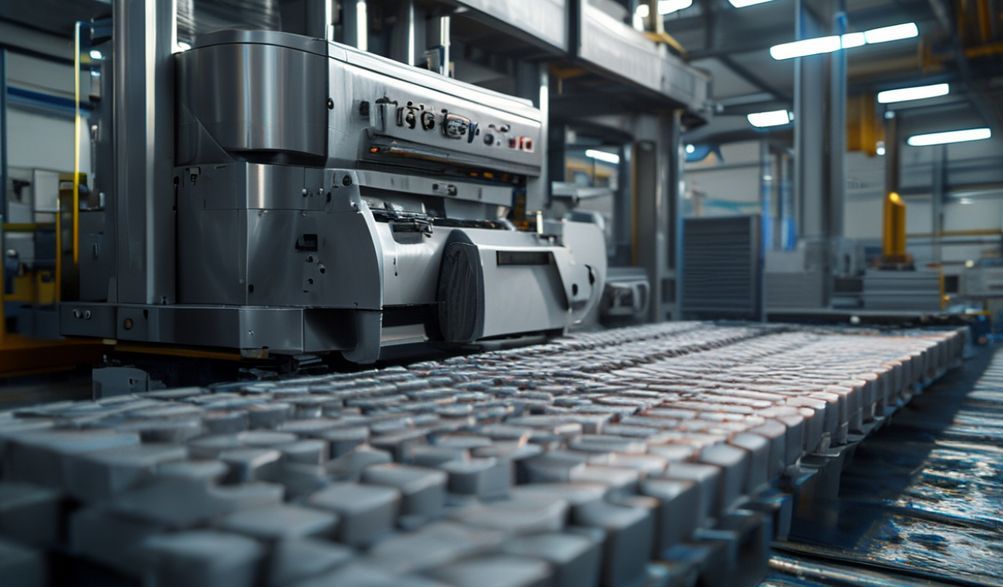
고품질 시멘트 블록 제작 기계 가이드 | 푸다 공장 인사이트
소개
건설 및 제조 분야에서 신뢰할 수 있고 효율적이며 비용 효율적인 장비를 조달하는 것만큼 보편적이면서도 중요한 과제는 거의 없습니다. 프로젝트의 성공, 구조물의 견고성, 그리고 수익성은 종종 이 하나의 결정에 달려 있습니다. 현대 인프라의 기본 구성 요소를 생산하는 데 있어서는 그 위험부담이 더욱 큽니다. 따라서 우리는 묻지 않을 수 없습니다: 무엇이 진정으로 '양질의' 시멘트 블록 제조기를 정의하며, 어떻게 신뢰할 수 있는 제조업체를 찾을 수 있을까요?
시멘트 블록은 주택부터 대규모 상업 개발에 이르기까지 수많은 프로젝트의 중추입니다. 이를 생산하는 기계는 단순한 구매품이 아니라, 생산성에 있어 장기적인 동반자입니다. 그 품질은 프로젝트 일정, 재료의 일관성, 구조적 안전성, 그리고 전반적인 수익성에 직접적인 영향을 미칩니다.
이 포괄적인 가이드는 기본적인 엔지니어링 원칙과 업계 전문 지식을 바탕으로 구성되었습니다. 우리는 우수한 기계의 구조를 분석하고 명확한 평가 체계를 제공할 것입니다. 전반적으로, 우리는 품질 중심의 정립된 제조사들과 동일시되는 표준과 관행을 참조할 것입니다.푸다 벽돌 제조 공장가시적인 기준점으로 활용하기 위해.
이 글을 마칠 때쯤이면, 여러분은 고품질 기계의 필수 기능에 대한 명확한 체크리스트, 화려한 브로셔 너머 제조업체를 평가하는 검증된 방법, 그리고 향후 수년간 비즈니스를 결정지을 투자를 하기 전에 꼭 물어봐야 할 핵심 질문들을 갖게 될 것입니다.
'양질의' 시멘트 블록 제조 기계를 정의하는 요소는 무엇인가요?
마케팅 유행어를 넘어서, 블록 제조 기계의 진정한 품질은 견고한 엔지니어링, 정밀 제조, 그리고 세심한 설계가 측정 가능하게 결합된 것입니다. 이것이 단기적인 자산과 장기적으로 든든한 작업 기계를 가르는 기준입니다.
핵심 엔지니어링 및 구조적 무결성
기계의 뼈대는 지속적이고 가혹한 하중 아래에서 그 수명과 안정성을 결정합니다.
- 프레임 구성이것이 기초입니다. H형강이나 이와 유사한 고강도 프로파일로 제작된 내구성 강화된 강철 프레임을 찾아야 합니다. 용접은 균일하고 깔끔해야 하며, 지속적인 진동으로 인한 균열을 방지하기 위해 전문 기술로 수행되어야 합니다. 약한 프레임은 뒤틀려 정렬 불량, 일관되지 않은 블록 품질 및 조기 고장으로 이어질 수 있습니다.
- 전력 시스템운영의 핵심은 신뢰할 수 있어야 합니다. 유압 시스템의 경우, 이는 누출 없이 일관된 압력을 유지하도록 설계된 신뢰할 수 있는 브랜드의 고품질 펌프, 밸브 및 실린더를 의미합니다. 진동 기반 기계의 경우, 강력하고 균형 잡힌 진동 모터가 견고한 플랫폼에 장착되어 고르게 힘이 분배되도록 해야 합니다. 시스템은 최소한의 소음과 과도한 열 발생으로 원활하게 작동해야 합니다.
생산의 정밀성과 일관성
품질 좋은 기계는 단순히 블록을 만드는 것이 아니라,동일한고사양 블록, 배치 후 배치.
- 금형 품질금형은 제품의 영혼입니다. 고품질 기계는 경화된 고급 합금강(예: Cr12, Cr12MoV)으로 제작되어 정밀 가공된 금형을 사용합니다. 이는 치수 정확도(쌓기 속도와 모르타르 사용에 중요함), 매끄러운 블록 마감, 그리고 마모성 시멘트 혼합물에 대한 탁월한 저항성을 보장합니다. 열악한 금형은 빠르게 마모되어 거친 모서리, 치수 변동 및 교체를 위한 가동 중단 시간 증가로 이어집니다.
- 제어 시스템이것이 두뇌입니다. 수동 기계도 존재하지만, 고품질 기계는 종종 프로그래머블 로직 컨트롤러(PLC)를 포함합니다. PLC는 정확한 타이밍과 압력으로 혼합, 공급, 다짐, 진동, 배출과 같은 생산 사이클을 자동화합니다. 이는 인간의 실수를 제거하고 균일한 블록 밀도와 압축 강도를 보장하며, 더 쉬운 운영과 문제 해결을 가능하게 합니다.
내구성과 유지보수 용이성
쉽게 유지보수할 수 없는 기계는 초기 제작 상태와 상관없이 짧은 작동 수명을 가질 것입니다.
- 착용 부품:몰드 라이너, 씰 링, 진동 마운트와 같은 부품들은 교체가 필요합니다. 잘 설계된 기계는 주요 분해 없이도 이러한 부품에 쉽게 접근할 수 있도록 해야 합니다. 더불어 제조업체는 이러한 소모품들을 원활하게 공급해야 합니다.
- 부식 저항성: The operating environment is harsh. Look for machines treated with anti-rust primers and high-quality industrial paint. Powder coating is a strong indicator of attention to durability.
- Design for Serviceability: Can you easily reach lubrication points? Are electrical panels and hydraulic lines organized and labeled? Is there space to work around the machine for cleaning and repair? Good design anticipates and simplifies routine and corrective maintenance.
Key Features to Compare When Selecting Your Machine
With an understanding of core quality, you can now compare specific features to match a machine to your exact business needs.
생산 능력 및 자동화 수준
Your choice here defines your output and labor model.
- Output & Cycle Time: Don’t just look at “theoretical maximum” output. Ask for the proven, sustainable production rate (blocks per hour or per 8-hour shift) for a standard block type. The cycle time (time to produce one pallet of blocks) is a key indicator of efficiency.
- 자동화 스펙트럼:
- 매뉴얼: Lowest cost, highest labor. Operator controls every step.
- 반자동 Automates core processes like compaction and vibration; operator handles block removal and pallet feeding. A great balance for many small to medium operations.
- 완전 자동 Integrates a block elevator, stacker, and pallet return system. Maximizes output with minimal labor, ideal for large-scale production.
- 모바일 '알 낳는' 기계: Produce blocks directly on the ground, perfect for on-site production. Stationary plants are for fixed factory settings with higher, more consistent output.
Versatility and Mold Options
Your market opportunities may change. A versatile machine protects your investment.
- 교환 가능한 금형 A key feature of a good system is the ability to switch molds to produce different products: hollow blocks (for load-bearing walls), solid blocks, paving stones, interlocking blocks for retaining walls, and even specialty shapes. The mold-changing process itself should be as streamlined as possible.
- Custom Mold Capabilities: Can the manufacturer engineer a custom mold for a unique design you want to bring to market? This speaks volumes about their engineering depth and flexibility.
Operational Efficiency
True cost is measured in ongoing expenses.
- 에너지 소비 Get clear data on power requirements (KW/h for electric, liters/hour for diesel). An efficient machine optimizes power use, especially during the high-energy vibration and compaction phases.
- 노동 요구 사항 How many operators are needed per shift for smooth, safe operation? Automation directly reduces this long-term cost.
- 원자재 호환성: Does the machine work optimally with your local mix of cement, aggregate, and sand? Can it be integrated with an automated batching and mixing system for a seamless production line?
Evaluating a Manufacturer: Beyond the Brochure (The FUDA Factory Example)
The machine is only as good as the company that stands behind it. Here’s how to assess a manufacturer, using the principles embodied by established factories like FUDA as a reference.
제조 전문성과 경험
- In-House R&D & Engineering: A true manufacturer invests in designing and improving its own machines. Ask about their engineering team. Do they develop their own control systems and mechanical designs, or are they simply assembling bought-in parts?
- Industry Longevity: A company with a decade or more of history has likely iterated on its designs, solved common field problems, and built a reputation. It’s a marker of stability and resilience.
- 전문화 A factory dedicated solely to block making machinery (like a specialized brick making factory) will typically possess deeper expertise than a general machinery trader who sells everything from excavators to generators.
Transparency and Authoritativeness
Trust is built on clarity and proof.
- 상세 기술 사양 Request full, detailed spec sheets—not just a one-page flyer. This should include exact dimensions, steel grades, component brands, power specs, and weight.
- Verifiable Proof: Look for detailed case studies with photos/videos, a portfolio of past projects, and genuine customer testimonials (ideally with contactable references). A reputable factory is proud to show its machines in action.
- 표준 준수 While not a global guarantee, certifications like CE (for the European market) or ISO 9001 for quality management systems indicate a formal commitment to safety, quality control, and standardized manufacturing processes.
Trustworthiness in Service and Support
This is often the most critical differentiator between a good purchase and a regrettable one.
- 보증 및 예비 부품: Scrutinize the warranty. What is covered (typically core frame, hydraulics)? For how long? Is it a genuine parts-and-labor warranty? Crucially, ask for their spare parts price list and lead time for key components. A reliable manufacturer maintains a robust inventory and supply chain.
- 설치 및 교육: Do they offer supervised installation and commissioning? Do they provide comprehensive on-site training for both operators and maintenance technicians? This ensures you start on the right foot.
- 애프터 서비스: How is technical support accessed? Via phone, WhatsApp, video call? What are their response time commitments? Do they have the capability to dispatch engineers for major issues? Clear support channels are essential.
The Total Cost of Ownership: Investment vs. Long-Term Value
The initial price tag is just the entry fee. Smart buyers analyze the Total Cost of Ownership (TCO).
Initial Purchase Price vs. Hidden Costs
- Visible Price: The machine’s quoted FOB or CIF cost.
- Hidden Initial Costs: International shipping, insurance, import duties and taxes, customs clearance fees, inland transportation to your site, and the cost of professional installation and foundation pouring.
Operational Costs Over Time
These are the recurring expenses that determine your profitability.
- Direct Costs: Monthly electricity/fuel bills, wages for operators, and the periodic cost of replacement wear parts (seals, liners, etc.).
- The Cost of Downtime: This is the silent profit-killer. An unreliable machine that frequently breaks down halts production, delays projects, and damages client relationships. The most “expensive” machine can be the cheap one that is constantly out of service.
ROI Calculation Framework
Create a simple model to justify the investment:
1. Calculate Daily Output Value: (Blocks per day) x (Your selling price per block).
2. Calculate Daily Operational Cost: (Energy + Labor + Material Cost for that output).
3. Calculate Daily Gross Profit: (Output Value – Operational Cost).
4. Factor in Initial Investment: Include all “Initial Purchase & Hidden Costs” from above.
5. Estimate Payback Period: (Total Initial Investment) / (Daily Gross Profit) = Approximate days to break even.
A higher-quality, more efficient machine may have a higher initial cost but a faster payback period due to greater output, lower downtime, and reduced operational waste.
Essential Questions to Ask Before You Buy
Arm yourself with these questions to cut through sales talk and get to the truth.
Questions About the Machine
- “Can you provide a real-time video of this exact model running in your factory or at a customer’s site, not a promotional clip?”
- “What are the brand and model of the core components (hydraulic pump, PLC, vibration motors)?”
- “What is the expected operational lifespan of the main frame and hydraulic system under normal use?”
- “What is the 정확한 lead time and cost for the three most commonly replaced spare parts?”
- “Can you share the technical drawing for the foundation required for this specific model?”
Questions About the Manufacturer
- “Can you connect me with two previous customers in a country with a similar climate and market to mine? I would like to speak to them directly.”
- “What specific training do your engineers provide during commissioning, and what manuals/videos are left with us?”
- “What is your standard process for handling a technical fault? What are the guaranteed response times for remote and on-site support?”
- “Do you provide a detailed electrical and hydraulic schematic diagram with the machine?”
자주 묻는 질문 (FAQ)
Q: What is the main difference between a hydraulic and a vibration-press block machine?
A: The core mechanism. Vibration-press machines use a combination of mechanical vibration and pressure to compact the concrete mix into a mold. They are excellent for standard hollow and solid blocks. Hydraulic machines use a high-pressure hydraulic cylinder to apply immense, controlled force, producing very dense, high-strength blocks with a superior finish, ideal for pavers, curbstones, and specialized products.
Q: How much space and what foundation is needed for a stationary block making machine?
A: Requirements vary greatly by model. Generally, you need a level, reinforced concrete floor (often 200-300mm thick) capable of handling the machine’s weight and dynamic loads. Factory space must accommodate the machine itself, raw material storage, a curing area, and finished block storage. Always follow the manufacturer’s specific foundation drawing.
Q: Can one machine produce different sizes and types of blocks?
A: Yes, this is a key advantage of quality stationary machines. By purchasing and installing different, interchangeable molds, the same host machine can produce a wide variety of block types and sizes. The changeover process can take from 30 minutes to a few hours.
Q: What is a typical warranty for a good quality machine?
A: Industry standards typically range from 1 to 2 years for the core components like the main frame, hydraulic system, and electrical cabinet. Wear parts like molds, seals, and liners often have a shorter warranty (e.g., 6 months). Always get the warranty terms in writing, clearly stating what is covered and what is not.
Q: How do I ensure the blocks produced meet local construction standards?
A: First, ensure the machine is capable of producing the required compressive strength (e.g., 5MPa, 7MPa, etc.) through consistent density. Then, when you receive the machine, produce sample blocks using your local materials and send them to an independent construction materials laboratory for official compressive strength testing. This validates both your mix design and the machine’s performance.
결론
Choosing a good quality cement block making machine is a strategic decision that extends far beyond the initial price tag. As we’ve explored, true quality is a multifaceted blend of uncompromising structural integrity, precision engineering for consistency, thoughtful design for durability, and, perhaps most importantly, the proven credibility and support of the manufacturer.
The most cost-effective choice is rarely the cheapest. It is the machine with the lowest 총 소유 비용—the one that delivers reliable, high-volume production with minimal downtime and operational waste for years to come. This is achieved by partnering with a manufacturer that demonstrates Expertise, Authoritativeness, and Trustworthiness (E-A-T) through transparent specifications, verifiable customer success, and robust after-sales support.
Your Next Steps:
1. Create a Checklist: Use the key points from the “What Defines Quality” and “Key Features” sections above as your evaluation matrix.
2. Request Detailed Documentation: Contact shortlisted manufacturers (including factories with the reputation and operational standards of a 푸다 벽돌 제조 공장) for complete technical specs, a clear parts list, and a formal warranty document.
3. Demand Concrete Proof: Ask for specific customer references and real-world production videos. Validate every claim.
Investing this time in due diligence is the surest way to secure a machine that won’t just make blocks, but will build the foundation for your long-term success.
<