
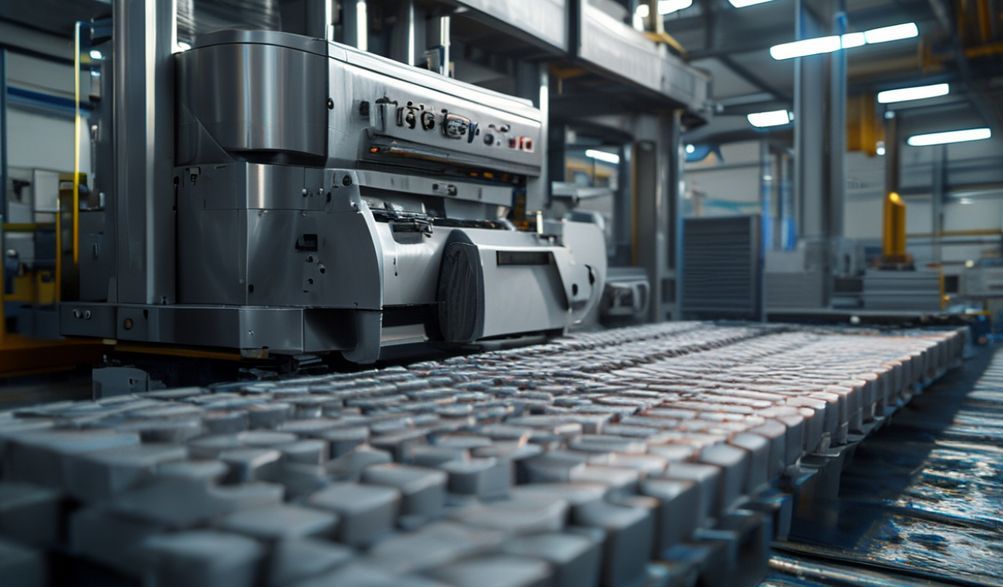
Hướng Dẫn Chọn Máy Đúc Gạch Xi Măng Chất Lượng Tốt | Góc Nhìn Từ Nhà Máy FUDA
Giới thiệu
Trong lĩnh vực xây dựng và sản xuất, ít thách thức nào mang tính phổ quát – và quan trọng – như việc tìm nguồn thiết bị đáng tin cậy, hiệu quả và tiết kiệm chi phí. Thành công của dự án, độ bền vững của công trình và sức khỏe tài chính của bạn thường phụ thuộc vào quyết định duy nhất này. Khi nói đến việc sản xuất những viên gạch nền móng cho cơ sở hạ tầng hiện đại, mức độ rủi ro còn cao hơn nữa. Vì vậy, chúng ta phải đặt câu hỏi: Điều gì thực sự định nghĩa một máy làm gạch xi măng 'chất lượng tốt', và làm thế nào để tìm được nhà sản xuất đáng tin cậy?
Khối bê tông là xương sống của vô số công trình, từ nhà ở dân dụng đến các dự án thương mại quy mô lớn. Máy sản xuất chúng không chỉ là một khoản mua sắm; đó là đối tác lâu dài cho năng suất của bạn. Chất lượng của nó trực tiếp quyết định tiến độ dự án, độ đồng đều vật liệu, an toàn kết cấu và tổng thể lợi nhuận.
Hướng dẫn toàn diện này được xây dựng dựa trên các nguyên tắc kỹ thuật nền tảng và chuyên môn ngành. Chúng tôi sẽ phân tích cấu trúc của một cỗ máy ưu việt và cung cấp một khung đánh giá rõ ràng. Xuyên suốt nội dung, chúng tôi sẽ tham chiếu các tiêu chuẩn và thực hành đồng nghĩa với những nhà sản xuất uy tín, luôn hướng đến chất lượng nhưNhà máy sản xuất gạch FUDAđể làm mốc chuẩn hữu hình.
Đến cuối bài viết này, bạn sẽ có một danh sách kiểm tra rõ ràng về những tính năng bắt buộc của một chiếc máy chất lượng, một phương pháp đã được chứng minh để đánh giá nhà sản xuất vượt ra ngoài những tài liệu quảng cáo hào nhoáng, và những câu hỏi quan trọng bạn phải đặt ra trước khi thực hiện một khoản đầu tư sẽ định hình doanh nghiệp của bạn trong nhiều năm tới.
Điều Gì Định Nghĩa Một Máy Làm Gạch Xi Măng "Chất Lượng Tốt"?
Vượt ra khỏi những từ ngữ tiếp thị hào nhoáng, chất lượng thực sự của một máy làm gạch là sự kết hợp có thể đo lường được giữa kỹ thuật bền bỉ, sản xuất chính xác và thiết kế tinh tế. Đó là yếu tố phân biệt một tài sản ngắn hạn với một cỗ máy làm việc bền bỉ lâu dài.
Kỹ thuật Cốt lõi và Tính Toàn vẹn Kết cấu
Bộ khung của máy móc quyết định tuổi thọ và độ ổn định của nó dưới tác động liên tục của những tải trọng khắc nghiệt.
- Kết cấu khungĐây là phần nền móng. Hãy tìm kiếm khung thép chịu lực cao, được gia cố, thường được chế tạo từ dầm chữ H hoặc các loại thép hình cường độ cao tương tự. Các mối hàn phải sạch sẽ, đồng đều và được thực hiện bằng kỹ thuật chuyên nghiệp để ngăn ngừa nứt gãy dưới tác động rung lắc liên tục. Một khung yếu sẽ bị biến dạng, dẫn đến lệch trục, chất lượng khối không ổn định và hỏng hóc sớm.
- Hệ thống điệnTrái tim của hoạt động phải đáng tin cậy. Đối với hệ thống thủy lực, điều này có nghĩa là các bơm, van và xi lanh chất lượng cao từ các thương hiệu uy tín, được thiết kế để duy trì áp suất ổn định không bị rò rỉ. Đối với máy dựa trên rung động, nó liên quan đến các động cơ rung mạnh mẽ, cân bằng, được gắn trên một nền tảng vững chắc để đảm bảo phân bổ lực đồng đều. Hệ thống nên hoạt động trơn tru với tiếng ồn và nhiệt tỏa ra quá mức ở mức tối thiểu.
Độ Chính Xác và Tính Nhất Quán trong Sản Xuất
Một chiếc máy chất lượng không chỉ sản xuất khối; nó tạo ragiống hệtcác khối thông số kỹ thuật cao, lô này đến lô khác.
- Chất Lượng KhuônKhuôn là linh hồn của sản phẩm. Máy chất lượng cao sử dụng khuôn làm từ thép hợp kim cao cấp đã tôi cứng (ví dụ: Cr12, Cr12MoV) được gia công chính xác. Điều này đảm bảo độ chính xác về kích thước (quan trọng đối với tốc độ đặt gạch và việc sử dụng vữa), bề mặt viên gạch mịn màng và khả năng chống mài mòn vượt trội với hỗn hợp xi măng. Khuôn kém chất lượng nhanh chóng bị mòn, dẫn đến các cạnh thô ráp, sai lệch kích thước và tăng thời gian ngừng hoạt động để thay thế.
- Hệ thống điều khiển:Đây là bộ não. Trong khi vẫn tồn tại các máy thủ công, một máy chất lượng tốt thường tích hợp Bộ điều khiển Logic Khả trình (PLC). PLC tự động hóa chu kỳ sản xuất—trộn, cấp liệu, nén, rung và đẩy ra—với thời gian và áp lực chính xác. Điều này loại bỏ sai sót của con người, đảm bảo độ đặc và cường độ nén đồng nhất của khối, đồng thời cho phép vận hành và xử lý sự cố dễ dàng hơn.
Độ Bền và Tính Dễ Bảo Trì
Một cỗ máy không thể dễ dàng bảo trì sẽ có tuổi thọ vận hành ngắn, bất kể chất lượng chế tạo ban đầu của nó.
- Bộ phận hao mòn:Các bộ phận như lót khuôn, vòng đệm và đệm chống rung sẽ cần được thay thế. Một máy móc được thiết kế tốt cho phép dễ dàng tiếp cận các bộ phận này mà không cần tháo dỡ lớn. Hơn nữa, nhà sản xuất nên cung cấp sẵn các vật tư tiêu hao này.
- Khả năng chống ăn mòn: The operating environment is harsh. Look for machines treated with anti-rust primers and high-quality industrial paint. Powder coating is a strong indicator of attention to durability.
- Design for Serviceability: Can you easily reach lubrication points? Are electrical panels and hydraulic lines organized and labeled? Is there space to work around the machine for cleaning and repair? Good design anticipates and simplifies routine and corrective maintenance.
Key Features to Compare When Selecting Your Machine
With an understanding of core quality, you can now compare specific features to match a machine to your exact business needs.
Năng lực sản xuất & Mức độ tự động hóa
Your choice here defines your output and labor model.
- Output & Cycle Time: Don’t just look at “theoretical maximum” output. Ask for the proven, sustainable production rate (blocks per hour or per 8-hour shift) for a standard block type. The cycle time (time to produce one pallet of blocks) is a key indicator of efficiency.
- The Automation Spectrum:
- Hướng dẫn sử dụng: Lowest cost, highest labor. Operator controls every step.
- Bán Tự Động: Automates core processes like compaction and vibration; operator handles block removal and pallet feeding. A great balance for many small to medium operations.
- Hoàn Toàn Tự Động: Integrates a block elevator, stacker, and pallet return system. Maximizes output with minimal labor, ideal for large-scale production.
- Máy đẻ trứng di động: Produce blocks directly on the ground, perfect for on-site production. Stationary plants are for fixed factory settings with higher, more consistent output.
Versatility and Mold Options
Your market opportunities may change. A versatile machine protects your investment.
- Khuôn có thể thay thế lẫn nhau: A key feature of a good system is the ability to switch molds to produce different products: hollow blocks (for load-bearing walls), solid blocks, paving stones, interlocking blocks for retaining walls, and even specialty shapes. The mold-changing process itself should be as streamlined as possible.
- Custom Mold Capabilities: Can the manufacturer engineer a custom mold for a unique design you want to bring to market? This speaks volumes about their engineering depth and flexibility.
Operational Efficiency
True cost is measured in ongoing expenses.
- Tiêu thụ Năng lượng Get clear data on power requirements (KW/h for electric, liters/hour for diesel). An efficient machine optimizes power use, especially during the high-energy vibration and compaction phases.
- Yêu cầu về lao động: How many operators are needed per shift for smooth, safe operation? Automation directly reduces this long-term cost.
- Tương thích Nguyên liệu Thô: Does the machine work optimally with your local mix of cement, aggregate, and sand? Can it be integrated with an automated batching and mixing system for a seamless production line?
Evaluating a Manufacturer: Beyond the Brochure (The FUDA Factory Example)
The machine is only as good as the company that stands behind it. Here’s how to assess a manufacturer, using the principles embodied by established factories like FUDA as a reference.
Manufacturing Expertise and Experience
- In-House R&D & Engineering: A true manufacturer invests in designing and improving its own machines. Ask about their engineering team. Do they develop their own control systems and mechanical designs, or are they simply assembling bought-in parts?
- Industry Longevity: A company with a decade or more of history has likely iterated on its designs, solved common field problems, and built a reputation. It’s a marker of stability and resilience.
- Chuyên môn hóa A factory dedicated solely to block making machinery (like a specialized brick making factory) will typically possess deeper expertise than a general machinery trader who sells everything from excavators to generators.
Transparency and Authoritativeness
Trust is built on clarity and proof.
- Các Thông Số Kỹ Thuật Chi Tiết: Request full, detailed spec sheets—not just a one-page flyer. This should include exact dimensions, steel grades, component brands, power specs, and weight.
- Verifiable Proof: Look for detailed case studies with photos/videos, a portfolio of past projects, and genuine customer testimonials (ideally with contactable references). A reputable factory is proud to show its machines in action.
- Tuân thủ các Tiêu chuẩn: While not a global guarantee, certifications like CE (for the European market) or ISO 9001 for quality management systems indicate a formal commitment to safety, quality control, and standardized manufacturing processes.
Trustworthiness in Service and Support
This is often the most critical differentiator between a good purchase and a regrettable one.
- Bảo hành & Phụ tùng thay thế: Scrutinize the warranty. What is covered (typically core frame, hydraulics)? For how long? Is it a genuine parts-and-labor warranty? Crucially, ask for their spare parts price list and lead time for key components. A reliable manufacturer maintains a robust inventory and supply chain.
- Cài đặt & Đào tạo: Do they offer supervised installation and commissioning? Do they provide comprehensive on-site training for both operators and maintenance technicians? This ensures you start on the right foot.
- Hỗ trợ sau bán hàng: How is technical support accessed? Via phone, WhatsApp, video call? What are their response time commitments? Do they have the capability to dispatch engineers for major issues? Clear support channels are essential.
The Total Cost of Ownership: Investment vs. Long-Term Value
The initial price tag is just the entry fee. Smart buyers analyze the Total Cost of Ownership (TCO).
Initial Purchase Price vs. Hidden Costs
- Visible Price: The machine’s quoted FOB or CIF cost.
- Hidden Initial Costs: International shipping, insurance, import duties and taxes, customs clearance fees, inland transportation to your site, and the cost of professional installation and foundation pouring.
Operational Costs Over Time
These are the recurring expenses that determine your profitability.
- Chi phí trực tiếp: Monthly electricity/fuel bills, wages for operators, and the periodic cost of replacement wear parts (seals, liners, etc.).
- The Cost of Downtime: This is the silent profit-killer. An unreliable machine that frequently breaks down halts production, delays projects, and damages client relationships. The most “expensive” machine can be the cheap one that is constantly out of service.
ROI Calculation Framework
Create a simple model to justify the investment:
1. Calculate Daily Output Value: (Blocks per day) x (Your selling price per block).
2. Calculate Daily Operational Cost: (Energy + Labor + Material Cost for that output).
3. Calculate Daily Gross Profit: (Output Value – Operational Cost).
4. Factor in Initial Investment: Include all “Initial Purchase & Hidden Costs” from above.
5. Estimate Payback Period: (Total Initial Investment) / (Daily Gross Profit) = Approximate days to break even.
A higher-quality, more efficient machine may have a higher initial cost but a faster payback period due to greater output, lower downtime, and reduced operational waste.
Essential Questions to Ask Before You Buy
Arm yourself with these questions to cut through sales talk and get to the truth.
Questions About the Machine
- “Can you provide a real-time video of this exact model running in your factory or at a customer’s site, not a promotional clip?”
- “What are the brand and model of the core components (hydraulic pump, PLC, vibration motors)?”
- “What is the expected operational lifespan of the main frame and hydraulic system under normal use?”
- “Cái gì là”chính xác lead time and cost for the three most commonly replaced spare parts?”
- “Can you share the technical drawing for the foundation required for this specific model?”
Questions About the Manufacturer
- “Can you connect me with two previous customers in a country with a similar climate and market to mine? I would like to speak to them directly.”
- “What specific training do your engineers provide during commissioning, and what manuals/videos are left with us?”
- “What is your standard process for handling a technical fault? What are the guaranteed response times for remote and on-site support?”
- “Do you provide a detailed electrical and hydraulic schematic diagram with the machine?”
Các Câu Hỏi Thường Gặp (FAQ)
Q: What is the main difference between a hydraulic and a vibration-press block machine?
A: The core mechanism. Vibration-press machines use a combination of mechanical vibration and pressure to compact the concrete mix into a mold. They are excellent for standard hollow and solid blocks. Hydraulic machines use a high-pressure hydraulic cylinder to apply immense, controlled force, producing very dense, high-strength blocks with a superior finish, ideal for pavers, curbstones, and specialized products.
Q: How much space and what foundation is needed for a stationary block making machine?
A: Requirements vary greatly by model. Generally, you need a level, reinforced concrete floor (often 200-300mm thick) capable of handling the machine’s weight and dynamic loads. Factory space must accommodate the machine itself, raw material storage, a curing area, and finished block storage. Always follow the manufacturer’s specific foundation drawing.
Q: Can one machine produce different sizes and types of blocks?
A: Yes, this is a key advantage of quality stationary machines. By purchasing and installing different, interchangeable molds, the same host machine can produce a wide variety of block types and sizes. The changeover process can take from 30 minutes to a few hours.
Q: What is a typical warranty for a good quality machine?
A: Industry standards typically range from 1 to 2 years for the core components like the main frame, hydraulic system, and electrical cabinet. Wear parts like molds, seals, and liners often have a shorter warranty (e.g., 6 months). Always get the warranty terms in writing, clearly stating what is covered and what is not.
Q: How do I ensure the blocks produced meet local construction standards?
A: First, ensure the machine is capable of producing the required compressive strength (e.g., 5MPa, 7MPa, etc.) through consistent density. Then, when you receive the machine, produce sample blocks using your local materials and send them to an independent construction materials laboratory for official compressive strength testing. This validates both your mix design and the machine’s performance.
Conclusion
Choosing a good quality cement block making machine is a strategic decision that extends far beyond the initial price tag. As we’ve explored, true quality is a multifaceted blend of uncompromising structural integrity, precision engineering for consistency, thoughtful design for durability, and, perhaps most importantly, the proven credibility and support of the manufacturer.
The most cost-effective choice is rarely the cheapest. It is the machine with the lowest Tổng Chi Phí Sở Hữu—the one that delivers reliable, high-volume production with minimal downtime and operational waste for years to come. This is achieved by partnering with a manufacturer that demonstrates Expertise, Authoritativeness, and Trustworthiness (E-A-T) through transparent specifications, verifiable customer success, and robust after-sales support.
Your Next Steps:
1. Create a Checklist: Use the key points from the “What Defines Quality” and “Key Features” sections above as your evaluation matrix.
2. Request Detailed Documentation: Contact shortlisted manufacturers (including factories with the reputation and operational standards of a Nhà máy sản xuất gạch FUDA) for complete technical specs, a clear parts list, and a formal warranty document.
3. Demand Concrete Proof: Ask for specific customer references and real-world production videos. Validate every claim.
Investing this time in due diligence is the surest way to secure a machine that won’t just make blocks, but will build the foundation for your long-term success.
<