
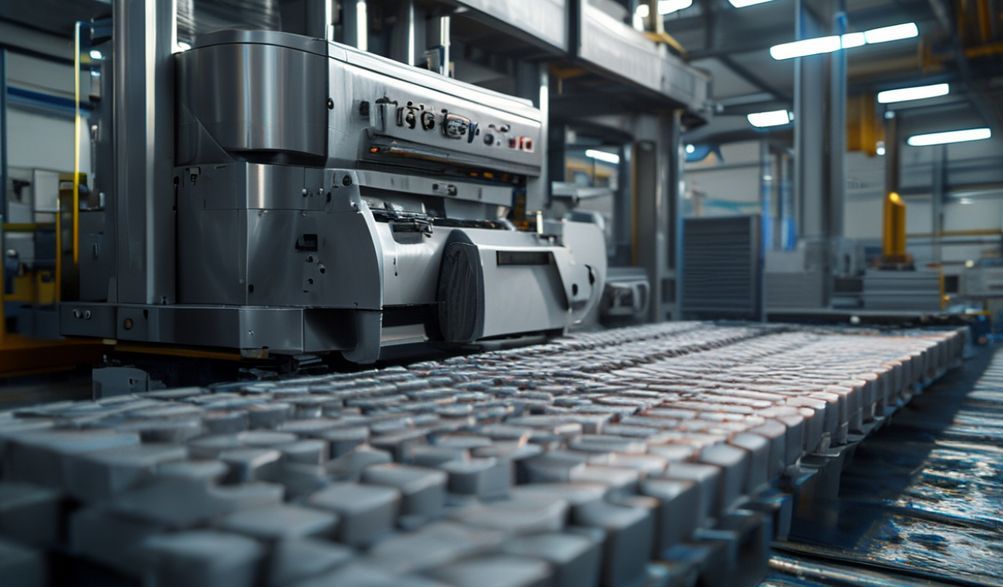
Hagahaaga loogu Sameeyo Mashinka Tayo Fiican ee Qalabka Sibidhka | Aragtida Warshada FUDA
Hordhac
Dunida dhismaha iyo warshadaha, cabashooyinka caalamiga ah—oo muhiim u ah—sida ugu wanaagsan ee loo helo qalab aamin ah, waxtar leh, iyo qiimo jaban. Guusha mashruucaaga, daacadnimada dhismahaaga, iyo fayoobida dakhligaaga badanaaba waxay ku xiran yihiin go’aankan kaliya. Marka loo eego soo saarista aasaasiga ah ee dhismaha casriga ah, waa muhiim in la helo qalab tayo leh. Sidaa darteed, waa inaan weydiinno: Maxaa run ahaantii ku qeexaya makiinad tayo leh oo sameysa biraha semento, iyo sidee baad u heleysaa soo saare aad ku kalsooni kartid?
Balooyinka simenta waa laf-dhabarta mashruucyada aan tirin lahayn, laga bilaabo guryaha degan ilaa horumariyada ganacsi oo waawayn. Mashiinka soo saara waxaa lagu iibsado ma aha oo kaliya, waa la taliye muddo dheer oo ku saamayn doona wax soo saarkaaga. Tayooyinkiisa si toos ah ayaa go'aaminaya waqtiyada mashruucaaga, isku midka alaabta, amniga qaab-dhismeedka, iyo faa'iidada guud ee dhan.
Hageegan guud ahaan waa ku salaysan mabaadi'da injineernimada iyo khibradda warshadeed. Waxaanu si faahfaahsan uga hadli doonnaa qaab-dhismeedka makiinadaha sare ee tayo leh, waxaanuna bixin doonnaa qaab cad oo loo qiimeeyo. Inta oo dhan, waxaanu tixraaci doonnaa heerarka iyo hababka loo yaqaan warshadaha la aasaasay, kuwaas oo diiradda saaran tayada sidaWarshada Qorista Lebiska FUDAsi loogu talagalay calaamad la taaban karo.
Dhamaadka maqaalkan, waxaad heysan doontaa liis cad oo ka kooban sifooyinka aan la gudbin karin ee makiinad tayo leh, hab lagu caddeeyay oo lagu qiimeeyo soosaarayaasha ka baxsan daabacaad qurux badan, iyo su'aalaha muhiimka ah ee aad weydiisan lahayd ka hor intaadan maalgelin samayn kaasoo saamayn doona ganacsigaaga sannado badan soo socda.
Waa maxay waxa ka dhigaya "Tayo Fiican" Makiinada Sameynta Boodhka Simento?
Ka baxaya ereyada ganacsiga ee la isku dhaafo, tayada dhabta ah ee makiinada sameynta bulooku waa isku darka la qiyaasi karo ee injineernimada adag, warshadeynta saxda ah, iyo naqshadaynta fekerka leh. Taasi waa waxa ka soocaya hanti dhow iyo shaqo-xoolo dheer.
Qaybaha Muhiimka ah ee Injineernimada iyo Qaab-dhismeedka
Qalfada mashiinka ayaa go'aamiya muddada nolosheeda iyo xasiloonida ay ku jirto xoogag joogto ah oo daran.
- Qaab-dhiska QaabkaTani waa aasaaska. Raadi qaababka birta oo xoogga leh, oo la xoojiyay, oo caadi ahaan loo dhiso biraha H-ama qaabab kale oo xoog sare leh. Welds-ku waa inay nadiif yihiin, isku mid, oo loo adeegsado farsamooyin xirfadeed si looga hortago jajabka hoos imanaya gariir joogto ah. Qaab jilicsan ayaa wareerin doona, taas oo keeneysa isku hagaajin la'aan, tayo aan joogto ahayn oo ku saabsan boolooyinka, iyo guuldarro hore.
- Nidaamka Korontada:Qalbiga hawlgalku waa inuu ahaadaa ku kalsoonan. Nidaamyada haydrolig ah, tani waxay ka dhigan tahay tuubooyin, balaastarado, iyo silindhirooyin tayo sare leh oo ka yimid sumadaha caanka ah, loo qorsheeyay si ay u ilaaliyaan cadaadis joogto ah oo aan u dhicin. Makiinadaha ku salaysan gariirka, waxaa ku jira mootooyin gariir oo xoog leh oo dheeli tiran oo ku dhejisan platform adag si loo hubiyo qaybinta xoogga si siman. Nidaamku waa inuu u shaqeeyaa si macquul ah iyadoo la gaabinayo codka iyo soo saarista kulka dheeraadka ah.
Qiyaas iyo Isku Midaynta Soo-saarista
Qalab tayo leh ma uun uun buraaqooyin sameeyo; wuxuu sameeyaaiska mid ah, baloogyada tayo sare leh, qayb iyo qayb.
- Tayada QalabkaQaabka ayaa ah nafta alaabtaada. Mashiinnada tayada sare leh waxay isticmaalaan qaabab laga sameeyay bir adag oo heer sare ah (tusaale ahaan, Cr12, Cr12MoV) oo si sax ah loo sameeyay. Tani waxay hubisaa saxnaanta cabbirka (muhiim u ah xawaaraha daadinta iyo isticmaalka moorta), dhammaystir siman oo bulukeeti ah, iyo iska caabin cajiib leh oo ka hortagta isku darka sibidhka dhogorta leh. Qaababka liita ayaa si dhakhso ah u xirma, taasoo keenta cidhifyo qallafsan, kala duwanaansho cabbirka, iyo waqti shaqo oo kordha oo lagu beddelayo.
- Nidaamyada Maamulka:Kani waa maskaxda. Iyadoo ay jiraan mashiinnada gacanta lagu shideeyo, mashiin tayo fiican leh inta badan wuxuu ku darsaa Kontoroolka Logik-ga Barnaamijaysan (PLC). PLC-ga wuxuu otomaatig u dhisiyaa wareegga wax-soosaarka—isku qasidda, quudinta, cadaadinta, gariirinta, iyo soo saaridda—iyadoo la adeegsanayo wakhti iyo cadaadis sax ah. Tani waxay meesha ka saareysaa qaladka bini’aadamka, waxay dammaanad ka qaadeysaa cufnaanta siman ee bulukeetiga iyo xoogga isku-buufinta, waxayna u sahleysaa hawlgalka iyo cillad-saarista.
waaxada adkeysi iyo dayactirka fudud
Mashiin aan si fudud loo dayactiri karin waxay yeelan doontaa nolol gaaban oo shaqo, iyadoo aan loo eegin sida bilowgeeda loo dhisay.
- Qaybaha la xidho (Wear Parts)Qaybaha sida liin-moorka, xirmooyinka shaabadda, iyo xidhmooyinka gariirka waxay u baahan doonaan beddelid. Mashiinka si fiican loo naqshadeeyay wuxuu u oggolaanayaa gelitaanka fudud ee qaybahan iyada oo aan loo baahnayn kala-bixiin weyn. Intaa waxaa sii dheer, soo-saareyaashu waa inay si sahlan u bixiyaan alaabta la isticmaalo.
- Iska Caabbinta DaxalkaJuulaha shaqadu waa mid adag. Raadi mashiinada lagu daweeyey buufinta anti-rust iyo rinji warshadeed oo tayo sare leh. Buufinta budada ah waxay tilmaan u tahay feejignaanta cimriga dheer.
- Design for Serviceability: Can you easily reach lubrication points? Are electrical panels and hydraulic lines organized and labeled? Is there space to work around the machine for cleaning and repair? Good design anticipates and simplifies routine and corrective maintenance.
Key Features to Compare When Selecting Your Machine
With an understanding of core quality, you can now compare specific features to match a machine to your exact business needs.
Qaybinta Soo-saarka & Heerka Automatiska
Your choice here defines your output and labor model.
- Output & Cycle Time: Don’t just look at “theoretical maximum” output. Ask for the proven, sustainable production rate (blocks per hour or per 8-hour shift) for a standard block type. The cycle time (time to produce one pallet of blocks) is a key indicator of efficiency.
- Spectrumka Automation-ka:
- Buugga Tilmaamaha: Lowest cost, highest labor. Operator controls every step.
- Nus-awtomaatiga ah: Automates core processes like compaction and vibration; operator handles block removal and pallet feeding. A great balance for many small to medium operations.
- Oo Dhammeeyso: Integrates a block elevator, stacker, and pallet return system. Maximizes output with minimal labor, ideal for large-scale production.
- Mashinnada "Urida Ukunta" ee Mobilada: Produce blocks directly on the ground, perfect for on-site production. Stationary plants are for fixed factory settings with higher, more consistent output.
Versatility and Mold Options
Your market opportunities may change. A versatile machine protects your investment.
- Interchangeable Molds: A key feature of a good system is the ability to switch molds to produce different products: hollow blocks (for load-bearing walls), solid blocks, paving stones, interlocking blocks for retaining walls, and even specialty shapes. The mold-changing process itself should be as streamlined as possible.
- Custom Mold Capabilities: Can the manufacturer engineer a custom mold for a unique design you want to bring to market? This speaks volumes about their engineering depth and flexibility.
Operational Efficiency
True cost is measured in ongoing expenses.
- Isticmaalka Tamarta Get clear data on power requirements (KW/h for electric, liters/hour for diesel). An efficient machine optimizes power use, especially during the high-energy vibration and compaction phases.
- Shuruudaha Shaqaaleed: How many operators are needed per shift for smooth, safe operation? Automation directly reduces this long-term cost.
- La Xidhiidhka Qalabka Asalka ah: Does the machine work optimally with your local mix of cement, aggregate, and sand? Can it be integrated with an automated batching and mixing system for a seamless production line?
Evaluating a Manufacturer: Beyond the Brochure (The FUDA Factory Example)
The machine is only as good as the company that stands behind it. Here’s how to assess a manufacturer, using the principles embodied by established factories like FUDA as a reference.
Khibradda iyo Khibradda Soo-saarka
- In-House R&D & Engineering: A true manufacturer invests in designing and improving its own machines. Ask about their engineering team. Do they develop their own control systems and mechanical designs, or are they simply assembling bought-in parts?
- Industry Longevity: A company with a decade or more of history has likely iterated on its designs, solved common field problems, and built a reputation. It’s a marker of stability and resilience.
- Takhasuusta A factory dedicated solely to block making machinery (like a specialized brick making factory) will typically possess deeper expertise than a general machinery trader who sells everything from excavators to generators.
Transparency and Authoritativeness
Trust is built on clarity and proof.
- Faahfaahinta Qeexitaannada Farsamada Request full, detailed spec sheets—not just a one-page flyer. This should include exact dimensions, steel grades, component brands, power specs, and weight.
- Verifiable Proof: Look for detailed case studies with photos/videos, a portfolio of past projects, and genuine customer testimonials (ideally with contactable references). A reputable factory is proud to show its machines in action.
- La-Adeegidda Heerarka: While not a global guarantee, certifications like CE (for the European market) or ISO 9001 for quality management systems indicate a formal commitment to safety, quality control, and standardized manufacturing processes.
Trustworthiness in Service and Support
This is often the most critical differentiator between a good purchase and a regrettable one.
- Warranty & Spare Parts: Scrutinize the warranty. What is covered (typically core frame, hydraulics)? For how long? Is it a genuine parts-and-labor warranty? Crucially, ask for their spare parts price list and lead time for key components. A reliable manufacturer maintains a robust inventory and supply chain.
- Rakibaad & Tababar: Do they offer supervised installation and commissioning? Do they provide comprehensive on-site training for both operators and maintenance technicians? This ensures you start on the right foot.
- Taageerada Ka Dib Iibka: How is technical support accessed? Via phone, WhatsApp, video call? What are their response time commitments? Do they have the capability to dispatch engineers for major issues? Clear support channels are essential.
The Total Cost of Ownership: Investment vs. Long-Term Value
The initial price tag is just the entry fee. Smart buyers analyze the Total Cost of Ownership (TCO).
Initial Purchase Price vs. Hidden Costs
- Visible Price: The machine’s quoted FOB or CIF cost.
- Hidden Initial Costs: International shipping, insurance, import duties and taxes, customs clearance fees, inland transportation to your site, and the cost of professional installation and foundation pouring.
Operational Costs Over Time
These are the recurring expenses that determine your profitability.
- Kharashaadka Tooska ah: Monthly electricity/fuel bills, wages for operators, and the periodic cost of replacement wear parts (seals, liners, etc.).
- The Cost of Downtime: This is the silent profit-killer. An unreliable machine that frequently breaks down halts production, delays projects, and damages client relationships. The most “expensive” machine can be the cheap one that is constantly out of service.
ROI Calculation Framework
Create a simple model to justify the investment:
1. Calculate Daily Output Value: (Blocks per day) x (Your selling price per block).
2. Calculate Daily Operational Cost: (Energy + Labor + Material Cost for that output).
3. Calculate Daily Gross Profit: (Output Value – Operational Cost).
4. Factor in Initial Investment: Include all “Initial Purchase & Hidden Costs” from above.
5. Estimate Payback Period: (Total Initial Investment) / (Daily Gross Profit) = Approximate days to break even.
A higher-quality, more efficient machine may have a higher initial cost but a faster payback period due to greater output, lower downtime, and reduced operational waste.
Essential Questions to Ask Before You Buy
Arm yourself with these questions to cut through sales talk and get to the truth.
Questions About the Machine
- “Can you provide a real-time video of this exact model running in your factory or at a customer’s site, not a promotional clip?”
- “What are the brand and model of the core components (hydraulic pump, PLC, vibration motors)?”
- “What is the expected operational lifespan of the main frame and hydraulic system under normal use?”
- “What is the exact lead time and cost for the three most commonly replaced spare parts?”
- “Can you share the technical drawing for the foundation required for this specific model?”
Questions About the Manufacturer
- “Can you connect me with two previous customers in a country with a similar climate and market to mine? I would like to speak to them directly.”
- “What specific training do your engineers provide during commissioning, and what manuals/videos are left with us?”
- “What is your standard process for handling a technical fault? What are the guaranteed response times for remote and on-site support?”
- “Do you provide a detailed electrical and hydraulic schematic diagram with the machine?”
Su'aalaha Inta Badan La Is Weydiiyo (FAQ)
Q: What is the main difference between a hydraulic and a vibration-press block machine?
A: The core mechanism. Vibration-press machines use a combination of mechanical vibration and pressure to compact the concrete mix into a mold. They are excellent for standard hollow and solid blocks. Hydraulic machines use a high-pressure hydraulic cylinder to apply immense, controlled force, producing very dense, high-strength blocks with a superior finish, ideal for pavers, curbstones, and specialized products.
Q: How much space and what foundation is needed for a stationary block making machine?
A: Requirements vary greatly by model. Generally, you need a level, reinforced concrete floor (often 200-300mm thick) capable of handling the machine’s weight and dynamic loads. Factory space must accommodate the machine itself, raw material storage, a curing area, and finished block storage. Always follow the manufacturer’s specific foundation drawing.
Q: Can one machine produce different sizes and types of blocks?
A: Yes, this is a key advantage of quality stationary machines. By purchasing and installing different, interchangeable molds, the same host machine can produce a wide variety of block types and sizes. The changeover process can take from 30 minutes to a few hours.
Q: What is a typical warranty for a good quality machine?
A: Industry standards typically range from 1 to 2 years for the core components like the main frame, hydraulic system, and electrical cabinet. Wear parts like molds, seals, and liners often have a shorter warranty (e.g., 6 months). Always get the warranty terms in writing, clearly stating what is covered and what is not.
Q: How do I ensure the blocks produced meet local construction standards?
A: First, ensure the machine is capable of producing the required compressive strength (e.g., 5MPa, 7MPa, etc.) through consistent density. Then, when you receive the machine, produce sample blocks using your local materials and send them to an independent construction materials laboratory for official compressive strength testing. This validates both your mix design and the machine’s performance.
Gabagabo
Choosing a good quality cement block making machine is a strategic decision that extends far beyond the initial price tag. As we’ve explored, true quality is a multifaceted blend of uncompromising structural integrity, precision engineering for consistency, thoughtful design for durability, and, perhaps most importantly, the proven credibility and support of the manufacturer.
The most cost-effective choice is rarely the cheapest. It is the machine with the lowest Qiimaha Guud ee La Iska Leeyahay—the one that delivers reliable, high-volume production with minimal downtime and operational waste for years to come. This is achieved by partnering with a manufacturer that demonstrates Expertise, Authoritativeness, and Trustworthiness (E-A-T) through transparent specifications, verifiable customer success, and robust after-sales support.
Your Next Steps:
1. Create a Checklist: Use the key points from the “What Defines Quality” and “Key Features” sections above as your evaluation matrix.
2. Request Detailed Documentation: Contact shortlisted manufacturers (including factories with the reputation and operational standards of a Warshada Qorista Lebiska FUDA) for complete technical specs, a clear parts list, and a formal warranty document.
3. Demand Concrete Proof: Ask for specific customer references and real-world production videos. Validate every claim.
Investing this time in due diligence is the surest way to secure a machine that won’t just make blocks, but will build the foundation for your long-term success.
<