
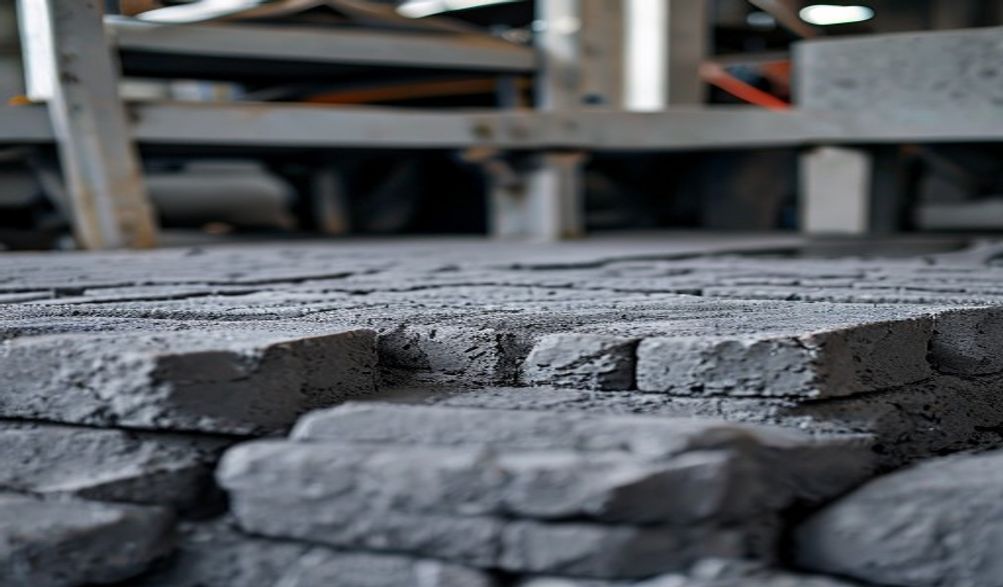
كيفية اختيار آلة صنع طوب الرماد المتطاير: دليل المشتري الخبير لعام 2024
مقدمة
اختيار آلة صنع الطوب الرملي المناسبة ليس مجرد عملية شراء؛ بل هو قرار تجاري محوري سيحدد قدرتك الإنتاجية وجودة منتجك وربحيتك لسنوات قادمة. مع خبرة تزيد عن عقد في تكنولوجيا البناء والتصنيع المستدام، شهدت مباشرة كيف يمكن للمعدات المناسبة أن تدفع بالمشروع نحو النجاح، بينما قد يؤدي الاختيار الخاطئ إلى اختناقات محبطة، وطوب دون المستوى، وضغوط مالية كبيرة.
السوق مليء بالخيارات، من المكابس اليدوية البسيطة إلى المصانع الآلية الكبيرة، يرافق كل منها مصطلحات تقنية ووعود جريئة. صمم هذا الدليل لاختراق تلك الضوضاء. سنتجاوز خطابات البيع وسنزودك بإطار عمل واضح خطوة بخطوة قائم على الخبرة العملية. في النهاية، ستمتلك المعرفة اللازمة لتقييم الآلات بناءً على أهداف الإنتاج الخاصة بك، والمواد الخام، والميزانية، محولاً قراراً معقداً إلى استثمار واثق في مستقبل عملك المستدام.
لنبني أساس نجاحك.
فهم متطلبات مشروعك: أساس اختيارك
قبل أن تنظر إلى كتيب آلة واحدة، يجب أن تنظر إلى الداخل. الخطأ الأكثر شيوعاً والأكثر تكلفة هو شراء آلة بناءً على ميزة مبهرة أو سعر جذاب، فقط لتكتشف أنها لا تتوافق مع عملياتك الفعلية. سياق عملك هو المخطط النهائي.
تقييم حجم الإنتاج والأهداف التجارية
هدفك اليومي للإنتاج هو المحرك الأساسي لاختيارك للآلة. كن واقعياً بلا رحمة.
- صغير النطاق / الناشئ (حتى 1000 طوبة/يوم):من المرجح أنك تختبر السوق، أو لديك رأس مال محدود، أو تلبّي طلبات محلية متخصصة. الآلة اليدوية أو شبه الأوتوماتيكية الأساسية هي نقطة انطلاقك. ركّز على انخفاض الاستثمار الأولي وبساطة التشغيل.
- متوسطة النطاق (1000 إلى 10000 طوبة/يوم):هذه هي النقطة المثالية لمعظم الشركات الصغيرة والمتوسطة النامية وشركات تصنيع الطوب المتخصصة. تحتاج إلى جودة ثابتة وإنتاج موثوق.آلة شبه آلية أو آلية بالكامليصبح الأمر ضرورياً. ضع في اعتبارك التوسع المستقبلي في مخطط أرضيتك وإمدادات الطاقة.
- الواسع النطاق/الصناعي (أكثر من 10,000 طوبة في اليوم)أنت تورد لمشاريع كبرى أو موزعين. الكفاءة والحد الأدنى من التدخل البشري هما المفتاح.خطوط إنتاج آلية بالكامل، يتم التحكم بها بواسطة وحدات تحكم منطقية قابلة للبرمجة (PLC).هنا، الأنظمة المتكاملة للمناولة والمعالجة تجعل الأمر منطقيًا اقتصاديًا.
نصيحة احترافية:خطط دائمًا لسعة إضافية تتراوح بين 20-25% أكثر من هدفك الحالي. هذا الاحتياطي يستوعب نمو السوق ويمنع تحول جهازك إلى عنق زجاجة خلال عام.
تحليل توافر المواد الخام وجودتها
يجب أن تكون آلتك شريكًا لموادك الخام، لا تعمل ضدها.
- اتساق رماد الفحم المتطايرجودة الرماد المتطاير الخاص بك (في المقام الأولإف-تايبمن الفحم البيتوميني أوسي-تايبيؤثر رماد الفحم (من الفحم شبه القاري/اللجنيت) مباشرة على قوة الطوب ونسبة الأسمنت المطلوبة. يعتبر مصدر محلي ثابت أمراً بالغ الأهمية، حيث أن الرماد غير المتجانس سيؤدي إلى إنتاج طوب غير متساوٍ في الجودة.
- مواد أخرى:قم بتقييم جودة وتدرج حبيبات الرمل أو غبار الحجر الخاص بك. هل هو متاح بسهولة وبسعر معقول؟ ما هي جودة المياه المحلية؟ المياه العسرة يمكن أن تؤثر على عملية المعالجة.
- احتياجات ما قبل المعالجة:إذا كانت المواد الخام الخاصة بك (مثل الرمل) ليست موحدة الحجم، فقد تحتاج إلى معدات مساعدة مثلكسارة أو منخلقبل الخلط. عالي الجودةخلاط العجينغير قابل للتفاوض لتحقيق مزيج متجانس، وهي الخطوة الأولى نحو قرميد قوي.
تحديد مواصفات الطوب والطلب في السوق
ماذا تبيع، ولمن تبيعه؟ منتجك هو من يحدد قالبك وضغط آلتك.
- المقاسات والأنواع القياسية:هل تصنعون بلوكات صلبة مقاس 4 بوصات، 6 بوصات، أو 8 بوصات للأعمال الإنشائية؟ هلالطوب المجوف(الذي يوفر المواد ويعزز العزل) في طلب أعلى؟ ربما يكون سوق رصفالطوب المتشابكأو تنسيق الحدائقالبلاطاتفي منطقتك يشهد ازدهارًا.
- قوة الضغط:هذه هي قمة المواصفات. قد تتطلب الجدران الحاملة طوبًا ذا قوة ضغط تتراوح بين 7-10 ميغاباسكال أو أكثر، بينما يمكن للجدران الفاصلة استخدام وحدات ذات قوة أقل. تعرف على قوانين البناء المحلية ومتطلبات العملاء. سعة ضغط الماكينة (الحمولة بالطن) هي العامل الأساسي الذي يحدد هذه القوة.
المواصفات التقنية الرئيسية لآلات تصنيع الطوب من الرماد المتطاير
الآن، مع مخطط مشروعك في متناول اليد، يمكننا فك شفرة اللغة التقنية للآلة. هنا، تفصل الخبرة بين استثمار جيد وخطأ مكلف.
أنواع آلات تصنيع طوب الرماد المتطاير
-
الآلات اليدوية:يُشغَّل بالكامل بواسطة أذرع يدوية أو عجلات دوارة.
- مزايا:تكلفة أولية منخفضة جدًا، لا حاجة للطاقة تقريبًا أو لا تحتاج إليها على الإطلاق، بسيطة وسهلة الفهم.
- سلبيات:إنتاج منخفض للغاية (200-500 طوبة/يوم)، كثيف العمالة بشكل كبير، جودة منتج غير متسقة، مرهق بدنيًا.
- الأفضل لـ: Ultra-small startups, community projects, or producing samples.
-
الآلات شبه الآلية: The operator feeds the mix into the machine hopper, but the pressing, ejection, and sometimes feeding are powered (hydraulic or vibratory).
- مزايا: Excellent balance of output (1000-5000+ bricks/day), cost, and quality. Good consistency with less labor than manual machines. Often modular, allowing for future upgrades.
- سلبيات: Requires a steady power supply and some skilled labor for operation and maintenance.
- الأفضل لـ: The vast majority of small and medium enterprises (SMEs). This is the most popular and versatile category.
-
آلات أوتوماتيكية بالكامل: Computer-controlled (PLC) production lines. They automate material feeding, mixing, pressing, curing stack arrangement, and sometimes pallet return.
- مزايا: Very high, consistent output (10,000+ bricks/day) with minimal labor. Exceptional product uniformity and quality control.
- سلبيات: High capital investment, requires significant space and robust three-phase power infrastructure, complex maintenance needing specialized technicians.
- الأفضل لـ: Large-scale industrial plants with high, consistent demand.
Core Mechanism: Hydraulic vs. Vibratory Press
This is a fundamental technical choice impacting brick quality and production style.
-
المكبس الهيدروليكي: Uses a hydraulic cylinder to apply immense, controlled static pressure (measured in tons) to the raw mix in a mold.
- How it works: Oil is pumped into a cylinder, forcing a piston to compact the mix under high, sustained pressure.
- مزايا: Produces bricks with superior density, strength, and dimensional accuracy. Excellent for high-strength solid blocks and interlocking bricks. The process is generally quieter.
- اعتبارات: Cycle time can be slightly slower than some vibratory systems, but modern machines are highly efficient.
-
Vibratory Press: Uses a combination of vibration and lower pressure to compact the material. The mix is subjected to high-frequency vibrations that settle the particles densely.
- How it works: An eccentric weight rotates at high speed, creating vibrations transmitted to the mold table.
- مزايا: Often has a faster cycle time, making it suitable for high-volume production of certain hollow block designs. Can be more energy-efficient for specific applications.
- اعتبارات: May not achieve the same ultra-high compressive strengths as a high-tonnage hydraulic press for solid blocks. Can be noisier and cause more wear on molds.
Verdict: For fly ash bricks where high compressive strength is a primary selling pointالhydraulic press is often the recommended and more prevalent choice. However, discuss your specific brick portfolio with suppliers, as some vibratory machines are excellent for certain products.
Critical Machine Specifications to Scrutinize
When comparing models, these are the numbers that matter:
- سعة الضغط (الطاقة بالطن): Ranges from 20 tons for small machines to 200+ tons for large ones. Higher tonnage = higher potential brick density and compressive strength. Match this to your strength requirements.
- Cycle Time & Production Output: Cycle time is the seconds/minutes to produce one batch (e.g., 4 bricks). Output is bricks per hour/day. Ensure the claimed output is based on a standard cycle time, not a theoretical maximum. Cross-reference this with your scale assessment.
- Power Requirement (HP/KW): Determines your electricity bill and necessary connection. A 10 HP machine is vastly different from a 50 HP one. Factor this into your operational cost model.
- مستوى الأتمتة: Does it have an auto-feeder? An automatic pallet return system? A product stacker? Each level of automation reduces labor, increases consistency, and adds to the cost. Choose based on your labor availability and cost.
Beyond the Machine: Essential Auxiliary Equipment
A brick machine alone does not make a brick plant. Ignoring these components is like buying a car without planning for fuel or maintenance.
The Importance of a Quality Pan Mixer
The mixing process is where quality is born. A forced-action خلاط العجين with rotating stars/scrapers is essential. It ensures every particle of fly ash, sand, and cement is uniformly coated, leading to consistent strength and color. Size its batch capacity to match your machine’s cycle to avoid waiting time.
Brick Curing and Drying Systems
Freshly pressed “green” bricks are fragile. Proper curing is what gives them strength.
- Water Curing: The traditional method. Bricks are stacked and kept wet for 14-28 days. It’s low-cost but requires vast space, time, and consistent attention.
- Steam Curing (Autoclaving): Bricks are placed in a chamber and cured with steam under pressure for 8-12 hours. It’s faster, space-efficient, and produces higher early-strength bricks, but requires a significant investment in an autoclave and boiler.
- Pallets & Racks: You’ll need a sufficient number of steel or wooden pallets to hold bricks through the curing cycle and sturdy racks for organized storage.
Material Handling & Logistics
Moving tons of raw material and bricks manually is inefficient and increases breakage.
- Feed Hoppers & Conveyors: Belt conveyors or screw feeders can move raw mix from the mixer to the machine hopper seamlessly.
- Green Brick Handling: Forklifts, trolleys, or simple transfer carts are needed to move fresh bricks to the curing area without damage.
- التكديس: For larger operations, mechanical brick stackers can dramatically reduce labor and time post-curing.
The Supplier Evaluation Checklist: Ensuring Trust & Quality
The machine is only as good as the company behind it. This step protects your investment.
Manufacturer Reputation & After-Sales Service
- Research: Look for a history of 10+ years. Search for the company name + “reviews” or “complaints.” Ask for a list of client references and actually call them.
- The Deal-Breaker – After-Sales Support: Does the supplier offer installation supervision, on-site operator training, and a local service network? What is the warranty period (aim for at least 1 year on critical parts)? How quickly can they supply spare parts? A cheap machine with no support is the most expensive machine you can buy.
Requesting a Factory Visit & Machine Trial
If possible, never buy a machine you haven’t seen running.
- Witness Operation: Visit the manufacturer’s facility. See the machine’s build quality, weld points, and electrical panels. Observe it in action—is the operation smooth? Is the noise level acceptable?
- Conduct a Trial: The golden rule. Bring a sample of your own fly ash and raw materials. Have the supplier produce bricks with them. Test these bricks for dimensional accuracy, edge sharpness, and later, for compressive strength in a lab. This proves the machine’s capability with أنت inputs.
Cost Analysis: Understanding the Total Investment
انظر إلى ما هو أبعد من السعر الظاهر.
- Total Project Cost: Includes:
- Machine Price
- Auxiliary Equipment (Mixer, Conveyor, Pallets)
- Installation & Foundation Civil Work
- Electrical Setup (Transformers, Wiring)
- Transportation and Insurance
- Initial Spare Parts Kit
- Operational Cost per Brick: Calculate the cost of power, labor, maintenance, and raw materials for every 1000 bricks produced. A slightly more expensive but efficient and robust machine will often have a lower operational cost.
- Avoid the Cheap Trap: The lowest bid often cuts corners on steel quality, hydraulic components, and motor brands. This leads to frequent breakdowns, higher maintenance costs, and lost production time. Invest in reliability.
FAQ: Your Fly Ash Brick Machine Questions Answered
Q1: What is the average cost range for a good fly ash brick making machine?
أ: Prices vary dramatically. A basic manual machine can start from $1,500 – $3,000. A quality semi-automatic hydraulic machine typically ranges from ١٥,٠٠٠ – ٥٠,٠٠٠ دولار أمريكي+, depending on automation and output. Fully automatic production lines begin around $80,000 and can exceed $250,000. Always get detailed quotes based on your specific output and automation requirements.
Q2: Can I use the same machine to produce different types of bricks (e.g., hollow and solid)?
أ: Yes, most machines are designed for this, but with caveats. The machine must have sufficient pressure (tonnage) to produce dense solid blocks. You will need to purchase قوالب قابلة للتبديل for each brick type (hollow, solid, paver). Ensure the supplier can provide or source these additional molds and that the machine’s feed system and ejection mechanism are compatible with the different brick heights and designs.
Q3: What is the typical payback period for this investment?
أ: With efficient operation and good market demand, a well-planned SME setup can see a payback period of 1.5 to 3 years. For a simplified estimate: (Total Investment Cost) / [(Selling Price per Brick – Cost per Brick) * Monthly Production]. Factors like your local brick price, raw material cost, and sales volume are critical.
Q4: How much skilled labor is required to operate a semi-automatic machine?
أ: A standard semi-automatic plant can be effectively run by 2-3 semi-skilled workers. One attends to the mixer and machine feeding, while the others handle the green bricks—transferring them to curing stacks and managing pallets. Comprehensive training from the supplier is essential for safe and efficient operation.
Q5: What are the most common maintenance issues, and how can I prevent them?
أ:
* Hydraulic Oil Leaks: Caused by worn seals or loose fittings. Prevention: Regular inspection and using the recommended grade of hydraulic oil.
* Mold Wear & Tear: Leading to rough brick edges or dimensional issues. Prevention: Regular cleaning after each shift and ensuring the raw mix is free of large, hard impurities.
* Electrical Faults: From dust ingress or loose connections. Prevention: Keeping control panels clean and dry, and conducting periodic checks.
* General Wear: On moving parts like bearings and guides. Prevention: Strict adherence to the daily and weekly lubrication schedule outlined in the manual.
خاتمة
Choosing the perfect fly ash brick making machine is a systematic journey, not a snap decision. It begins with a clear-eyed assessment of your own production goals, raw materials, and market. This foundation allows you to navigate the technical landscape—understanding the vital difference between hydraulic and vibratory systems, and scrutinizing specifications like tonnage and cycle time. Finally, pairing the right technical specifications with a reputable, service-oriented supplier seals your investment’s success.
Remember, the best machine is not the cheapest or the most feature-laden. It is the one that forms the optimal bridge between your current reality and your growth ambitions, enabling you to produce high-quality, sustainable building materials profitably and reliably. Use this guide as your checklist, ask the hard questions, and invest with confidence.
Call to Action (CTA):
Ready to take the next step? Download our free, detailed Fly Ash Brick Machine Buyer’s Checklist to compare suppliers and specifications systematically. For personalized advice, contact our industry experts with your project details.