
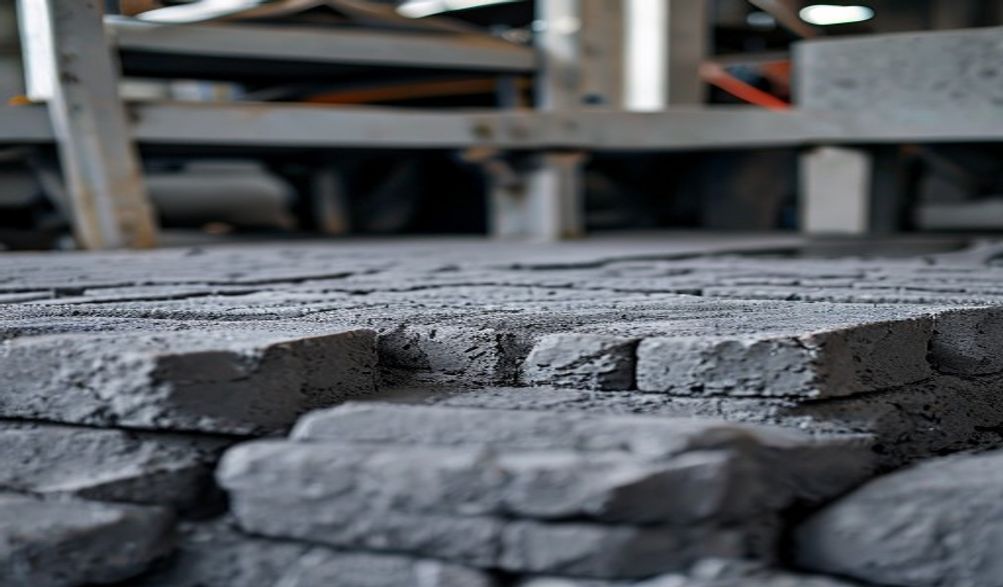
Como Escolher uma Máquina para Fabricar Tijolos de Cinzas Volantes: Um Guia de Compra Especializado para 2024
Introdução
Escolher a máquina correta para fabricar tijolos de cinzas volantes não é apenas uma compra; é uma decisão empresarial crucial que definirá sua capacidade de produção, a qualidade do produto e a rentabilidade pelos próximos anos. Com mais de uma década de experiência em tecnologia da construção e manufatura sustentável, testemunhei pessoalmente como o equipamento certo pode impulsionar um empreendimento ao sucesso, enquanto uma escolha inadequada pode levar a gargalos frustrantes, tijolos de qualidade inferior e uma pressão financeira significativa.
O mercado está inundado de opções, desde prensas manuais simples até complexas plantas totalmente automáticas, cada uma acompanhada de jargão técnico e promessas ousadas. Este guia foi criado para cortar esse ruído. Vamos além dos discursos de vendas e oferecemos uma estrutura clara e passo a passo, baseada em experiência prática. Ao final, você terá o conhecimento para avaliar as máquinas com base em seus objetivos específicos de produção, matérias-primas e orçamento, transformando uma decisão complexa em um investimento seguro para o futuro sustentável do seu negócio.
Vamos construir a base para o seu sucesso.
Entendendo os Requisitos do Seu Projeto: A Base da Sua Escolha
Antes de olhar para um único catálogo de máquinas, você precisa olhar para dentro. O erro mais comum e custoso é comprar uma máquina com base em um recurso chamativo ou preço atrativo, apenas para descobrir que ela não se adequa à sua operação real. O contexto do seu negócio é o plano definitivo.
Avaliando Sua Escala de Produção e Objetivos de Negócio
Sua meta de produção diária é o principal fator na escolha da sua máquina. Seja implacavelmente realista.
- Pequena Escala/Início (Até 1000 tijolos/dia):Você provavelmente está testando o mercado, tem capital limitado ou está atendendo pedidos locais e de nicho. Uma máquina manual ou semiautomática básica é o seu ponto de partida. Foque em baixo investimento inicial e simplicidade de operação.
- Média escala (1000 a 10.000 tijolos/dia):Este é o ponto ideal para a maioria das PMEs em crescimento e fabricantes de tijolos dedicados. Você precisa de qualidade consistente e produção confiável. Uma máquina robustamáquina semiautomática ou totalmente automáticatorna-se essencial. Considere a expansão futura em seu plano de piso e fornecimento de energia.
- Grande Escala/Industrial (10.000+ tijolos/dia):Você está fornecendo para grandes projetos ou distribuidores. Eficiência e intervenção humana mínima são fundamentais.linhas de produção totalmente automáticas, controladas por PLCcom sistemas integrados de manuseio de materiais e cura fazem sentido econômico aqui.
Dica Pro:Sempre planeje uma capacidade de 20 a 25% maior do que seu objetivo atual. Essa margem acomoda o crescimento do mercado e evita que sua máquina se torne um gargalo dentro de um ano.
Análise da Disponibilidade e Qualidade de Matérias-Primas
Sua máquina deve ser uma parceira de suas matérias-primas, não trabalhar contra elas.
- Consistência das Cinzas Volantes:A qualidade da sua cinza volante (principalmenteF-Typede carvão betuminoso ouTipo Cde sub-betuminoso/lignito) afeta diretamente a resistência do tijolo e a proporção de cimento necessária. Uma fonte local consistente é fundamental. Cinzas inconsistentes levarão a tijolos inconsistentes.
- Outros Materiais:Avalie a qualidade e a granulometria da sua areia ou pó de pedra. Ela está prontamente disponível e é acessível? Qual é a qualidade da água local? Água dura pode afetar a cura.
- Necessidades de Pré-processamento:Se as suas matérias-primas (como areia) não tiverem tamanho uniforme, você pode precisar de equipamentos auxiliares como umatriturador ou peneiradorantes de misturar. Um de alta qualidademisturador de panelaé não negociável para se obter uma mistura homogênea, que é o primeiro passo para um tijolo resistente.
Definindo Suas Especificações de Tijolos e a Demanda do Mercado
O que você está vendendo e para quem está vendendo? Seu produto define o molde e a pressão da máquina.
- Tamanhos e Tipos Padrão:Você está produzindo blocos maciços padrão de 4″, 6″ ou 8″ para trabalho estrutural? Sãoblocos vazadosque economiza material e melhora o isolamento, está em maior demanda? Talvez o mercado para pavimentaçãotijolos de encaixeou paisagismopavimentadorasestá em expansão na sua região.
- Resistência à Compressão:Esta é a principal especificação. Paredes estruturais podem exigir tijolos com resistência à compressão de 7-10 MPa ou mais, enquanto paredes divisórias podem utilizar unidades de menor resistência. Conheça os códigos de construção locais e as exigências do cliente. A capacidade de pressão da máquina (tonelagem) é o principal fator que determina essa resistência.
Especificações Técnicas Principais das Máquinas de Tijolos de Cinzas Volantes
Agora, com o seu projeto em mãos, podemos decodificar a linguagem técnica da máquina. É aqui que a expertise separa um bom investimento de um erro caro.
Tipos de máquinas para fazer tijolos de cinza volante
-
Máquinas Manuais:Operado inteiramente por alavancas manuais ou volantes.
- Prós:Custo inicial muito baixo, necessidade mínima ou nenhuma de energia elétrica, simples de entender.
- Contras:Extremamente baixa produção (200-500 tijolos/dia), altamente intensiva em mão de obra, qualidade inconsistente do produto, fisicamente exigente.
- Melhor para: Ultra-small startups, community projects, or producing samples.
-
Máquinas Semiautomáticas: The operator feeds the mix into the machine hopper, but the pressing, ejection, and sometimes feeding are powered (hydraulic or vibratory).
- Prós: Excellent balance of output (1000-5000+ bricks/day), cost, and quality. Good consistency with less labor than manual machines. Often modular, allowing for future upgrades.
- Contras: Requires a steady power supply and some skilled labor for operation and maintenance.
- Melhor para: The vast majority of small and medium enterprises (SMEs). This is the most popular and versatile category.
-
Máquinas Totalmente Automáticas: Computer-controlled (PLC) production lines. They automate material feeding, mixing, pressing, curing stack arrangement, and sometimes pallet return.
- Prós: Very high, consistent output (10,000+ bricks/day) with minimal labor. Exceptional product uniformity and quality control.
- Contras: High capital investment, requires significant space and robust three-phase power infrastructure, complex maintenance needing specialized technicians.
- Melhor para: Large-scale industrial plants with high, consistent demand.
Core Mechanism: Hydraulic vs. Vibratory Press
This is a fundamental technical choice impacting brick quality and production style.
-
Prensa Hidráulica: Uses a hydraulic cylinder to apply immense, controlled static pressure (measured in tons) to the raw mix in a mold.
- How it works: Oil is pumped into a cylinder, forcing a piston to compact the mix under high, sustained pressure.
- Vantagens: Produces bricks with superior density, strength, and dimensional accuracy. Excellent for high-strength solid blocks and interlocking bricks. The process is generally quieter.
- Considerações: Cycle time can be slightly slower than some vibratory systems, but modern machines are highly efficient.
-
Vibratory Press: Uses a combination of vibration and lower pressure to compact the material. The mix is subjected to high-frequency vibrations that settle the particles densely.
- How it works: An eccentric weight rotates at high speed, creating vibrations transmitted to the mold table.
- Vantagens: Often has a faster cycle time, making it suitable for high-volume production of certain hollow block designs. Can be more energy-efficient for specific applications.
- Considerações: May not achieve the same ultra-high compressive strengths as a high-tonnage hydraulic press for solid blocks. Can be noisier and cause more wear on molds.
Verdict: For fly ash bricks where high compressive strength is a primary selling pointohydraulic press is often the recommended and more prevalent choice. However, discuss your specific brick portfolio with suppliers, as some vibratory machines are excellent for certain products.
Critical Machine Specifications to Scrutinize
When comparing models, these are the numbers that matter:
- Pressure Capacity (Tonnage): Ranges from 20 tons for small machines to 200+ tons for large ones. Higher tonnage = higher potential brick density and compressive strength. Match this to your strength requirements.
- Cycle Time & Production Output: Cycle time is the seconds/minutes to produce one batch (e.g., 4 bricks). Output is bricks per hour/day. Ensure the claimed output is based on a standard cycle time, not a theoretical maximum. Cross-reference this with your scale assessment.
- Power Requirement (HP/KW): Determines your electricity bill and necessary connection. A 10 HP machine is vastly different from a 50 HP one. Factor this into your operational cost model.
- Nível de Automação: Does it have an auto-feeder? An automatic pallet return system? A product stacker? Each level of automation reduces labor, increases consistency, and adds to the cost. Choose based on your labor availability and cost.
Beyond the Machine: Essential Auxiliary Equipment
A brick machine alone does not make a brick plant. Ignoring these components is like buying a car without planning for fuel or maintenance.
The Importance of a Quality Pan Mixer
The mixing process is where quality is born. A forced-action misturador de panela with rotating stars/scrapers is essential. It ensures every particle of fly ash, sand, and cement is uniformly coated, leading to consistent strength and color. Size its batch capacity to match your machine’s cycle to avoid waiting time.
Brick Curing and Drying Systems
Freshly pressed “green” bricks are fragile. Proper curing is what gives them strength.
- Water Curing: The traditional method. Bricks are stacked and kept wet for 14-28 days. It’s low-cost but requires vast space, time, and consistent attention.
- Steam Curing (Autoclaving): Bricks are placed in a chamber and cured with steam under pressure for 8-12 hours. It’s faster, space-efficient, and produces higher early-strength bricks, but requires a significant investment in an autoclave and boiler.
- Pallets & Racks: You’ll need a sufficient number of steel or wooden pallets to hold bricks through the curing cycle and sturdy racks for organized storage.
Material Handling & Logistics
Moving tons of raw material and bricks manually is inefficient and increases breakage.
- Feed Hoppers & Conveyors: Belt conveyors or screw feeders can move raw mix from the mixer to the machine hopper seamlessly.
- Green Brick Handling: Forklifts, trolleys, or simple transfer carts are needed to move fresh bricks to the curing area without damage.
- Empilhamento: For larger operations, mechanical brick stackers can dramatically reduce labor and time post-curing.
The Supplier Evaluation Checklist: Ensuring Trust & Quality
The machine is only as good as the company behind it. This step protects your investment.
Manufacturer Reputation & After-Sales Service
- Research: Look for a history of 10+ years. Search for the company name + “reviews” or “complaints.” Ask for a list of client references and actually call them.
- The Deal-Breaker – After-Sales Support: Does the supplier offer installation supervision, on-site operator training, and a local service network? What is the warranty period (aim for at least 1 year on critical parts)? How quickly can they supply spare parts? A cheap machine with no support is the most expensive machine you can buy.
Requesting a Factory Visit & Machine Trial
If possible, never buy a machine you haven’t seen running.
- Witness Operation: Visit the manufacturer’s facility. See the machine’s build quality, weld points, and electrical panels. Observe it in action—is the operation smooth? Is the noise level acceptable?
- Conduct a Trial: The golden rule. Bring a sample of your own fly ash and raw materials. Have the supplier produce bricks with them. Test these bricks for dimensional accuracy, edge sharpness, and later, for compressive strength in a lab. This proves the machine’s capability with seu inputs.
Cost Analysis: Understanding the Total Investment
Look beyond the sticker price.
- Total Project Cost: Includes:
- Machine Price
- Auxiliary Equipment (Mixer, Conveyor, Pallets)
- Installation & Foundation Civil Work
- Electrical Setup (Transformers, Wiring)
- Transportation and Insurance
- Initial Spare Parts Kit
- Operational Cost per Brick: Calculate the cost of power, labor, maintenance, and raw materials for every 1000 bricks produced. A slightly more expensive but efficient and robust machine will often have a lower operational cost.
- Avoid the Cheap Trap: The lowest bid often cuts corners on steel quality, hydraulic components, and motor brands. This leads to frequent breakdowns, higher maintenance costs, and lost production time. Invest in reliability.
FAQ: Your Fly Ash Brick Machine Questions Answered
Q1: What is the average cost range for a good fly ash brick making machine?
A: Prices vary dramatically. A basic manual machine can start from $1,500 – $3,000. A quality semi-automatic hydraulic machine typically ranges from $15,000 – $50,000+, depending on automation and output. Fully automatic production lines begin around $80,000 and can exceed $250,000. Always get detailed quotes based on your specific output and automation requirements.
Q2: Can I use the same machine to produce different types of bricks (e.g., hollow and solid)?
A: Yes, most machines are designed for this, but with caveats. The machine must have sufficient pressure (tonnage) to produce dense solid blocks. You will need to purchase moldes intercambiáveis for each brick type (hollow, solid, paver). Ensure the supplier can provide or source these additional molds and that the machine’s feed system and ejection mechanism are compatible with the different brick heights and designs.
Q3: What is the typical payback period for this investment?
A: With efficient operation and good market demand, a well-planned SME setup can see a payback period of 1.5 to 3 years. For a simplified estimate: (Total Investment Cost) / [(Selling Price per Brick – Cost per Brick) * Monthly Production]. Factors like your local brick price, raw material cost, and sales volume are critical.
Q4: How much skilled labor is required to operate a semi-automatic machine?
A: A standard semi-automatic plant can be effectively run by 2-3 semi-skilled workers. One attends to the mixer and machine feeding, while the others handle the green bricks—transferring them to curing stacks and managing pallets. Comprehensive training from the supplier is essential for safe and efficient operation.
Q5: What are the most common maintenance issues, and how can I prevent them?
A:
* Hydraulic Oil Leaks: Caused by worn seals or loose fittings. Prevention: Regular inspection and using the recommended grade of hydraulic oil.
* Mold Wear & Tear: Leading to rough brick edges or dimensional issues. Prevention: Regular cleaning after each shift and ensuring the raw mix is free of large, hard impurities.
* Electrical Faults: From dust ingress or loose connections. Prevention: Keeping control panels clean and dry, and conducting periodic checks.
* General Wear: On moving parts like bearings and guides. Prevention: Strict adherence to the daily and weekly lubrication schedule outlined in the manual.
Conclusão
Choosing the perfect fly ash brick making machine is a systematic journey, not a snap decision. It begins with a clear-eyed assessment of your own production goals, raw materials, and market. This foundation allows you to navigate the technical landscape—understanding the vital difference between hydraulic and vibratory systems, and scrutinizing specifications like tonnage and cycle time. Finally, pairing the right technical specifications with a reputable, service-oriented supplier seals your investment’s success.
Remember, the best machine is not the cheapest or the most feature-laden. It is the one that forms the optimal bridge between your current reality and your growth ambitions, enabling you to produce high-quality, sustainable building materials profitably and reliably. Use this guide as your checklist, ask the hard questions, and invest with confidence.
Call to Action (CTA):
Ready to take the next step? Download our free, detailed Fly Ash Brick Machine Buyer’s Checklist to compare suppliers and specifications systematically. For personalized advice, contact our industry experts with your project details.