
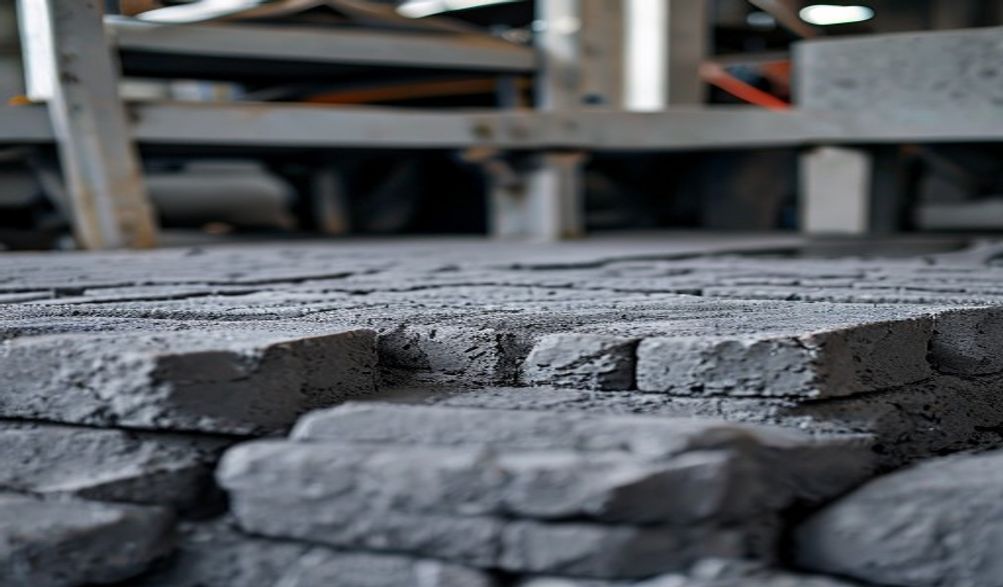
Fly Ash G'isht Tayyorlash Mashinasini Qanday Tanlash Kerak: 2024 Yil Uchun Mutaxassis Xaridor Qo‘llanmasi
Kirish
To'g'ri uchqun kulidan g'isht ishlab chiqarish mashinasini tanlash oddiygina xarid emas; bu sizning ishlab chiqarish quvvatingiz, mahsulot sifatiz va foydaliligizni yillar davomida belgilaydigan muhim biznes qaroridir. Qurilish texnologiyasi va barqaror ishlab chiqarish sohasidagi o'n yildan ortiq tajribam davomida, men to'g'ri uskunalar qanchalik loyihani muvaffaqiyatga olib borishi, noto'g'ri tanlov esa qoniqarsiz g'ishtlar, jiddiy moliyaviy qiyinchiliklar va ishlab chiqarishdagi to'siqlarga olib kelishini ko'rib kelganman.
Bozor oddiy qo'lda ishlatiladigan presslardan tortib, to'liq avtomatlashtirilgan keng ko'lamli zavodlargacha bo'lgan ko'plab variantlar bilan to'lib-toshgan bo'lib, ularning har biri texnik jargon va ulkan va'dalar bilan birga keladi. Ushbu qo'llanma shovqinni chetlab o'tish uchun mo'ljallangan. Biz savdo takliflaridan tashqariga chiqib, amaliy tajribaga asoslangan aniq va bosqichma-bosqich yo'lni taqdim etamiz. Oxirida siz o'z ishlab chiqarish maqsadlaringiz, xom ashyo va byudjetingizga asoslanib mashinalarni baholash bilimiga ega bo'lasiz, murakkab qarorni biznesingizning barqaror kelajigiga ishonchli sarmoyaga aylantirib olasiz.
Keling, sizning muvaffaqiyatingiz uchun asos yarataylik.
Loyihangiz Talablarini Tushunish: Tanlovingiz Asosi
Yagona mashina kataloglariga qarashdan oldin, ichkariga qarashingiz kerak. Eng keng tarqalgan va qimmat xato - bu jozibador xususiyat yoki jozibador narxga asoslanib mashina sotib olish, ammo keyin u sizning haqiqiy faoliyatingizga mos kelmasligini aniqlashdir. Sizning biznes kontekstingiz yakuniy rejadir.
Ishlab Chiqarish Miqyosingiz va Biznes Maqsadlaringizni Baholash
Kunlik ishlab chiqarish maqsadingiz mashina tanlashda asosiy omil hisoblanadi. Haqiqatga qat'iy amal qiling.
- Kichik miqyosli/yangi boshlanayotgan (Kuniga 1000 g‘ishtgacha):Siz bozorni sinab ko'ryapsiz, cheklangan kapitalingiz bor yoki mahalliy, tor bozor buyurtmalarini bajarasiz. Qo'lda yoki oddiy yarim avtomat mashina sizning boshlang'ich nuqtangizdir. Dastlabki past investitsiya va ishlash soddaligiga e'tibor qarating.
- Oʻrta miqyosli (1000 dan 10 000 gacha gʻisht/kun):Bu ko'pchilik rivojlanayotgan kichik va o'rta korxonalar va maxkir g'isht ishlab chiqaruvchilar uchun eng qulay nuqtadir. Sizga barqaror sifat va ishonchli mahsulot kerak. Mustahkamyarim avtomatik yoki to'liq avtomatik mashinakelajakdagi kengayishni o'z qavat rejangiz va elektr ta'minotingizda hisobga olish muhimdir.
- Yirik sanoat (kuniga 10 000+ g'isht):Siz yirik loyihalar yoki distribyutorlarga xizmat ko'rsatmoqdasiz. Samaradorlik va minimal inson aralashuvi asosiy omillardir.to'liq avtomatlashtirilgan, PLC boshqariladigan ishlab chiqarish liniyalariBu erda integratsiyalangan materiallarni qayta ishlash va quritish tizimlari iqtisodiy jihatdan maqsadga muvofiqdir.
Professional Maslahat:Hozirgi maqsadingizdan 20-25% ko'proq quvvatni har doim rejalashtiring. Bu zaxira bozordagi o'sishni qoplaydi va mashinangizning bir yil ichida tor bo'g'in bo'lib qolishining oldini oladi.
Xomashyolarning Mavjudligi va Sifatini Tahlil Qilish
Sizning mashinangiz xom ashyongizga qarshi emas, balki uning sherigi bo'lishi kerak.
- Fly Ash Tutarliligi:Sizning uchuvchi kulingizning sifati (asosan)F-Turibitumli ko'mirdan yokiC-Turipastdan (lignitdan) olingan kulning tarkibi g'ishtning mustahkamligiga va talab qilinadigan sement nisbatiga bevosita ta'sir ko'rsatadi. Doimiy mahalliy manba muhim ahamiyatga ega. Notekis kul notekis g'ishtlarga olib keladi.
- Boshqa Materiallar:Qum yoki tosh changining sifati va granulometriyasini baholang. U osonlik bilan topiladimi va arzonmi? Mahalliy suvning sifatini aniqlang. Qattiq suv qurish jarayoniga ta'sir ko'rsatishi mumkin.
- Oldindan qayta ishlash talablari:Agar sizning xom ashyongiz (masalan, qum) bir xil o‘lchamda bo‘lmasa, sizga qo‘shimcha uskunalar, masalan,drobilka yoki elaklovchiaralashtirishdan oldin. Yuqori sifatlipan mixerBir xil aralashmaga erishish, kuchli g‘ishtning birinchi bosqichi bo‘lib, bu masala muhokama qilinmaydi.
G'ishtning texnik xususiyatlari va bozor talabini aniqlash
Siz nimani sotyapsiz va kimga sotyapsiz? Mahsulotingiz sizning qolip va mashina bosimingizni belgilaydi.
- Standart O‘lchamlar va Turlari:Siz strukturaviy ish uchun standart 4, 6 yoki 8 dyuymli qattiq bloklar tayyorlayapsizmi?ichki bloklar( material va izolyatsiyani yaxshilaydi) yuqori talabdami? Yo‘lak qoplama bozorio'zaro bog'langan g'ishtlaryoki landshaft dizayniyotqizgichlarSizning mintaqangizda jadal rivojlanmoqda.
- Siqilish kuchi:Bu spetsifikatsiyalarning qiroli. Yuk ko'taruvchi devorlar 7-10 MPa yoki undan yuqori bosim kuchiga ega g'ishtlarni talab qilishi mumkin, bo'linma devorlari esa pastroq quvvatli bloklardan foydalanishi mumkin. Mahalliy qurilish me'yorlari va mijoz talablarini biling. Mashinaning bosim quvvati (tonnaj) bu kuchni belgilovchi asosiy omil hisoblanadi.
Kul g‘isht mashinalarining asosiy texnik xususiyatlari
Endi, qo'lingizdagi loyiha rejasi bilan, mashinaning texnik tilini tahlil qilishimiz mumkin. Aynan shu yerda tajriba yaxshi investitsiyani qimmatli xatodan ajratib turadi.
Pештак гишт ясаш машиналарининг турлари
-
Qo'lda Boshqariladigan Mashinalar:To‘liq qo‘l dastaklari yoki volanlar bilan boshqariladi.
- Afzalliklari:Juda past boshlang‘ich xarajat, minimal yoki umuman energiya talab qilmaydi, tushunish oson.
- Kamchiliklari: Extremely low output (200-500 bricks/day), highly labor-intensive, inconsistent product quality, physically demanding.
- Eng yaxshisi: Ultra-small startups, community projects, or producing samples.
-
Yarim avtomat mashinalar: The operator feeds the mix into the machine hopper, but the pressing, ejection, and sometimes feeding are powered (hydraulic or vibratory).
- Afzalliklari: Excellent balance of output (1000-5000+ bricks/day), cost, and quality. Good consistency with less labor than manual machines. Often modular, allowing for future upgrades.
- Kamchiliklari: Requires a steady power supply and some skilled labor for operation and maintenance.
- Eng yaxshisi: The vast majority of small and medium enterprises (SMEs). This is the most popular and versatile category.
-
To'liq avtomatik mashinalar: Computer-controlled (PLC) production lines. They automate material feeding, mixing, pressing, curing stack arrangement, and sometimes pallet return.
- Afzalliklari: Very high, consistent output (10,000+ bricks/day) with minimal labor. Exceptional product uniformity and quality control.
- Kamchiliklari: High capital investment, requires significant space and robust three-phase power infrastructure, complex maintenance needing specialized technicians.
- Eng yaxshisi: Large-scale industrial plants with high, consistent demand.
Core Mechanism: Hydraulic vs. Vibratory Press
This is a fundamental technical choice impacting brick quality and production style.
-
Gidravlik Press: Uses a hydraulic cylinder to apply immense, controlled static pressure (measured in tons) to the raw mix in a mold.
- How it works: Oil is pumped into a cylinder, forcing a piston to compact the mix under high, sustained pressure.
- Afzalliklari: Produces bricks with superior density, strength, and dimensional accuracy. Excellent for high-strength solid blocks and interlocking bricks. The process is generally quieter.
- E'tiborga olinadigan jihatlar: Cycle time can be slightly slower than some vibratory systems, but modern machines are highly efficient.
-
Vibratory Press: Uses a combination of vibration and lower pressure to compact the material. The mix is subjected to high-frequency vibrations that settle the particles densely.
- How it works: An eccentric weight rotates at high speed, creating vibrations transmitted to the mold table.
- Afzalliklari: Often has a faster cycle time, making it suitable for high-volume production of certain hollow block designs. Can be more energy-efficient for specific applications.
- E'tiborga olinadigan jihatlar: May not achieve the same ultra-high compressive strengths as a high-tonnage hydraulic press for solid blocks. Can be noisier and cause more wear on molds.
Verdict: For fly ash bricks where high compressive strength is a primary selling pointthehydraulic press is often the recommended and more prevalent choice. However, discuss your specific brick portfolio with suppliers, as some vibratory machines are excellent for certain products.
Critical Machine Specifications to Scrutinize
When comparing models, these are the numbers that matter:
- Bosim quvvati (tonnaj): Ranges from 20 tons for small machines to 200+ tons for large ones. Higher tonnage = higher potential brick density and compressive strength. Match this to your strength requirements.
- Cycle Time & Production Output: Cycle time is the seconds/minutes to produce one batch (e.g., 4 bricks). Output is bricks per hour/day. Ensure the claimed output is based on a standard cycle time, not a theoretical maximum. Cross-reference this with your scale assessment.
- Power Requirement (HP/KW): Determines your electricity bill and necessary connection. A 10 HP machine is vastly different from a 50 HP one. Factor this into your operational cost model.
- Avtomatlashtirish Darajasi: Does it have an auto-feeder? An automatic pallet return system? A product stacker? Each level of automation reduces labor, increases consistency, and adds to the cost. Choose based on your labor availability and cost.
Beyond the Machine: Essential Auxiliary Equipment
A brick machine alone does not make a brick plant. Ignoring these components is like buying a car without planning for fuel or maintenance.
The Importance of a Quality Pan Mixer
The mixing process is where quality is born. A forced-action pan mixer with rotating stars/scrapers is essential. It ensures every particle of fly ash, sand, and cement is uniformly coated, leading to consistent strength and color. Size its batch capacity to match your machine’s cycle to avoid waiting time.
Brick Curing and Drying Systems
Freshly pressed “green” bricks are fragile. Proper curing is what gives them strength.
- Suv bilan davolash: The traditional method. Bricks are stacked and kept wet for 14-28 days. It’s low-cost but requires vast space, time, and consistent attention.
- Bugʻlanib pishirish (Avtoklavlash): Bricks are placed in a chamber and cured with steam under pressure for 8-12 hours. It’s faster, space-efficient, and produces higher early-strength bricks, but requires a significant investment in an autoclave and boiler.
- Pallets & Racks: You’ll need a sufficient number of steel or wooden pallets to hold bricks through the curing cycle and sturdy racks for organized storage.
Material Handling & Logistics
Moving tons of raw material and bricks manually is inefficient and increases breakage.
- Feed Hoppers & Conveyors: Belt conveyors or screw feeders can move raw mix from the mixer to the machine hopper seamlessly.
- Green Brick Handling: Forklifts, trolleys, or simple transfer carts are needed to move fresh bricks to the curing area without damage.
- Staking: For larger operations, mechanical brick stackers can dramatically reduce labor and time post-curing.
The Supplier Evaluation Checklist: Ensuring Trust & Quality
The machine is only as good as the company behind it. This step protects your investment.
Manufacturer Reputation & After-Sales Service
- Research: Look for a history of 10+ years. Search for the company name + “reviews” or “complaints.” Ask for a list of client references and actually call them.
- The Deal-Breaker – After-Sales Support: Does the supplier offer installation supervision, on-site operator training, and a local service network? What is the warranty period (aim for at least 1 year on critical parts)? How quickly can they supply spare parts? A cheap machine with no support is the most expensive machine you can buy.
Requesting a Factory Visit & Machine Trial
If possible, never buy a machine you haven’t seen running.
- Witness Operation: Visit the manufacturer’s facility. See the machine’s build quality, weld points, and electrical panels. Observe it in action—is the operation smooth? Is the noise level acceptable?
- Conduct a Trial: The golden rule. Bring a sample of your own fly ash and raw materials. Have the supplier produce bricks with them. Test these bricks for dimensional accuracy, edge sharpness, and later, for compressive strength in a lab. This proves the machine’s capability with siz inputs.
Cost Analysis: Understanding the Total Investment
Look beyond the sticker price.
- Total Project Cost: Includes:
- Machine Price
- Auxiliary Equipment (Mixer, Conveyor, Pallets)
- Installation & Foundation Civil Work
- Electrical Setup (Transformers, Wiring)
- Transportation and Insurance
- Initial Spare Parts Kit
- Operational Cost per Brick: Calculate the cost of power, labor, maintenance, and raw materials for every 1000 bricks produced. A slightly more expensive but efficient and robust machine will often have a lower operational cost.
- Avoid the Cheap Trap: The lowest bid often cuts corners on steel quality, hydraulic components, and motor brands. This leads to frequent breakdowns, higher maintenance costs, and lost production time. Invest in reliability.
FAQ: Your Fly Ash Brick Machine Questions Answered
Q1: What is the average cost range for a good fly ash brick making machine?
A: Prices vary dramatically. A basic manual machine can start from $1,500 – $3,000. A quality semi-automatic hydraulic machine typically ranges from $15,000 – $50,000+, depending on automation and output. Fully automatic production lines begin around $80,000 and can exceed $250,000. Always get detailed quotes based on your specific output and automation requirements.
Q2: Can I use the same machine to produce different types of bricks (e.g., hollow and solid)?
A: Yes, most machines are designed for this, but with caveats. The machine must have sufficient pressure (tonnage) to produce dense solid blocks. You will need to purchase interchangeable molds for each brick type (hollow, solid, paver). Ensure the supplier can provide or source these additional molds and that the machine’s feed system and ejection mechanism are compatible with the different brick heights and designs.
Q3: What is the typical payback period for this investment?
A: With efficient operation and good market demand, a well-planned SME setup can see a payback period of 1.5 to 3 years. For a simplified estimate: (Total Investment Cost) / [(Selling Price per Brick – Cost per Brick) * Monthly Production]. Factors like your local brick price, raw material cost, and sales volume are critical.
Q4: How much skilled labor is required to operate a semi-automatic machine?
A: A standard semi-automatic plant can be effectively run by 2-3 semi-skilled workers. One attends to the mixer and machine feeding, while the others handle the green bricks—transferring them to curing stacks and managing pallets. Comprehensive training from the supplier is essential for safe and efficient operation.
Q5: What are the most common maintenance issues, and how can I prevent them?
A:
* Hydraulic Oil Leaks: Caused by worn seals or loose fittings. Prevention: Regular inspection and using the recommended grade of hydraulic oil.
* Mold Wear & Tear: Leading to rough brick edges or dimensional issues. Prevention: Regular cleaning after each shift and ensuring the raw mix is free of large, hard impurities.
* Electrical Faults: From dust ingress or loose connections. Prevention: Keeping control panels clean and dry, and conducting periodic checks.
* General Wear: On moving parts like bearings and guides. Prevention: Strict adherence to the daily and weekly lubrication schedule outlined in the manual.
Xulosa
Choosing the perfect fly ash brick making machine is a systematic journey, not a snap decision. It begins with a clear-eyed assessment of your own production goals, raw materials, and market. This foundation allows you to navigate the technical landscape—understanding the vital difference between hydraulic and vibratory systems, and scrutinizing specifications like tonnage and cycle time. Finally, pairing the right technical specifications with a reputable, service-oriented supplier seals your investment’s success.
Remember, the best machine is not the cheapest or the most feature-laden. It is the one that forms the optimal bridge between your current reality and your growth ambitions, enabling you to produce high-quality, sustainable building materials profitably and reliably. Use this guide as your checklist, ask the hard questions, and invest with confidence.
Call to Action (CTA):
Ready to take the next step? Download our free, detailed Fly Ash Brick Machine Buyer’s Checklist to compare suppliers and specifications systematically. For personalized advice, contact our industry experts with your project details.