
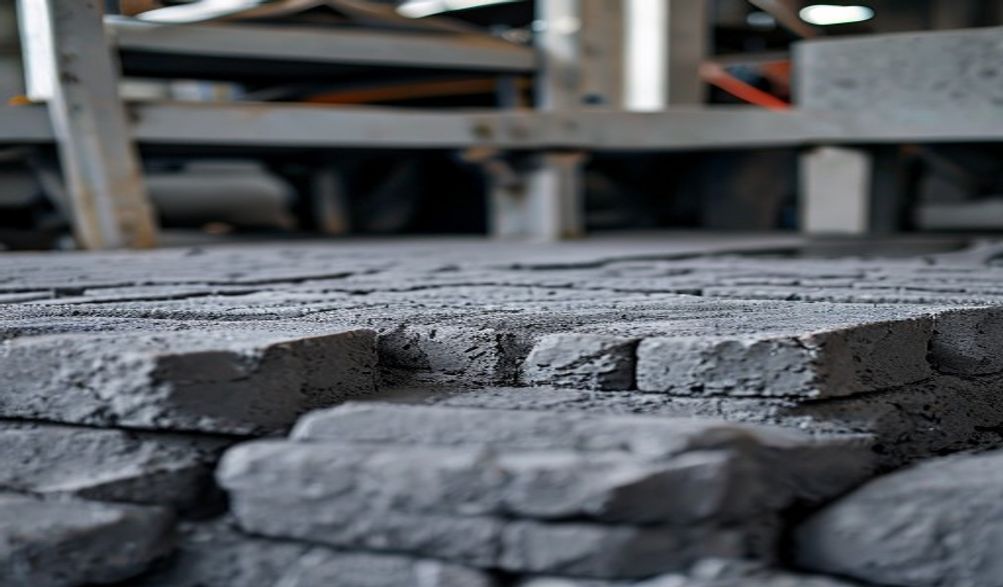
Yadda Ake Zaɓar Injin Yin Bulunan Ash: Jagorar Mai Siye ta Kwararre ta 2024
Gabatarwa
Zaɓar daidai injin yin bulo mai amfani da toka ba siye kawai ba ne; yanke shawara ce ta kasuwanci mai mahimmanci wacce za ta ayyana ƙarfin samar da ku, ingancin samfur, da riba na shekaru masu zuwa. Tare da fiye da shekaru goma na gogewa a fasahar gine-gine da masana'antu mai dorewa, na shaida yadda kayan aikin da suka dace zasu iya tura wani kamfani zuwa ga nasara, yayin da zaɓi mara kyau zai haifar da matsaloli masu tayar da hankali, bulo mara inganci, da matsin lamba mai yawa na kuɗi.
Kasuwanni cike take da zaɓuɓɓuka, tun daga na'urorin matsewa na hannu masu sauƙi zuwa manyan masana'antun sarrafa kai da kansu, kowannensu yana tare da ƙamus na fasaha da kuma jajircewar alkawura. Wannan jagorar an tsara ta ne don yanke wannan hayaniyar. Za mu wuce maganganun tallace-tallace kuma mu ba ku tsari mai sauƙi, mataki-mataki wanda ya samo asali daga ƙwarewa mai amfani. A ƙarshe, za ku sami ilimin da zai ba ku damar tantance injuna bisa takamaiman manufofin samarwa, albarkatun ƙasa, da kasafin kuɗin ku, wanda zai canza wani matakin rikitarwa zuwa wani tabbataccen saka hannun jari a cikin ci gaban kasuwancin ku mai dorewa.
Bari mu gina ginshiƙan nasarar ku.
Fahimtar Bukatun Aikin Ku: Tushen Zabin Ku
Kafin ka kalli ko da littafin tallan na'ura ɗaya, sai ka fara duba cikin ka. Kuskure mafi yawa kuma mai tsada shi ne sayan na'ura bisa wani fasali mai ban sha'awa ko farashi mai kyau, sai ka gano ba ta dace da aikin ka ba. Yanayin kasuwancin ka shi ne babban tsarin aiki.
Tantance Sikelar Samar da Kayayyaki da Manufofin Kasuwancin ku
Burin da kuke buƙata a kullum shine babban abin da zai ƙayyade zaɓin injin ku. Ku kasance masu gaskiya sosai.
- Ƙananan Sikelin/Kaddamarwa (Har zuwa tubalin 1000/rana):Kuna iya gwajin kasuwa, kuna da ƙaramin jari, ko kuma kuna cika oda na gida, na musamman. Na'ura ta hannu ko ta asali ce za ta zama mafarin ku. Ku mai da hankali kan ƙaramin jari na farko da sauƙin aiki.
- Matsakaicin sikelin (1000 zuwa 10,000 bulo/rana):Wannan shine wuri mai daɗi ga yawancin ƙananan masu sana'a masu tasowa da masu sana'ar bulo na musamman. Kuna buƙatar inganci mai daidaito da fitarwa mai dogaro. Mai ƙarfina'ura mai sarrafa kansa na rabin atomatik ko cikakken atomatikya zama muhimmanci. Yi la'akari da faɗaɗa gaba a cikin shirin bene da wadata wutar lantarki.
- Babban Sikelin/Masana'antu (10,000+ bulo/rana):Kuna samar da manyan ayyuka ko masu rarrabawa. Ingantacciyar aiki da ƙarancin sa hannun ɗan adam sune mabuɗin.layin samarwa masu sarrafa kansu gaba ɗaya, masu sarrafa PLCtare da tsarin sarrafa kayan aiki da kuma tsarin gyaran gyare-gyare suna da ma'ana a tattalin arziki a nan.
Shawarwarin Ƙwararru:Koyaushe yi shirin samun ƙarin ƙarfin aiki na kashi 20-25% fiye da abin da kuke da niyya a yanzu. Wannan tanadi zai ɗauki ci gaban kasuwa kuma zai hana injin ku zama cikas a cikin shekara guda.
Nazarin Samun Kayan Aiki da Ingancinsa
Dole ne injin ku ya zama abokin tarayya ga albarkatun ku na asali, ba ya yin aiki da su ba.
- Ƙarfin Ƙurar Fly Ash:Ingancin tokar ku (musammanNau'in-Fdaga kwal mai bituminous koNau'in CDaga sub-bituminous/lignite) kai tsaye yana shafar ƙarfin bulo da kuma adadin siminti da ake buƙata. Tabbatar da tushen gida mai daidaito yana da mahimmanci. Tohar da ba ta da daidaito za ta haifar da bulo maras daidaito.
- Sauran Kayan:Yi kimar inganci da ƙwayar yashi ko ƙurar dutse ko? Shin yana da sauƙin samuwa kuma mai araha? Menene ingancin ruwa na gida? Ruwa mai tauri na iya shafar gyare-gyare.
- Bukatun Shirye-shirye:Idan kayan aikin ku na farko (kamar yashi) ba su da girma iri ɗaya, kuna iya buƙatar ƙarin kayan aiki kamarna'ura mai niƙa ko na tantancewakafin hadawa. Babban ingancina'urar haɗa burodibabu yin shawarwari don samun gauraya mai kama da juna, wanda shine matakin farko zuwa bulo mai ƙarfi.
Ƙayyade Ƙa'idodin Tubalin Ku & Bukatun Kasuwa
Me kake sayarwa, kuma ga wa kake sayarwa? Samfurinka yana bayyana irin kayan da zaka yi amfani da su da kuma matsin inji.
- Matsakaicin Girmai da Nau'uka:Kuna yin tubalan madaidaici 4″, 6″, ko 8″ na aikin tsari? Shintubalan cikiWane ne ke da buƙatu mafi girma? Wataƙila kasuwar shimfidatubalin haɗin kaiko kayan ado da kayan lambuFasahar shimfidar dutseTana bunkasa a yankin ku.
- Ƙarfin Matsi: This is the king of specifications. Load-bearing walls may require bricks with a compressive strength of 7-10 MPa or more, while partition walls can use lower-strength units. Know your local building codes and customer requirements. The machine’s pressure capacity (tonnage) is the primary factor determining this strength.
Key Technical Specifications of Fly Ash Brick Machines
Now, with your project blueprint in hand, we can decode the machine’s technical language. This is where expertise separates a good investment from a costly mistake.
Types of Fly Ash Brick Making Machines
-
Na'urorin Hannu: Operated entirely by hand levers or flywheels.
- Abubuwan da suka fi kyau: Very low initial cost, minimal to no power requirement, simple to understand.
- Rashin Kyau: Extremely low output (200-500 bricks/day), highly labor-intensive, inconsistent product quality, physically demanding.
- Mafi kyau don: Ultra-small startups, community projects, or producing samples.
-
Matsin Injin Mai Ƙaramin Gudanarwa: The operator feeds the mix into the machine hopper, but the pressing, ejection, and sometimes feeding are powered (hydraulic or vibratory).
- Abubuwan da suka fi kyau: Excellent balance of output (1000-5000+ bricks/day), cost, and quality. Good consistency with less labor than manual machines. Often modular, allowing for future upgrades.
- Rashin Kyau: Requires a steady power supply and some skilled labor for operation and maintenance.
- Mafi kyau don: The vast majority of small and medium enterprises (SMEs). This is the most popular and versatile category.
-
Matsarori Masu Sarrafa Kansu Gabaɗaya: Computer-controlled (PLC) production lines. They automate material feeding, mixing, pressing, curing stack arrangement, and sometimes pallet return.
- Abubuwan da suka fi kyau: Very high, consistent output (10,000+ bricks/day) with minimal labor. Exceptional product uniformity and quality control.
- Rashin Kyau: High capital investment, requires significant space and robust three-phase power infrastructure, complex maintenance needing specialized technicians.
- Mafi kyau don: Large-scale industrial plants with high, consistent demand.
Core Mechanism: Hydraulic vs. Vibratory Press
This is a fundamental technical choice impacting brick quality and production style.
-
Matsin Ruwa: Uses a hydraulic cylinder to apply immense, controlled static pressure (measured in tons) to the raw mix in a mold.
- How it works: Oil is pumped into a cylinder, forcing a piston to compact the mix under high, sustained pressure.
- Fadada: Produces bricks with superior density, strength, and dimensional accuracy. Excellent for high-strength solid blocks and interlocking bricks. The process is generally quieter.
- Abubuwan da ake la'akari da su: Cycle time can be slightly slower than some vibratory systems, but modern machines are highly efficient.
-
Vibratory Press: Uses a combination of vibration and lower pressure to compact the material. The mix is subjected to high-frequency vibrations that settle the particles densely.
- How it works: An eccentric weight rotates at high speed, creating vibrations transmitted to the mold table.
- Fadada: Often has a faster cycle time, making it suitable for high-volume production of certain hollow block designs. Can be more energy-efficient for specific applications.
- Abubuwan da ake la'akari da su: May not achieve the same ultra-high compressive strengths as a high-tonnage hydraulic press for solid blocks. Can be noisier and cause more wear on molds.
Verdict: For fly ash bricks where high compressive strength is a primary selling pointdahydraulic press is often the recommended and more prevalent choice. However, discuss your specific brick portfolio with suppliers, as some vibratory machines are excellent for certain products.
Critical Machine Specifications to Scrutinize
When comparing models, these are the numbers that matter:
- Ƙarfin Matsi (Tona): Ranges from 20 tons for small machines to 200+ tons for large ones. Higher tonnage = higher potential brick density and compressive strength. Match this to your strength requirements.
- Cycle Time & Production Output: Cycle time is the seconds/minutes to produce one batch (e.g., 4 bricks). Output is bricks per hour/day. Ensure the claimed output is based on a standard cycle time, not a theoretical maximum. Cross-reference this with your scale assessment.
- Power Requirement (HP/KW): Determines your electricity bill and necessary connection. A 10 HP machine is vastly different from a 50 HP one. Factor this into your operational cost model.
- Matsayin Sarrafa Kansa: Does it have an auto-feeder? An automatic pallet return system? A product stacker? Each level of automation reduces labor, increases consistency, and adds to the cost. Choose based on your labor availability and cost.
Beyond the Machine: Essential Auxiliary Equipment
A brick machine alone does not make a brick plant. Ignoring these components is like buying a car without planning for fuel or maintenance.
The Importance of a Quality Pan Mixer
The mixing process is where quality is born. A forced-action na'urar haɗa burodi with rotating stars/scrapers is essential. It ensures every particle of fly ash, sand, and cement is uniformly coated, leading to consistent strength and color. Size its batch capacity to match your machine’s cycle to avoid waiting time.
Brick Curing and Drying Systems
Freshly pressed “green” bricks are fragile. Proper curing is what gives them strength.
- Water Curing: The traditional method. Bricks are stacked and kept wet for 14-28 days. It’s low-cost but requires vast space, time, and consistent attention.
- Steam Curing (Autoclaving): Bricks are placed in a chamber and cured with steam under pressure for 8-12 hours. It’s faster, space-efficient, and produces higher early-strength bricks, but requires a significant investment in an autoclave and boiler.
- Pallets & Racks: You’ll need a sufficient number of steel or wooden pallets to hold bricks through the curing cycle and sturdy racks for organized storage.
Material Handling & Logistics
Moving tons of raw material and bricks manually is inefficient and increases breakage.
- Feed Hoppers & Conveyors: Belt conveyors or screw feeders can move raw mix from the mixer to the machine hopper seamlessly.
- Green Brick Handling: Forklifts, trolleys, or simple transfer carts are needed to move fresh bricks to the curing area without damage.
- Tsari: For larger operations, mechanical brick stackers can dramatically reduce labor and time post-curing.
The Supplier Evaluation Checklist: Ensuring Trust & Quality
The machine is only as good as the company behind it. This step protects your investment.
Manufacturer Reputation & After-Sales Service
- Research: Look for a history of 10+ years. Search for the company name + “reviews” or “complaints.” Ask for a list of client references and actually call them.
- The Deal-Breaker – After-Sales Support: Does the supplier offer installation supervision, on-site operator training, and a local service network? What is the warranty period (aim for at least 1 year on critical parts)? How quickly can they supply spare parts? A cheap machine with no support is the most expensive machine you can buy.
Requesting a Factory Visit & Machine Trial
If possible, never buy a machine you haven’t seen running.
- Witness Operation: Visit the manufacturer’s facility. See the machine’s build quality, weld points, and electrical panels. Observe it in action—is the operation smooth? Is the noise level acceptable?
- Conduct a Trial: The golden rule. Bring a sample of your own fly ash and raw materials. Have the supplier produce bricks with them. Test these bricks for dimensional accuracy, edge sharpness, and later, for compressive strength in a lab. This proves the machine’s capability with ka inputs.
Cost Analysis: Understanding the Total Investment
Look beyond the sticker price.
- Total Project Cost: Includes:
- Machine Price
- Auxiliary Equipment (Mixer, Conveyor, Pallets)
- Installation & Foundation Civil Work
- Electrical Setup (Transformers, Wiring)
- Transportation and Insurance
- Initial Spare Parts Kit
- Operational Cost per Brick: Calculate the cost of power, labor, maintenance, and raw materials for every 1000 bricks produced. A slightly more expensive but efficient and robust machine will often have a lower operational cost.
- Avoid the Cheap Trap: The lowest bid often cuts corners on steel quality, hydraulic components, and motor brands. This leads to frequent breakdowns, higher maintenance costs, and lost production time. Invest in reliability.
FAQ: Your Fly Ash Brick Machine Questions Answered
Q1: What is the average cost range for a good fly ash brick making machine?
A: Prices vary dramatically. A basic manual machine can start from $1,500 – $3,000. A quality semi-automatic hydraulic machine typically ranges from $15,000 – $50,000+, depending on automation and output. Fully automatic production lines begin around $80,000 and can exceed $250,000. Always get detailed quotes based on your specific output and automation requirements.
Q2: Can I use the same machine to produce different types of bricks (e.g., hollow and solid)?
A: Yes, most machines are designed for this, but with caveats. The machine must have sufficient pressure (tonnage) to produce dense solid blocks. You will need to purchase interchangeable molds for each brick type (hollow, solid, paver). Ensure the supplier can provide or source these additional molds and that the machine’s feed system and ejection mechanism are compatible with the different brick heights and designs.
Q3: What is the typical payback period for this investment?
A: With efficient operation and good market demand, a well-planned SME setup can see a payback period of 1.5 to 3 years. For a simplified estimate: (Total Investment Cost) / [(Selling Price per Brick – Cost per Brick) * Monthly Production]. Factors like your local brick price, raw material cost, and sales volume are critical.
Q4: How much skilled labor is required to operate a semi-automatic machine?
A: A standard semi-automatic plant can be effectively run by 2-3 semi-skilled workers. One attends to the mixer and machine feeding, while the others handle the green bricks—transferring them to curing stacks and managing pallets. Comprehensive training from the supplier is essential for safe and efficient operation.
Q5: What are the most common maintenance issues, and how can I prevent them?
A:
* Hydraulic Oil Leaks: Caused by worn seals or loose fittings. Prevention: Regular inspection and using the recommended grade of hydraulic oil.
* Mold Wear & Tear: Leading to rough brick edges or dimensional issues. Prevention: Regular cleaning after each shift and ensuring the raw mix is free of large, hard impurities.
* Electrical Faults: From dust ingress or loose connections. Prevention: Keeping control panels clean and dry, and conducting periodic checks.
* General Wear: On moving parts like bearings and guides. Prevention: Strict adherence to the daily and weekly lubrication schedule outlined in the manual.
Ƙarshe
Choosing the perfect fly ash brick making machine is a systematic journey, not a snap decision. It begins with a clear-eyed assessment of your own production goals, raw materials, and market. This foundation allows you to navigate the technical landscape—understanding the vital difference between hydraulic and vibratory systems, and scrutinizing specifications like tonnage and cycle time. Finally, pairing the right technical specifications with a reputable, service-oriented supplier seals your investment’s success.
Remember, the best machine is not the cheapest or the most feature-laden. It is the one that forms the optimal bridge between your current reality and your growth ambitions, enabling you to produce high-quality, sustainable building materials profitably and reliably. Use this guide as your checklist, ask the hard questions, and invest with confidence.
Call to Action (CTA):
Ready to take the next step? Download our free, detailed Fly Ash Brick Machine Buyer’s Checklist to compare suppliers and specifications systematically. For personalized advice, contact our industry experts with your project details.