
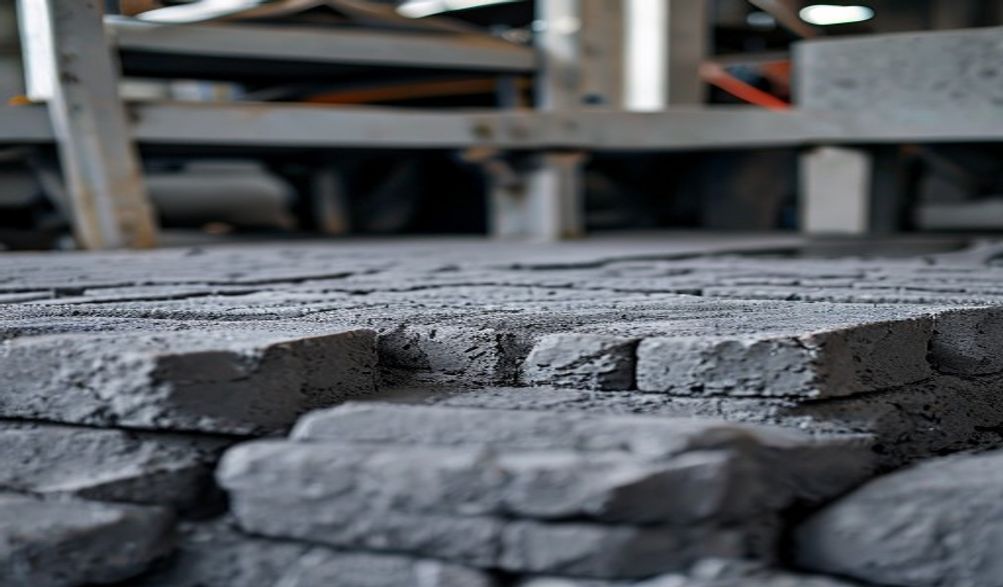
Флай-эш кірпіш жасау машинасын қалай таңдау керек: 2024 жылға арналған сарапшылардың сатып алушылар нұсқаулығы
Кіріспе
Дұрыс ұшқын күл кірпіш жасау машинасын таңдау - бұл жай ғана сатып алу емес, бұл сіздің өндірістік қуатыңызды, өнім сапасыңызды және пайдалылығыңызды келесі жылдарға анықтайтын шешуші бизнес шешімі. Құрылыс технологиясы мен тұрақты өндіріс саласындағы он жылдан астам тәжірибемде, мен дұрыс жабдықтың кәсіпкерлік жобаны табысқа қалай жеткізетінін, ал қате таңдаудың қаншалықты тітіркендіретін тосқауылдарға, сапасыз кірпіштерге және айтарлықтай қаржылық қиындықтарға әкелетінін өз көзіммен көрдім.
Нарықта қарапайым қолмен басылатын престерден бастап, кең ауқымды толық автоматтандырылған зауыттарға дейін сан алуан таңдаулар бар, олардың әрқайсысы техникалық терминдер мен батыл уәделермен бірге келеді. Бұл нұсқаулық сол шуға қарсы тұру үшін жасалған. Біз сату тактикасынан асып, практикалық білімге негізделген анық, сатылы қадамдарды ұсынамыз. Соңында сіз өндірістік мақсаттарыңызға, шикізаттарыңызға және бюджетіңізге сәйкес машиналарды бағалай білетін білімге ие боласыз, бұл күрделі шешімді бизнесіңіздің тұрақты болашағына сенімді инвестицияға айналдырады.
Сіздің табысыңыздың негізін салайық.
Сіздің жоба талаптарыңызды түсіну: Таңдауыңыздың негізі
Бір машинаның буклетін қарамастан бұрын, алдымен өз ішіңізге қарауыңыз керек. Ең жиі кездесетін және қымбат қате — бұл машинаны жарқын функциясы немесе тартымды бағасына негіздеп сатып алу, тек оның сіздің нақты операцияңызға сәйкес келмейтінін кейін түсіну. Сіздің бизнес контекстіңіз — бұл түпкілікті жоба.
Өндіріс ауқымыңызды және бизнес мақсаттарыңызды бағалау
Сіздің күнделікті өнім шығару мақсатыңыз машинаны таңдаудың негізгі факторы болып табылады. Шындыққа қатаң сүйеніңіз.
- Шағын/Жаңадан бастаушылар (Күніне 1000 кірпішке дейін):Сіз нарықты тестілеп жатқан боларсыз, шектеулі капиталға иесіз немесе жергілікті, тар салалық тапсырыстарды орындап жатырсыз. Қолмен немесе негізгі жартылай автоматты машина сіздің бастапқы нүктеніз. Бастапқы инвестицияның төмендігіне және жұмыстың қарапайымдылығына назар аударыңыз.
- Орташа масштабты (күніне 1000-ден 10 000-ға дейін кірпіш):Бұл көптеген дамып келе жатқан шағын және орта кәсіпорындар мен мамандандырылған кірпіш өндірушілер үшін ең қолайлы нүкте. Сізге тұрақты сапа мен сенімді өнім қажет. Мықтыжартылай автоматты немесе толық автоматты машинаСіздің жоспарыңызда болашақ кеңейтуді және электрмен жабдықтауды ескеру өте маңызды.
- Үлкен ауқымды/өнеркәсіптік (күніне 10 000+ кірпіш):Сіз ірі жобаларға немесе дистрибьюторларға жеткізіп тұрсыз. Тиімділік және адамның араласуын азайту маңызды.Толық автоматтандырылған, PLC басқарылатын өндіріс желілеріБұл жерде материалдарды өңдеу мен қатаюды біріктірілген жүйелермен экономикалық тұрғыдан орынды етеді.
Кәсіби кеңес:Өзекті мақсатыңыздан 20-25% артық қуаттылықты әрдайым жоспарлаңыз. Бұл резерв нарықтың өсуін қамтамасыз етеді және жыл ішінде машинаның тарылуына жол бермейді.
Шикізаттың қолжетімділігі мен сапасын талдау
Сіздің машинаңыз шикізаттарыңызға серік болуы керек, оларға қарсы емес.
- Ұшқан күлдің тұрақтылығы:Сіздің ұшқын күлінің сапасы (негізіненФ-Типбитумді көмірден немесеC-Түрісуббитуминдік/лигниттен алынған күлдің тұрақтылығы кірпіштің беріктігі мен қажетті цемент мөлшеріне тікелей әсер етеді. Тұрақты жергілікті көз маңызды рөл атқарады. Тұрақсыз күл тұрақсыз кірпішке әкеледі.
- Басқа материалдар:Құмның немесе тас ұнтағының сапасы мен гранулометриясын бағалаңыз. Олар оңай қол жетімді және қолайлы бағамен сатыла ма? Жергілікті судың сапасы қандай? Қатты су қатаю процесін әсер ете алады.
- Алдын ала өңдеу қажеттіліктері:Егер шикізатыңыз (мысалы, құм) біркелкі өлшемді болмаса, сізге көмекші жабдықтар, мысалы, сұрыптау және жуу қондырғылары қажет болуы мүмкін.дробилка немесе скринерараластырмас бұрын. Жоғары сапалыpan mixer is non-negotiable for achieving a homogeneous mix, which is the first step to a strong brick.
Defining Your Brick Specifications & Market Demand
What are you selling, and who are you selling it to? Your product defines your mold and machine pressure.
- Standard Sizes & Types: Are you making standard 4″, 6″, or 8″ solid blocks for structural work? Are қуыс блоктар (which save material and improve insulation) in higher demand? Perhaps the market for paving ілмелі кірпіштер or landscaping Тротуар тақталары is booming in your region.
- Қысу беріктігі: This is the king of specifications. Load-bearing walls may require bricks with a compressive strength of 7-10 MPa or more, while partition walls can use lower-strength units. Know your local building codes and customer requirements. The machine’s pressure capacity (tonnage) is the primary factor determining this strength.
Key Technical Specifications of Fly Ash Brick Machines
Now, with your project blueprint in hand, we can decode the machine’s technical language. This is where expertise separates a good investment from a costly mistake.
Types of Fly Ash Brick Making Machines
-
Қол машиналары: Operated entirely by hand levers or flywheels.
- Артықшылықтары: Very low initial cost, minimal to no power requirement, simple to understand.
- Кемшіліктері: Extremely low output (200-500 bricks/day), highly labor-intensive, inconsistent product quality, physically demanding.
- Ең жақсы: Ultra-small startups, community projects, or producing samples.
-
Жартылай автоматты машиналар: The operator feeds the mix into the machine hopper, but the pressing, ejection, and sometimes feeding are powered (hydraulic or vibratory).
- Артықшылықтары: Excellent balance of output (1000-5000+ bricks/day), cost, and quality. Good consistency with less labor than manual machines. Often modular, allowing for future upgrades.
- Кемшіліктері: Requires a steady power supply and some skilled labor for operation and maintenance.
- Ең жақсы: The vast majority of small and medium enterprises (SMEs). This is the most popular and versatile category.
-
Толық автоматты машиналар: Computer-controlled (PLC) production lines. They automate material feeding, mixing, pressing, curing stack arrangement, and sometimes pallet return.
- Артықшылықтары: Very high, consistent output (10,000+ bricks/day) with minimal labor. Exceptional product uniformity and quality control.
- Кемшіліктері: High capital investment, requires significant space and robust three-phase power infrastructure, complex maintenance needing specialized technicians.
- Ең жақсы: Large-scale industrial plants with high, consistent demand.
Core Mechanism: Hydraulic vs. Vibratory Press
This is a fundamental technical choice impacting brick quality and production style.
-
Гидравлик пресс: Uses a hydraulic cylinder to apply immense, controlled static pressure (measured in tons) to the raw mix in a mold.
- How it works: Oil is pumped into a cylinder, forcing a piston to compact the mix under high, sustained pressure.
- Артықшылықтары: Produces bricks with superior density, strength, and dimensional accuracy. Excellent for high-strength solid blocks and interlocking bricks. The process is generally quieter.
- Қарастырулар: Cycle time can be slightly slower than some vibratory systems, but modern machines are highly efficient.
-
Vibratory Press: Uses a combination of vibration and lower pressure to compact the material. The mix is subjected to high-frequency vibrations that settle the particles densely.
- How it works: An eccentric weight rotates at high speed, creating vibrations transmitted to the mold table.
- Артықшылықтары: Often has a faster cycle time, making it suitable for high-volume production of certain hollow block designs. Can be more energy-efficient for specific applications.
- Қарастырулар: May not achieve the same ultra-high compressive strengths as a high-tonnage hydraulic press for solid blocks. Can be noisier and cause more wear on molds.
Verdict: For fly ash bricks where high compressive strength is a primary selling pointсолhydraulic press is often the recommended and more prevalent choice. However, discuss your specific brick portfolio with suppliers, as some vibratory machines are excellent for certain products.
Critical Machine Specifications to Scrutinize
When comparing models, these are the numbers that matter:
- Қысым сыйымдылығы (Тоннаж): Ranges from 20 tons for small machines to 200+ tons for large ones. Higher tonnage = higher potential brick density and compressive strength. Match this to your strength requirements.
- Cycle Time & Production Output: Cycle time is the seconds/minutes to produce one batch (e.g., 4 bricks). Output is bricks per hour/day. Ensure the claimed output is based on a standard cycle time, not a theoretical maximum. Cross-reference this with your scale assessment.
- Power Requirement (HP/KW): Determines your electricity bill and necessary connection. A 10 HP machine is vastly different from a 50 HP one. Factor this into your operational cost model.
- Автоматтандыру деңгейі: Does it have an auto-feeder? An automatic pallet return system? A product stacker? Each level of automation reduces labor, increases consistency, and adds to the cost. Choose based on your labor availability and cost.
Beyond the Machine: Essential Auxiliary Equipment
A brick machine alone does not make a brick plant. Ignoring these components is like buying a car without planning for fuel or maintenance.
The Importance of a Quality Pan Mixer
The mixing process is where quality is born. A forced-action pan mixer with rotating stars/scrapers is essential. It ensures every particle of fly ash, sand, and cement is uniformly coated, leading to consistent strength and color. Size its batch capacity to match your machine’s cycle to avoid waiting time.
Brick Curing and Drying Systems
Freshly pressed “green” bricks are fragile. Proper curing is what gives them strength.
- Water Curing: The traditional method. Bricks are stacked and kept wet for 14-28 days. It’s low-cost but requires vast space, time, and consistent attention.
- Steam Curing (Autoclaving): Bricks are placed in a chamber and cured with steam under pressure for 8-12 hours. It’s faster, space-efficient, and produces higher early-strength bricks, but requires a significant investment in an autoclave and boiler.
- Pallets & Racks: You’ll need a sufficient number of steel or wooden pallets to hold bricks through the curing cycle and sturdy racks for organized storage.
Material Handling & Logistics
Moving tons of raw material and bricks manually is inefficient and increases breakage.
- Feed Hoppers & Conveyors: Belt conveyors or screw feeders can move raw mix from the mixer to the machine hopper seamlessly.
- Green Brick Handling: Forklifts, trolleys, or simple transfer carts are needed to move fresh bricks to the curing area without damage.
- Стекінг: For larger operations, mechanical brick stackers can dramatically reduce labor and time post-curing.
The Supplier Evaluation Checklist: Ensuring Trust & Quality
The machine is only as good as the company behind it. This step protects your investment.
Manufacturer Reputation & After-Sales Service
- Research: Look for a history of 10+ years. Search for the company name + “reviews” or “complaints.” Ask for a list of client references and actually call them.
- The Deal-Breaker – After-Sales Support: Does the supplier offer installation supervision, on-site operator training, and a local service network? What is the warranty period (aim for at least 1 year on critical parts)? How quickly can they supply spare parts? A cheap machine with no support is the most expensive machine you can buy.
Requesting a Factory Visit & Machine Trial
If possible, never buy a machine you haven’t seen running.
- Witness Operation: Visit the manufacturer’s facility. See the machine’s build quality, weld points, and electrical panels. Observe it in action—is the operation smooth? Is the noise level acceptable?
- Conduct a Trial: The golden rule. Bring a sample of your own fly ash and raw materials. Have the supplier produce bricks with them. Test these bricks for dimensional accuracy, edge sharpness, and later, for compressive strength in a lab. This proves the machine’s capability with сен inputs.
Cost Analysis: Understanding the Total Investment
Look beyond the sticker price.
- Total Project Cost: Includes:
- Machine Price
- Auxiliary Equipment (Mixer, Conveyor, Pallets)
- Installation & Foundation Civil Work
- Electrical Setup (Transformers, Wiring)
- Transportation and Insurance
- Initial Spare Parts Kit
- Operational Cost per Brick: Calculate the cost of power, labor, maintenance, and raw materials for every 1000 bricks produced. A slightly more expensive but efficient and robust machine will often have a lower operational cost.
- Avoid the Cheap Trap: The lowest bid often cuts corners on steel quality, hydraulic components, and motor brands. This leads to frequent breakdowns, higher maintenance costs, and lost production time. Invest in reliability.
FAQ: Your Fly Ash Brick Machine Questions Answered
Q1: What is the average cost range for a good fly ash brick making machine?
A: Prices vary dramatically. A basic manual machine can start from $1,500 – $3,000. A quality semi-automatic hydraulic machine typically ranges from $15,000 – $50,000+, depending on automation and output. Fully automatic production lines begin around $80,000 and can exceed $250,000. Always get detailed quotes based on your specific output and automation requirements.
Q2: Can I use the same machine to produce different types of bricks (e.g., hollow and solid)?
A: Yes, most machines are designed for this, but with caveats. The machine must have sufficient pressure (tonnage) to produce dense solid blocks. You will need to purchase interchangeable molds for each brick type (hollow, solid, paver). Ensure the supplier can provide or source these additional molds and that the machine’s feed system and ejection mechanism are compatible with the different brick heights and designs.
Q3: What is the typical payback period for this investment?
A: With efficient operation and good market demand, a well-planned SME setup can see a payback period of 1.5 to 3 years. For a simplified estimate: (Total Investment Cost) / [(Selling Price per Brick – Cost per Brick) * Monthly Production]. Factors like your local brick price, raw material cost, and sales volume are critical.
Q4: How much skilled labor is required to operate a semi-automatic machine?
A: A standard semi-automatic plant can be effectively run by 2-3 semi-skilled workers. One attends to the mixer and machine feeding, while the others handle the green bricks—transferring them to curing stacks and managing pallets. Comprehensive training from the supplier is essential for safe and efficient operation.
Q5: What are the most common maintenance issues, and how can I prevent them?
A:
* Hydraulic Oil Leaks: Caused by worn seals or loose fittings. Prevention: Regular inspection and using the recommended grade of hydraulic oil.
* Mold Wear & Tear: Leading to rough brick edges or dimensional issues. Prevention: Regular cleaning after each shift and ensuring the raw mix is free of large, hard impurities.
* Electrical Faults: From dust ingress or loose connections. Prevention: Keeping control panels clean and dry, and conducting periodic checks.
* General Wear: On moving parts like bearings and guides. Prevention: Strict adherence to the daily and weekly lubrication schedule outlined in the manual.
Қорытынды
Choosing the perfect fly ash brick making machine is a systematic journey, not a snap decision. It begins with a clear-eyed assessment of your own production goals, raw materials, and market. This foundation allows you to navigate the technical landscape—understanding the vital difference between hydraulic and vibratory systems, and scrutinizing specifications like tonnage and cycle time. Finally, pairing the right technical specifications with a reputable, service-oriented supplier seals your investment’s success.
Remember, the best machine is not the cheapest or the most feature-laden. It is the one that forms the optimal bridge between your current reality and your growth ambitions, enabling you to produce high-quality, sustainable building materials profitably and reliably. Use this guide as your checklist, ask the hard questions, and invest with confidence.
Call to Action (CTA):
Ready to take the next step? Download our free, detailed Fly Ash Brick Machine Buyer’s Checklist to compare suppliers and specifications systematically. For personalized advice, contact our industry experts with your project details.